
Add ₹999 more to unlock FREE SHIPPING!
Your sacred cart is currently empty.
Shop Photo FramesKatol city possesses religious, mythological, and historical significance. In ancient times, Katol was known as Kuntalapur. According to the Puranas, the Chandika Mata Temple in Katol dates back to the era of the Pandavas and was built by King Chandrahas. This temple is a center of devotion and spiritual power for many devotees across Vidarbha. The Navratri festival celebrated at the Chandika Devi Temple is famous, and the decoration of the Goddess here is unique. Thousands of devotees come here to witness this decoration and seek the blessings of the Goddess.
According to references in ancient scriptures, in former times, powerful kings would perform the Ashwamedha Yajna to prove their might and would have the sacrificial horse roam through other kingdoms. Any kingdom through which this horse ran would come under the control of the king performing the Yajna. If anyone stopped this horse, that king had to engage in battle. Similarly, after their victory over the Kauravas, the Pandavas decided to perform the Ashwamedha Yajna to establish their sovereignty over all of Bharat. Accordingly, the Pandavas’ Ashwamedha Yajna horse, after conquering many kingdoms, entered the city of Kuntalapur. At that time, King Chandrahas was ruling in Kuntalapur. Upon his orders, the soldiers stopped this horse. At the same time, the Pandava army protecting the horse reached near the city of Kuntalapur. This army was led by Arjuna, and Lord Shri Krishna himself was with him.
Arjuna challenged King Chandrahas, who had stopped the Ashwamedha Yajna horse, to battle; however, the King had not stopped the horse to fight, but because he wished to have the darshan of Shri Krishna. He respectfully brought Shri Krishna and Arjuna to his court and offered them hospitality. He expressed his desire to join the Ashwamedha Yajna army after receiving the darshan of Shri Krishna. Upon receiving consent from Shri Krishna, King Chandrahas handed over his kingdom to his son, Makaradhwaja, and departed with Arjuna and Shri Krishna. Before this, he took the darshan of his presiding deity, Chandika Mata. Although there is no consensus among scholars regarding the exact location of Kuntalapur mentioned in the Mahabharata, many scholars claim that King Chandrahas’s Kuntalapur is the present-day city of Katol, and the Chandika temple built by King Chandrahas is the Chandika Mata temple located in the central part of Katol city.
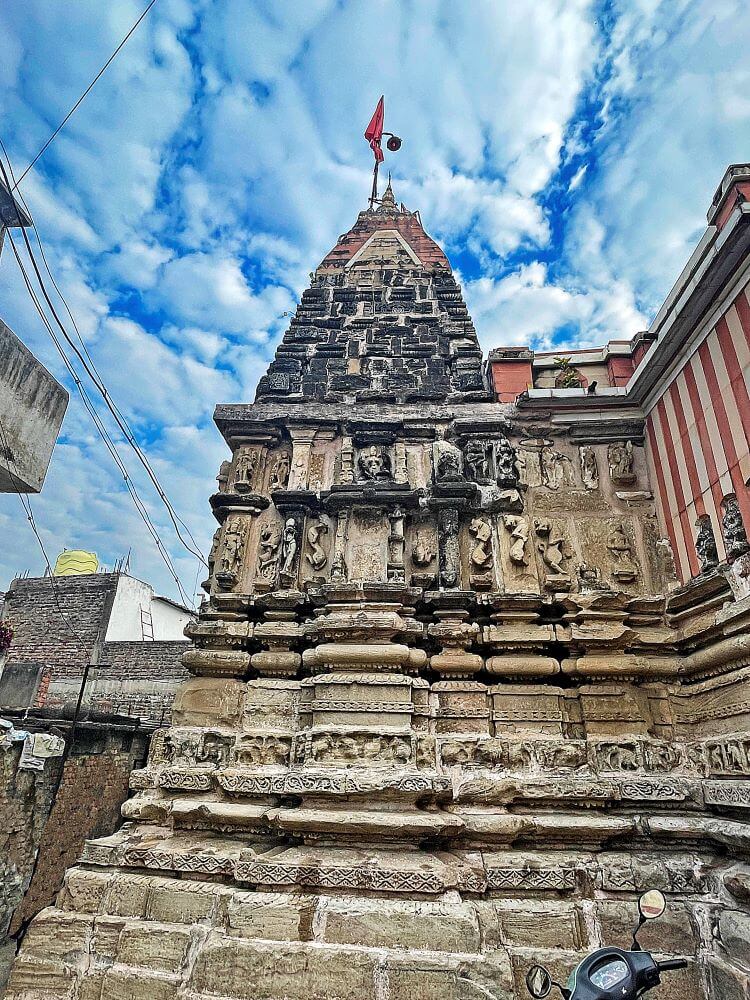
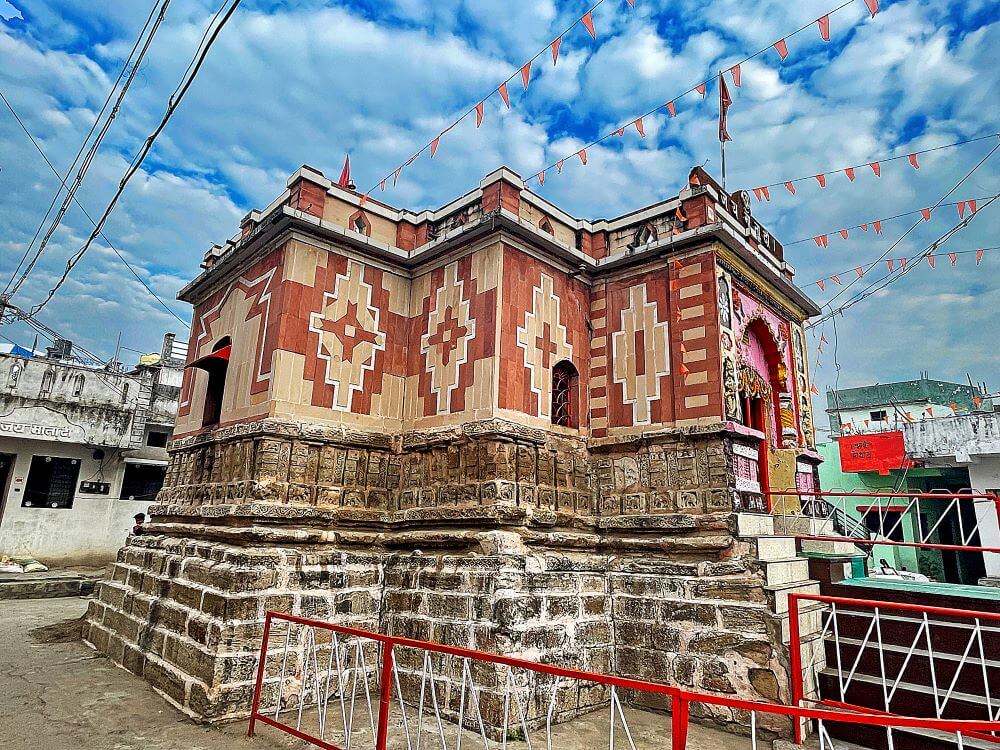
The Chandika temple, established in the heart of Katol city, is the presiding deity of the residents of Katol. It is said that this temple is approximately 800 to 850 years old and dates back to the Yadava period. Although the temple has been renovated from time to time, signs of its antiquity can still be seen throughout the temple. It is evident that the upper part of the main shikhara and some of the temple walls have been newly constructed. The structure of this temple consists of a mukhamandapa, sabhamandapa, antarala, and garbhagriha.
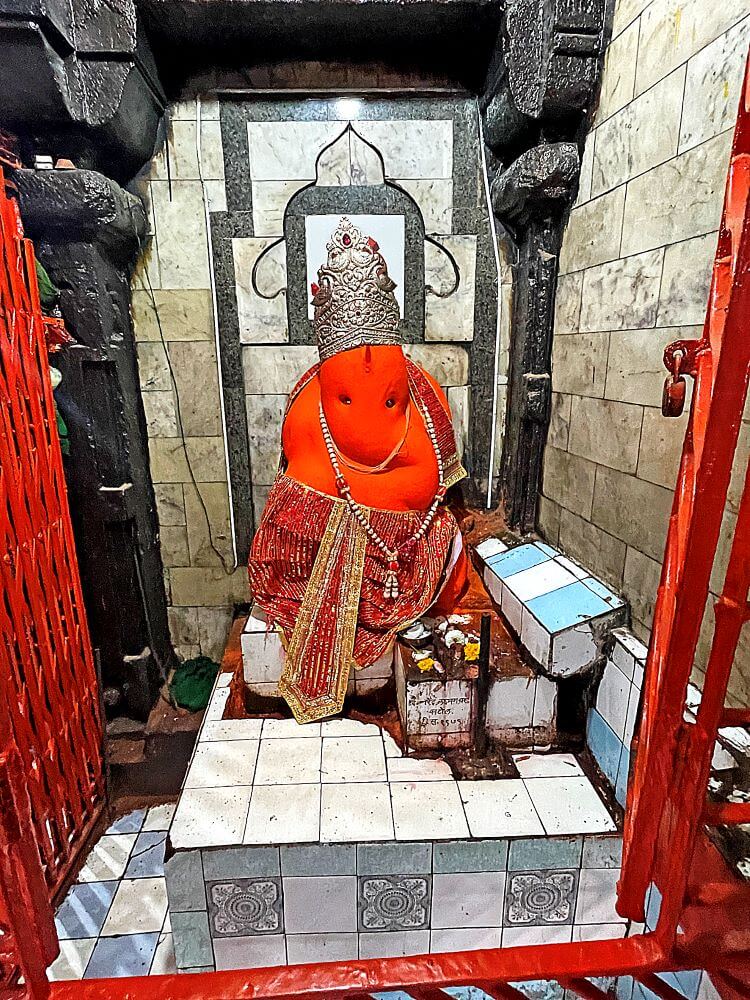
The temple is established on a high plinth, and its outer walls are adorned with numerous carvings. These include a row of elephants (gajamala) and erotic sculptures. One enters the main hall (mukhamandapa) of the temple by climbing seven to eight steps. On both sides of the steps are low-height lamp pillars (deepmalas). In the center of the assembly hall (sabhamandapa) are four stone pillars featuring distinctive craftsmanship. Between these pillars lies a sacrificial fire pit (havankunda). Above the four pillars is a circular ceiling structure with a small window at the apex. This design was likely created to allow smoke from the sacrificial fire pit to escape and to ensure proper ventilation within the temple. Such a ceiling design in a temple is considered rare. Near the inner sanctum (antarala), by the wall, is an ancient idol of Lord Ganesha.
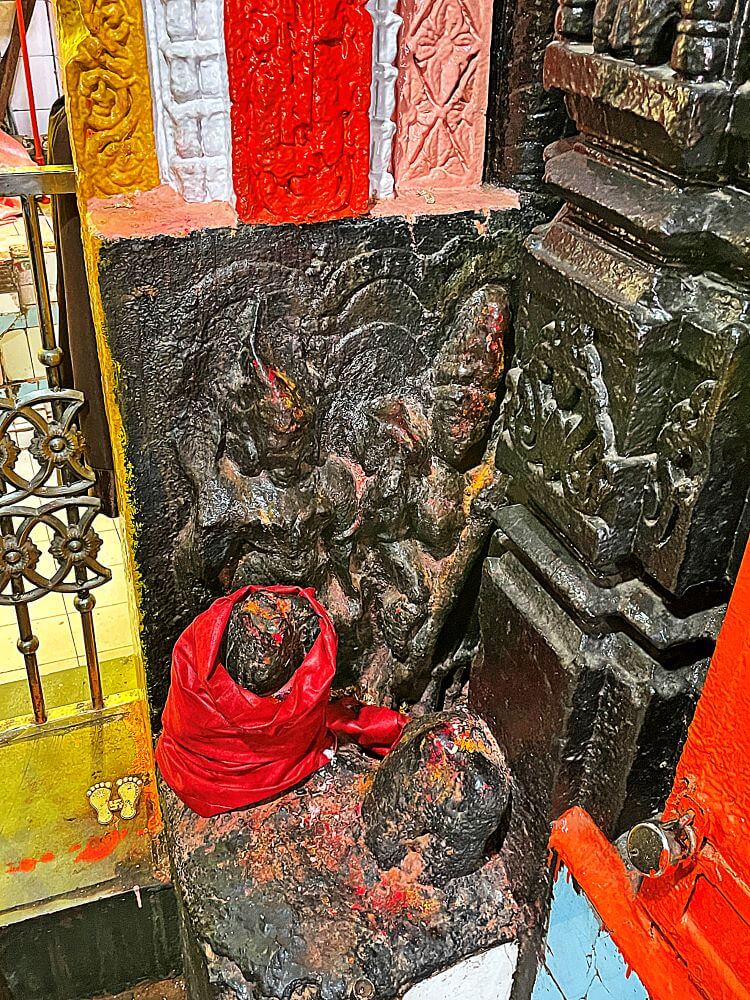
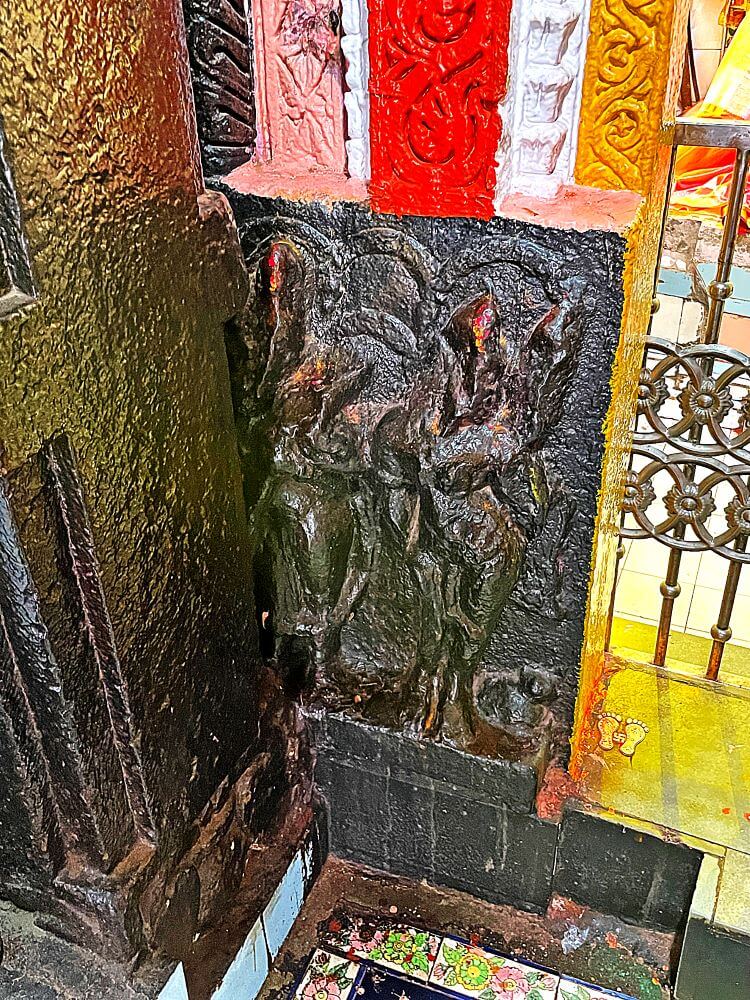
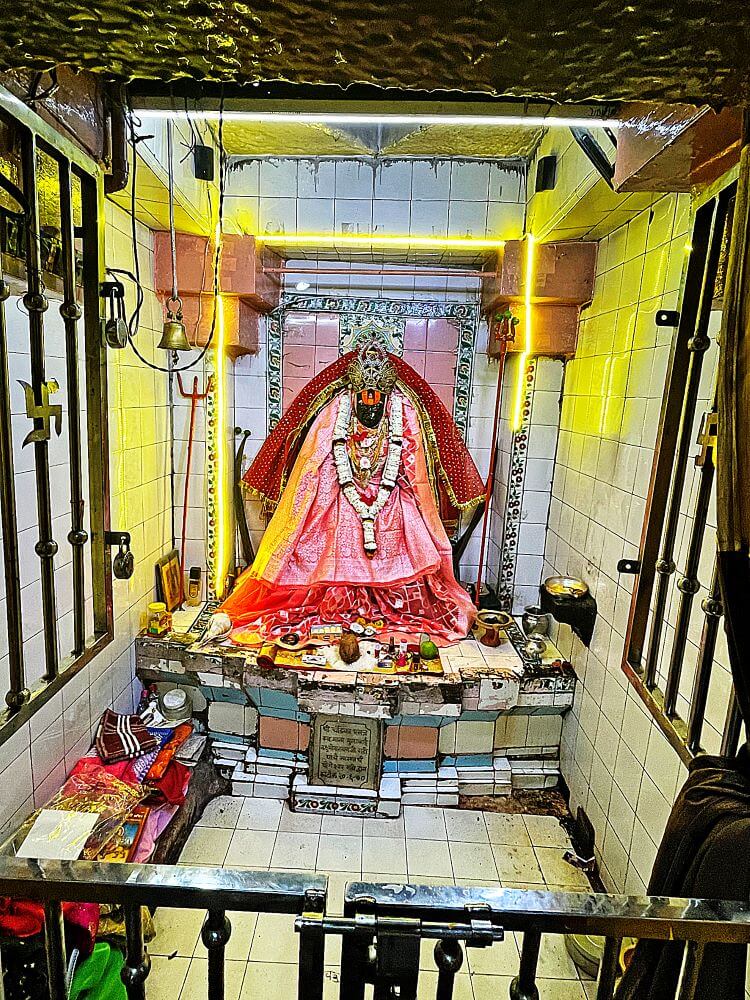
The doorway of the sanctum sanctorum (garbhagriha) features intricate carvings, with an image of Lord Ganesha on the lintel (lalatabimba) and carved idols of deities on both sides. The presiding deity of Katol city, Goddess Chandika, is enshrined in the sanctum sanctorum. The idol depicts the Goddess with weapons in all four hands, shown slaying a demon at her feet. This idol, approximately three and a half feet in height, appears truly unique. This festival is counted among the major Navratri celebrations in Vidarbha. Thousands of devotees from Nagpur and across Vidarbha come to seek the blessings of the Goddess during this time. A grand fair is held here for the nine days of Navratri.
This sacred temple stands as a testament to deep spiritual devotion, ancient architectural grandeur, and rich local cultural traditions.
The sanctum sanctorum houses the divine idol consecrated according to ancient Vedic traditions, surrounded by serene courtyards and traditional temple architecture.
Navratri, Maha Shivratri, Annual Temple Jatra & Deepotsav
Compare and book flights, secure top-rated local hotels near the temple, hire reliable guides, and rent cars instantly.
Extend your pilgrimage by visiting other highly sacred temples located nearby.


Add ₹999 more to unlock FREE SHIPPING!
Your sacred cart is currently empty.
Shop Photo FramesFill in your delivery details below to place your order.
Add comment