
Add ₹999 more to unlock FREE SHIPPING!
Your sacred cart is currently empty.
Shop Photo FramesGuru Tegh Bahadur Nagar, commonly known as GTB Nagar, located in the Sion-Koliwada area of Mumbai, is often referred to as ‘Little Punjab’. In this GTB Nagar, the Geeta Bhawan Hari Mandir is a well-known place of worship. After the partition of India, Hindu refugees settled here, and this temple attained a significant place in their religious and cultural life. The temple was established by the ‘Sanatan Dharma Sabha’ organization. As an integral part of the history of GTB Nagar, this temple is dedicated to Vaishnava, Shaiva, and Shakta deities. Festivals like Ram Navami, Janmashtami, and Navratri are considered the most important celebrations here.
The history of this temple is intertwined with the partition of the country. After the partition in 1947, countless Hindu and Sikh refugees arrived in India from Pakistan. Some of these families headed towards Mumbai. Refugees from the Sindh province were primarily rehabilitated in the Ulhasnagar area near Kalyan. Specifically, Sikh and Punjabi Hindu families were accommodated in the Sion-Koliwada area. Initially, the government of that time provided temporary housing for these displaced people in the old military barracks of the area. This place was referred to as the Military Camp or Koliwada Camp. Over time, rehabilitation colonies were established here. Later, this area was named after the ninth Guru of the Sikhs, Guru Tegh Bahadur.
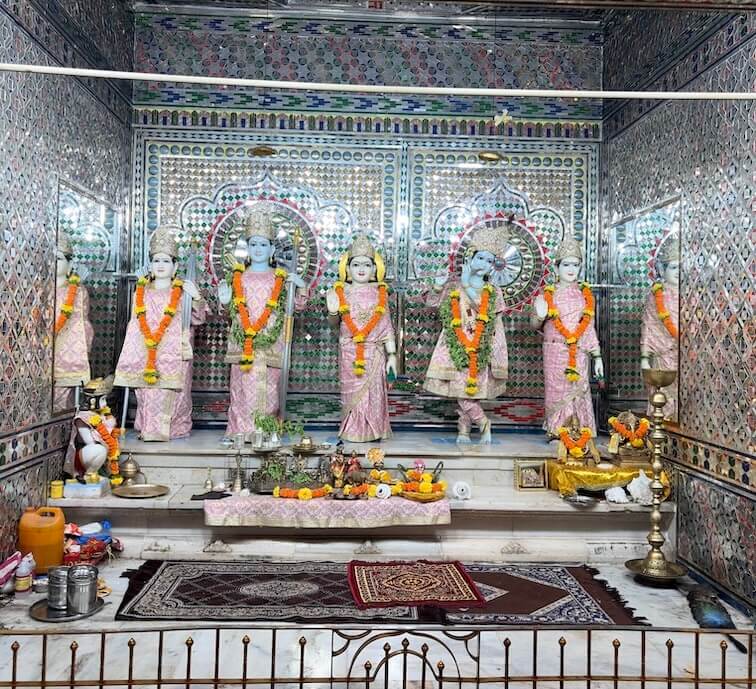
While struggling to build a new life in this new land, the community felt the need for religious and cultural support. Consequently, some refugee families gathered the deity idols they had managed to save and bring with them. They built a simple place of worship and consecrated these idols on April 13, 1950. Around the same time, some prominent citizens took the initiative to establish the ‘Sanatan Dharma Sabha’. Later, in 1953, the Government of India made land available for the temple. Funds for the temple were collected from the refugees. Many contributed not only financially but also through physical labor. Through this, the temple structure was expanded. Subsequently, in 1980, the ‘Sanatan Dharma Sabha’ installed beautiful marble idols of Shri Ram, Lakshman, Sita, Hanuman, Radha-Krishna, and Shankar-Parvati in the temple. Twenty years later, in 2000, after a renovation, the Hari Mandir attained its current grand form.
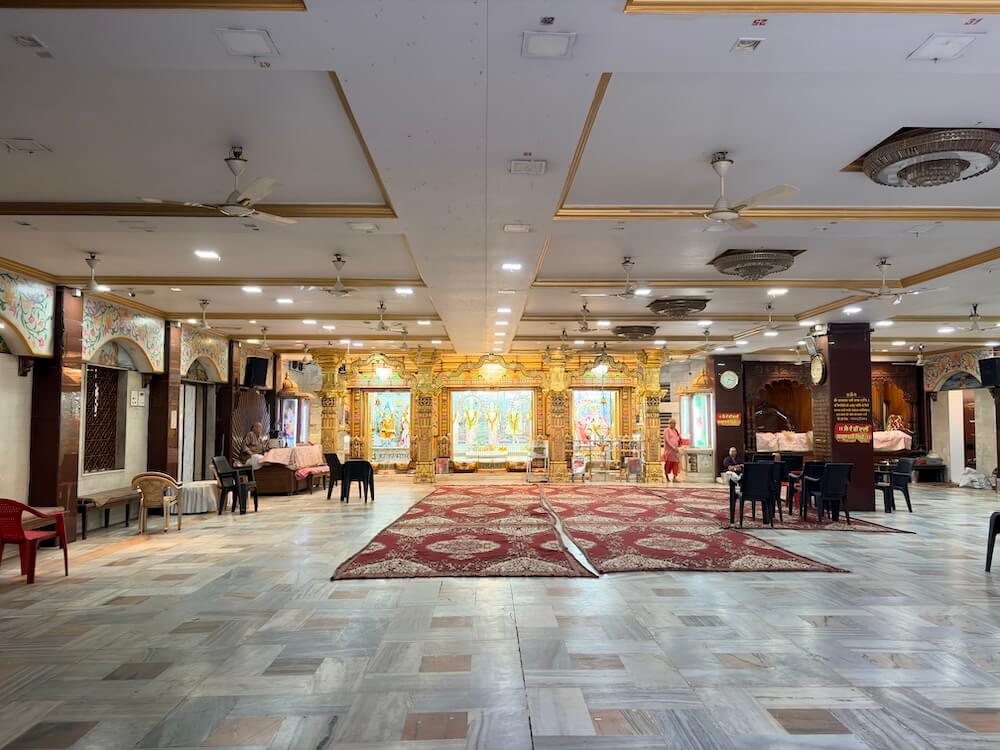
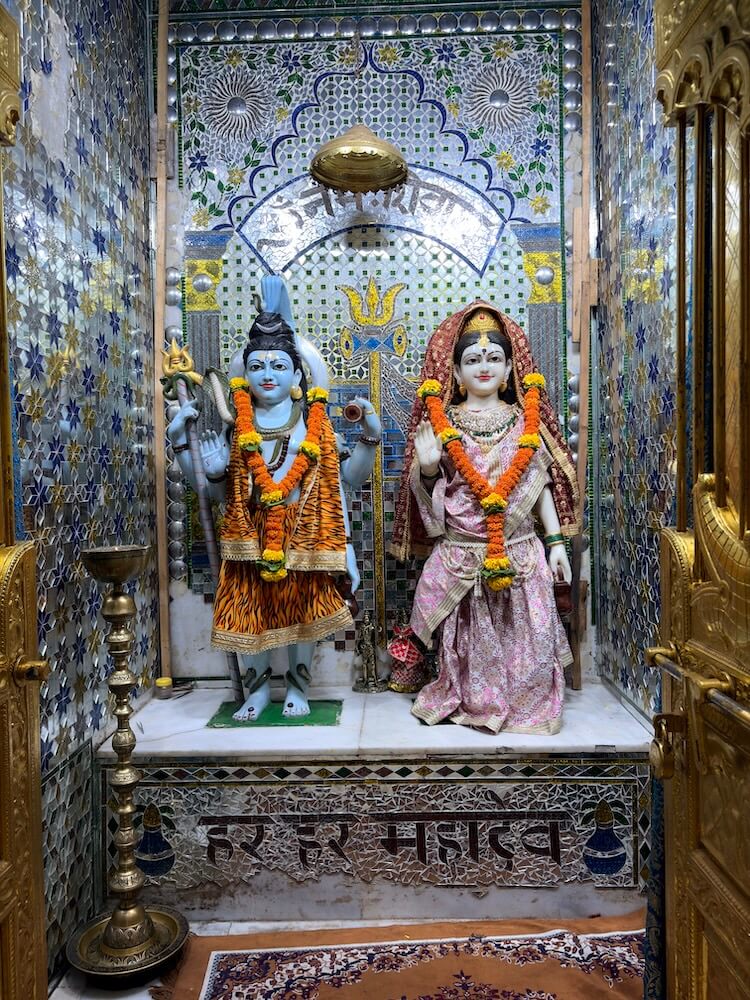
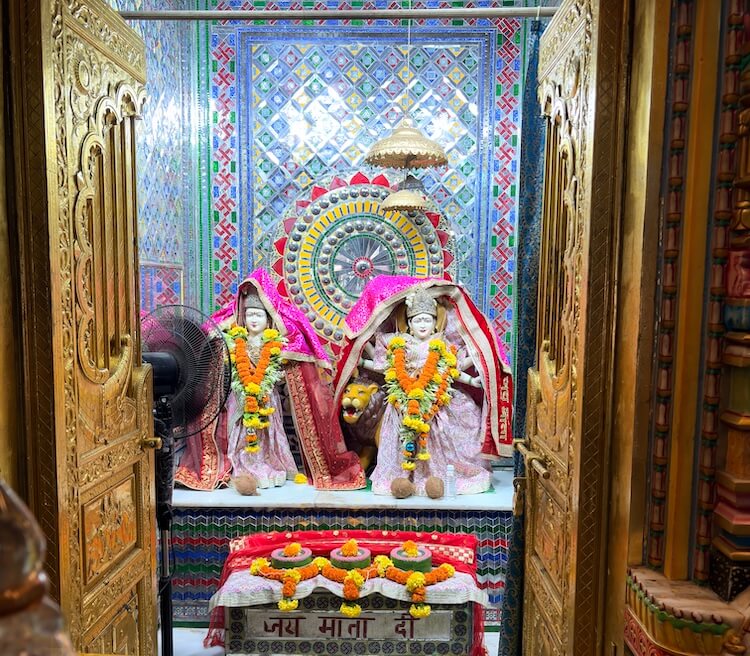
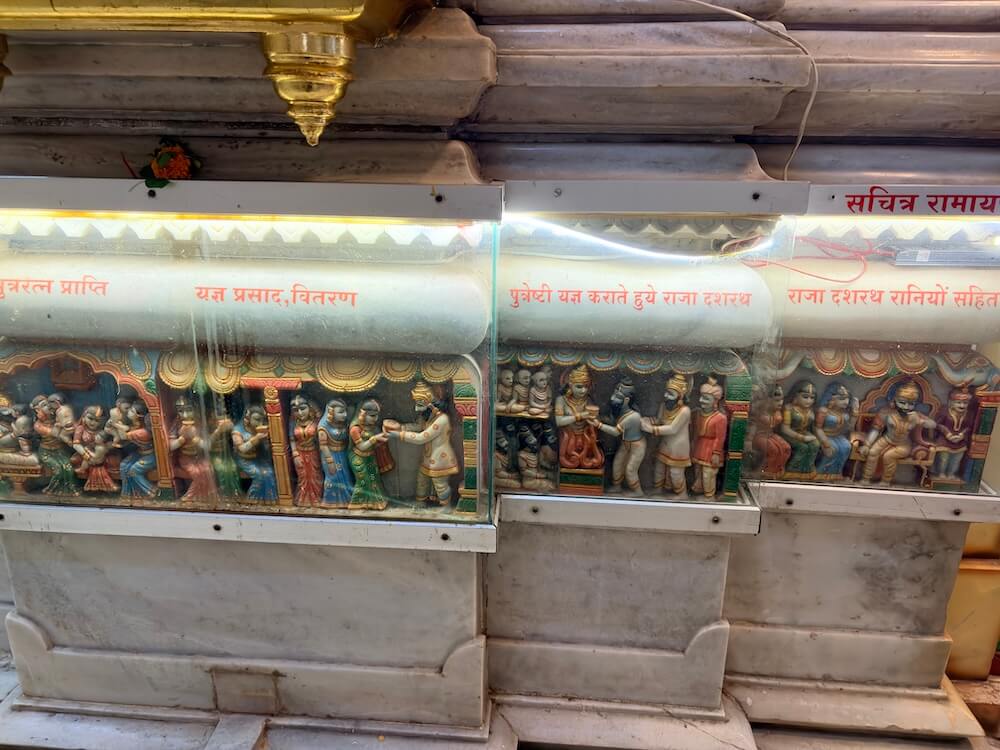
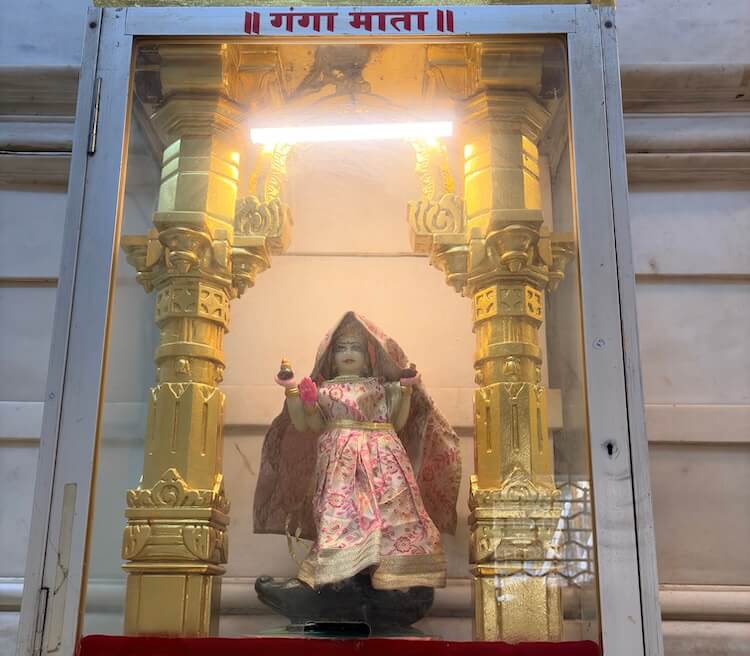
The temple is housed in a grand three-story building. It consists of a main hall (Sabhamandap) and the sanctum sanctorum (Garbhagriha) for various deities. The Sabhamandap has a wide, three-arched entrance. The pillars here feature intricate carvings. At the top of these pillars are sculptures of divine attendants and Makartorans (archways). The Sabhamandap is very spacious and features marble flooring. A large, ornate carpet is spread in the center. On one side, there is a platform for Kirtans and discourses. Directly in front of the Sabhamandap are three sanctum sanctorums—one main and two auxiliary. In front of these sanctums are pillars adorned with Makartorans, creating a sense of depth. In the marble niches here, marble idols of Hanuman and Ganesha are enshrined. There is a circumambulation path (Pradakshina Marg) around the sanctums from the Sabhamandap. The frames of these sanctums are decorated with glass mosaic work, and their door frames are also adorned with intricate carvings. These door frames feature beautiful sculptures of gatekeepers and attendants. Above the lintels are crescent moon stones and Kirtimukhas. In the central main sanctum, marble idols of Shri Ram, Lakshman, Sita, and Radha-Krishna are enshrined on a high marble altar. All these idols are adorned with clothes and ornaments. In front of the Shri Ram idol, an idol of Hanuman is also placed. In front of the Radha-Krishna idols, brass idols of Ganesha and Saraswati are installed. In the sanctum to the left of the main one, idols of Shankar and Parvati are enshrined. In the sanctum to the right, idols of the eight-armed Durga Mata riding a lion and Santoshi Mata are installed. In front of this sanctum, an Akhand Jyot (eternal flame), established on September 23, 2006, remains lit. This flame was brought from the ‘Vaishno Mata’ temple in Jammu. The outer walls of this sanctum, built in marble stone, feature beautiful sculptures depicting various episodes from the Ramayana. This frieze is considered a special attraction of the temple. Similarly, in the niches on these outer walls, marble idols of Ganga, Yamuna, Saraswati, Gayatri, and Bharat Mata are placed.
The daily worship rituals in the temple follow the North Indian Sanatan Dharma tradition. Devotees can visit the temple for Darshan from 5:00 AM to 12:00 PM and from 4:00 PM to 9:15 PM. The number of devotees visiting the temple is higher on Tuesdays, Saturdays, and Sundays. The Mangal Aarti takes place at 5:30 AM. At 7:00 AM, the Abhishek of all deities and the main Shringar Aarti are performed. In the evening, depending on the season, the Maha Aarti is held around 6:30 PM to 7:15 PM. Local citizens participate in this Aarti in large numbers. The Shayan Aarti (night prayer) takes place at 9:00 PM.
Many major festivals are celebrated with great enthusiasm in the temple. Among them, some hold special significance. Ram Navami is considered one of the biggest festivals at the temple. On this day, special rituals, Akhand Ramnam (continuous chanting of Ram’s name), and community meals are organized. Since Radha-Krishna are enshrined in the temple, Janmashtami is also celebrated on a grand scale. Before Janmashtami, a ‘Shrimad Bhagwat Katha Saptah’ (seven-day discourse) is organized. Many families from the area participate in this Saptah. During the Navratri festival, nine days of worship of the Goddess, special rituals, and ‘Mata Ki Chowki’ programs are organized. Various Bhajan groups and artists participate in these events. A large number of devotees also visit during Hanuman Jayanti. Apart from these, many other religious festivals and celebrations like Mahashivratri, Ganeshotsav, Diwali, Holi, and Guru Purnima are regularly celebrated here.
This sacred temple stands as a testament to deep spiritual devotion, ancient architectural grandeur, and rich local cultural traditions.
The sanctum sanctorum houses the divine idol consecrated according to ancient Vedic traditions, surrounded by serene courtyards and traditional temple architecture.
Navratri, Maha Shivratri, Annual Temple Jatra & Deepotsav
Compare and book flights, secure top-rated local hotels near the temple, hire reliable guides, and rent cars instantly.
Extend your pilgrimage by visiting other highly sacred temples located nearby.
No other temples found nearby.
Add ₹999 more to unlock FREE SHIPPING!
Your sacred cart is currently empty.
Shop Photo FramesFill in your delivery details below to place your order.
Add comment