
Add ₹999 more to unlock FREE SHIPPING!
Your sacred cart is currently empty.
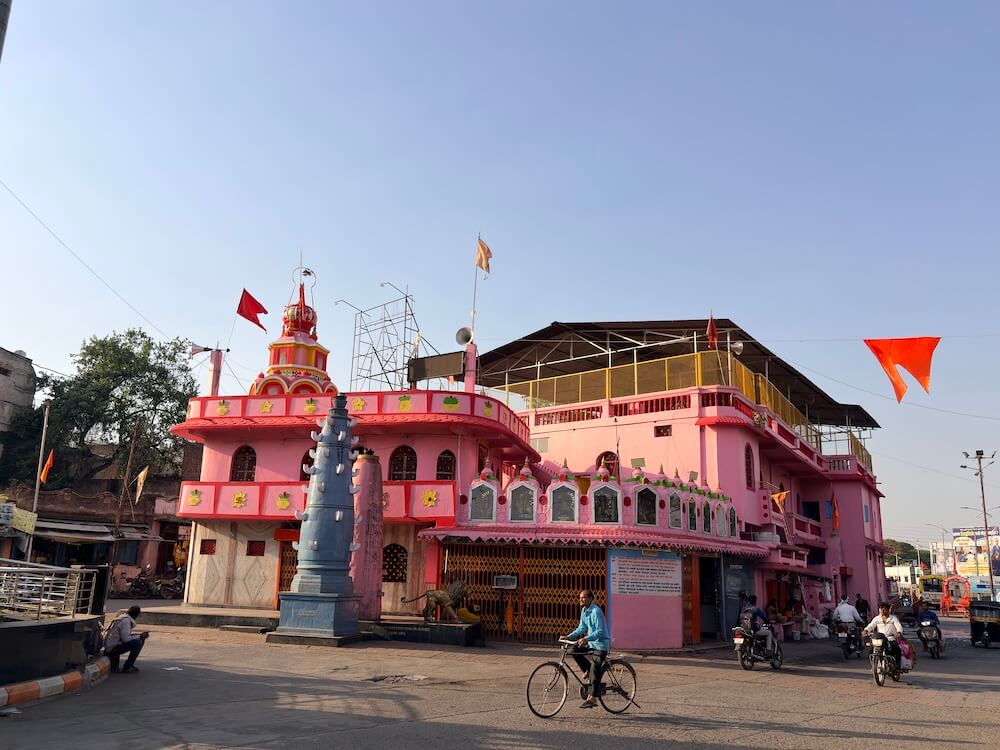
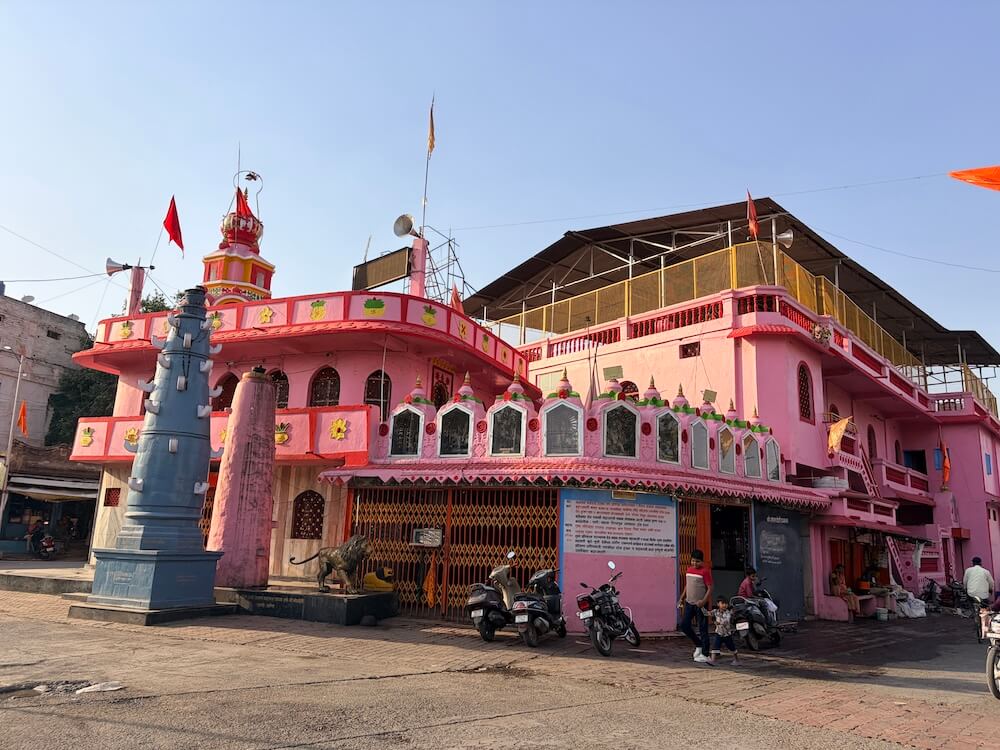
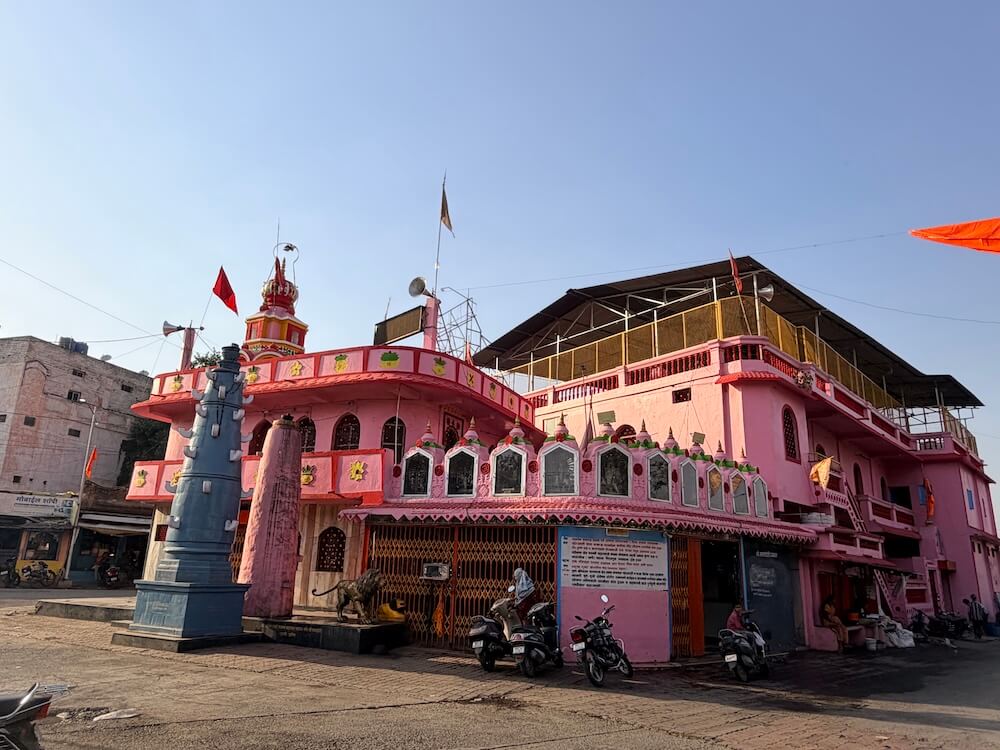
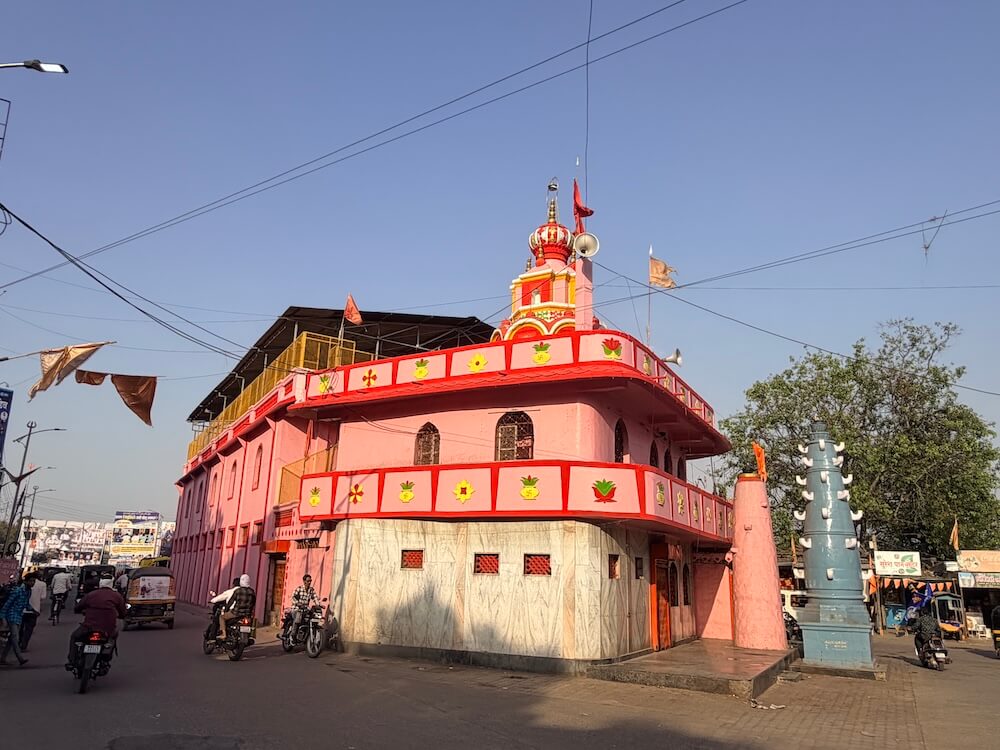
Shop Photo FramesLocated in the city of Jalna, which is part of the Marathwada region, the Manmadevi Sansthan is a major center of faith for devotees. Manmadevi is considered the presiding deity (Gramadevata) of Jalna. It is the firm belief of all that the idol of the Goddess here is self-manifested (Swayambhu), spiritually awakened (Jagrut), and grants the wishes of those who pray with devotion. It is a local belief that girls who are facing delays in marriage find their matches soon after visiting this temple and offering prayers to the Goddess. Furthermore, farmers from the surrounding areas make it a point to visit and offer the first harvest of their crops to the Goddess. Devotees speak of a unique ritual for fulfilling vows; according to this, those whose wishes have been granted bring their newborn children to the temple and lower them from the high roof or the temple spire, while people standing below catch the children safely using a cloth.
The year 1725 is considered extremely significant in the history of Jalna city. During this period, the Mastgad Fort was constructed for the protection of the city under the orders of the ruler of Hyderabad, Nizam-ul-Mulk, also known as Asaf Jah I. This famous temple of Manmadevi stands at the very foothills of this fort. This site is said to be between 150 to 200 years old. In the early period, there was no formal temple structure here. The stone idol of the Goddess was installed in an open space under a large neem tree. Later, devotees of the Goddess came together to build a simple tin roof over this site. Subsequently, the temple underwent several renovations and restorations by local devotees and the Sansthan, which gave the temple its current attractive appearance.
The legend of this temple states that in the olden days, a religious man named Bhagunath Kumbhar lived in Jalna city. He was an ardent devotee of the famous Mumbadevi of Mumbai. Once, he went to Mumbai for the darshan of Mumbadevi. There, he served the Goddess with great devotion and requested her to accompany him to Jalna. Moved by the devotee’s sincerity, the Goddess agreed to come with him to Jalna, but she placed two conditions before him. The Goddess said that she would certainly accompany him in the form of a stone idol, but he must use a donkey as the vehicle to transport her. The second condition was that during the journey, wherever the vehicle—the donkey—touched the ground, meaning wherever it sat down, she would be permanently installed there and would not move from that spot.
Bhagunath Kumbhar accepted both conditions with full faith and set out from Mumbai towards Jalna, carrying the Goddess in idol form on the donkey. After a journey of many days, Kumbhar reached the outskirts of Jalna city. The Kundalika River was flowing nearby. He felt that before entering the city, he should bathe in the river water. Therefore, he tied his donkey to a large neem tree on the riverbank and went down into the river to bathe. When he returned to the bank after his bath, he saw that the donkey had sat down on the ground. According to the Goddess’s condition, the donkey’s contact with the ground had occurred, and thus the Goddess had become installed in the stone under that neem tree. Bhagunath Kumbhar tried to move the stone idol with the help of all his men and associates, but the idol would not budge from its original spot. Realizing this to be a divine sign, he decided to build the temple on this very sacred site.
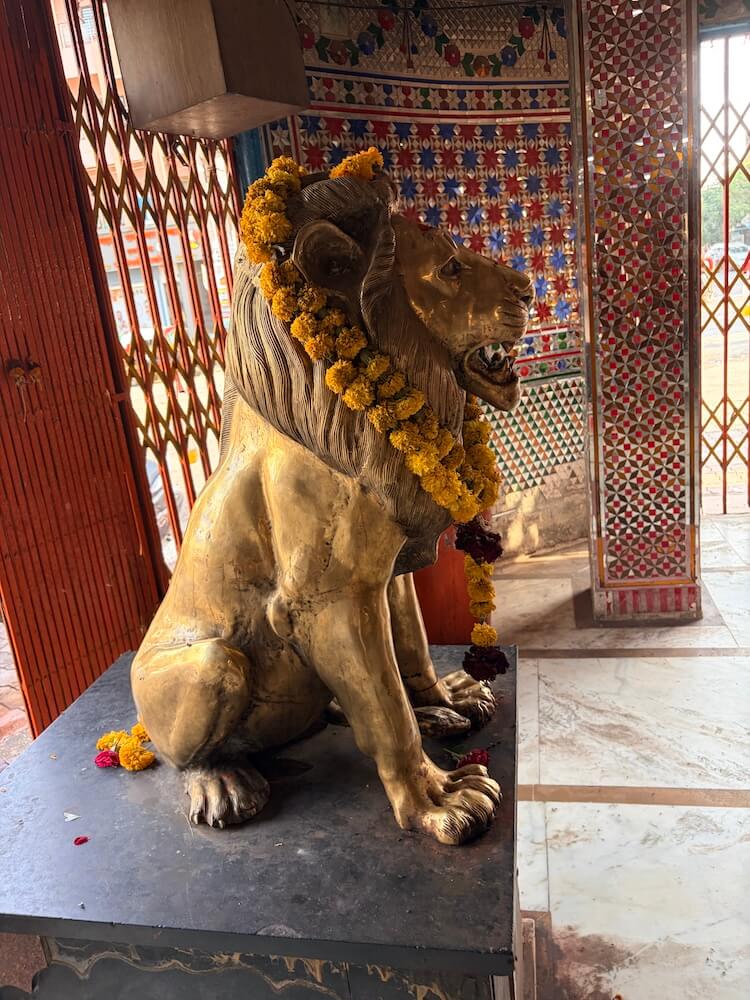
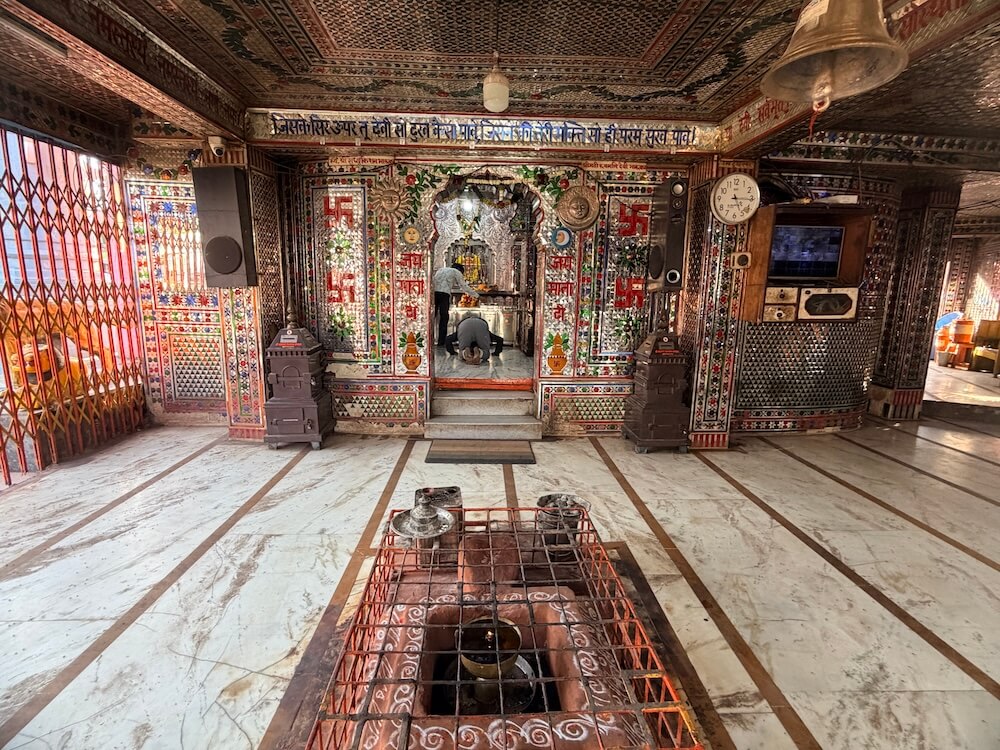
The temple architecture consists of a Sabha Mandap (assembly hall), Antaral (vestibule), and the main Garbhagriha (sanctum sanctorum). The place where the temple is located is now known as Manmadevi Chowk. The temple stands right along the main road. In front of the temple, on a raised platform, there are two lamp towers (Deepmalas). One of these was built in the year 2020. Right next to this new lamp tower stands the other ancient one. One enters the Sabha Mandap through the main entrance. The inner walls, pillars, and ceiling of this enclosed hall feature very intricate and beautiful glass mirror work (Minakari). In the Sabha Mandap, directly opposite the main entrance, a sculpture of a lion is carved on a platform. Next to it, there is a Yajna Kund on the floor.
In the inner part of this Sabha Mandap, on the right side, there is the temple office and a separate area for the distribution of Prasad. The windows in the walls of this enclosed hall are fitted with iron bars. Many devotees who make vows to the Goddess tie their coconuts, wrapped in cloth, to these window bars with devotion and untie them once their vows are fulfilled. Images of the Sun, Moon, and Swastika are carved on the front wall of the Antaral. Above the entrance of the Antaral, there is an arched gateway (Mahirap Toran). Like the Sabha Mandap, the walls and pillars of the Antaral are also adorned with glass Minakari work. In the Antaral, the front wall of the main Garbhagriha and the ceiling are covered with ornate silver sheets. This ceiling features delicate floral patterns and a Shri Yantra in the center. In the Antaral, directly in front of the entrance to the Garbhagriha, there is a tortoise sculpture on the floor.
On the silver panels on both sides of the Garbhagriha entrance, images of attendants are carved. Above the entrance, on the wall, there is an image of Goddess Durga mounted on a lion, and images of the Moon and Sun are placed on both the left and right sides of the Goddess. The inner walls, ceiling, and the seat of the Goddess in the Garbhagriha are covered with intricately crafted silver sheets. In the center of the Garbhagriha, the vermilion-smeared idol of Manmadevi is seated on a Vajrapitha (diamond throne) inside a silver canopy. Adorned with various garments and ornaments, the Goddess wears a silver crown on her head. There are two swords on either side of the idol. A silver umbrella (Chhatra) is hung from the ceiling of the Garbhagriha above the idol of the Goddess. In a small niche in the wall right next to this main Vajrapitha, there is another idol of the Goddess in the form of a rice-grain (Tandula).
At the Manmadevi Sansthan, numerous religious festivals are celebrated throughout the year. The Chaitra Navratrotsav is considered the most significant and grand annual festival of the Goddess. During this period, extensive religious rituals are performed within the temple. The highlights of this festival are the famous ‘Bara Gadi’ (Twelve Chariots) Yatra and the magnificent Chhabina procession. During this Yatra, thousands of devotees gather and pull twelve large wooden chariots, connected in a chain, by hand from the Jalna railway station all the way to the main Manmadevi temple. When these twelve chariots reach the vicinity of the main temple, a special, larger wooden chariot of the Goddess is attached to the front of the procession. Thereafter, all these chariots are collectively taken in a circumambulation around the temple. Thousands of devotees attend to participate in this festival and seek the blessings of Manmadevi.
Apart from the Chaitra Navratrotsav, several other traditions are observed at the temple. In the month of Ashadh, an ancient practice of offering a goat sacrifice to the Goddess is followed. This is followed by the month of Shravan, during which an Akhand Harinam Saptah is organized in the main assembly hall of the temple. Additionally, on the full moon day (Purnima) of every month, a Palkhi procession of the Goddess is carried out within the temple premises. During all these festivals and celebrations, various programs such as Homa-Havan, Jagran, traditional Gondhal, Bhajans, Kirtans, and discourses are organized at the Manmadevi temple. The temple remains open for devotees from 6:00 AM to 9:00 PM.
This sacred temple stands as a testament to deep spiritual devotion, ancient architectural grandeur, and rich local cultural traditions.
The sanctum sanctorum houses the divine idol consecrated according to ancient Vedic traditions, surrounded by serene courtyards and traditional temple architecture.
Navratri, Maha Shivratri, Annual Temple Jatra & Deepotsav
Compare and book flights, secure top-rated local hotels near the temple, hire reliable guides, and rent cars instantly.
Extend your pilgrimage by visiting other highly sacred temples located nearby.

Add ₹999 more to unlock FREE SHIPPING!
Your sacred cart is currently empty.
Shop Photo FramesFill in your delivery details below to place your order.
Add comment