
Add ₹999 more to unlock FREE SHIPPING!
Your sacred cart is currently empty.
Shop Photo FramesNestled in the lap of the Satpura mountain ranges on the border of Maharashtra and Madhya Pradesh, the village of Palshi Supo is considered a vibrant pilgrimage site sanctified by the presence of Sant Supoji Maharaj. This temple, a place of deep faith for millions of devotees from Vidarbha, Khandesh, and Marathwada, has preserved a unique tradition of ‘Bhag Mandne’ (offering) and seeking a positive ‘Kaul’ (divine guidance) for the past three hundred years. It is said that the village derives its name, Palshi Supo, from Sant Supoji Maharaj himself. The State Government has also honored this pilgrimage site by granting it ‘B’ grade status.
Precise information regarding when Supoji Maharaj arrived in this village is not available. It is said that about four hundred and fifty years ago, he arrived here while traveling through the dense forests at the foothills of the Satpura ranges, accompanied by his mother, Punamata, and sister, Padmamata. When his mother became thirsty near this village, a well of water was created by the strike of the heel of Supoji Maharaj’s horse. This sweet water well is known as Gadipi Vihir. Legend has it that Supoji Maharaj chose to reside here to eradicate the evil traditions and superstitions prevalent in the village. The temple underwent renovation a few years ago.
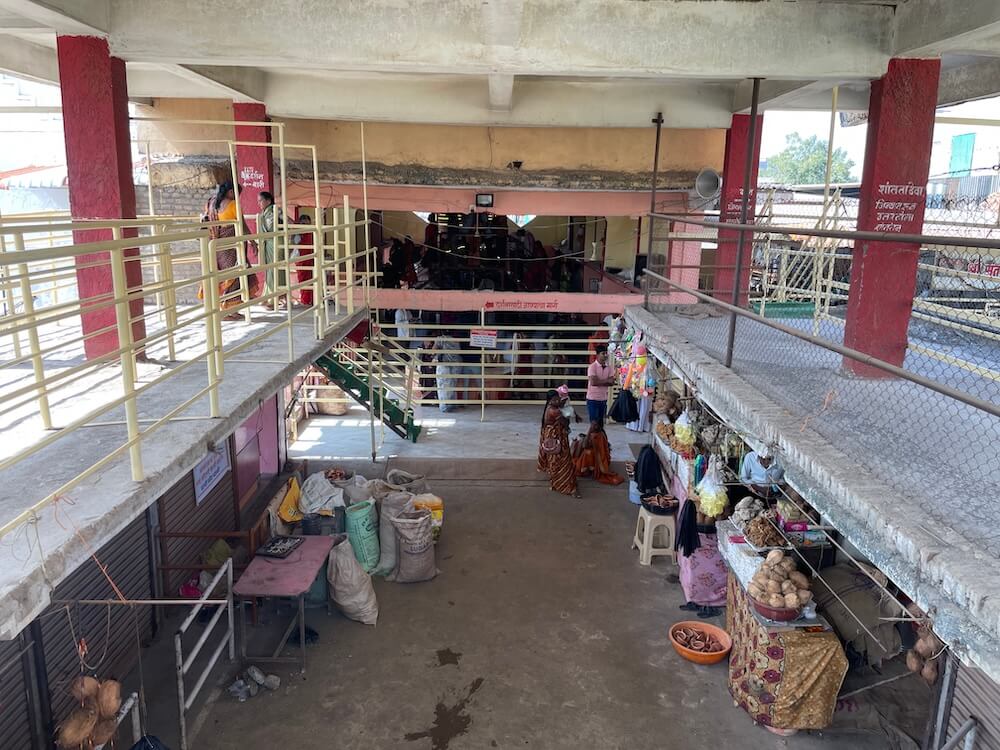
The archway of Supoji Maharaj’s temple is located six kilometers from Asalgaon market in Buldhana. The temple of Mahasiddha Maharaj is situated at Dhanora, four kilometers from here. Supoji Maharaj’s temple is at an equal distance from this archway. Vehicles can be parked in the nearby open space. There are many shops in the temple premises selling garlands, offerings, toys, and other items.
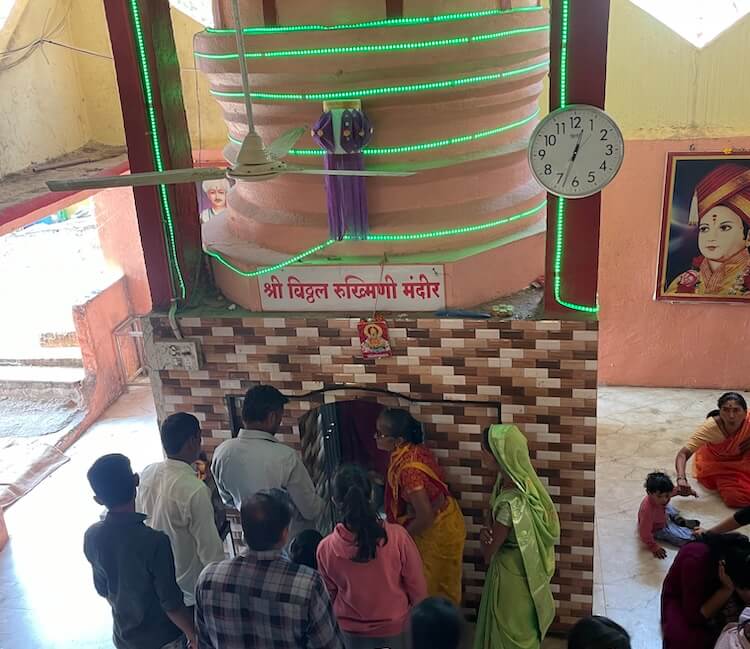
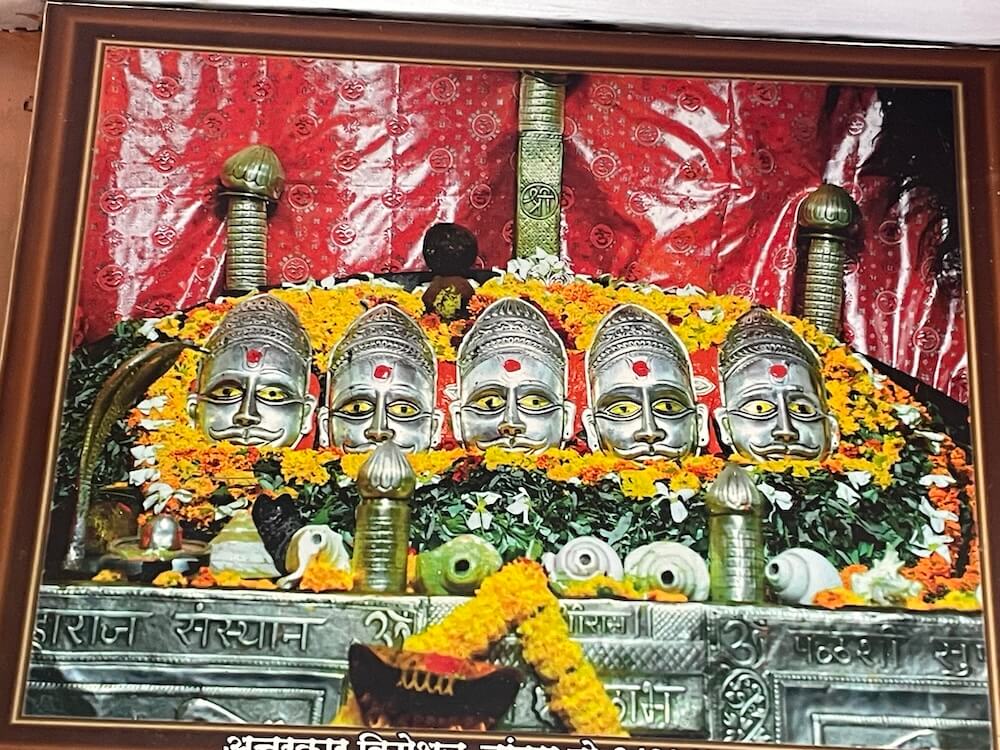
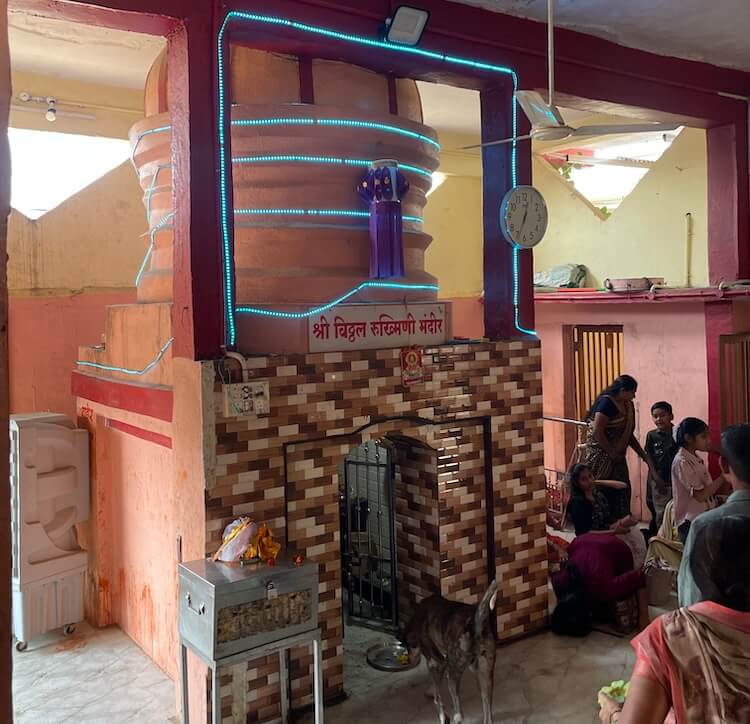
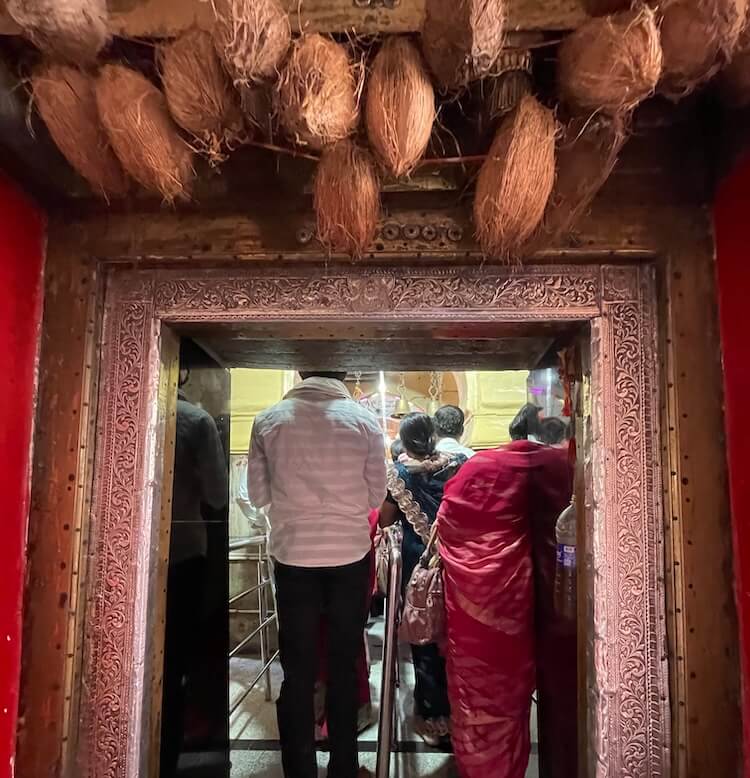
There is a spacious pavilion in front of the temple. There are two entrances each for entering and exiting the temple. Recently, a ‘Darshan Bari’ (queue complex) has also been constructed to lead directly from the temple premises to the front of the sanctum sanctorum. There is a well in the temple premises. In the open assembly hall, there is a small temple of Vitthal-Rukmini on the right side. In the temple’s assembly hall, devotees continuously play the Veena. Coconuts offered as part of vows are hung at the entrance of the sanctum sanctorum. Inside the sanctum, there are five silver masks placed on a platform decorated with flowers. In the center here is the seat of Supoji Maharaj. The silver sheet placed on this platform features beautiful craftsmanship. Swans are carved on both sides here. Below this platform is a Panchdhatu (five-metal) Nagphana (serpent hood), and nearby are small idols of Vitthal-Rukmini. A cradle is kept in the temple premises. Many couples make vows here for the blessing of children. It is a tradition to place children in this cradle after the fulfillment of their vows. The sanctum sanctorum of the temple has a large white-colored Shikhara (spire). Replicas of Shikharas are carved upon it. An Amalaka and a Kalash are seated atop it. There is a Bhakta Niwas (pilgrim guest house) in the area for the convenience of devotees. The ground floor of the Bhakta Niwas houses the temple trust office and halls built for ‘Bhandara’ (community feasts). The food for the Bhandara is prepared in the kitchen here. Every Saturday, after the Aarti, the Bhandara is distributed to the devotees.
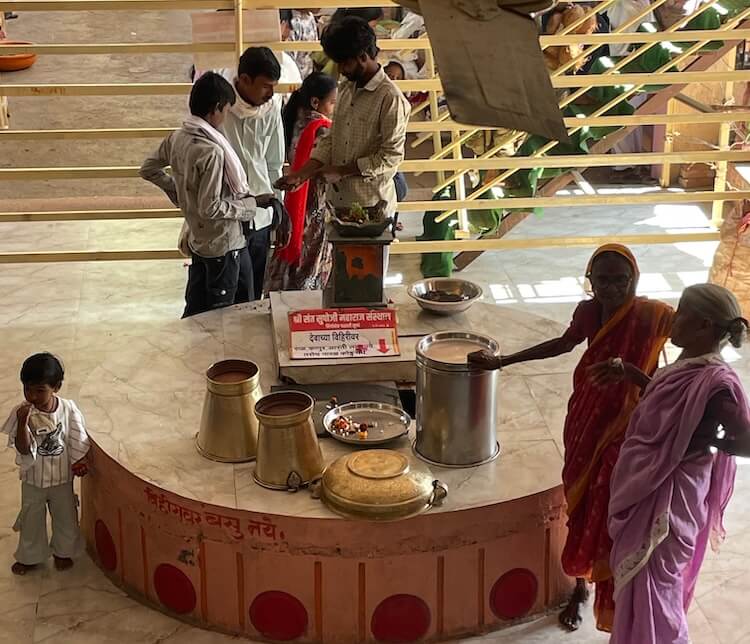
Daily worship and rituals are performed in this temple. Hundreds of devotees come here for Darshan. Sunday is considered the day of Supoji Maharaj, so the number of devotees is higher on this day. There is a tradition of ‘Bhag Mandne’ (Gudhi) before Supoji Maharaj. Devotees believe that if a ‘Kaul’ is received on the right side during this time, their wishes will be fulfilled. It is also the sentiment of the devotees that many chronic ailments are cured by the blessings of Supoji Maharaj. According to the vows made, silver cradles, eyes, serpent idols, horses, footprints, ears, and noses are offered to Supoji Maharaj. After the fulfillment of vows, devotees also organize Bhandaras here. Many devotees also take ‘Angara’ (sacred ash) from here. The Angara, along with a flower, is tied in a black cloth and given to the devotees, who then tie it on their wrists with a black thread.
‘Kutrotsav’ (Dog Festival) is held in this temple three times a year. These festivals take place on Champashasthi, Paush Purnima, and Chaitra Purnima. During this time, young men from the village aged between eighteen and thirty-five dress as dogs and dance to the rhythm of drums in front of the temple. About three quintals of Mahaprasad are placed in front of the sanctum sanctorum. Volunteers are stationed near the entrance. The men dressed as dogs try to loot the Prasad kept inside. However, the volunteers take precautions to prevent the ‘dogs’ from entering the temple by breaking the human chain until the Aarti is completed in the temple. This war-like scene continues for about an hour. Thousands of devotees come here to witness the Kutrotsav. They are given Prasad made of jaggery. After the human chain is broken, the temple Prasad is looted.
A large fair is held here every Sunday in the month of Paush. Thousands of devotees coming from Vidarbha, Khandesh, Marathwada, and Madhya Pradesh visit Supoji Maharaj and fulfill their vows during this fair. Many devotees arrive here and stay overnight from the previous day. On the occasion of this festival, a Dnyaneshwari Parayan Saptah (week-long recitation) is organized here. The ‘Kathi Utsav’ here is also famous. In this festival, a procession of the deity’s staff, decorated with colorful cloths, is taken through the village. The festival concludes when this staff arrives at the temple. Devotees whose vows have been fulfilled organize Bhandaras in the fields around the temple premises. Devotees offer Bhandaras of Varan-Bhat (lentils and rice), eggplant curry, Bhakri, and Dal-Bhatti according to their capacity. Many devotees offer ‘Rodga’ made of wheat and baked in cow dung cakes in the Bhandara. During this fair, many shops selling various types of goods are set up in the area. The ‘Bhagarichi Shev’ and ‘Darafa’ made from water chestnut flour and indigenous cow ghee available at this fair are famous. Special buses are also operated from the depots of the State Transport Corporation at Jalgaon Jamod, Muktainagar, and Nandura for the convenience of devotees coming for this fair.
This sacred temple stands as a testament to deep spiritual devotion, ancient architectural grandeur, and rich local cultural traditions.
The sanctum sanctorum houses the divine idol consecrated according to ancient Vedic traditions, surrounded by serene courtyards and traditional temple architecture.
Navratri, Maha Shivratri, Annual Temple Jatra & Deepotsav
Compare and book flights, secure top-rated local hotels near the temple, hire reliable guides, and rent cars instantly.
Extend your pilgrimage by visiting other highly sacred temples located nearby.


Add ₹999 more to unlock FREE SHIPPING!
Your sacred cart is currently empty.
Shop Photo FramesFill in your delivery details below to place your order.
Add comment