
Add ₹999 more to unlock FREE SHIPPING!
Your sacred cart is currently empty.
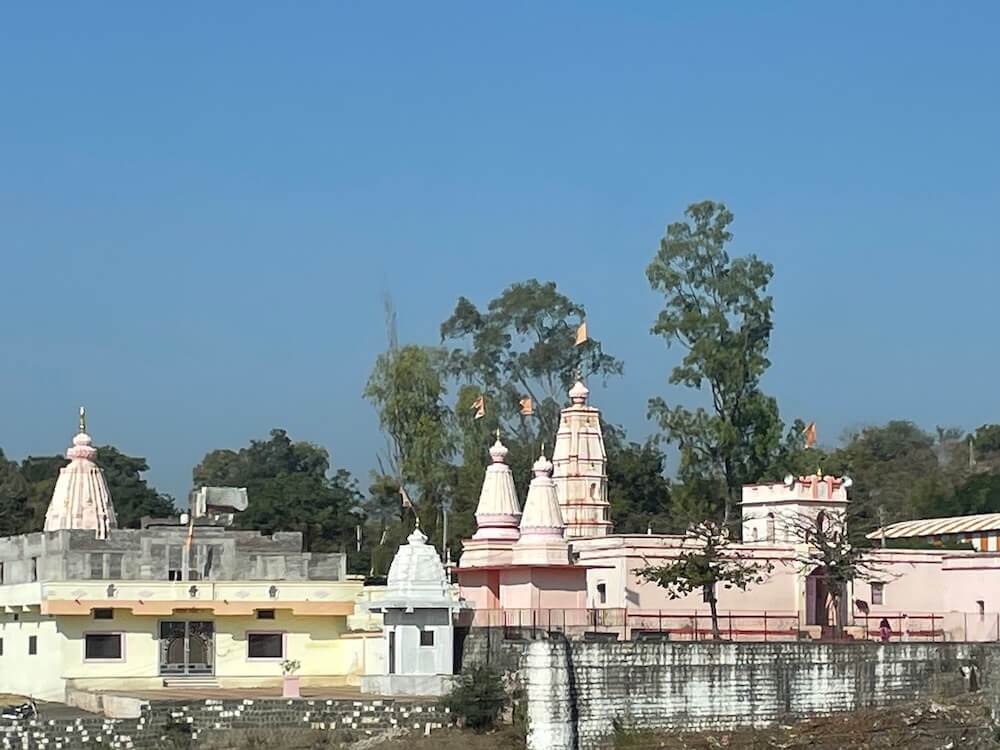
Shop Photo FramesIn the Mehkar taluka, considered a part of the Dandakaranya forest in ancient times, the Saptarishis (seven great sages) performed penance and consecrated Shiva Lingas within the mountain ranges. Among these, the Shiva Linga established by Sage Gautama is located at Gomedhar. The temple is nestled amidst lush green foliage, near the banks of a flowing river. On the third Monday of the holy month of Shravan, thousands of devotees undertake a parikrama (circumambulation) of all seven temples established by the Saptarishis in the Mehkar taluka. In this 45 km long pilgrimage route from Wadali to Vishwi, the Gautameshwar temple holds the third position. The wedding ceremony of Shiva and Parvati, celebrated during the festival of Mahashivratri in this ancient temple, is particularly famous.
Maharshi Gautama is recognized as one of the greatest ascetics in the Vedic tradition and one of the ‘Saptarishis’. A mind-born son of Lord Brahma and a descendant of Sage Angiras, Gautama was married to Ahalya, who was also a mind-born daughter of Brahma. Puranas state that Maharshi Gautama primarily resided in the Dandakaranya forest. Sage Gautama also holds an unshakable position as a great thinker. He is known as the founder of the ‘Nyaya Darshana’ (school of logic) in Indian philosophy. He also authored the text ‘Gautama Dharmasutras’. In the Ramayana, there is an episode where Lord Rama liberates Ahalya, who had turned into stone due to a curse from the sage.
According to the Shiva Purana, to attain liberation from the sin of ‘Go-hatya’ (killing of a cow), he performed rigorous penance to Lord Shiva. Pleased with his devotion, Mahadev ordered the Ganga, residing in his matted locks, to descend here. This is the Dakshin Ganga, or the ‘Godavari’ river. This holy stream not only washed away the sins of Sage Gautama but also brought salvation to the common people. Thereafter, Sage Gautama chose the Dandakaranya forest for meditation and penance. He performed his austerities in the dense forests of Gomedhar and consecrated the Shiva Linga here. In the 11th-12th century, a temple was built here in the Hemadpanti architectural style. Many ascetics resided here. Over time, the temple became dilapidated. The original temple was renovated in 1969. This temple is mentioned in the ‘Central Provinces and Berar District Gazetteers – Akola District, Volume A’. Later, in 1975, dharmashalas (pilgrim rest houses) were built here. A few years ago, the temple underwent a fresh renovation, giving the structure its current appearance.
In ancient times, Mehkar was a part of the Dandakaranya. During the Treta Yuga, Lord Rama, Mother Sita, and his brother Lakshmana passed through this Dandakaranya during their exile. Many ascetics performed penance in the valleys and gorges of this forest. The Saptarishis—Bakdalbhya, Valmiki, Vashistha, Gautama, Parashara, Durvasa, and Vishwamitra—performed penance here and consecrated Shiva Lingas. Sage Bakdalbhya at Delap, Valmiki at Varwand, Vashistha at Wadali, Gautama at Gomedhar, Parashara at Pathardi, Durvasa at Durgbori, and Vishwamitra at Vishwi established Shiva Lingas after performing penance. These temples hold immense significance among the devotees of the district. It is a belief in Hinduism that worshipping Lord Shiva during the month of Shravan brings happiness and prosperity. Therefore, on the third Monday of Shravan, thousands of devotees from the district perform the parikrama of all seven temples. This tradition has been continuing uninterrupted for many years.
On the third Sunday night of Shravan, pilgrims gather at the Shiva temple in Wadali. Around midnight, after bathing under the Gomukh there and performing Jalabhishek (water offering) to Mahadev, the parikrama begins with wet clothes. The pilgrimage concludes after having darshan of the Shiva Linga at the temple in Vishwi. This parikrama must be completed before sunrise on Monday. At all seven locations, streams of water flow from Gomukhs. Devotees believe that bathing under these streams grants the merit of an Abhyang-snan (ritual bath).
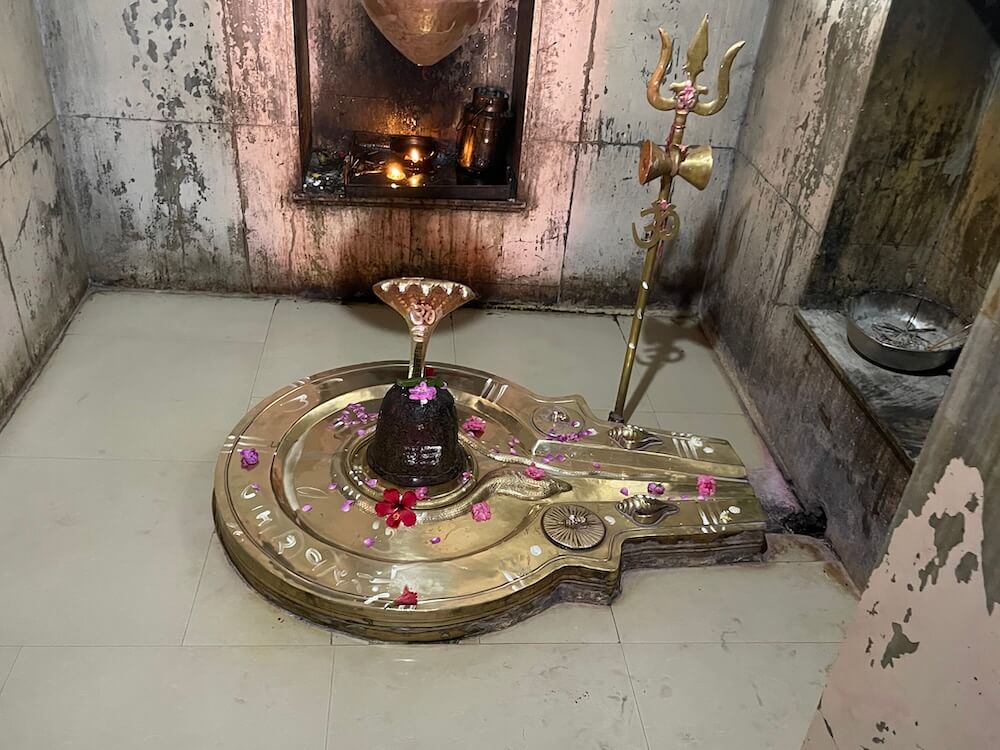
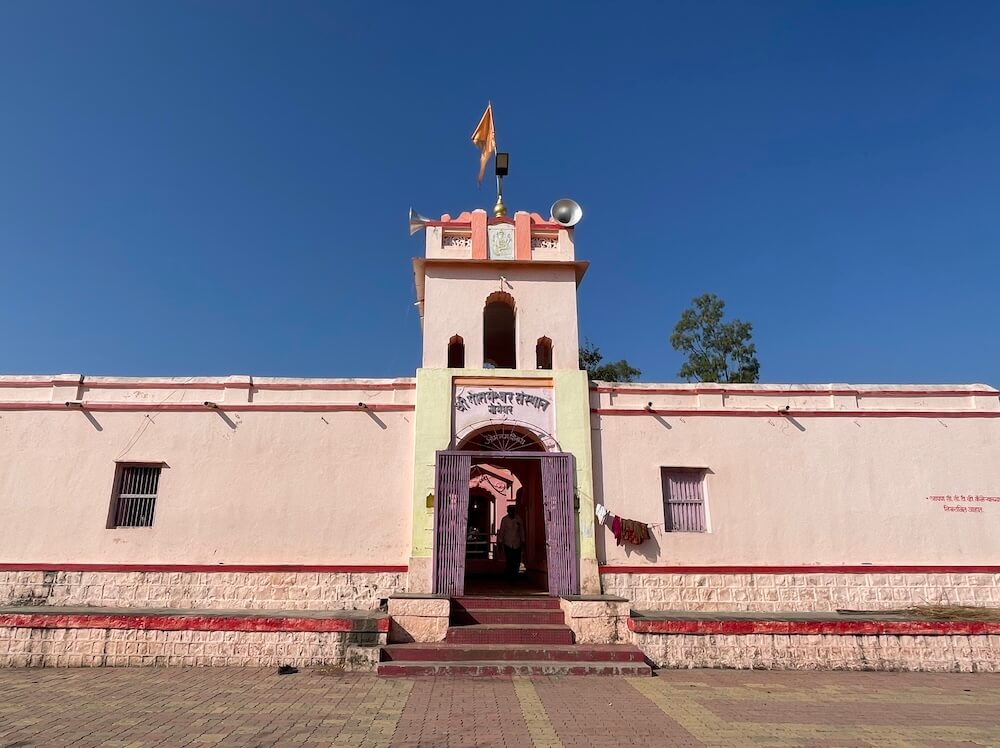
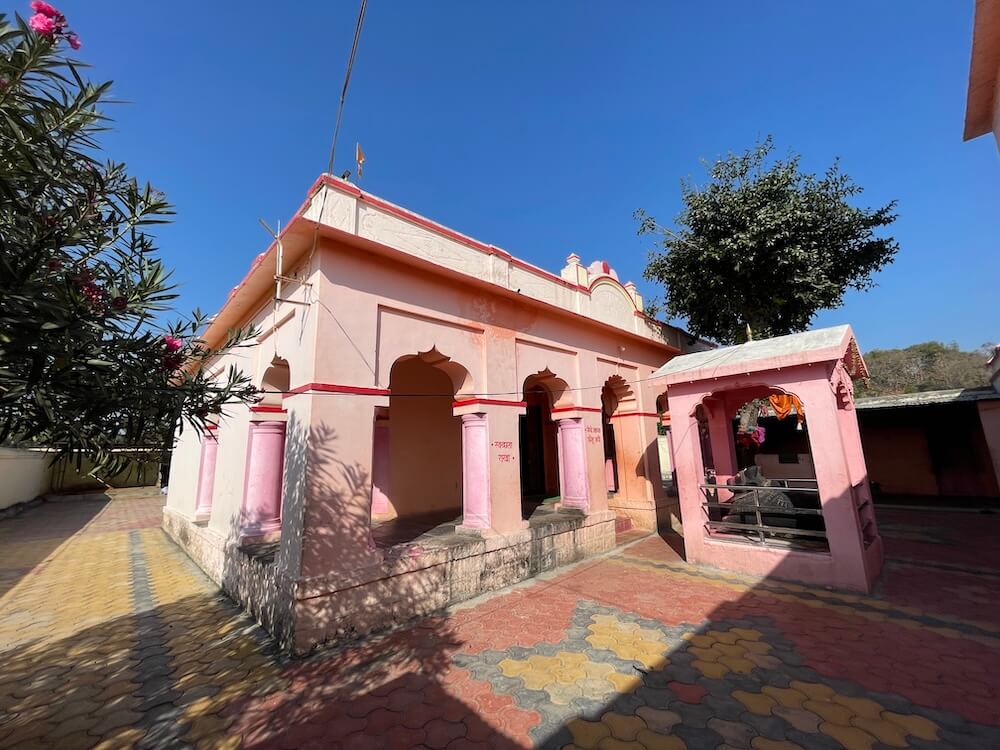
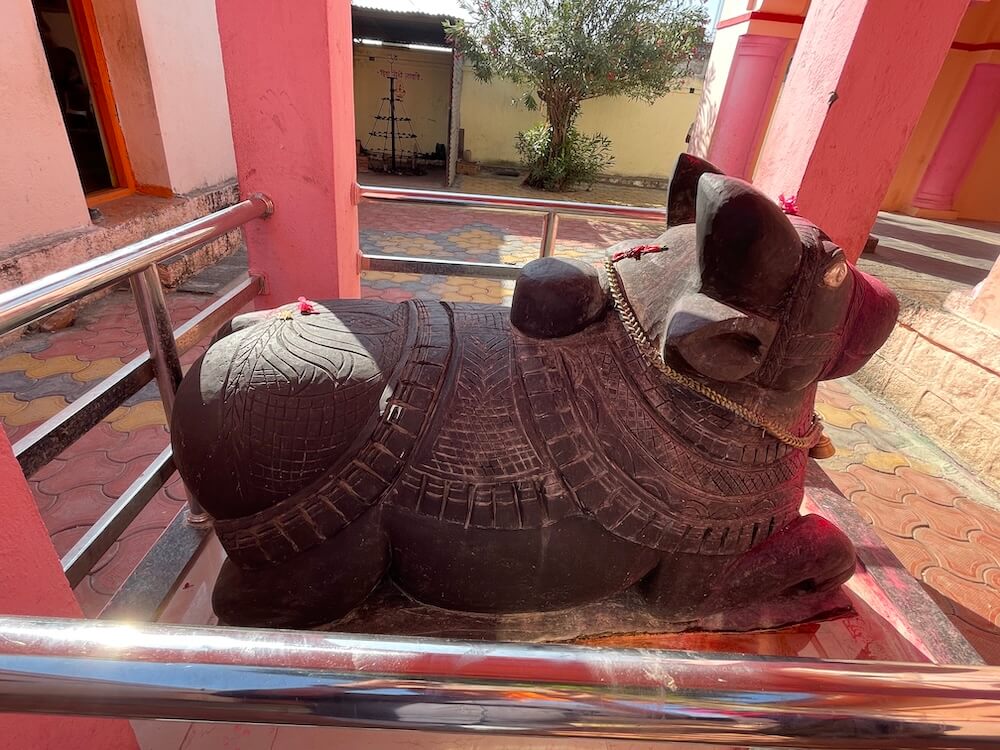
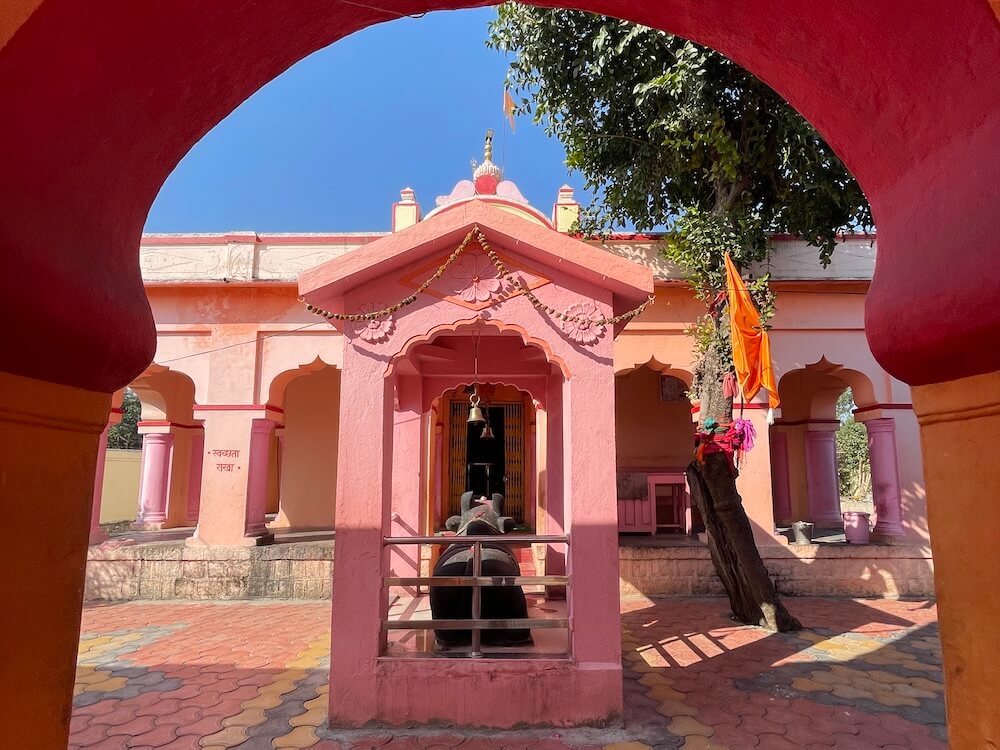
The temple is located a short distance from the village archway. A river flows alongside the temple. In front of the temple is a large courtyard paved with paver blocks. There is a stone lamp pillar (Deepstambh) in the courtyard. One enters the inner courtyard of the temple through a two-story gateway in the surrounding wall. In the Nandi Mandap within the courtyard, there is a Nandi idol carved from a single piece of black stone. The temple structure consists of a porch-like semi-open mandap, a sabha mandap (assembly hall), and a garbhagriha (sanctum sanctorum). There is an idol of Lord Ganesha on the lintel of the sabha mandap entrance. Stainless steel railings have been installed in the sabha mandap to manage the queues of devotees. In the garbhagriha, a Shiva Linga carved from elliptical stone is placed in a large Shalunka. A Panchadhatu (five-metal) plate is mounted on this stone Shalunka, featuring carvings of a serpent, the masks of Shiva-Parvati, and a conch shell. During festivals, a Panchamukhi (five-faced) mask of Lord Shiva is placed on this Shiva Linga. Outside the temple, in the courtyard, a sacred fire (Dhuni) burns continuously. There are samadhis (memorials) of some priests who served here in the past. In a small temple just a few steps away, there is an idol of Ganesha and a Shiva Linga. In the courtyard facing the temple entrance are the samadhis of Lakshmanpuri Maharaj and Shivpuri Maharaj, who served here.
There is a stone stairway leading to the Gomukh Kund located behind the temple. There are dharmashalas along this path. Many Dindis (pilgrim groups) heading to the Gajanan Maharaj Temple in Shegaon stay here. The temple trust has also built a kitchen for devotees. Upon descending the stairs, one reaches the Gomukh Kund. A stream of water flows continuously from the Gomukh here. A short distance away, after crossing the riverbed, there is another Gomukh Kund. Devotees bathe in this kund as well.
Mahashivratri is the main festival here. Various religious programs are organized on this occasion. The Shiva-Parvati wedding ceremony takes place at night in the presence of many devotees. Many devotees who witness this ceremony stay here with their families for the night. Many devotees also offer the first harvest of wheat from their fields to the Mahadev here. The next day, a Mahaprasad of wheat puri and eggplant curry is served to about 50 quintals of devotees. Many programs are also held here on the occasion of the death anniversary of Lakshmanpuri Maharaj and Guru Purnima. During the Sharadiya Navratri festival, a Homa-Havan is performed on the ninth day. During the summer holidays, Bal Sanskar (children’s values) camps are also organized here.
This sacred temple stands as a testament to deep spiritual devotion, ancient architectural grandeur, and rich local cultural traditions.
The sanctum sanctorum houses the divine idol consecrated according to ancient Vedic traditions, surrounded by serene courtyards and traditional temple architecture.
Navratri, Maha Shivratri, Annual Temple Jatra & Deepotsav
Compare and book flights, secure top-rated local hotels near the temple, hire reliable guides, and rent cars instantly.
Extend your pilgrimage by visiting other highly sacred temples located nearby.


Add ₹999 more to unlock FREE SHIPPING!
Your sacred cart is currently empty.
Shop Photo FramesFill in your delivery details below to place your order.
Add comment