
Add ₹999 more to unlock FREE SHIPPING!
Your sacred cart is currently empty.
Shop Photo FramesThe rule of the Chalukya dynasty lasted in India for nearly six hundred years. During this period, along with social and economic reforms, they developed temple architecture. The temples built by them are in a good state of preservation even today. Among the famous temples built by the Chalukyas are the Virupaksha Temple at Pattadakal, the Lad Khan Temple at Aihole, the Rameshwar at Ellora, the Kedareshwar at Dharmapuri, Aundha Nagnath in Hingoli district, and the Kankaleshwar Temple, amongst others. A famous temple of the Chalukyan era belonging to this very tradition is located at Omerga. This sculpted temple, featuring three sanctums (garbhagrihas) and three principal deities, is considered unique.
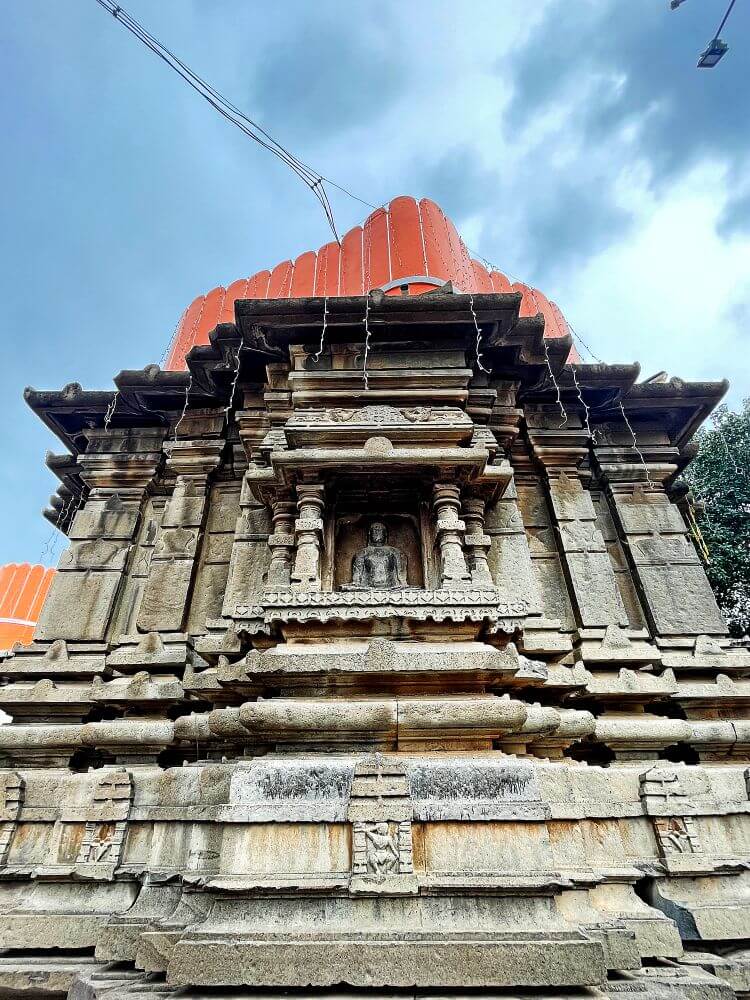
Scholars believe that this temple was built during the reign of the Chalukya Emperor Pulakeshin II. It represents a unique attempt to reconcile the conflicts between Shaivism and Vaishnavism. It is said that the architectural design of this temple was an effort to demonstrate that the Trigunatmak Trinity is fundamentally one. The sculpture in this star-shaped temple, the sculptures of the Ashta Dikpala (guardians of the eight directions) in the assembly hall (sabhamandapa), and the unique arrangement of the three vestibules (antaralas) and sanctums are remarkable.
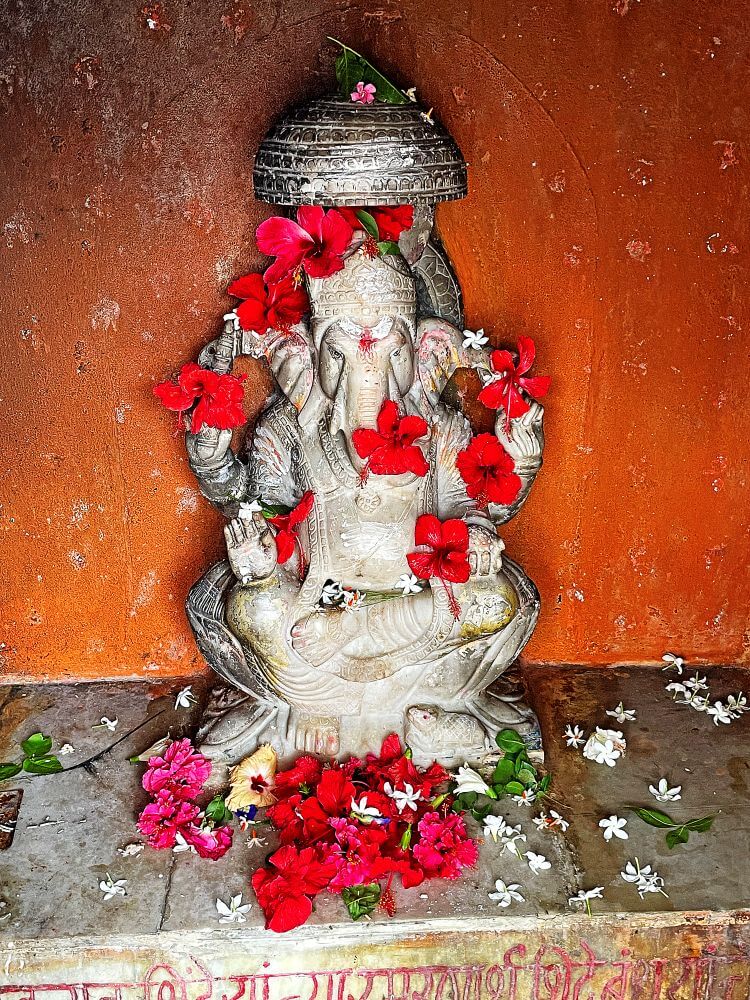
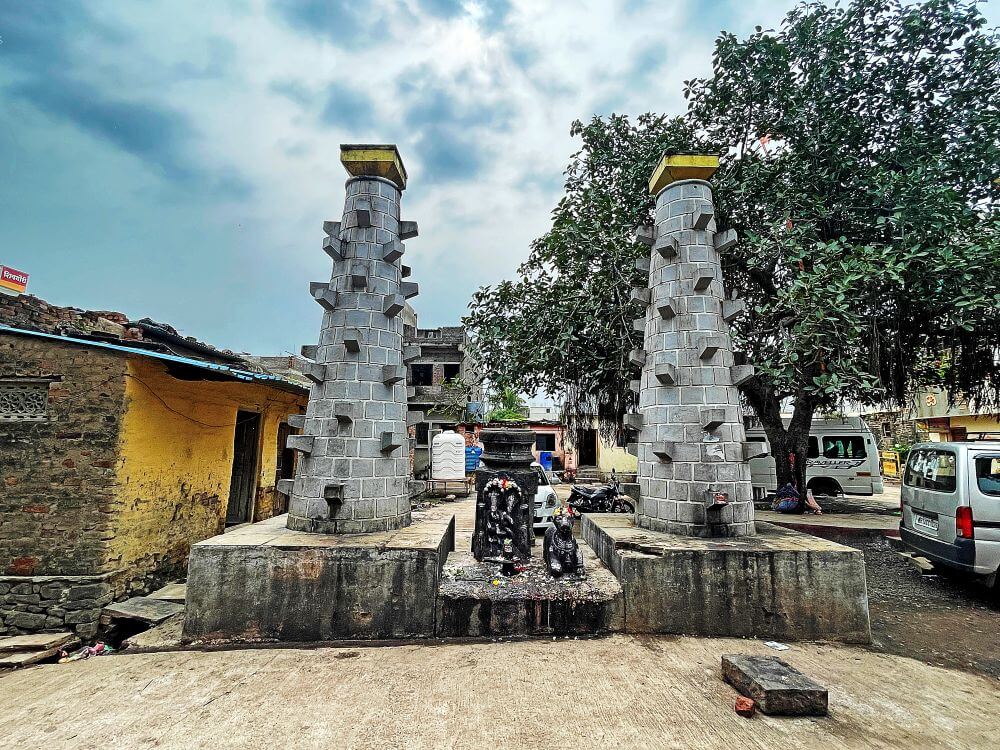
In the courtyard of this temple, situated in the central part of Omerga city, there are two raised platforms featuring circular lamp towers (deepamalas). On the platform between the two lamp towers, there is a sculpture of intertwined serpents (Naga Yugula), Nandi, and a Shiva Linga. The courtyard has shady trees and seating arrangements for devotees. Adjacent to the temple, on both sides of the entrance porch (mukhamandapa), there are two small shrines; the one on the left houses the idol of Lord Ganesha and the one on the right houses the idol of the Goddess. This Mahadeva temple stands on a raised platform (jagati) about four feet high. The structure of the temple comprises a mukhamandapa, a sabhamandapa, antaralas, and garbhagrihas. There are six steps to go from the mukhamandapa into the sabhamandapa. On both sides of these steps, there are protective balustrades in the form of stone platforms adorned with sculptures on either side of the stairway.
On both sides of the entrance to the mukhamandapa are two ornate pillars, above which lies a semi-circular stone slab, featuring the central deity emblem (lalatbimba) and sculptures carved on the lintel band (lalatpatti). This architectural feature in the mukhamandapa is rare and unique. The mukhamandapa has stone bench seats (kakshasanas) on both sides. Further ahead is the five-fold entrance (pancha-shakha praveshdwara) of the sabhamandapa, which includes the lion band (simhashakha), elephant band (gajashakha), parrot band (shukashakha), horse band (ashvashakha), and floral band (pushpashakha). The lalatbimba features the image of Goddess Gajalakshmi, and the architrave above it bears a makara-torana (decorative arch).
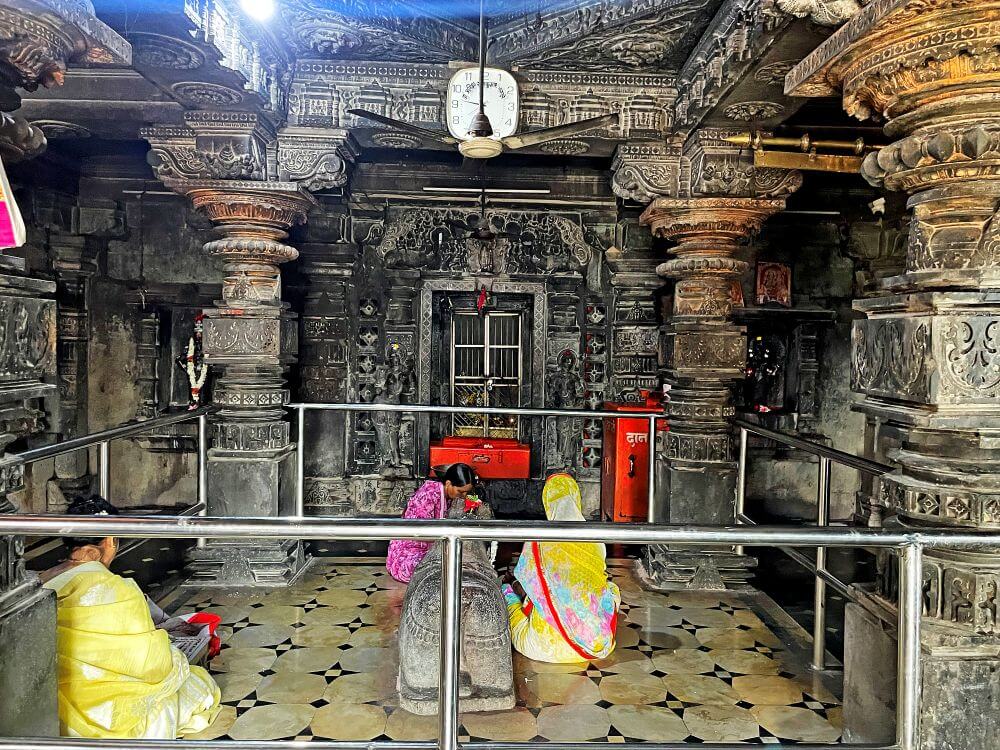
The enclosed sabhamandapa contains four rows of four ornate pillars each. These pillars, along with their brackets and beams, are exquisitely carved. In the space between the front four pillars of the sabhamandapa is the central ritual floor slab (rangashila). Here, on a raised platform, sits a black stone idol of Nandi. The ceiling features Ashta Dikpala sculptures. Kirtimukhas and Sapta Matrika sculptures are carved on the pillars and beams. The sabhamandapa also features sculptures of Shiva Tandava. The wall niches (devakoshthakas) of the sabhamandapa contain idols of various deities.
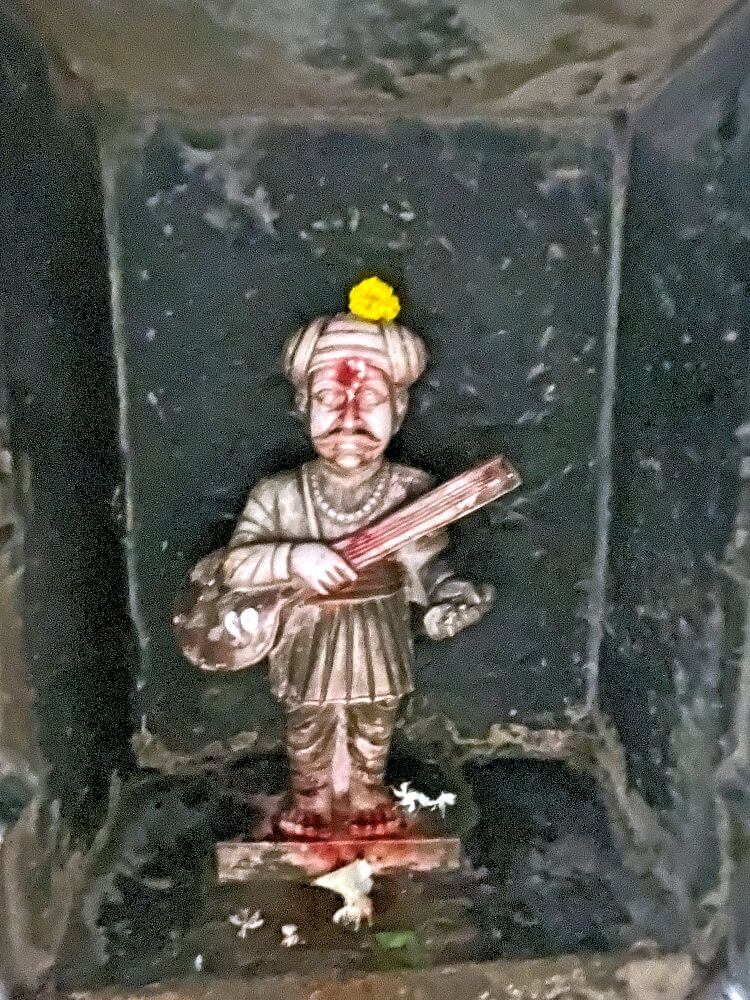
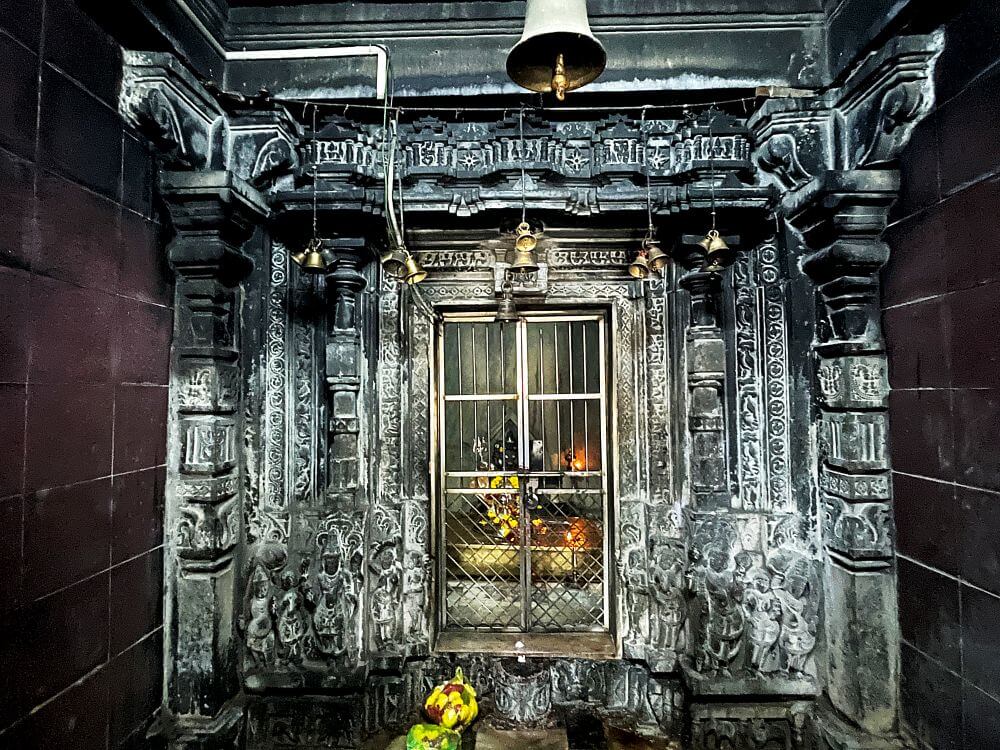
Ahead of the sabhamandapa are three antaralas and three garbhagrihas. The entrance to the antarala features ornate door jambs (dwarashakhas) and a moonstone (chandrashila) at the threshold (mandarka). There are wall niches on the left and right sides of the antarala. The central main sanctum houses a Shiva Linga. The wall niches in the antarala here contain idols of Basaveshwara and Saint Tukaram. Both sides of the garbhagriha entrance feature guardian sculptures of Dwarpala and Dwarpalika. The entrance of the garbhagriha is adorned with a floral band (pushpashakha), creeper band (velbutti-shakha), pillar band (stambha-shakha), leaf-creeper band (parnalata-shakha), and flower-creeper band (pushpalata-shakha). The architrave above the lalatbimba features spire sculptures. The ornate threshold features a moonstone. In the center of the garbhagriha floor lies the Shiva Linga.
On both sides of the entrance to the left-side antarala, there are Dwarpalika sculptures and ornate door jambs, with a moonstone at the threshold. Both sides of the garbhagriha entrance feature Dwarpala and Dwarpalika sculptures. This entrance has five door jambs and a moonstone at the threshold. Inside the garbhagriha, against the back wall on a vajrapitha (diamond pedestal), are an embossed four-armed idol of Lord Vishnu and a Shiva Linga. The entrance to the right-side antarala of the temple features door jambs with vertical-edge carvings and a moonstone at the threshold. The entrance has five ornate door jambs. Inside the garbhagriha, on a vajrapitha, is an idol of Lord Brahma along with a Shiva Linga beside it. On the roof of the temple, there is a Bashingi railing running along all four sides, with a large replica of a Shiva Linga in the center. This temple is of the pancharatha architectural style.
Maha Shivaratri is the primary annual festival celebrated here with great enthusiasm. On this occasion, a Harinam Saptaha (seven-day chanting of the Lord’s name) is organized at the temple. For eight consecutive days, events such as bhajans, kirtans, discourses (pravachanas), and Mahaprasad are held. At this time, thousands of devotees from the surrounding region visit to have the darshan of the deity and to fulfill their vows (navas). A large crowd of devotees also gathers here on all Mondays of the holy month of Shravana.
This sacred temple stands as a testament to deep spiritual devotion, ancient architectural grandeur, and rich local cultural traditions.
The sanctum sanctorum houses the divine idol consecrated according to ancient Vedic traditions, surrounded by serene courtyards and traditional temple architecture.
Navratri, Maha Shivratri, Annual Temple Jatra & Deepotsav
Compare and book flights, secure top-rated local hotels near the temple, hire reliable guides, and rent cars instantly.
Extend your pilgrimage by visiting other highly sacred temples located nearby.


Add ₹999 more to unlock FREE SHIPPING!
Your sacred cart is currently empty.
Shop Photo FramesFill in your delivery details below to place your order.
Add comment