
Add ₹999 more to unlock FREE SHIPPING!
Your sacred cart is currently empty.
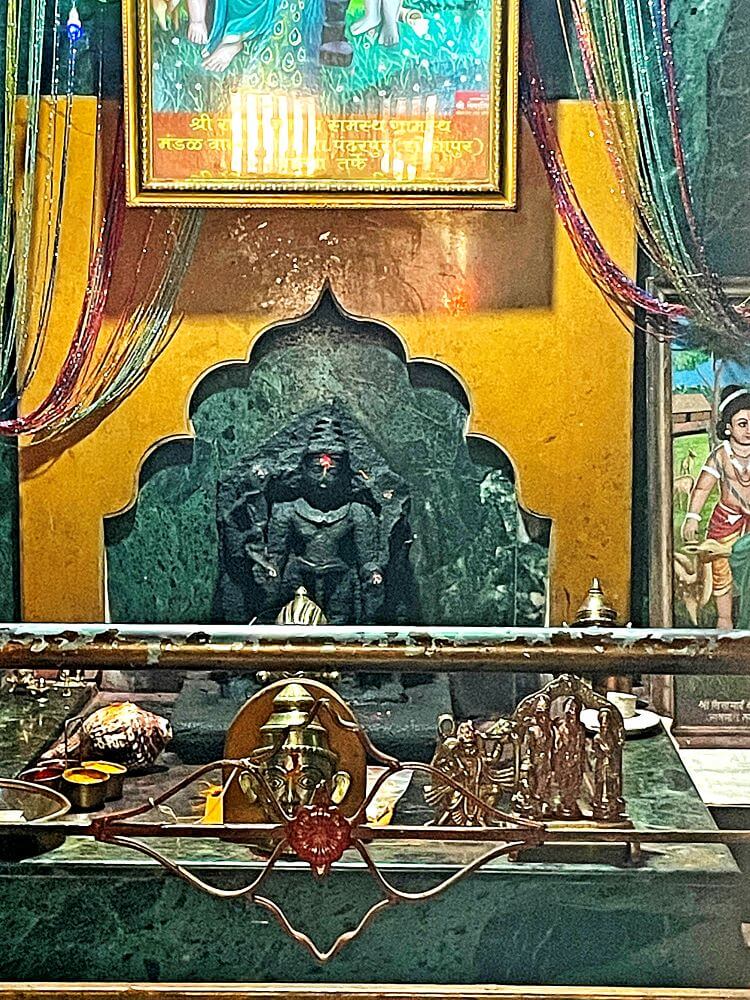
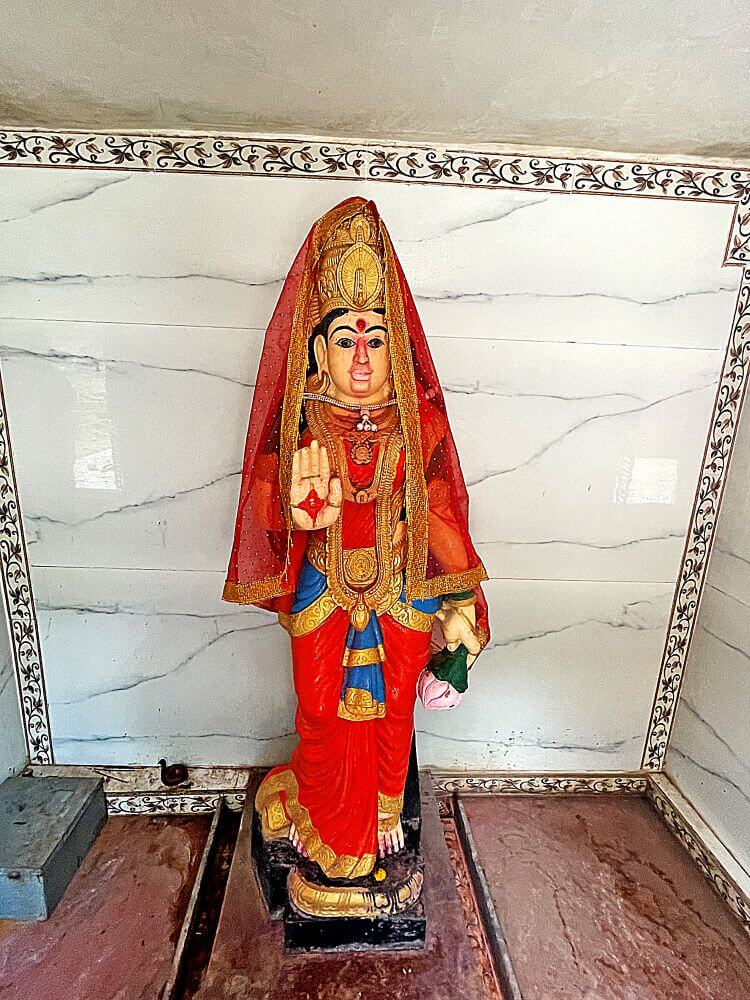
Shop Photo FramesThe Sitamai Temple, situated on a hill in Kulkajai village of Phaltan Taluka, is famous in Satara district. It is said that because Mother Sita resided on this hill for many years, it is known as Sitamai’s Hill. It was in this area that Mother Sita gave birth to Luv and Kush. The uniqueness of this temple is that a women’s pilgrimage (yatra) is held here on Makar Sankranti. Thousands of women come to this pilgrimage to offer ‘Saubhagya Vaan’ (auspicious gifts) at the feet of Sitamai.
The legend of the temple states that after Lord Shriram defeated Ravana and brought Sita back to Ayodhya from Lanka, some people raised doubts about her purity. To prove her sanctity, Sita underwent the Agnipariksha (trial by fire). Despite this, whispers among the citizens continued. Consequently, Lord Shriram decided to abandon the pregnant Sita and ordered Lakshman to leave her in the Dandakaranya forest. Accordingly, Lakshman brought Sita to this hill, which was part of the Dandakaranya region. Parched with thirst, Sita asked Lakshman for water. At that moment, Lakshman struck the ground with an arrow, drew water from the subterranean source, and filled two ‘Dronas’ (leaf cups) to take to Sita; however, by then, Sita had fainted and was lying motionless on the ground. Lakshman placed the leaf cups of water beside Sita and departed for Ayodhya.
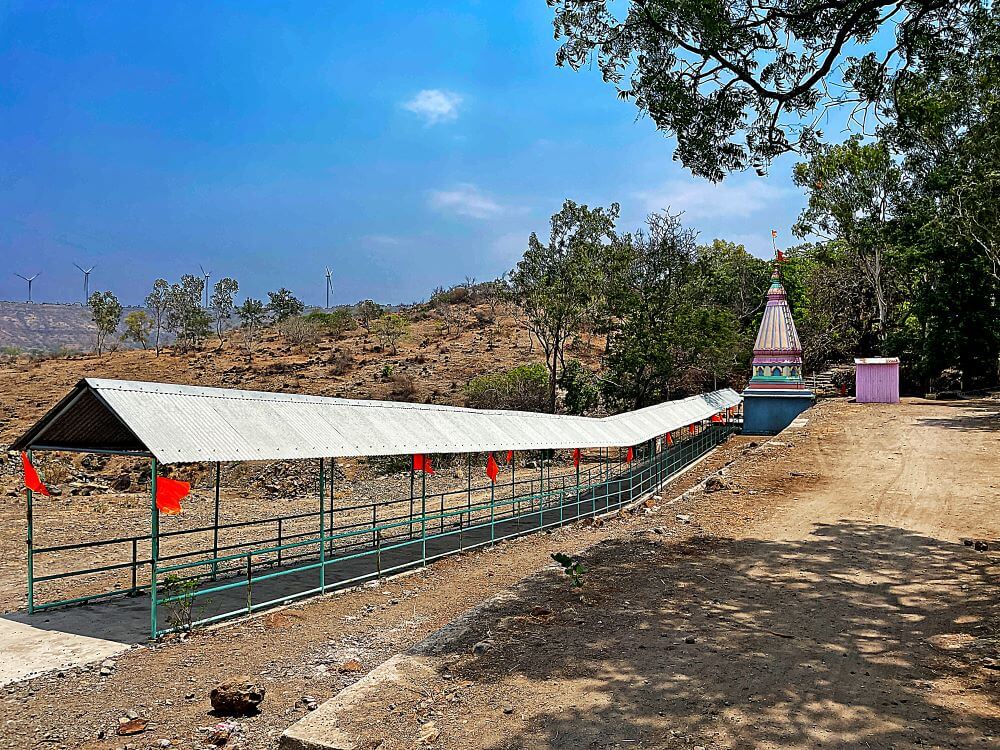
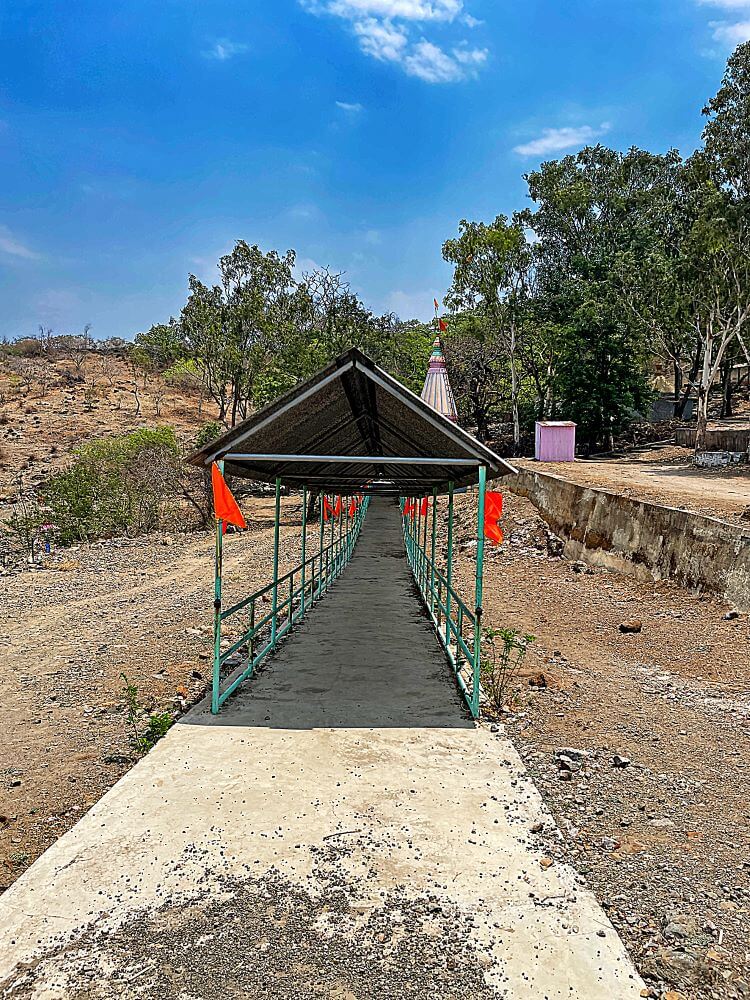
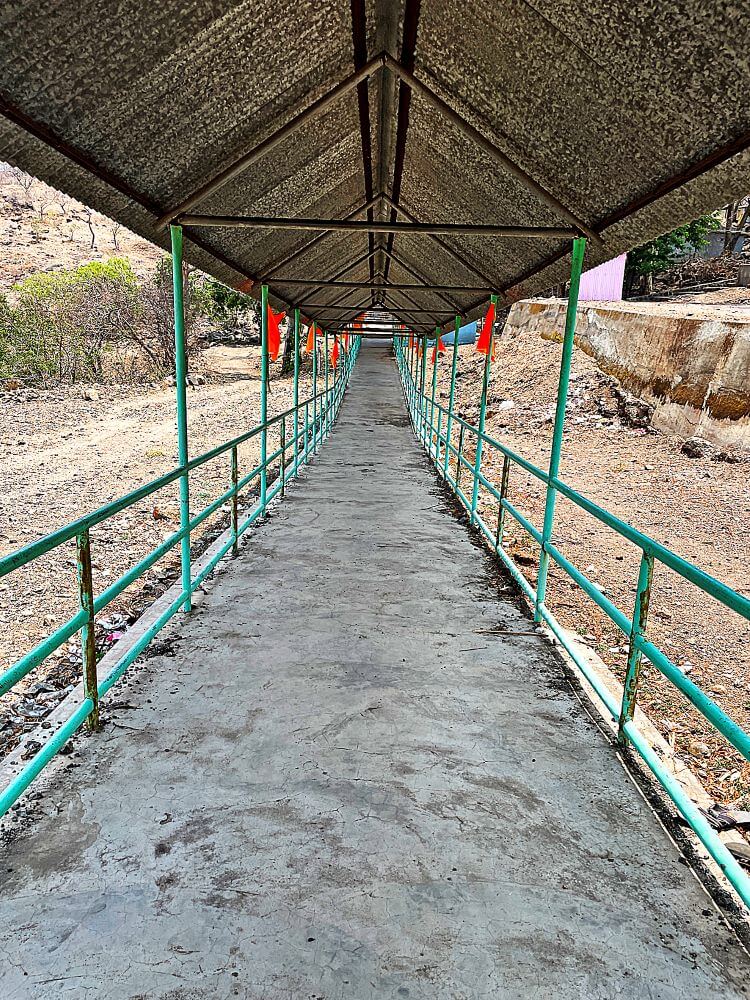
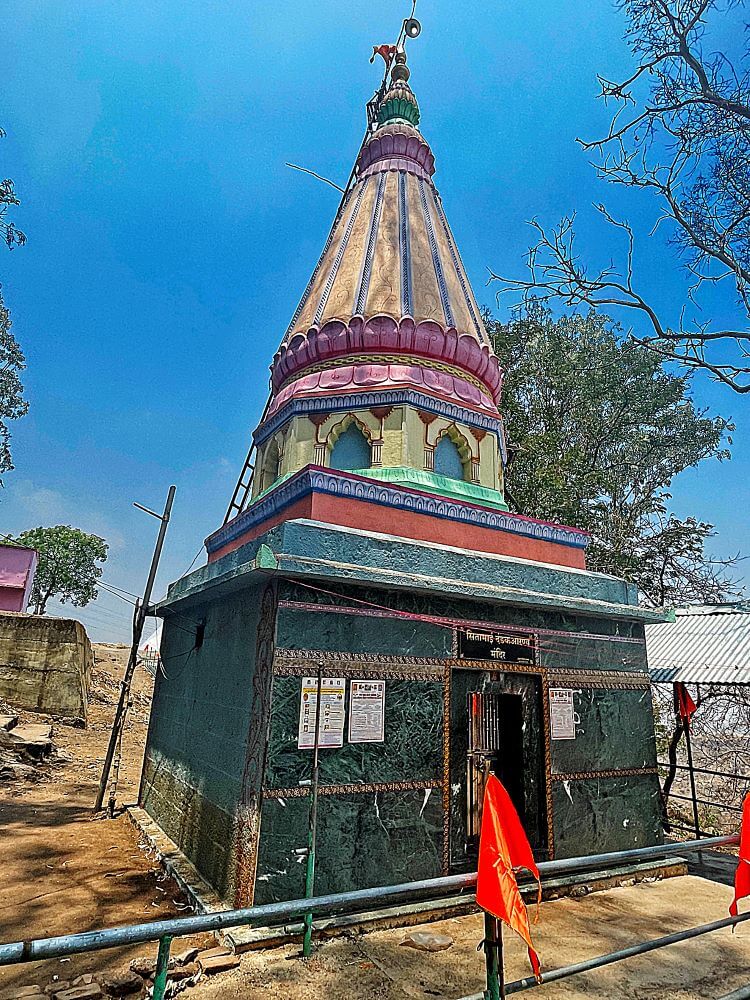
When Sita regained consciousness, the movement of her body caused the water in the leaf cups to spill and flow. The water from one cup transformed into the Banganga River, and the water from the other transformed into the Manganga River. The source of both these rivers is where the Sitamai Temple stands today. The Manganga River began to flow through Man Taluka, and the Banganga River through Phaltan Taluka. Sage Valmiki’s ashram was in this area. Sita began living in the ashram of Valmiki, who was like a father figure to her. Later, she gave birth to Luv and Kush here. In the later period, devotees built a temple on this land, which was sanctified by the presence of Sita. This is the Sitamai Temple. The Sitamai Hill is located a short distance from Kulkajai village. The source of the Manganga River is situated 100 meters away from the source of the Banganga River, which is known as the lifeline of Phaltan Taluka. The Sitamai Temple is located between the sources of these two rivers. There is a direct road to reach this temple. A path for devotees has been arranged up to the temple, which is about 70 meters from the parking area. To protect devotees from the sun and rain, a metal shed has been installed overhead on this path, with iron railings on both sides. The temple structure consists of a Sabhamandap (assembly hall) and a Garbhagriha (sanctum sanctorum). The idol of Sitamai is in the sanctum. Below the temple, in a crevice-like space, there is a Shivpindi. Going up from the left side of the temple, there is a temple of Padukas (footprints). Additionally, there is a Maruti temple and a stepwell in the area. Near this temple is the place where Maharshi Valmiki resided, along with his temple.
‘Vasa Dene’ and ‘Vaan Lutne’ are very old traditions in Maharashtra. In this, on the day of Sankranti, married women visit the temple or invite other women to their homes to exchange gifts. Along with this, the produce from their fields and farms is offered as ‘Vaan’ in ‘Sugad’ (small earthen pots). Items like chickpeas, sugarcane, jujube fruits, wheat stalks, and sesame seeds are filled in the Sugad and offered to the deity. This Sitamai temple in Kulkajai is famous for offering this Vaan. Makar Sankranti is the main festival here. A large pilgrimage is held on this day, which is famous as a women’s pilgrimage. There is a tradition spanning hundreds of years of celebrating the festival by offering Sugad at the feet of Sitamai. Thousands of women from every corner of the state come here specifically to offer the Vaan of auspiciousness. For this pilgrimage, the State Transport (ST) Corporation arranges special buses from Pune, Phaltan, and Baramati, along with many parts of Satara district. On this day, ST bus services are provided every 30 minutes from Vaduj and Dahiwadi depots.
Every year, the Luv-Kush birth anniversary is celebrated here on Chaitra Vadya Saptami. Festivals are also celebrated on Jyeshtha Amavasya, Ashadhi Amavasya, and Narali Purnima. On every Amavasya, programs like Bhajans, Kirtans, and Bhandara (community feast) are held. To ensure the tradition of Satyanarayan Mahapuja and Annadaan (food donation) continues uninterrupted, 12 villages in the area have been assigned the 12 months for worship. This includes Sathe, Takalwade, Vadle, Kambaleshwar, Tawadi, and Malwadi in Phaltan Taluka; Palwan, Kalaskarwadi, Gadewadi, Khokade, and Kulkajai in Man Taluka; and Kambaleshwar in Baramati Taluka of Pune district. In the month assigned to a village, hundreds of villagers bring materials for the food donation. Food is served to the present devotees on that day. Programs like Bhajans and Kirtans are held at night. For the convenience of organizers and devotees during these programs, an ashram and a pilgrim residence facility have been provided here.
Useful Information:
This sacred temple stands as a testament to deep spiritual devotion, ancient architectural grandeur, and rich local cultural traditions.
The sanctum sanctorum houses the divine idol consecrated according to ancient Vedic traditions, surrounded by serene courtyards and traditional temple architecture.
Navratri, Maha Shivratri, Annual Temple Jatra & Deepotsav
Compare and book flights, secure top-rated local hotels near the temple, hire reliable guides, and rent cars instantly.
Extend your pilgrimage by visiting other highly sacred temples located nearby.


Add ₹999 more to unlock FREE SHIPPING!
Your sacred cart is currently empty.
Shop Photo FramesFill in your delivery details below to place your order.
Add comment