
Add ₹999 more to unlock FREE SHIPPING!
Your sacred cart is currently empty.
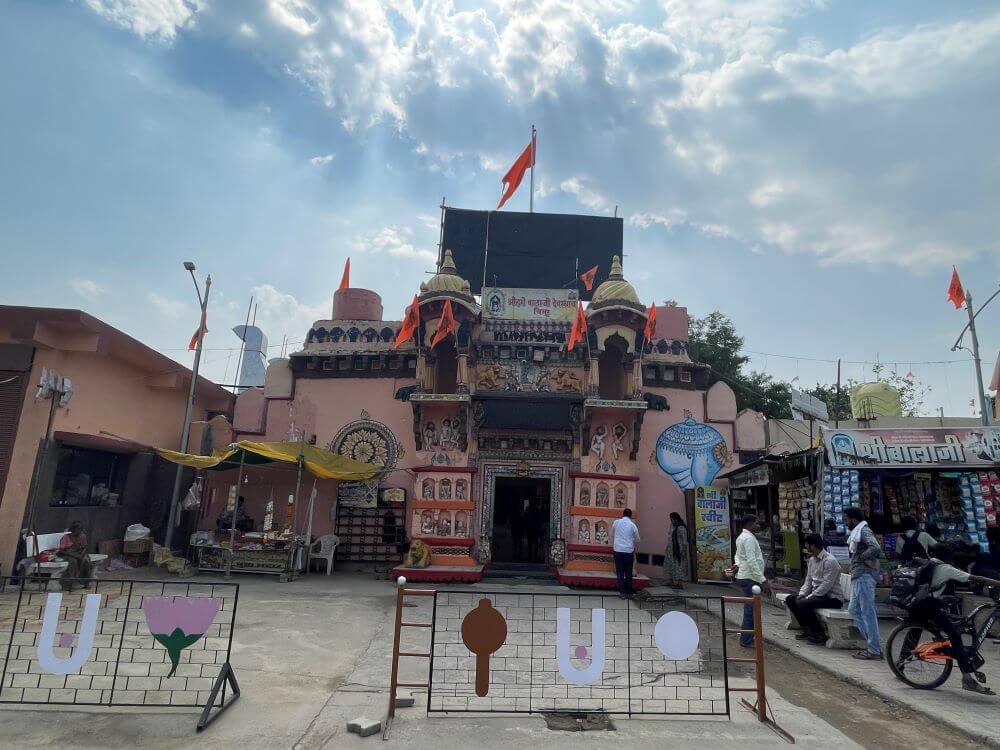
Shop Photo FramesAmong the ancient temples of Vidarbha, the Markandeya Temple in Gadchiroli district is titled ‘Chakravarti’, while the Balaji Temple in Chimur, Chandrapur district, is known as ‘Samrat’. The idol in the Chimur Balaji Temple is identical to the one in the famous Balaji Temple at Tirupati. This sacred site is also referred to as ‘Shrihari Balaji’. A place of deep faith for devotees across Vidarbha and Central India, this temple is renowned for its ‘Ghoda Yatra’ (Horse Procession), a tradition spanning approximately 250 years.
The legend of the temple states that a local farmer, Bhikuji Patil, intended to build a cowshed for his cattle on this site. While digging, his pickaxe struck something with a metallic sound. Upon clearing the soil, he discovered an idol. He gently unearthed and cleaned it, revealing it to be an idol of Balaji. He consecrated the idol at this very spot.
According to historical records, in the year 1757, at the request of the Peshwas’ Diwan, Diwakar Purushottam alias Devajipant Chorghade, Janoji Bhosale granted 200 acres of land for the construction of the Balaji Temple. Additionally, an annual income of 1612 rupees was allocated for the temple’s expenses. Out of the 200 acres, 60 acres were used to construct a pond for water. Devajipant Chorghade of Chimur was one of the ‘three and a half wise men’ (Sade-teen Shahane) who rose to prominence in Maratha history. It was he who initiated the Shrihari Balaji Ghoda Yatra in Chimur.
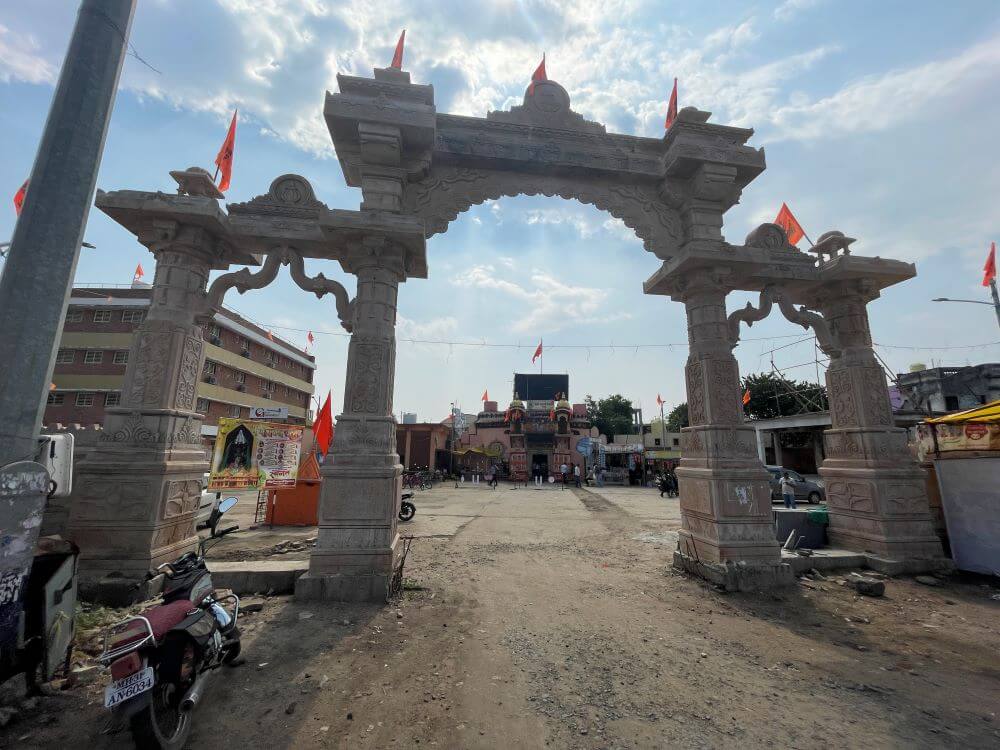
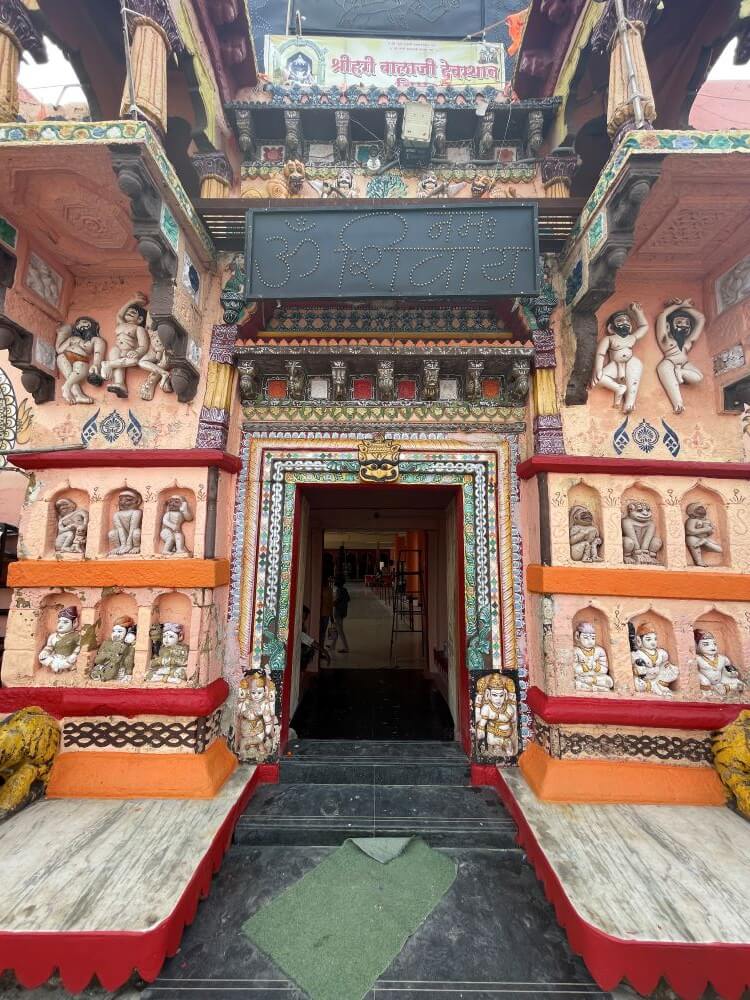
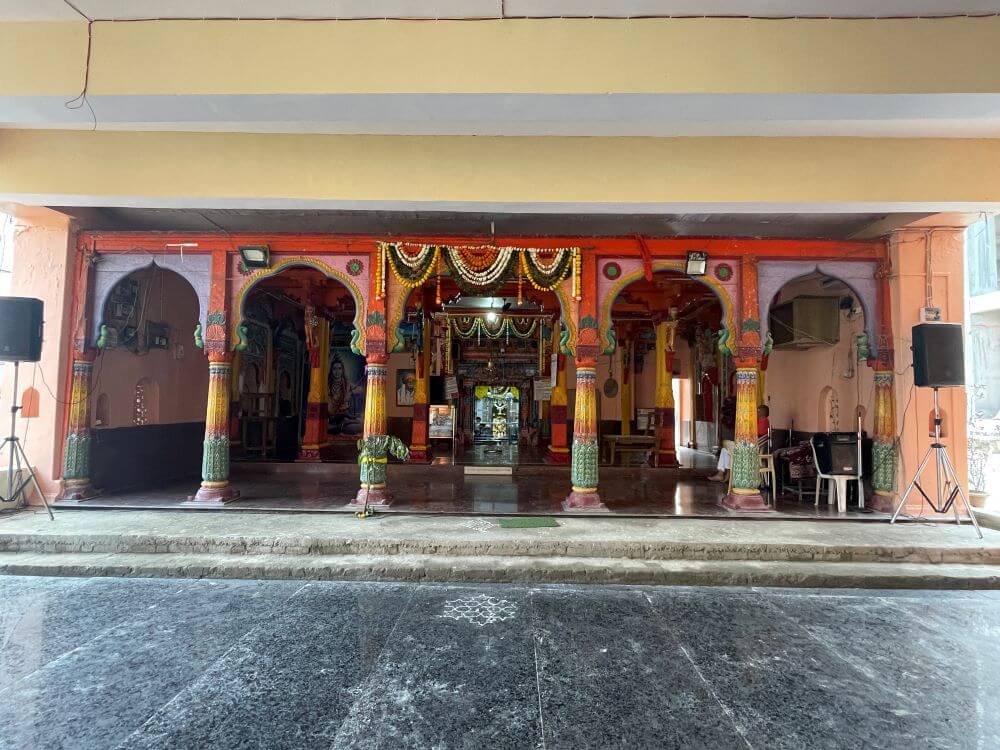
Vidarbha, adorned with diversity, is rich in natural, religious, and cultural heritage. Chimur is the workplace of Rashtrasant Tukdoji Maharaj. The Balaji Temple here is famous as the ‘Tirupati of Maharashtra’. It is believed that vows made to the Balaji of Tirupati can be fulfilled here, but vows made to this Balaji cannot be fulfilled at Tirupati; they must be fulfilled here. The temple, featuring a fortified palace structure, has a tall entrance gate with intricate carvings. The wooden assembly hall (Sabhamandap) contains 12 pillars carved with figures of elephants, tigers, and other animals. Beyond this lies another assembly hall supported by 4 stone pillars.
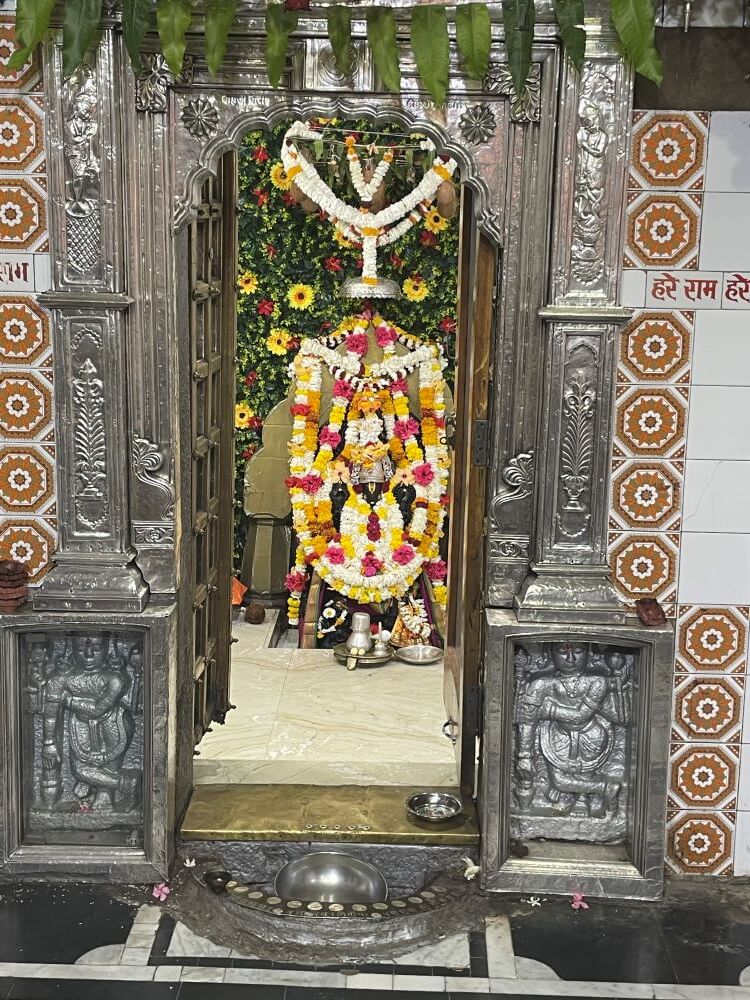
It is said that the black stone idol of Balaji in the temple is 1000 to 1200 years old. This idol is referred to as ‘Sanak Sadanand’. On both sides of the idol are images of Siddha Purushas in Padmasana. Through the efforts of Devajipant Chorghade, the temple construction was completed in the year 1772. The main idol of Balaji, or Vishnu, is carved from black Gandaki stone. The expression on the face of the idol is serene. The idol is 4 feet 7 inches tall and features exquisite carvings. Behind the idol is a halo (Prabhaval), and the back slab is 2.5 feet wide. The Dashavatara, from Matsya to Kalki, are clearly carved on this back slab. The idol is adorned with the Shrivatsa symbol on the chest, a crown on the head, ear ornaments, a sacred thread (Janve), an abdominal band, traditional garments, a shawl, and the Vaijayanti garland. The pleats of the garments on the body are also perfectly proportioned. For many in the district, Balaji is their family deity (Kuldaivat).
In the temple courtyard stands a Garuda pillar, near which are several Samadhis. The ‘Ghoda Yatra’ held on Magh Shuddha Panchami is famous. Although this 15-day festival is named ‘Shri Balaji’s Ashvarudha Yatra’, it is popularly known as the ‘Ghoda Yatra’. The procession features a horse carved from a single log of wood by a local artisan from Chimur. This horse is decorated and placed on a chariot, upon which a wooden image of Balaji in a riding posture is seated, and the chariot is taken in a procession throughout the city. A large-scale trade of cattle takes place during this festival. The Ghoda Yatra is the main attraction here. This festival is a grand occasion for devotees from Maharashtra and Central India. The procession begins at 12 midnight. Hundreds of devotees, dressed in dhoti, shirt, and a turban or cap, pull the chariot. In front of the chariot, Dindi groups, dancers, and Lezim troupes perform their arts.
During this time, Rangolis are drawn on the city streets. The procession route is decorated with lights, flowers, and buntings. The procession continues until dawn.
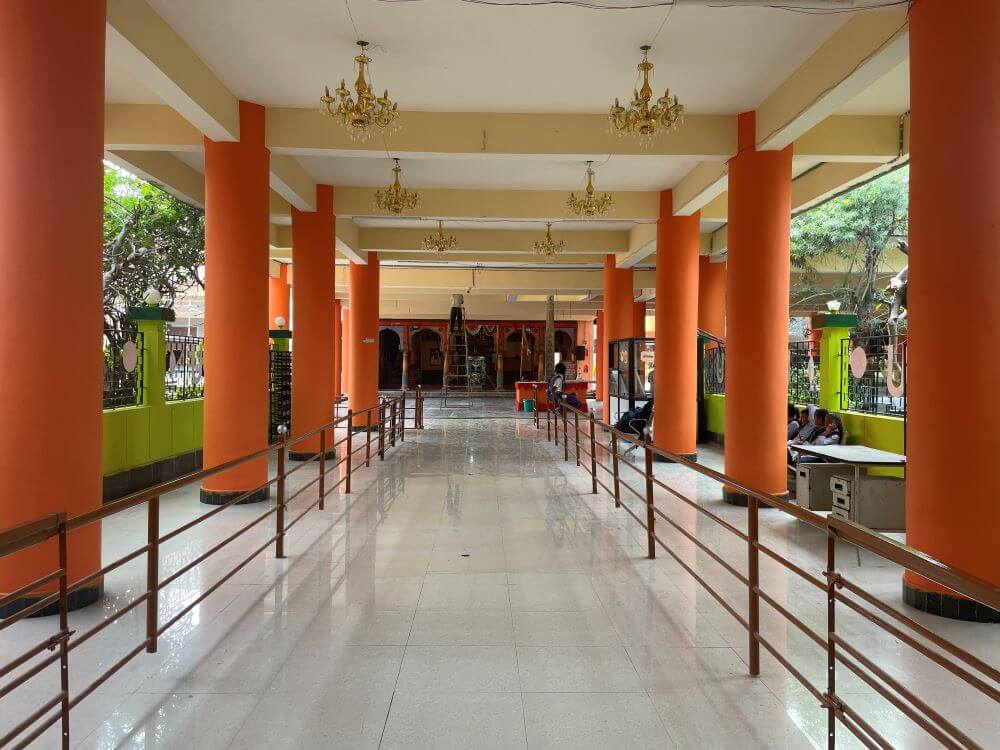
The temple committee has constructed a grand Bhakta Niwas (pilgrim lodging) within the temple premises, and there is a canteen facility available. Devotees can have the darshan of Shrihari Balaji from 5 AM to 9 PM.
This sacred temple stands as a testament to deep spiritual devotion, ancient architectural grandeur, and rich local cultural traditions.
The sanctum sanctorum houses the divine idol consecrated according to ancient Vedic traditions, surrounded by serene courtyards and traditional temple architecture.
Navratri, Maha Shivratri, Annual Temple Jatra & Deepotsav
Compare and book flights, secure top-rated local hotels near the temple, hire reliable guides, and rent cars instantly.
Extend your pilgrimage by visiting other highly sacred temples located nearby.


Add ₹999 more to unlock FREE SHIPPING!
Your sacred cart is currently empty.
Shop Photo FramesFill in your delivery details below to place your order.
Add comment