
Add ₹999 more to unlock FREE SHIPPING!
Your sacred cart is currently empty.
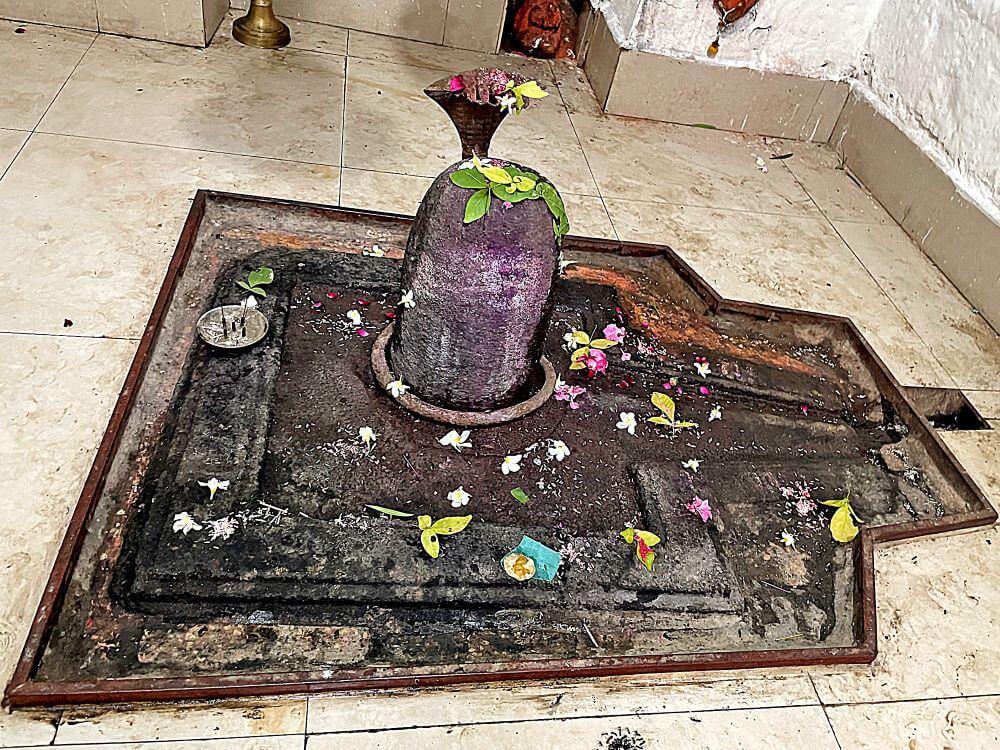
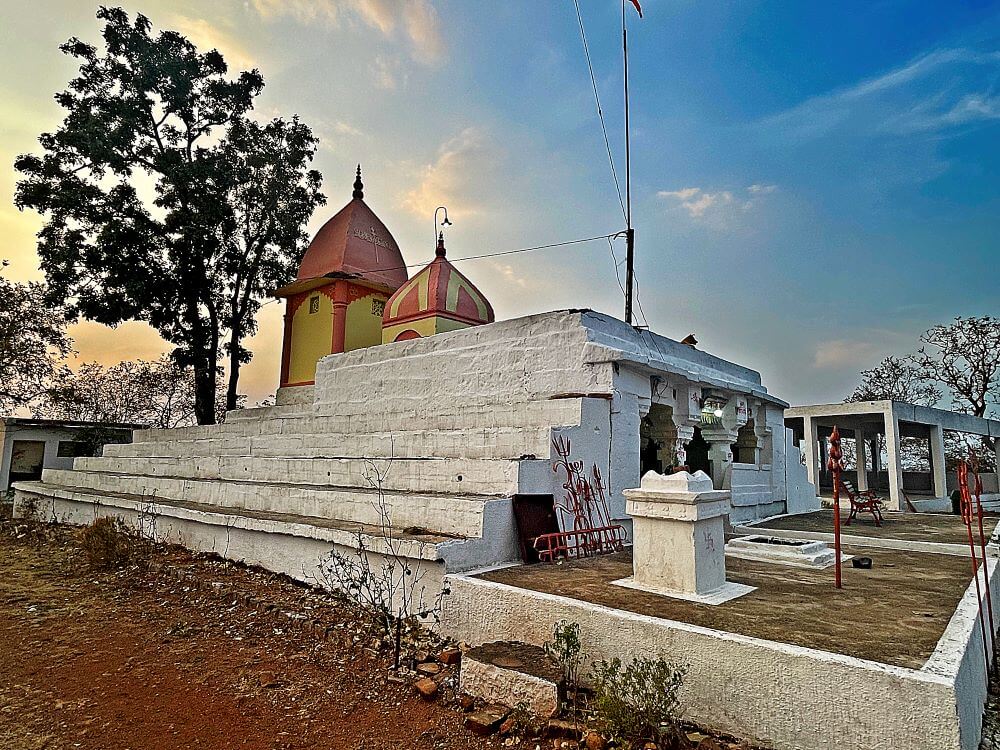
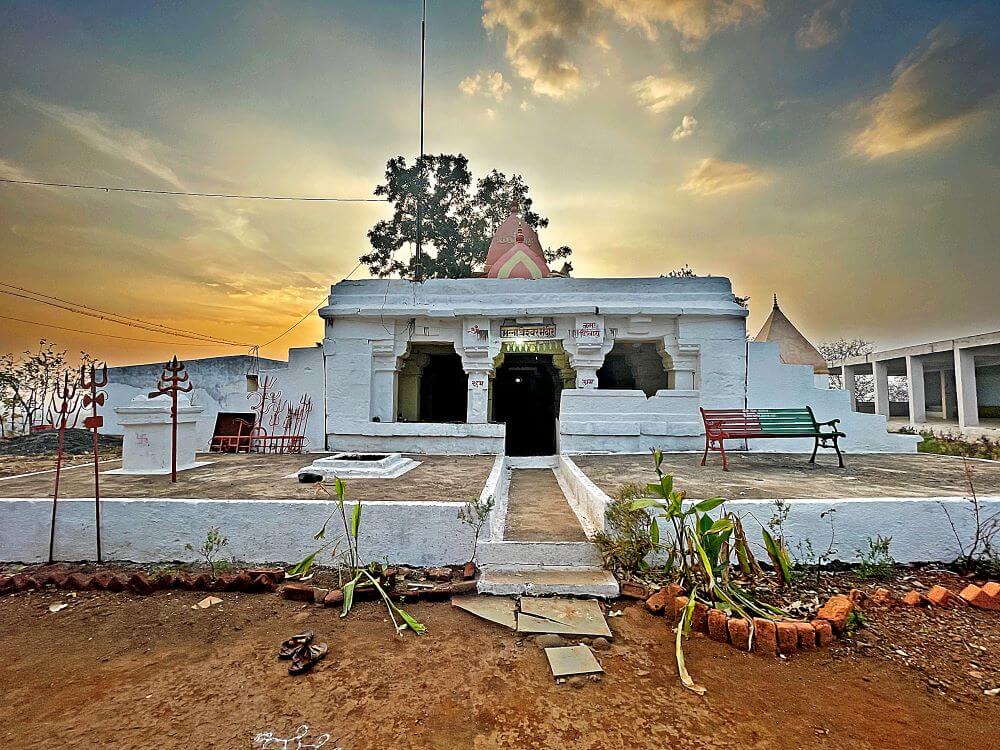
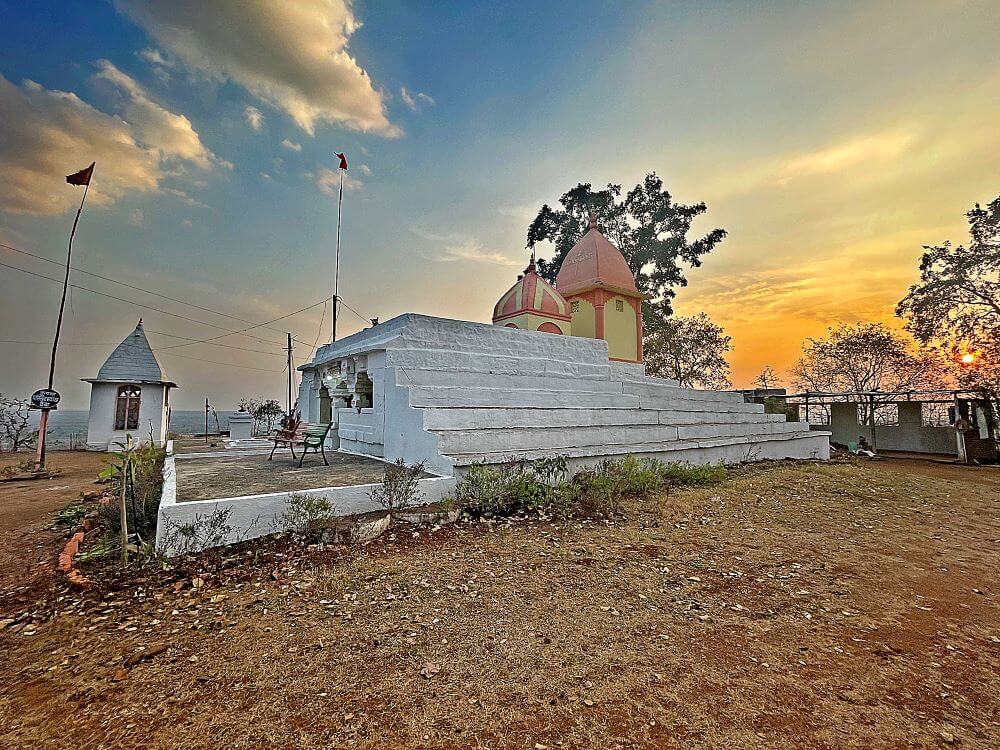
Shop Photo FramesThe ancient Mannatheshwar Temple is situated on a hill in the village of Ghogra, located 3 kilometers from Bharsingi village on the Nagpur-Warud road. Legend has it that during their period of exile, Shri Ram, Lakshman, and Sita resided in this area for some time. It is believed that Shri Ram installed a Shivling at Mannathgad and performed worship of Mahadev. It is said that this pilgrimage site was named Mannathgad and the resident Mahadev was named Mannatheshwar because Guru Machhindranath (Mannath Baba) performed penance here.
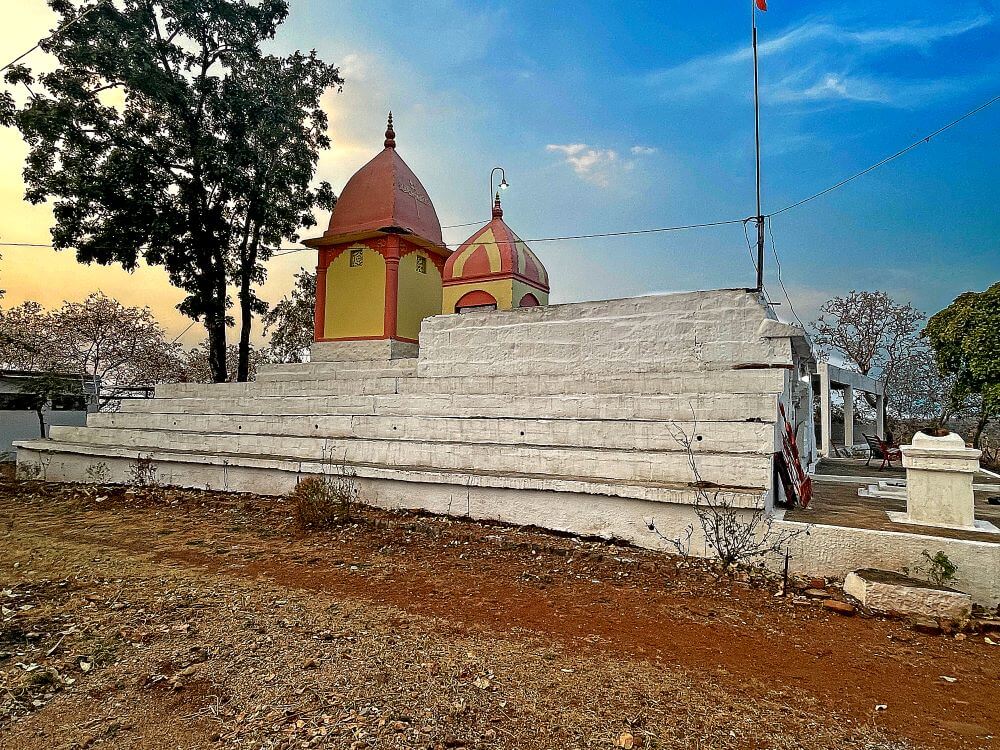
Due to the Mannatheshwar temple being located on a high hill, the atmosphere here is scenic and serene. There is a paved road leading from Ghogra village to Mannathgad, which is winding and features a steep ascent. Mannathgad is the highest point in this region. From the temple courtyard, one can see a panoramic view of about 15 villages below. According to a legend, while in exile, Shri Ram, Sita, and Lakshman traveled from Trimbakeshwar-Nashik to Dastakadi in Mozari. From there, they came to Mannathgad and stayed for a while. From Mannathgad, they departed for Ramtek near Nagpur. At the foothills of Mannathgad lies the ‘Sita Nhani’. This pond, constructed with black basalt rock, is a sacred pilgrimage spot.
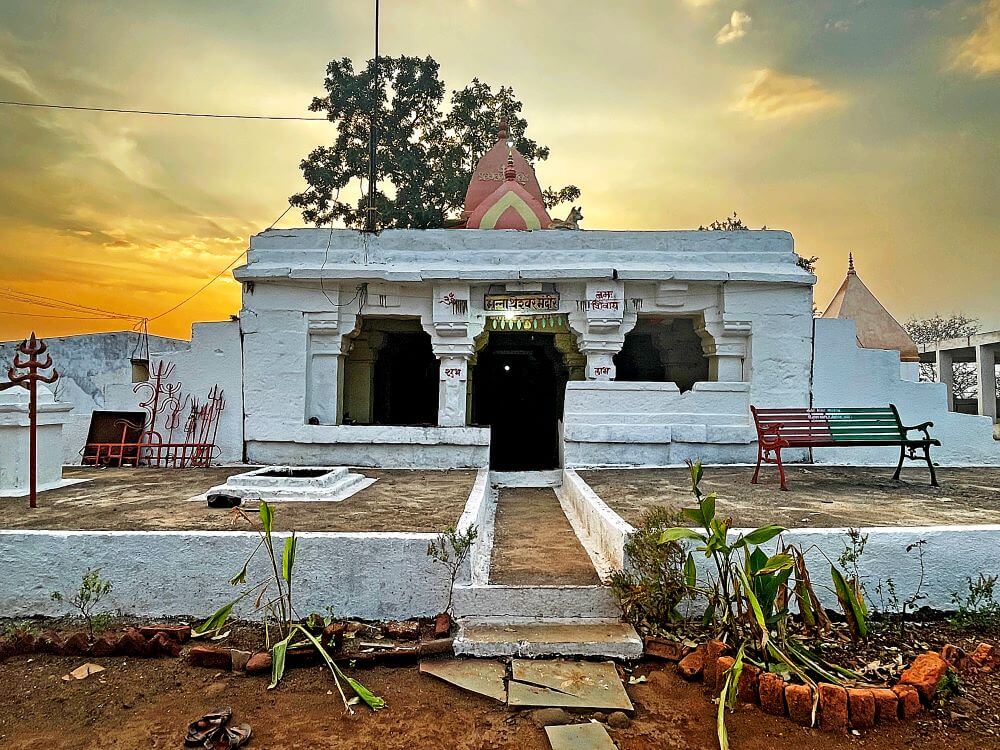
The Mannatheshwar Temple is built in the Hemadpanti style and consists of a Sabha Mandap (assembly hall), Antaral (vestibule), and Garbhagriha (sanctum sanctorum). This east-facing temple has 16 stone pillars in its Sabha Mandap. These pillars do not feature intricate carvings. A Nandi is positioned in the Antaral, from where the Garbhagriha is located 3 feet below. The Shivling in the sanctum is square-shaped. The outer walls of the temple are supported by triangular-shaped buttresses. There is a Shikhara (spire) above the Garbhagriha and the Antaral.
In the temple adjacent to the Mannatheshwar Temple, there is a triangular-shaped stone. This is the idol of Guru Machhindranath (Mannath Baba). This temple was built in later times. Previously, there was a Ghogli tree at this site, and the idol of Mannath Baba was situated beneath it. Devotees believe that Mannath Baba grants wishes; hence, in the past, devotees would tie a piece of red cloth to the Ghogli tree to make a vow. According to the local villagers, the idol of Mannath Baba was originally triangular in shape. Now, features such as a nose, ears, eyes, and mouth have begun to appear on the idol.
Rashtrasant Tukdoji Maharaj held programs at Mannathgad many times. There is also a small temple dedicated to him here. Festivals are celebrated here on the occasion of Tukdoji Maharaj’s birth and death anniversaries. Additionally, the Samadhi of Ramdas Maharaj is located here. Originally from Buldhana, Ramdas Maharaj performed penance at the Mannatheshwar Temple for 11 years. The construction of the smaller temples nearby and the development of the premises took place during his time.
Every Monday, there is a large crowd of devotees at the Mannatheshwar Temple for the darshan of Mahadev. A large fair is held here on Mahashivratri. Apart from this, there is a significant presence of devotees on Rishi Panchami and on the Mondays of the month of Shravan. Due to its scenic environment and ancient heritage, this temple has been granted ‘C’ grade pilgrimage status by the State Government.
This sacred temple stands as a testament to deep spiritual devotion, ancient architectural grandeur, and rich local cultural traditions.
The sanctum sanctorum houses the divine idol consecrated according to ancient Vedic traditions, surrounded by serene courtyards and traditional temple architecture.
Navratri, Maha Shivratri, Annual Temple Jatra & Deepotsav
Compare and book flights, secure top-rated local hotels near the temple, hire reliable guides, and rent cars instantly.
Extend your pilgrimage by visiting other highly sacred temples located nearby.


Add ₹999 more to unlock FREE SHIPPING!
Your sacred cart is currently empty.
Shop Photo FramesFill in your delivery details below to place your order.
Add comment