
Add ₹999 more to unlock FREE SHIPPING!
Your sacred cart is currently empty.
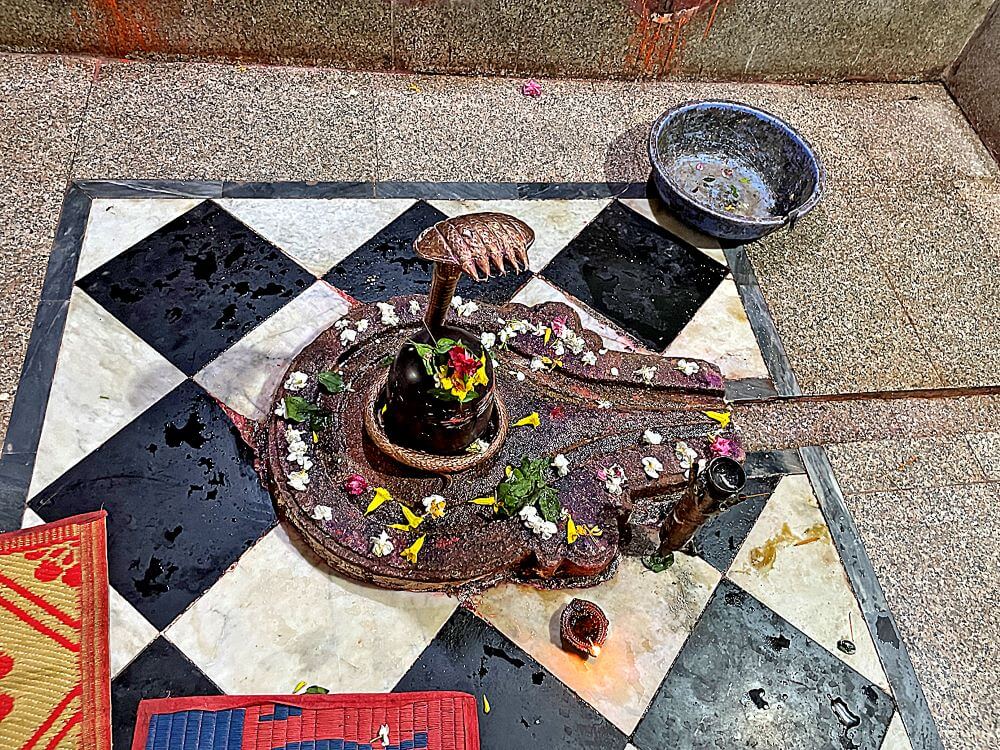
Shop Photo FramesAt the confluence of the Wardha and Jam rivers, in the Jalalkheda village of Narkhed taluka, lies an ancient land fort surrounded by water on all sides, which houses the primordial temples of Someshwar and Mahakali. The Someshwar temple here enshrines a Swayambhu (self-manifested) Shiva Linga, and it is renowned as a highly awakened and powerful sacred site. Devotees hold a deep faith that if one gazes intently into this Shiva Linga, one can perceive a reflection of their future incarnation.
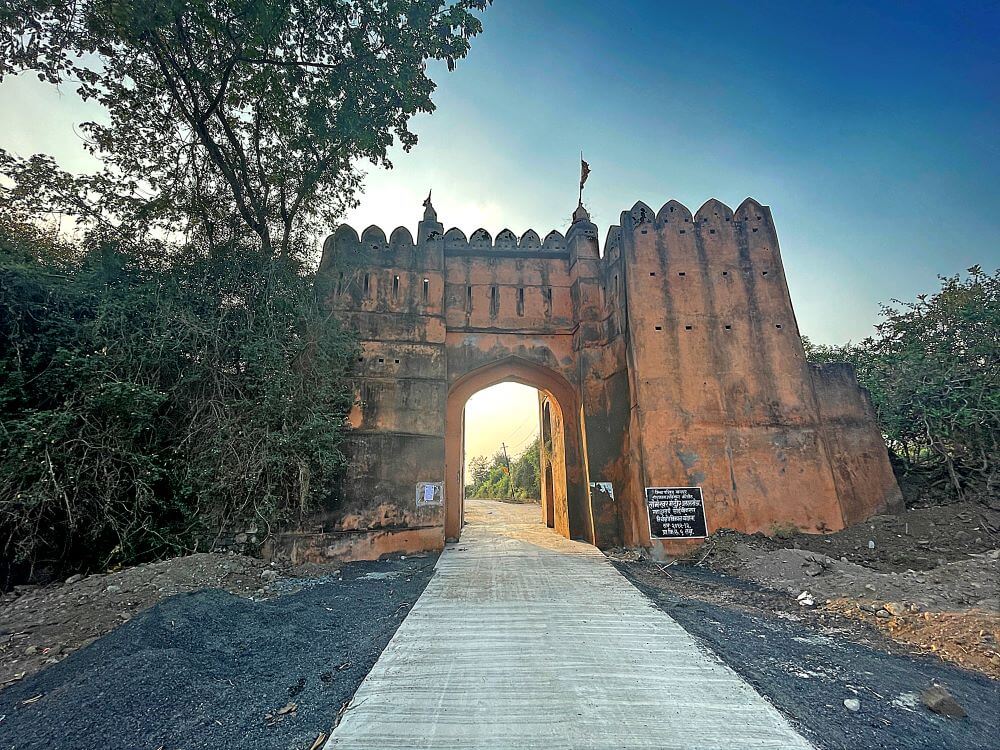
The original identity of the Bhuikot Fort has been erased due to the Someshwar Temple, and today it is known as Someshwar Fort. This area spans approximately 25 acres. It is said that the fort previously had 8 bastions; however, they have now collapsed, and only the fort walls and the entrance gate maintain their existence. Due to the presence of snakes in this temple, no one stays here at night on days other than for religious ceremonies and Mahashivratri. The legend of the temple is that in ancient times, the Shiva Linga in this temple was made of gold. It was the only Shiva Linga in the entire kingdom since ancient times in which, if one saw their reflection, their next birth The image of what was to come would appear within it. For this reason, a crowd of devotees has been gathering here constantly since ancient times. When some thieves attempted to steal it, the serpents guarding the Pindi thwarted their attempt.
This temple of Someshwara is likely to be from the Vakataka era. According to historical records, this fort was under the control of Raghujiraje first, and later his son Janojiraje. On 20 January 1769, Madhavrao Peshwa attacked Janojiraje and took possession of this fort. Since then, the region was under the suzerainty of the Nagpurkar Bhonsles, who were chieftains of the Peshwas. During that period, the maintenance and repairs of the temple were carried out by the Nagpurkar Bhonsle family. Thereafter, from 1820 to 1947, this region was under the control of the British. It is mentioned that the reconstruction work of this temple was carried out by the villagers on 22 February 1970, under the guidance of Jagatguru Shankaracharya Swami Satyavitranand of the Bhanapura Peeth.
To enter the temple, one must first pass through the grand entrance gate of the fort. On both sides of this entrance are magnificent bastions and adjacent ramparts. On this entrance gate, one can see a sculpture of Lord Ganesha and openings designed for firing muskets at enemies. The bastions are two-storied, containing rooms built for the guards or sentries to reside in.
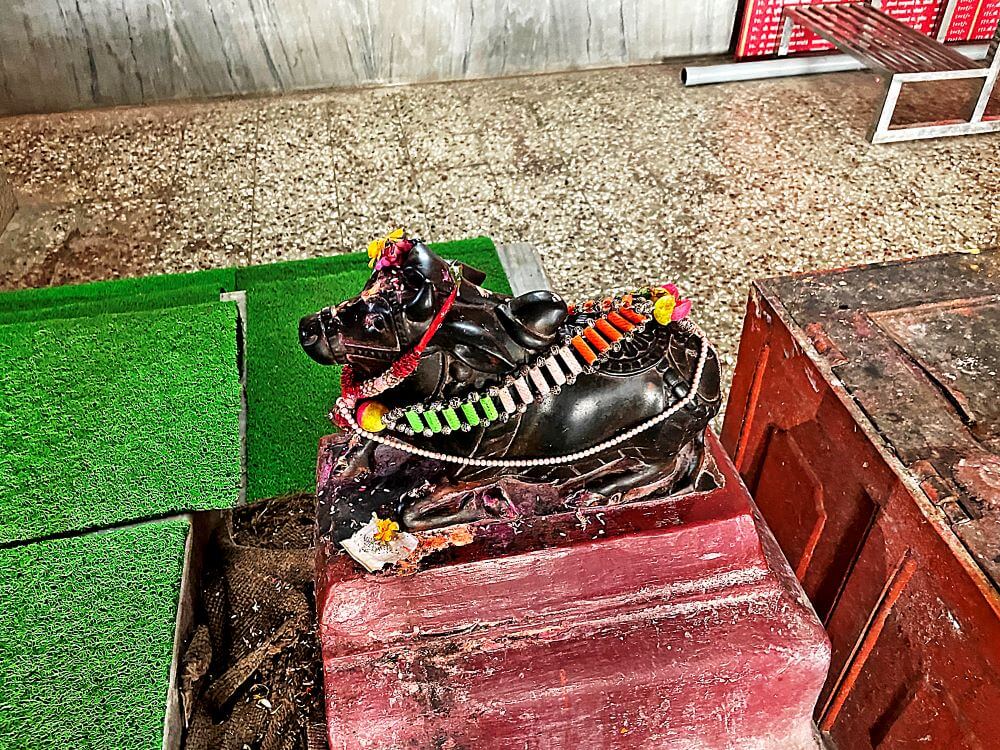
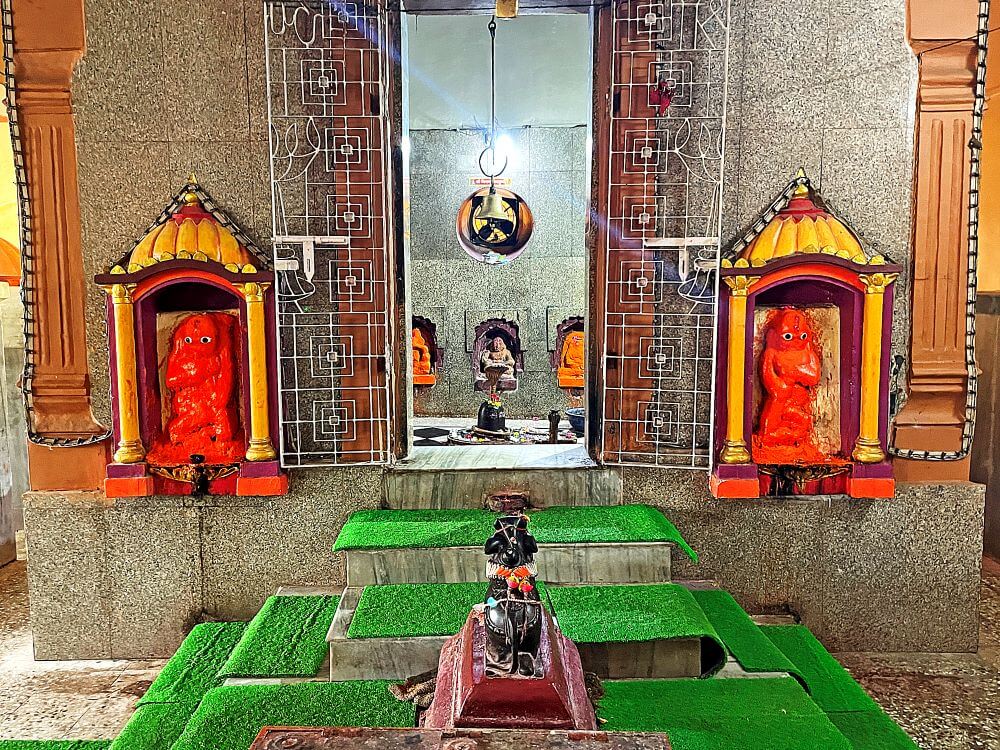
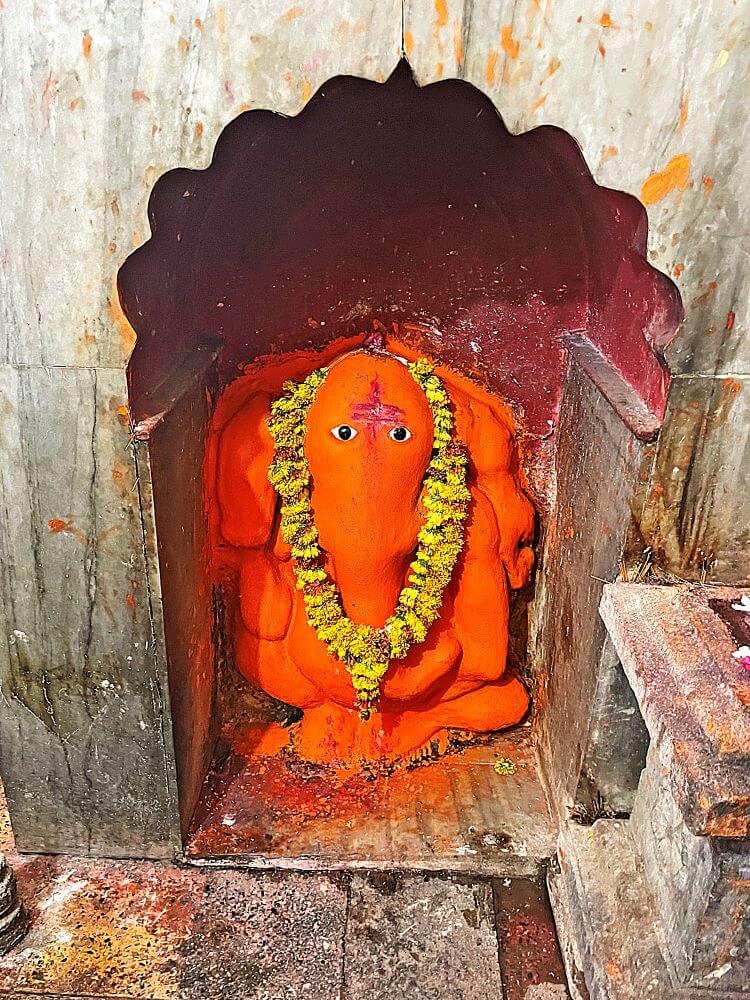
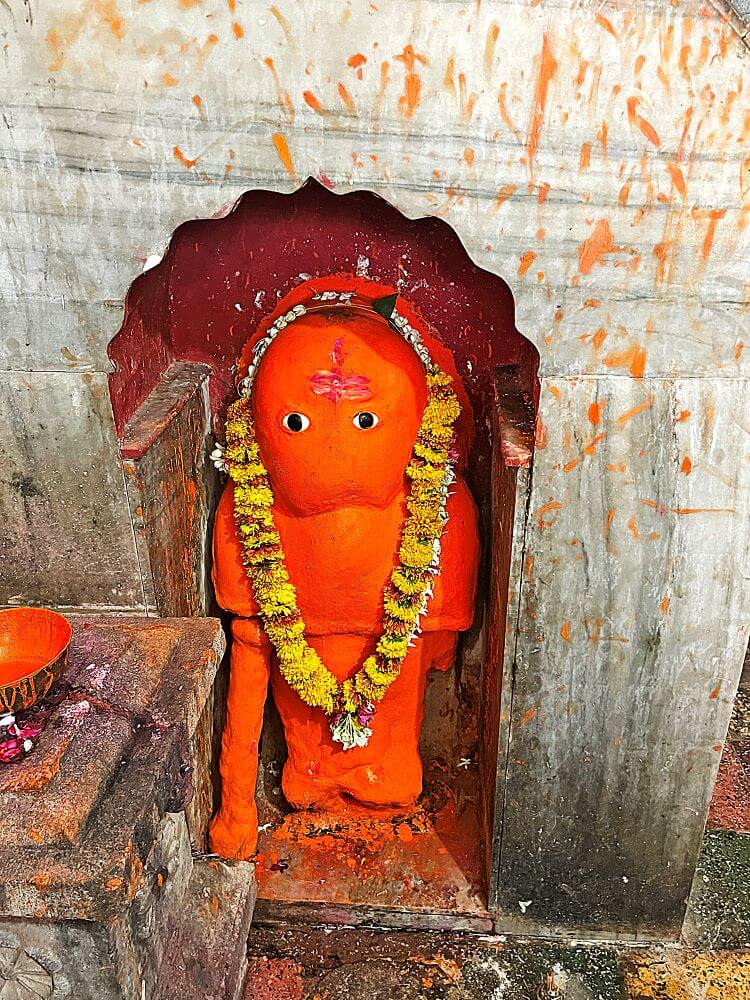
The Someshwar Temple is situated on a slightly elevated spot, and one must cross a small bridge over the riverbed to reach it. In the main hall of the temple, there are idols of Shri Ram-Lakshman-Sita, Vitthal-Rukmini, Ganpati, Hanuman, and Saint Dnyaneshwar. The temple structure consists of a main hall and a sanctum sanctorum. The sanctum is slightly elevated from the main hall, and one enters it by climbing 4 steps from the Nandi idol located in the main hall. Inside the sanctum, there is an ancient Shiva Linga, which is said to have been white in color originally, but its color later changed to black.
The ancient Mahakali Temple is situated at a distance of one hundred meters from the Koteshwar Temple. It is said that the lamp in this temple, located on a small hill, is visible from Ashti village in Wardha district. Apart from this, there is a Ganga Temple, Rishi Temple, and Shani Chauthara in this area. Devotees from Maharashtra and Madhya Pradesh arrive in large numbers to bathe at the holy confluence of the Wardha and Jam rivers near the temple. Thousands of devotees participate during festivals such as Navratri, Rishi Panchami, the month of Shravan, and Mahashivratri. Due to the number of devotees visiting the temple and the tourists arriving here, the State Government has granted this temple a ‘B’ grade pilgrimage status. (This status is granted by the State Government to a place of worship that receives more than four lakh devotees annually for darshan.)
This sacred temple stands as a testament to deep spiritual devotion, ancient architectural grandeur, and rich local cultural traditions.
The sanctum sanctorum houses the divine idol consecrated according to ancient Vedic traditions, surrounded by serene courtyards and traditional temple architecture.
Navratri, Maha Shivratri, Annual Temple Jatra & Deepotsav
Compare and book flights, secure top-rated local hotels near the temple, hire reliable guides, and rent cars instantly.
Extend your pilgrimage by visiting other highly sacred temples located nearby.


Add ₹999 more to unlock FREE SHIPPING!
Your sacred cart is currently empty.
Shop Photo FramesFill in your delivery details below to place your order.
Add comment