
Add ₹999 more to unlock FREE SHIPPING!
Your sacred cart is currently empty.
Shop Photo FramesSanctified by the presence of Saint Dnyaneshwar and Saint Tukaram, the Wagheshwar Temple in Charholi Budruk, with its history spanning hundreds of years, is one of the most beautiful and magnificent temples in the Pune district. This holy site is also renowned as a ‘Mahasthal’. Records indicate that this entirely stone-built temple was renovated during the era of Chhatrapati Shivaji Maharaj. It is said that the temple has existed here since long before that, dating back to the Yadava period. The fair held here on Mahashivratri is famous, and thousands of devotees come to seek the blessings of Lord Wagheshwar on this occasion.
The village of Charholi is located near Alandi. This ancient Wagheshwar Temple is situated on a hill in this village, which is well-known for its agriculture and dairy industry. During the reign of Chhatrapati Shivaji Maharaj, this region was under the fiefdom of Somajirao Dabhade. It is said that Krishnaji Dabhade, the son of Somajirao Dabhade, was responsible for the construction of this temple. He commissioned many grand structures and temples in this area. Some records mention that this temple belongs to the Yadava era. It is believed that after being ostracized by society, the siblings including Saint Dnyaneshwar often stayed in this temple to meditate. Villagers state that Saint Tukaram Maharaj used to stop at this temple to rest while traveling to and from Shri Kshetra Lohgaon.
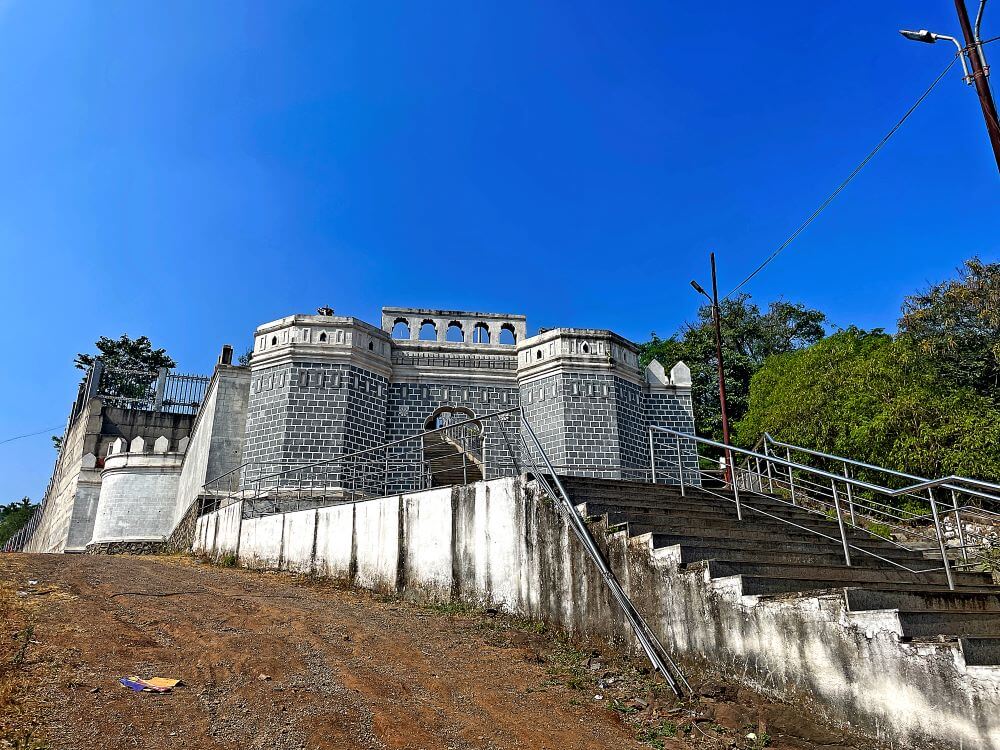
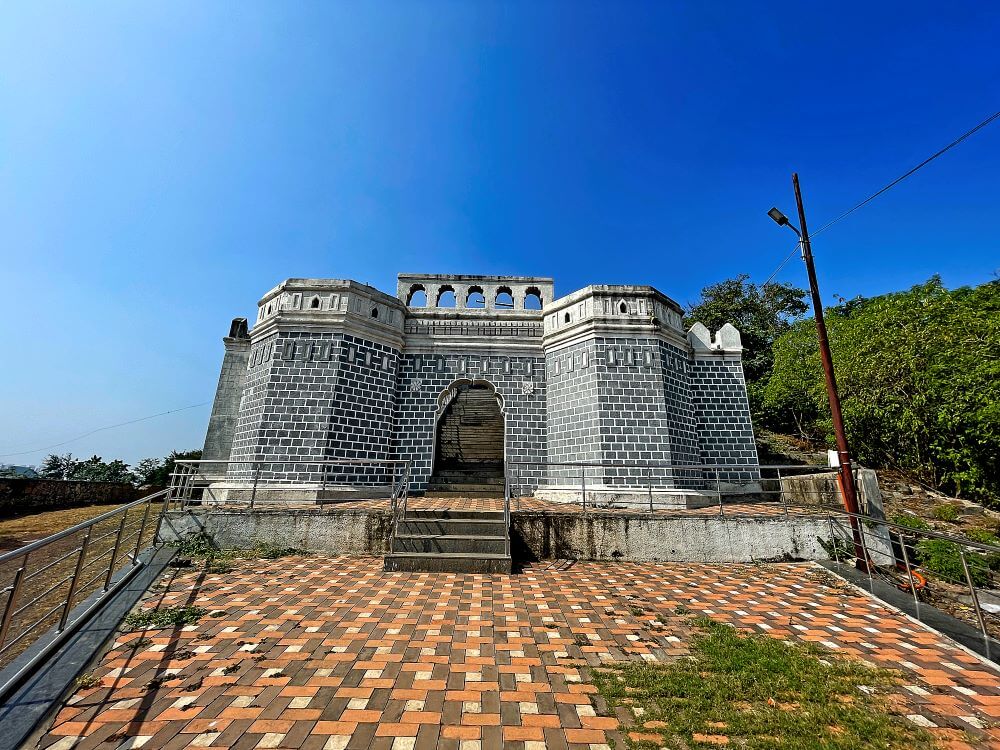
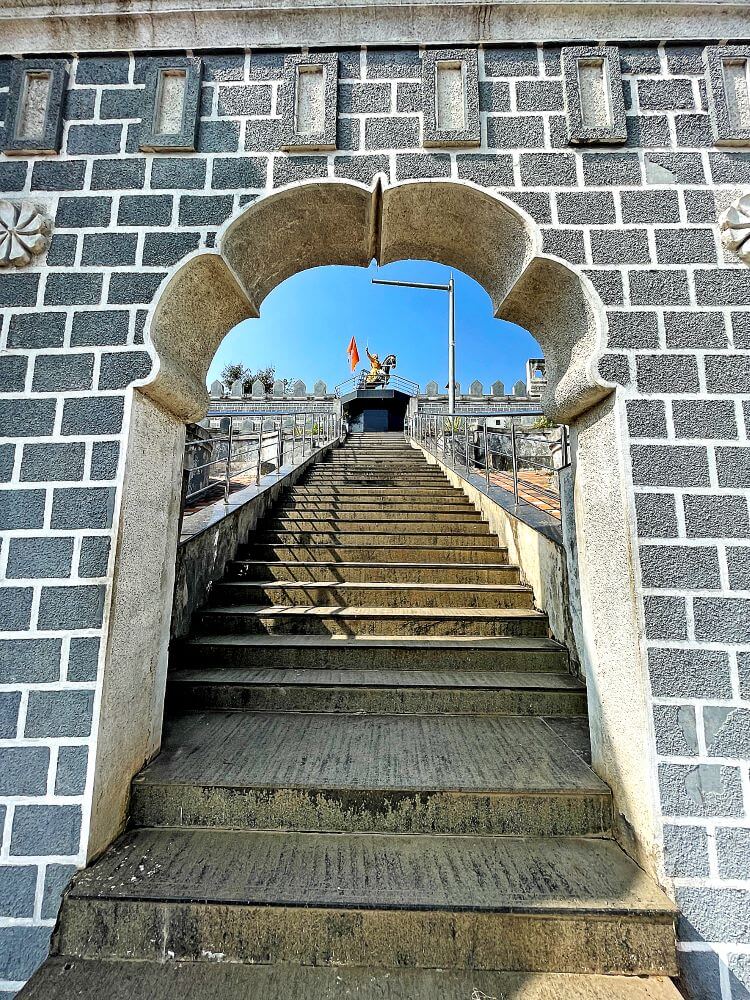
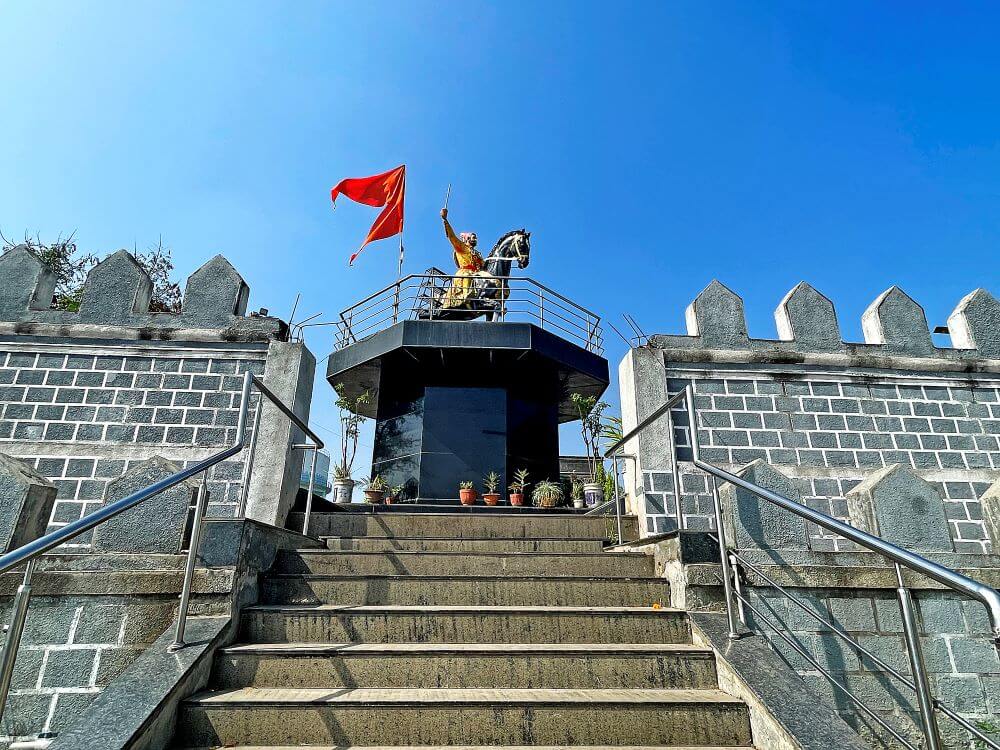
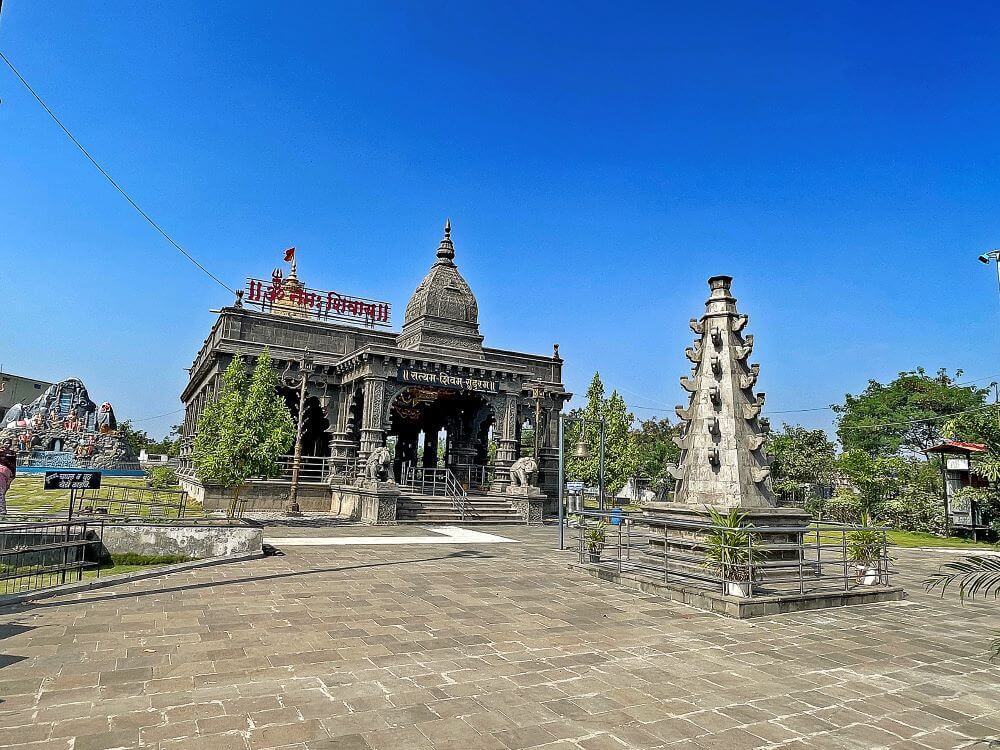
The original temple is constructed of stone, and the temple premises are enclosed by high fortifications, giving it the appearance of a fort at first glance. One can reach the temple entrance by climbing 100 to 110 steps. A road has now been constructed from the rear side so that vehicles can reach the temple directly. After entering the temple premises through the gateway in the fortification, one sees an equestrian statue of Chhatrapati Shivaji Maharaj on a grand pedestal. The temple complex is spacious and entirely paved. In front of the temple entrance stands a beautiful, tall lamp tower (Deepmal) that tapers towards the top.
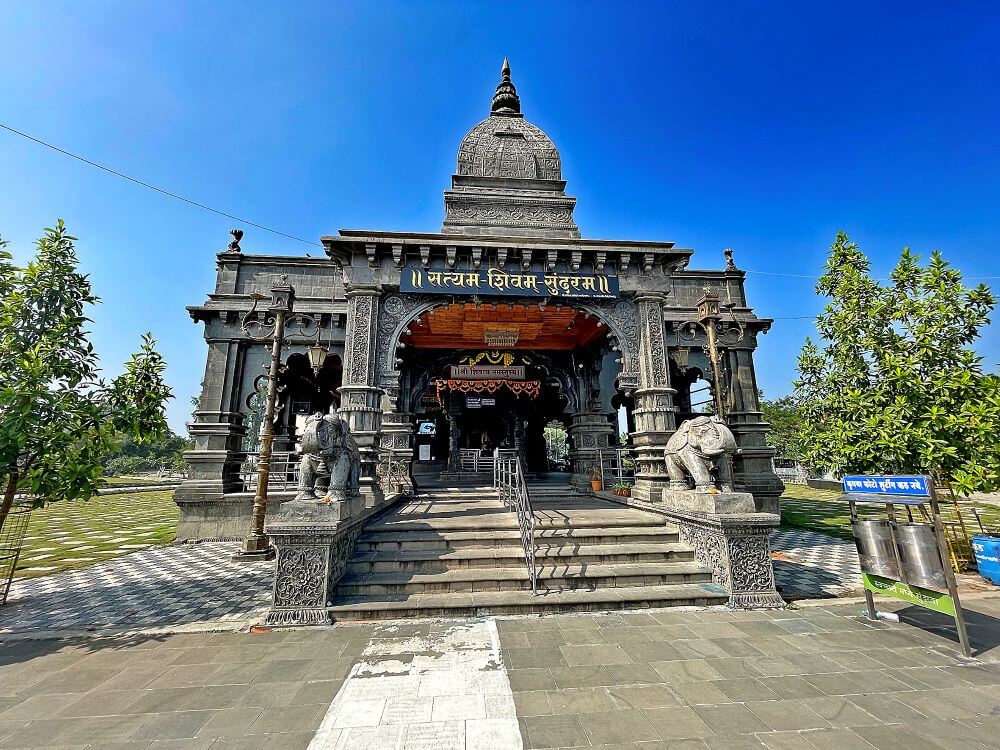
The temple attained its current form after renovations carried out in the years 2018-19. The temple structure consists of a Mukhamandapa (front hall), Sabhamandapa (main assembly hall), Nandimandapa, and Garbhagriha (sanctum sanctorum). On both sides of the entrance to the Mukhamandapa, distinctive carved elephants are positioned. Beautiful craftsmanship can be seen on the pillars of the entrance behind them. The sanctum of the temple is spacious, and load-bearing Yakshas are carved on the upper parts of its stone pillars. The Sabhamandapa here is of an open type and is referred to as the Rangamandapa. The entire wooden decoration on the ceiling of the hall further enhances the beauty of the temple. The Nandimandapa is located in the Sabhamandapa, directly in front of the entrance to the sanctum. A magnificent idol of Nandi is placed in the center of 4 stone pillars. The Shalunka of the Shiva Linga in the sanctum is hexagonal in shape, with the Shiva Linga installed in its center. The entire temple is constructed of black stone, and because the spire (Kalash) is painted gold, the temple is visible from a distance of 5 to 7 kilometers.
At the back of the temple, a grand sculpture depicting the Shiva-Parvati family has been created in recent times. A beautiful scene has been set here, featuring Shiva and Parvati seated on Mount Kailash, a tall trident on the side, and the river Ganga flowing from the mountain. Water flows artificially through this Ganga, and the temple and these sculptures are illuminated with electric lights at night. Consequently, a large crowd of devotees and tourists gathers here in the evenings. A beautiful garden has been developed on the right side of the temple. Many ornamental and flowering plants have been planted there, making the area look vibrant.
Thousands of devotees flock here for darshan on Mahashivratri and on Mondays during the month of Shravan. Various religious programs such as Bhajans, Kirtans, and Harinam are organized on those days. The main attraction of the fair held on Mahashivratri is the bullock cart race. Hundreds of bullock cart owners participate in it. Mahaprasad is served to the visiting devotees on this occasion. This holy site has been included in the state government’s ‘C’ grade list of pilgrimage sites. (A pilgrimage site that receives more than 1 lakh and up to 4 lakh devotees annually for darshan is granted ‘C’ grade status by the state government.)
Aarti is performed in the temple daily at 6 in the morning and 7 in the evening. Devotees can have darshan of Lord Wagheshwar from 5 in the morning until 10 at night. On Mondays and festival days, this time is extended until 11 at night.
This sacred temple stands as a testament to deep spiritual devotion, ancient architectural grandeur, and rich local cultural traditions.
The sanctum sanctorum houses the divine idol consecrated according to ancient Vedic traditions, surrounded by serene courtyards and traditional temple architecture.
Navratri, Maha Shivratri, Annual Temple Jatra & Deepotsav
Compare and book flights, secure top-rated local hotels near the temple, hire reliable guides, and rent cars instantly.
Extend your pilgrimage by visiting other highly sacred temples located nearby.


Add ₹999 more to unlock FREE SHIPPING!
Your sacred cart is currently empty.
Shop Photo FramesFill in your delivery details below to place your order.
Add comment