
Add ₹999 more to unlock FREE SHIPPING!
Your sacred cart is currently empty.
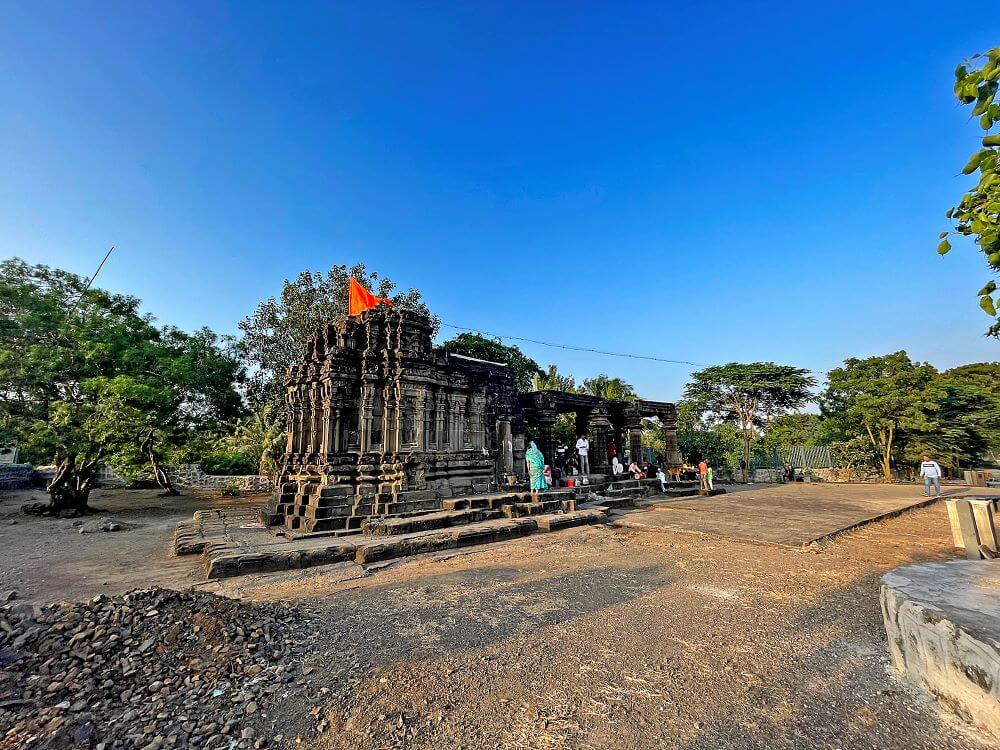
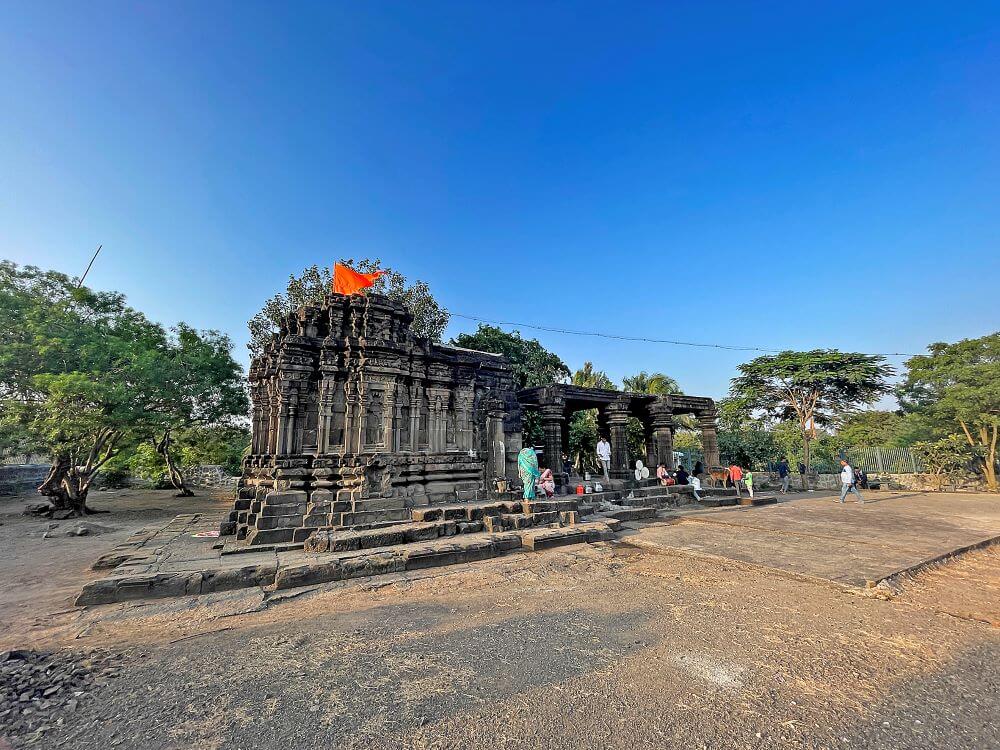
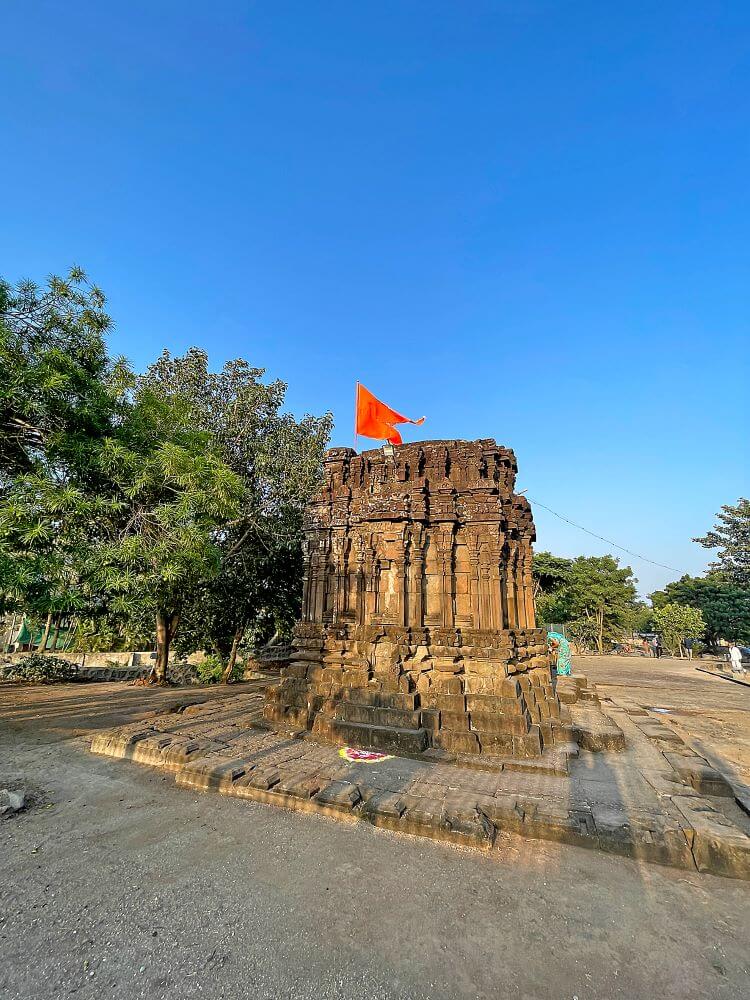
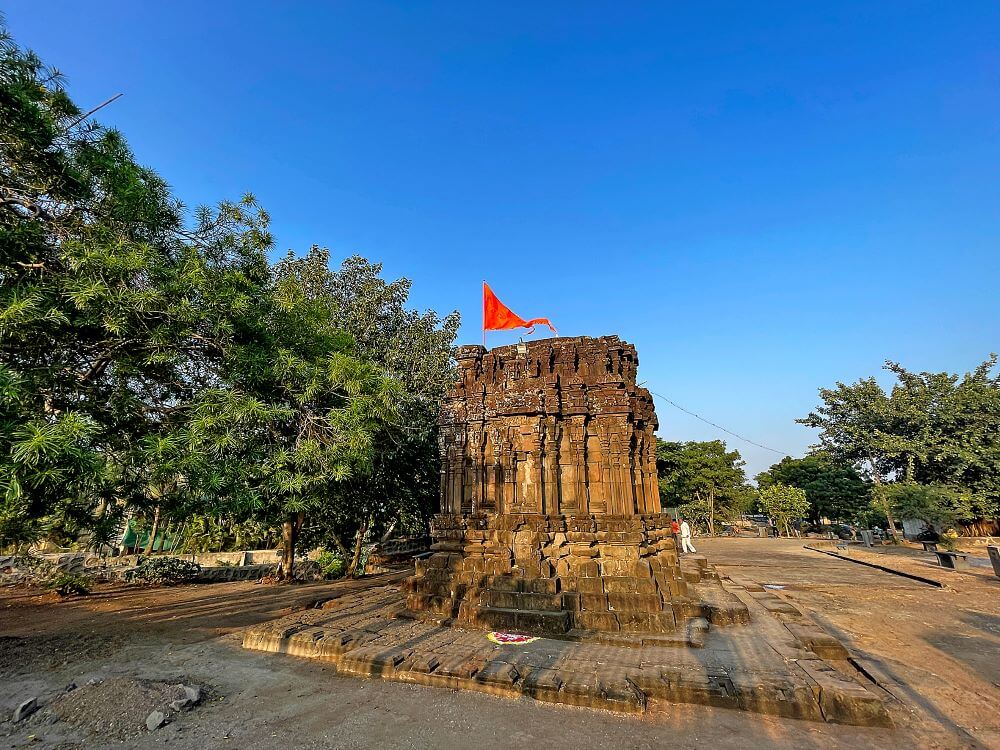
Shop Photo FramesDuring the Yadava period, Sinnar in Nashik was a capital city. It was during this very period that 12 Jyotirlingas were established in Sinnar city. Among these artistic creations, the Aishwarya Mandir, holding a place of honor, is situated on the banks of the Saraswati River in a picturesque natural setting. This temple is renowned as the only temple built in the Southern style throughout the entire Nashik district. This temple is also known as Ayeshwar and Aishwaryeshwar.
The Aishwarya Mandir is located in Sinnar city, close to the Nashik-Pune highway. This ancient temple is considered a feast for scholars of sculpture. The temple faces east (Purvabhimukh) and its structure comprises a Sabhamandap (assembly hall), Antarala (vestibule), and Garbhagriha (sanctum sanctorum). The Sabhamandap appears somewhat detached from the main temple. The intricately carved pillars in the Sabhamandap are exquisite examples of sculptural art. On these pillars, Surasundaris (celestial nymphs) are carved on the lower part, while Bharavahak Yakshas (load-bearing Yakshas) are seen carved at the upper ends. At the entrance of the Antarala of Aishwarya Mandir, there are niches designed for lighting lamps.
On the arch of the Antarala, a Chaitya Gavaksha (arch motif) design is carved, featuring sculptures of dancing Shiva and Parvati. In this semi-circular motif, there are two Makaras (mythical sea creatures) on either side, Shiva performing the Tandava in the center, with Parvati watching Shiva’s Tandava, and on the other side, Shiva’s Ganas (attendants) playing the Tasha (drum) – such is the scene depicted. Furthermore, in this semi-circular carving, small Yakshas are shown seated, and the vertical garlands and the garland of swans (Hansachi Maal) depicted here are carved with great intricacy. This composition is also known as ‘Makara Torana’ (distinctive sculptures emerging from the mouths of two crocodiles). In temple architecture, the Antarala holds special significance, and it is evident that similar importance has been given to the Antarala of the Aishwaryeshwar Mandir.
On the ceiling (Vitana) of the Antarala of Aishwarya Mandir, there are Ashtadikpalas (eight deities guarding the eight directions). These include sculptures of Indra in the East, Agni in the Southeast, Yama in the South, Niruti in the Southwest, Varuna in the West, Vayu in the Northwest, Kubera in the North, and Ishan in the Northeast.
On the Lalata (lintel) of the Garbhagriha, Saptamatrukas (Seven Divine Mothers) are carved, with Shiva accompanied by Ganas on the left side, and Ganesha and Bhairava on the right side. Such eleven sculptures are on the Lalata of the Antarala of Aishwarya Mandir. Furthermore, on the Lalatabimba (central panel) of the doorframe (Dwarashakha) of the Garbhagriha, there is Gajalakshmi. Below this, there are sculptures of Sheshashayi Vishnu and Brahma.
On both sides of the entrance to the sanctum (Gabhara), there are Dwarapalas (door guardians). There is not much intricate carving within the Garbhagriha of the temple. Inside, there is a stone Shivling. According to the mention in the treatise ‘Sthanapothi: An Archaeological Study’, this temple is believed to have been built approximately in the last quarter of the eleventh century, during the reign of Paramdev, son of Seunachandra Yadava. As this temple has been declared a protected monument, the Department of Archaeology is striving to preserve its beauty. The Department of Archaeology has fenced the temple premises and provided many facilities around the temple. Despite being in a bustling part of the city, one can experience profound tranquility within these temple premises. Along with numerous devotees, history enthusiasts, scholars of sculpture, and tourists make it a point to visit this temple. Devotees can visit the temple for Darshan (sacred viewing) between 7 AM and 9 PM.
This sacred temple stands as a testament to deep spiritual devotion, ancient architectural grandeur, and rich local cultural traditions.
The sanctum sanctorum houses the divine idol consecrated according to ancient Vedic traditions, surrounded by serene courtyards and traditional temple architecture.
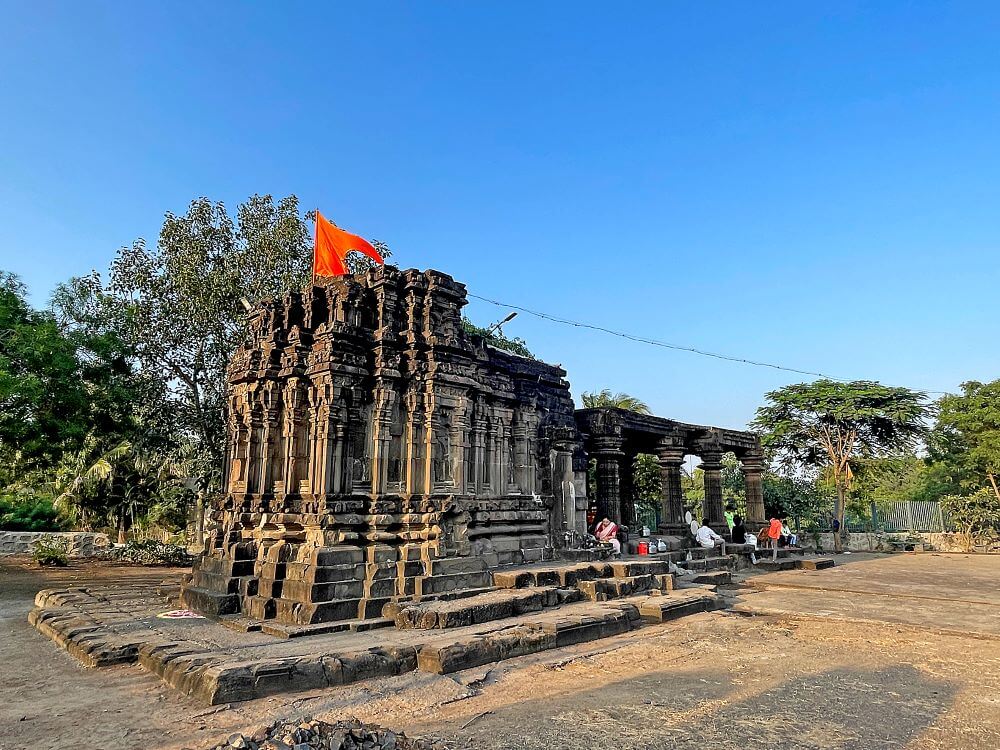
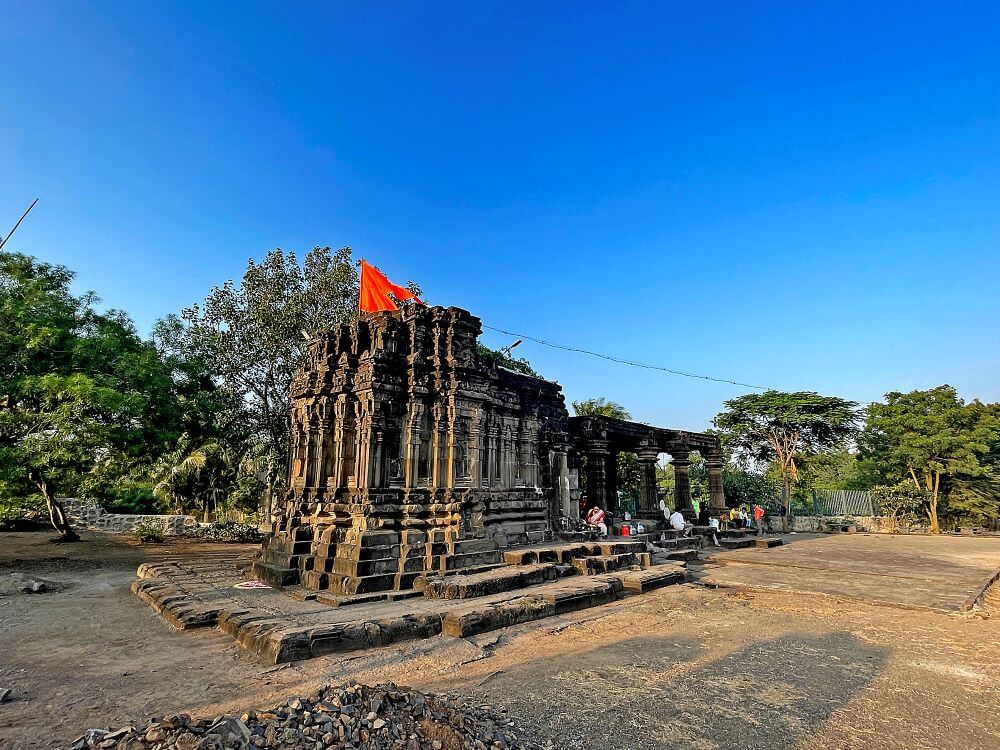
Navratri, Maha Shivratri, Annual Temple Jatra & Deepotsav
Compare and book flights, secure top-rated local hotels near the temple, hire reliable guides, and rent cars instantly.
Extend your pilgrimage by visiting other highly sacred temples located nearby.


Add ₹999 more to unlock FREE SHIPPING!
Your sacred cart is currently empty.
Shop Photo FramesFill in your delivery details below to place your order.
Add comment