
Add ₹999 more to unlock FREE SHIPPING!
Your sacred cart is currently empty.
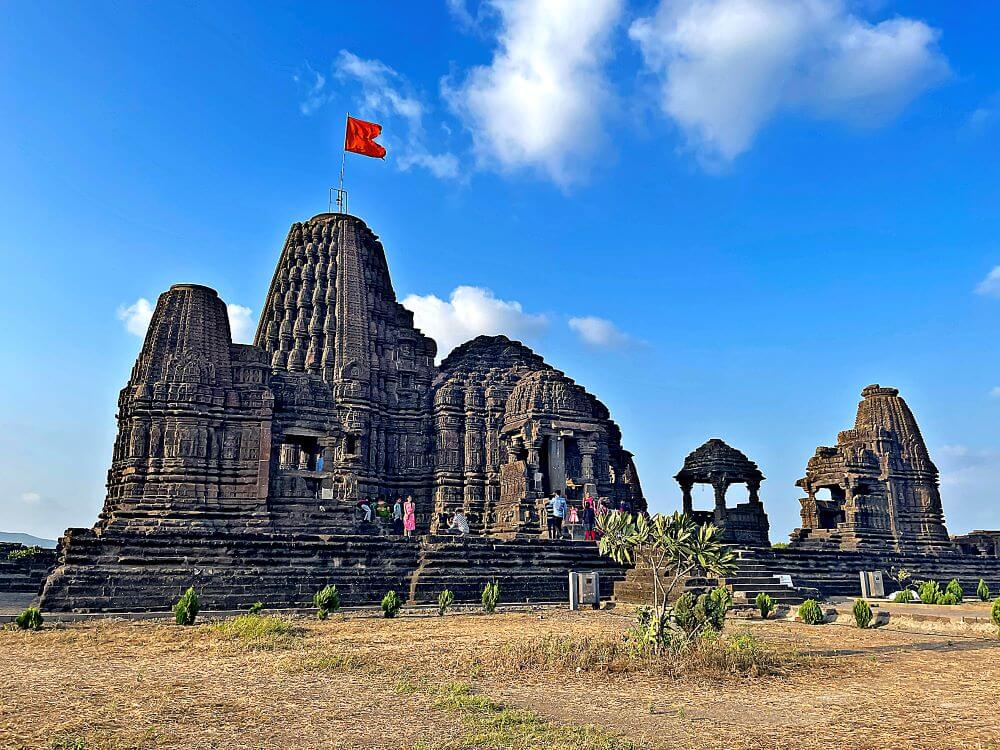
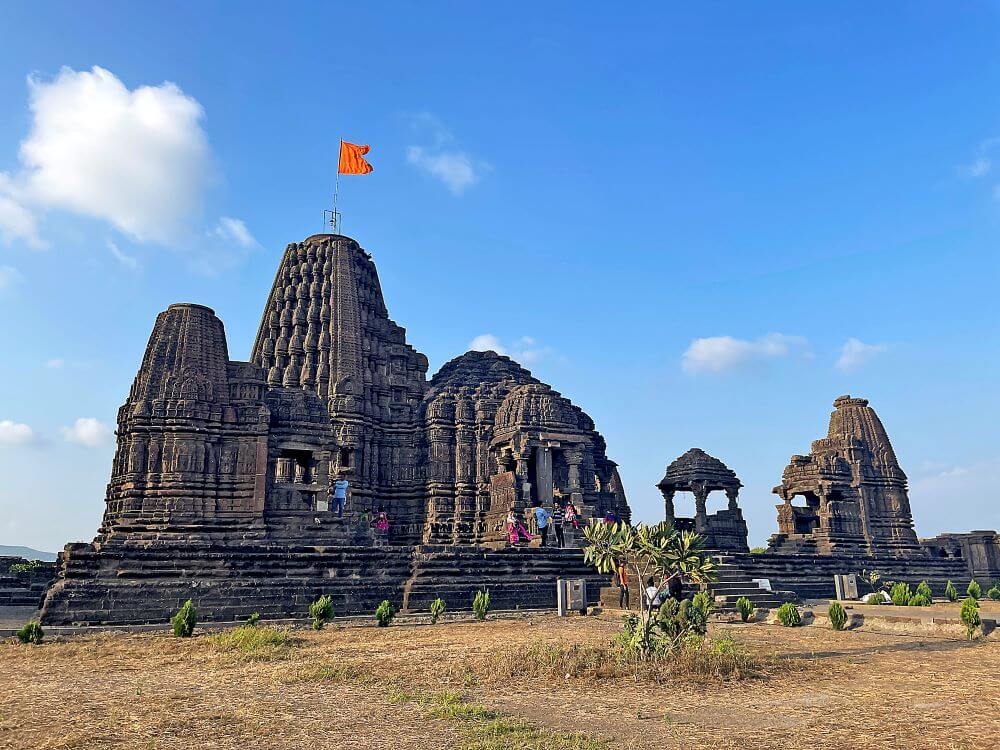
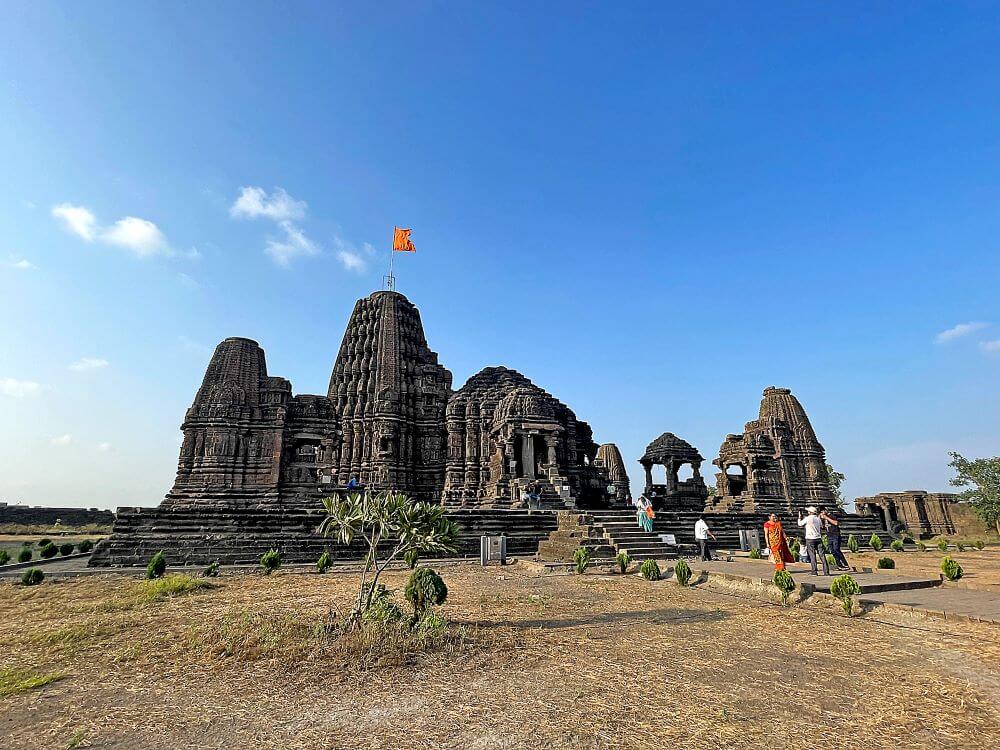
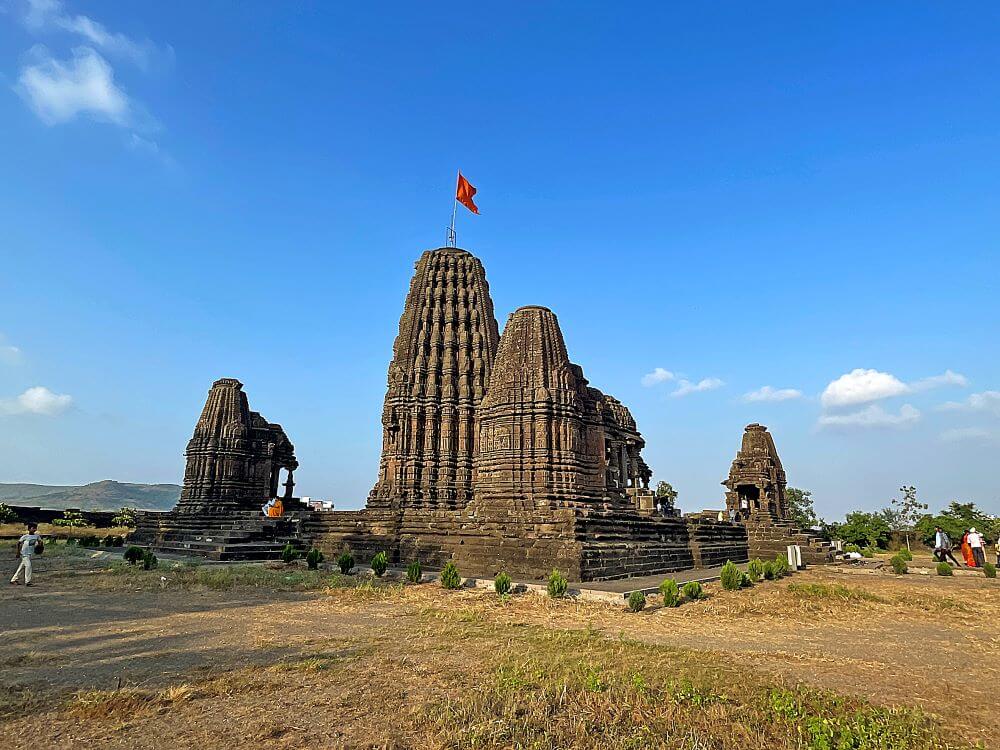
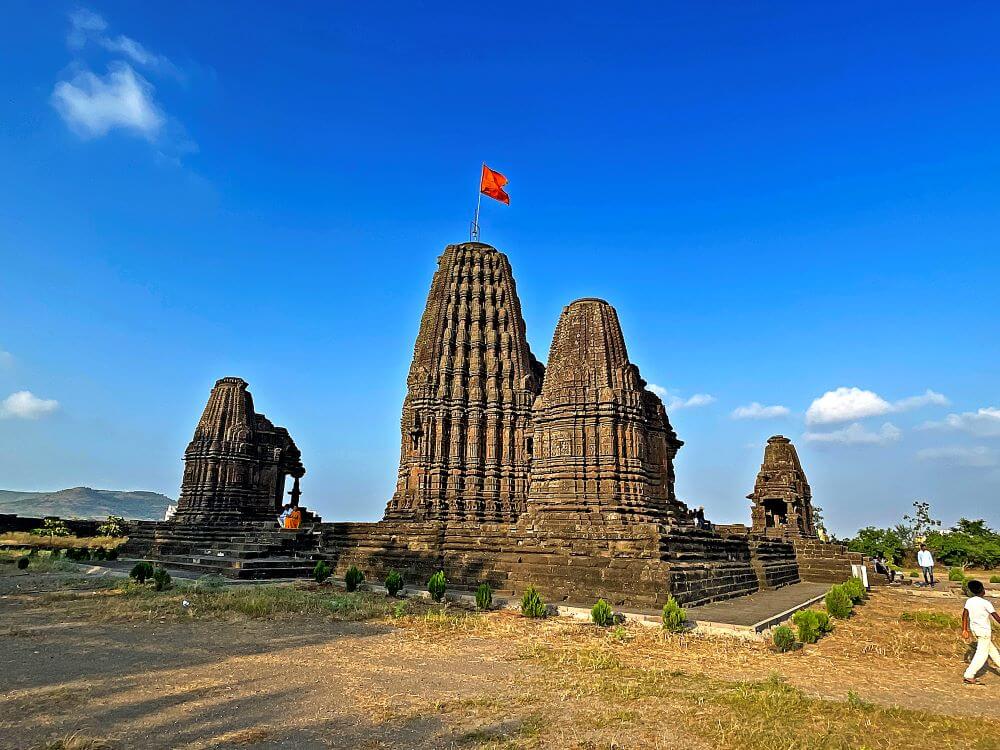
Shop Photo FramesNashik, a spiritual and religious center for all of Maharashtra, is home to temples from various historical eras. Among these, the Yadava-era Gondeshwar Temple, the focal point of Sinnar city, is renowned. A masterpiece of temple architecture, Gondeshwar is a ‘Shiv Panchayatana’—a complex of five temples. This unique stone architectural marvel bears a resemblance to the ancient Shiva temple in Ambarnath, Thane district.
The Gondeshwar Temple has a background rooted in the Yadava dynasty. King Rao Singhuji founded the city of Sinnar. After him, his son, King Rao Govinda, built this temple in the twelfth century. The temple was constructed using local black basalt rock. It is mentioned that the cost of building the temple at that time was two lakh. The temple was named ‘Gondeshwar’ after him. According to some historians, this Gondeshwar temple may date back to the Chalukya dynasty, approximately 3000 years ago.
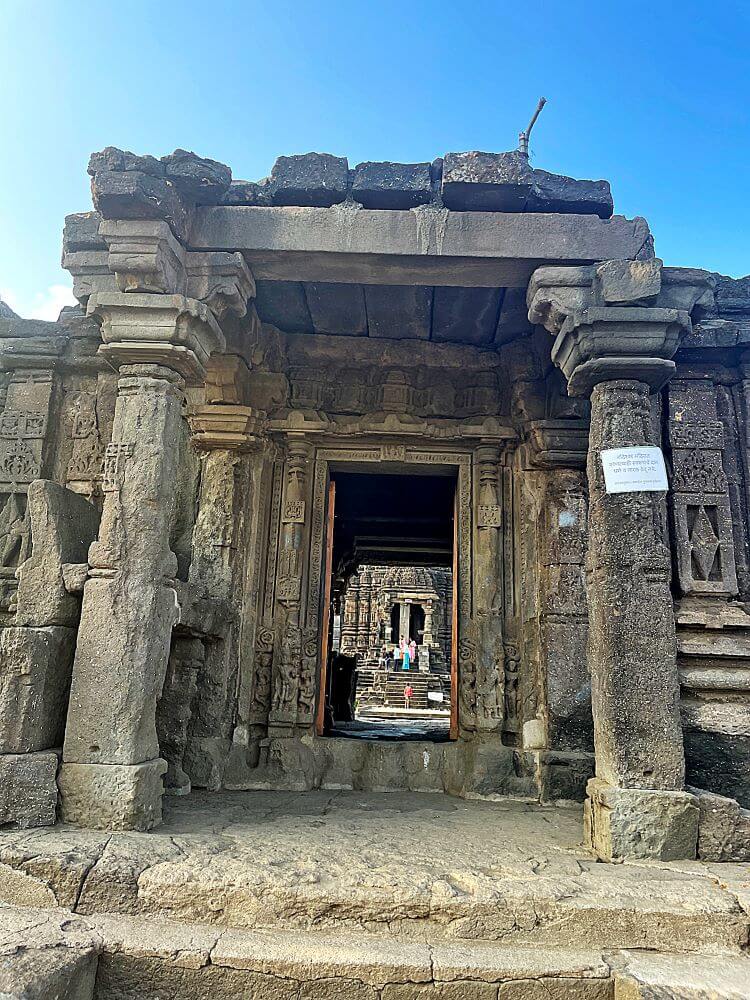
The temple is fortified and features a main porch and entrance on the southern side. To the left of the entrance, there are rooms inside. It is said that there was once a Yajnashala (sacrificial hall) here. The temple is designed in the Shaiva Panchayatana style. In this style, there are slightly smaller temples at the four corners of the main temple. The Gondeshwar temple is built on a large rectangular stone platform measuring 125 x 95 feet. At the base, there are numerous elephant head sculptures, creating the illusion that the entire weight of the temple rests upon them. The layers above feature intricate human sculptures, followed by a layer of niches (Devakoshthakas), and further ornate carvings.
The east-facing main temple of Mahadeva is in the Bhumija style (a style characterized by the arrangement of small, stacked spires). There are four temples: Vishnu in the southeast, Ganapati in the southwest, the Goddess in the northwest, and Surya in the northeast. The first Bhumija-style temple in Maharashtra is in Ambarnath, followed by the Gondeshwar temple. Many similarities are found between the Ambarnath and Gondeshwar temples. This temple can be entered from three sides: east, west, and north. Entering through the eastern gate, one finds a carved stone Nandi Mandapa in front of the main temple. It features many carvings of celestial beauties (Sursundaris) and scenes from the Ramayana. Near the Nandi Mandapa is a Shiva Linga. From there, the temple structure proceeds through the Sabha Mandapa (assembly hall), Antarala (vestibule), and Garbhagriha (sanctum sanctorum). The four pillars in the Sabha Mandapa feature exquisite sculptures of various deities, Yakshas, and Gandharvas. One sculpture depicts a loving couple in an intimate moment, with one maiden standing with her back turned and another with her eyes closed. Another sculpture shows a mother cradling her child. Such distinctive sculptures can be seen everywhere here. Similar artistry is visible in the temple’s Antarala.
As one moves from the Antarala to the Garbhagriha, the entrance displays carvings of Dvarapalas (gatekeepers) along with various geometric designs. Inside the Garbhagriha is a Shiva Linga made of black stone. A ‘Kiranotsav’ (festival of rays) is celebrated here on Ratha Saptami (Magh Shuddha Saptami). During this time, for four days, the sun’s rays fall directly onto the Shiva Linga for a short period in the morning. A lotus flower is carved onto the inner dome of the sanctum.
As one exits the main temple, the walls display carved scenes from the Ramayana, erotic sculptures, and battle scenes. The main temple is adorned with hundreds of sculptures from the base to the spire. The spire features floral vine patterns. Additionally, the spire depicts Shiva performing the Tandava dance along with other figures.
The exterior of the Gondeshwar temple features images of Apsaras, deities, dancing maidens, Lord Brahma, women churning butter, Saraswati mounted on a swan, Gajalakshmi, and other sculptures depicting the social life of that era. A short distance from the main temple are the temples of Ganapati, Parvati, Surya, and Vishnu. These four temples, each with its own Sabha Mandapa and Garbhagriha, feature intricate carvings similar to the main temple. Their inner and outer walls also house many unique sculptures. The first temple contains a stone idol of Ganesha. The second temple houses an attractive idol of Mother Parvati adorned with ornaments. The Surya temple faces west, and the rays of the setting sun fall on the idol for a few days of the year. Along with the Vishnu temple, all these shrines are rich in artistic detail.
The drainage path for the water used in the Abhishek (ritual bathing) of the Shiva Linga in the main temple ends in a Makara-mukha (crocodile-faced spout). The design ensures that the water flowing from the Makara-mukha reaches the surrounding fields and trees. It is said that Chakradhar Swami stayed in this temple for four months to perform penance. The Archaeological Department of the Government has declared this temple a protected monument. The temple sees a large influx of devotees on Mondays in the month of Shravan and on Mahashivratri.
This sacred temple stands as a testament to deep spiritual devotion, ancient architectural grandeur, and rich local cultural traditions.
The sanctum sanctorum houses the divine idol consecrated according to ancient Vedic traditions, surrounded by serene courtyards and traditional temple architecture.
Navratri, Maha Shivratri, Annual Temple Jatra & Deepotsav
Compare and book flights, secure top-rated local hotels near the temple, hire reliable guides, and rent cars instantly.
Extend your pilgrimage by visiting other highly sacred temples located nearby.


Add ₹999 more to unlock FREE SHIPPING!
Your sacred cart is currently empty.
Shop Photo FramesFill in your delivery details below to place your order.
Add comment