
Add ₹999 more to unlock FREE SHIPPING!
Your sacred cart is currently empty.
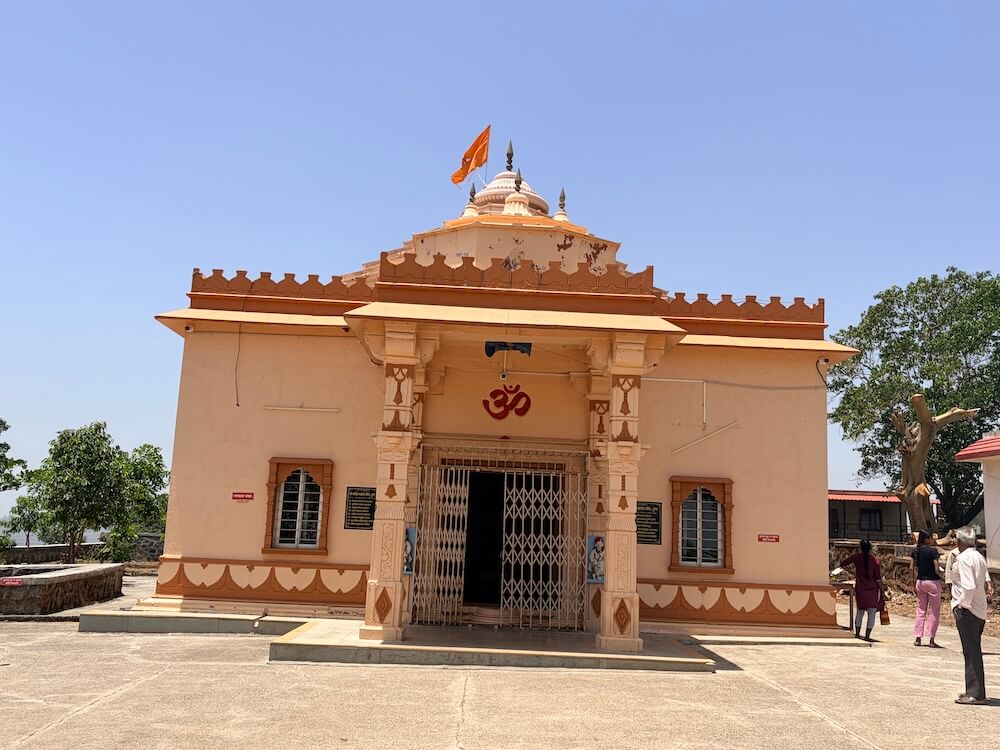
Shop Photo FramesThe Jarsheshwar Mahadev Temple is situated atop a high hill within the boundaries of Sangrun village in the Haveli taluka of Pune district. This ancient Shiva shrine, mentioned in historical records as ‘Jersa’, is nestled in the backwater region of the Khadakwasla Dam and the Mutha River valley. This site stands as a witness to the rich history of the Sahyadri range. The temple has a direct connection to the anti-Mughal campaign launched by Chhatrapati Shivaji Maharaj from the Lal Mahal. The surrounding lush greenery, waterfalls, and the views of Sinhagad and Torna forts have made this temple a place of reverence for devotees of Shiva, nature lovers, and tourists alike.
The Jarsheshwar Mahadev Temple is referenced in the struggle for the establishment of Hindavi Swarajya by Chhatrapati Shivaji Maharaj. In April 1663, the Mughal commander Shaistakhan had camped in Pune’s Lal Mahal with his Mughal forces. To neutralize him, on the midnight of April 5, 1663, Shivaji Maharaj, along with his Mavlas, raided the Lal Mahal. Mavlas such as Tanaji Malusare, Chandji Jedhe, Sarjerao Jedhe, and Chimnaji Deshpande accompanied the Maharaj in this mission. In the ensuing skirmish, Shaistakhan’s fingers were severed, and his son Abdul Fateh was killed. Following this defeat, the Khan fled the scene.
After this attack on the Lal Mahal, the Mughal army began searching for Shivaji Maharaj. To confuse the Mughal forces, the Maharaj had devised a strategy. He had positioned several units of Mavlas near Katraj Ghat, Hingne Khurd, Hingne Budruk, and the banks of the Mutha River. These units blew horns and drums, forcing the Mughal army to rush towards the Katraj Ghat. It is from this incident that the idiom ‘showing the Katraj Ghat’ (leading someone astray) originated. Meanwhile, Chhatrapati Shivaji Maharaj exited the Lal Mahal through the Dindi gate and traveled secretly through the hilly terrain of Bhugaon, arriving at the Jarsheshwar Mahadev Temple, located on the hill bordering Sangrun and Mandvi Budruk villages, at midnight. The Jarsheshwar hill served as a secret, unpatrolled route for the movement between the forts of Torna, Rajgad, and Sinhagad. Upon reaching this plateau, the Maharaj offered prayers to Mahadev and rested for a while. Thereafter, crossing the Mutha riverbed, the Maharaj reached Sinhagad via the Osadjai temple, Nigade Mose, Varadade, Malkhed, and the Kalyan Darwaza.
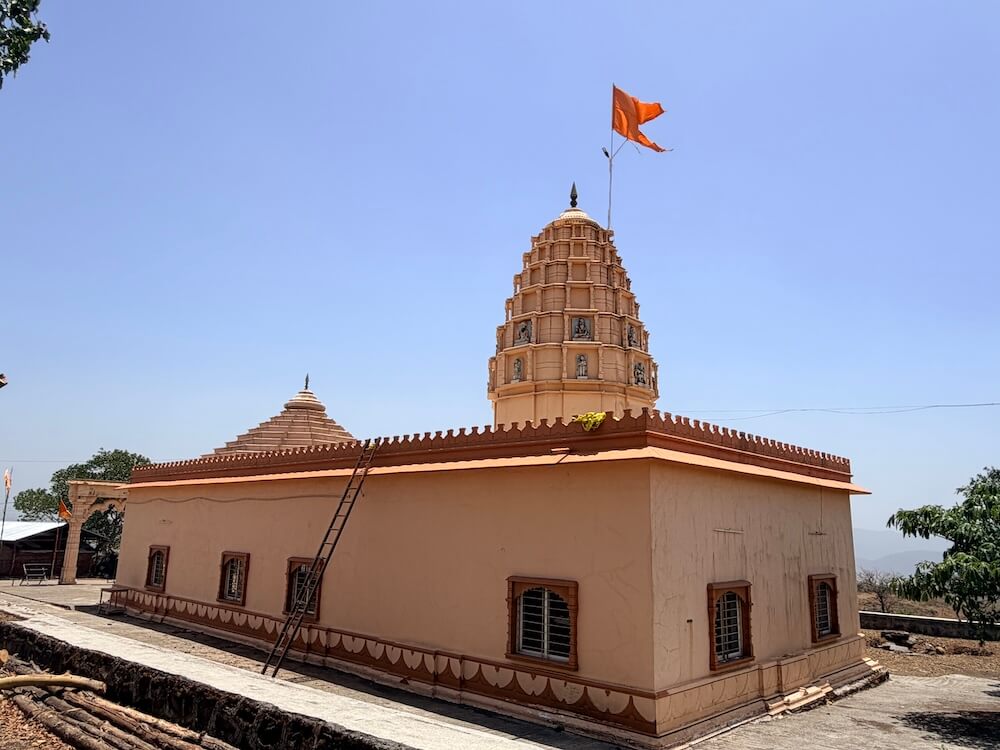
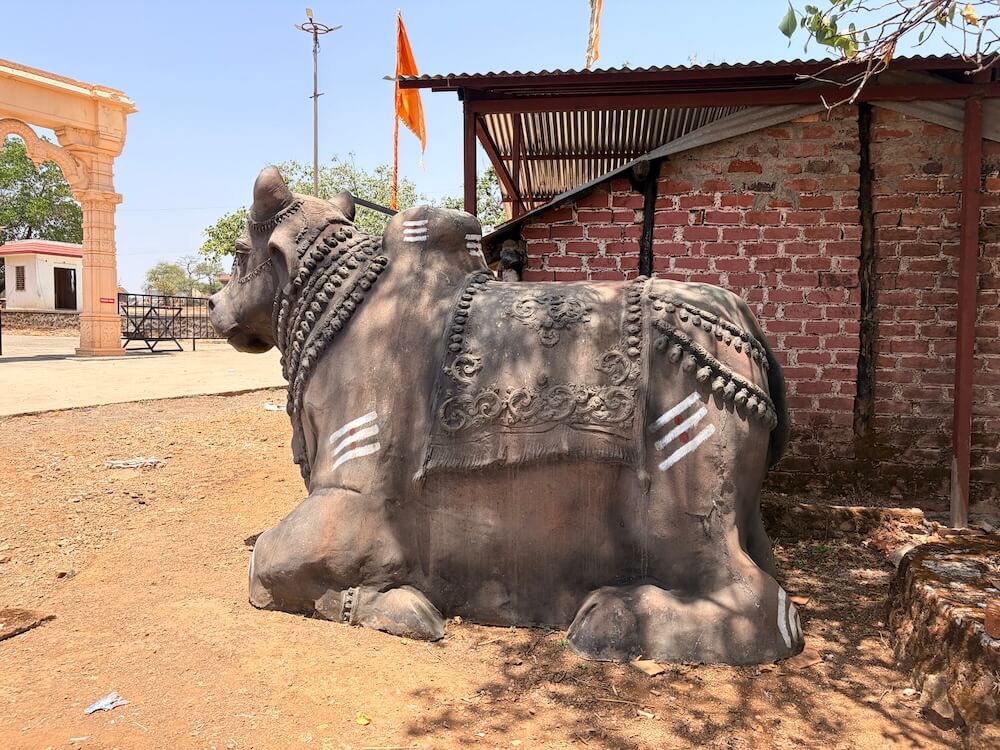
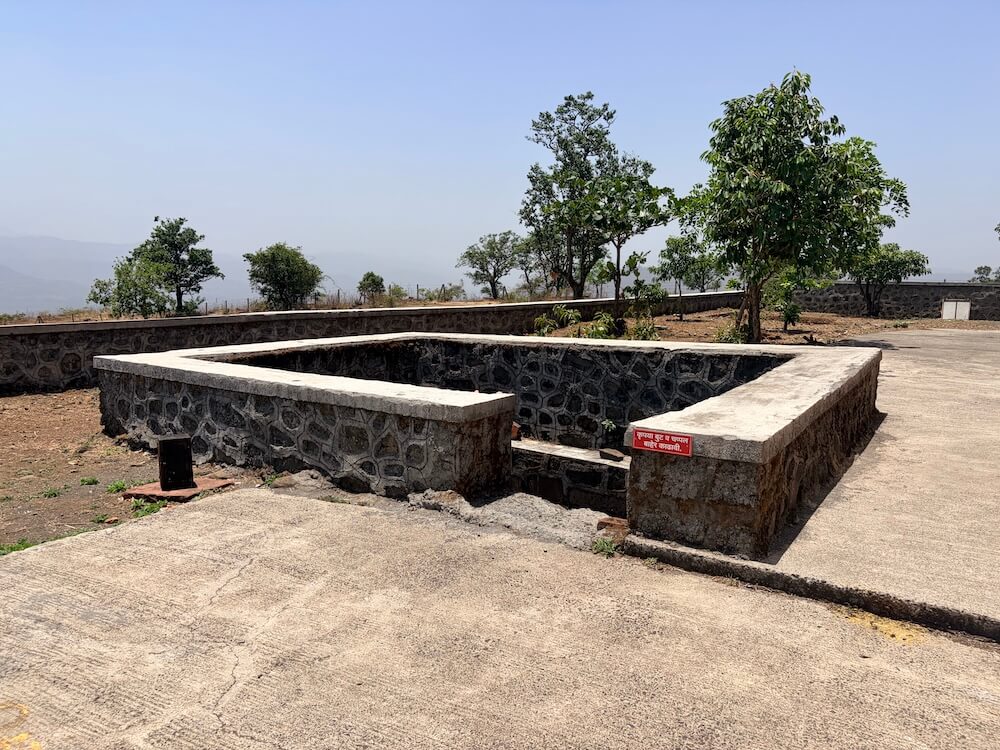
Considering its architecture, it is evident that the construction of the Jarsheshwar Mahadev Temple dates back to ancient times. Based on the carved stone pillars and the motifs engraved upon them, historians conclude that this temple likely dates back to the 8th century. In the outer premises of the temple, there are several hero stones (virgals), some old Shiva lingas, Nandi idols, and remnants of other sculptures. Behind the temple, there is a square stone tank carved into the rock. Around this tank are stone remnants of an ancient trade route. When the British built the Khadakwasla Dam in 1879, many footpaths from the era of Shivaji Maharaj and the original Osadjai temple were submerged in the dam waters. However, the Jarsheshwar temple, situated at a high altitude on the hill, remains intact to this day, standing as a witness to history.
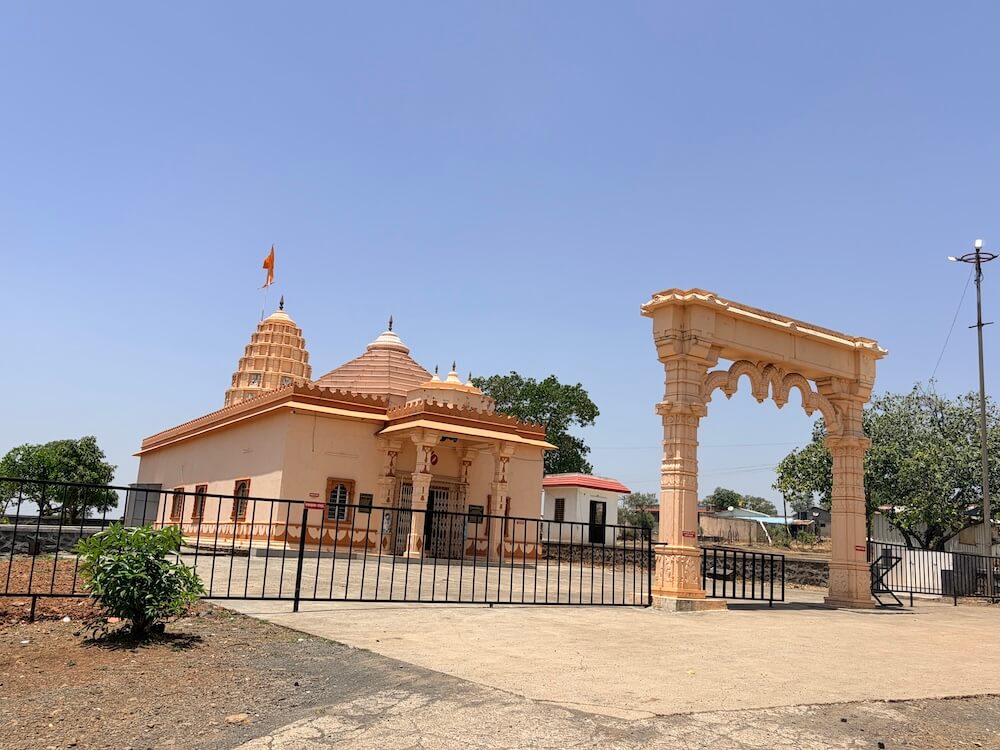
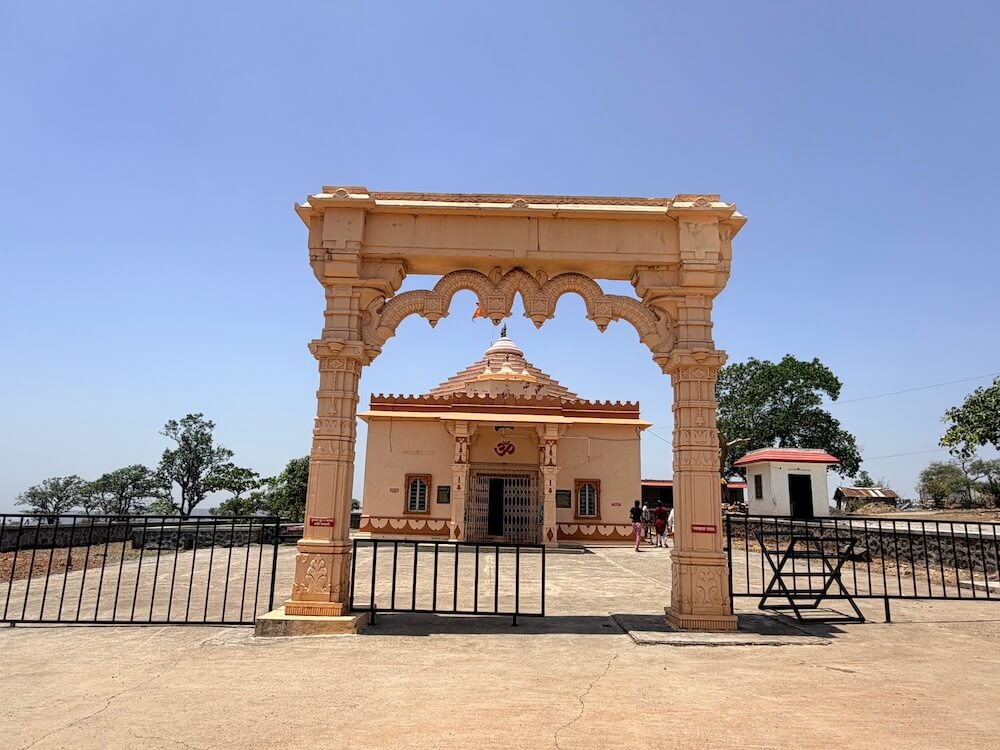
There are two routes to reach here. The first route starts from Warje and leads via the NDA road, Kudje, and Mandvi Budruk towards the Jarsheshwar Phata and the hill pass. The second route is via Sinhagad Road, passing near the Khadakwasla Dam, under the dam bridge, and continuing through Kudje and Mandvi to Jarsheshwar. The winding hill road is approximately 3 to 4 kilometers long. Since the Jarsheshwar hill is currently private property, it is mandatory to register your vehicle and name at the security checkpoint at the beginning of the pass. One enters the temple courtyard through an archway on the Jarsheshwar hilltop. The temple structure consists of a Darshan Mandap (viewing hall), Sabha Mandap (assembly hall), and Garbhagriha (sanctum sanctorum). Each of these sections is topped by a shikhara (spire). The shikhara above the Darshan Mandap has three kalashas. The ceiling of the Sabha Mandap is octagonal and stepped. The shikhara above the Garbhagriha has six tiers, each containing niches for deities. The niches in the first two tiers house idols of various gods and goddesses.
The Darshan Mandap of the temple has two pillars at the entrance, leading into the Sabha Mandap. On both sides of the entrance to the Sabha Mandap are images of dwarapalas (gatekeepers). In this hall, there is an idol of Nandi on a pedestal, with a tortoise sculpture behind it. The walls of the Sabha Mandap feature images based on episodes from the life of Lord Shiva. In front of the Sabha Mandap lies the Garbhagriha, which is the original temple. A circumambulation path (pradakshina marg) has been designed around the Garbhagriha from within the Sabha Mandap. On a pedestal to the left of the entrance to the Garbhagriha, there are stone idols of Ganpati, Hanuman, Bhairoba, and other deities. In the center of the Garbhagriha, on the floor, is a Shiva Linga carved from a single piece of stone. Behind the Linga, against the wall, are three idols: an idol of Ganesha with his trunk turned to the right on the left, Parvati in the center, and an idol of a goddess on the right. There is also a water tank carved into the rock within the temple premises.
Many festivals and celebrations are observed in the Jarsheshwar Mahadev Temple throughout the year in a traditional manner. The main festival at this temple is Mahashivratri. A fair is held on the day of Mahashivratri, and devotees flock to the hill for darshan. From the early hours of this day, special rituals such as Rudrabhishek, Dugdhabhishek, and the offering of Bel leaves and flowers are performed on the Shiva Linga. The temple premises are illuminated with lights and decorated with flowers. Programs such as chanting, bhajans, and kirtans are organized in the temple, and Mahaprasad is distributed to the devotees. On every Monday of the holy month of Shravan, devotees gather at the temple for the darshan of Mahadev. On the occasion of Shravani Mondays, an abhishek and grand puja are organized by the local villagers. Devotees can visit the temple for darshan between 6:00 AM and 8:00 PM.
This sacred temple stands as a testament to deep spiritual devotion, ancient architectural grandeur, and rich local cultural traditions.
The sanctum sanctorum houses the divine idol consecrated according to ancient Vedic traditions, surrounded by serene courtyards and traditional temple architecture.
Navratri, Maha Shivratri, Annual Temple Jatra & Deepotsav
Compare and book flights, secure top-rated local hotels near the temple, hire reliable guides, and rent cars instantly.
Extend your pilgrimage by visiting other highly sacred temples located nearby.


Add ₹999 more to unlock FREE SHIPPING!
Your sacred cart is currently empty.
Shop Photo FramesFill in your delivery details below to place your order.
Add comment