
Add ₹999 more to unlock FREE SHIPPING!
Your sacred cart is currently empty.
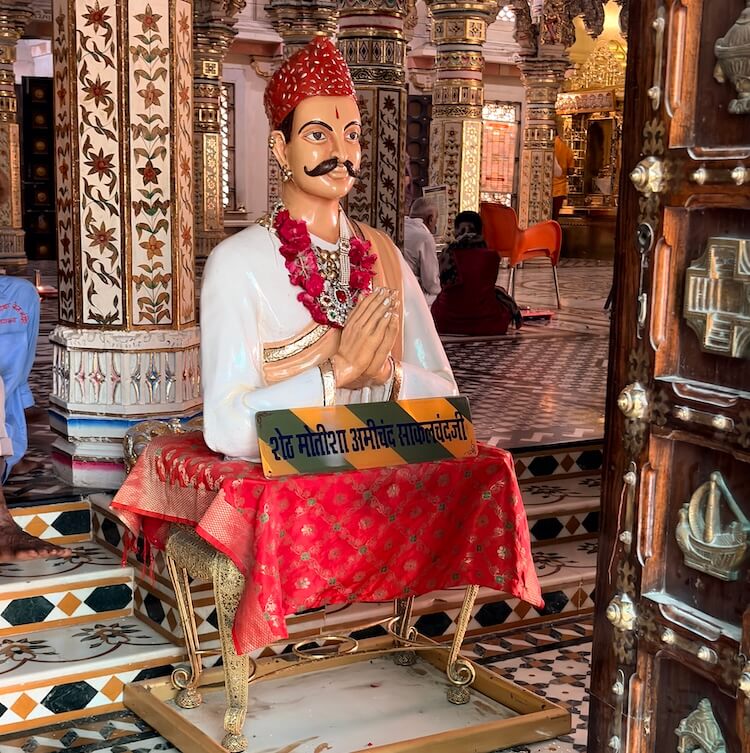
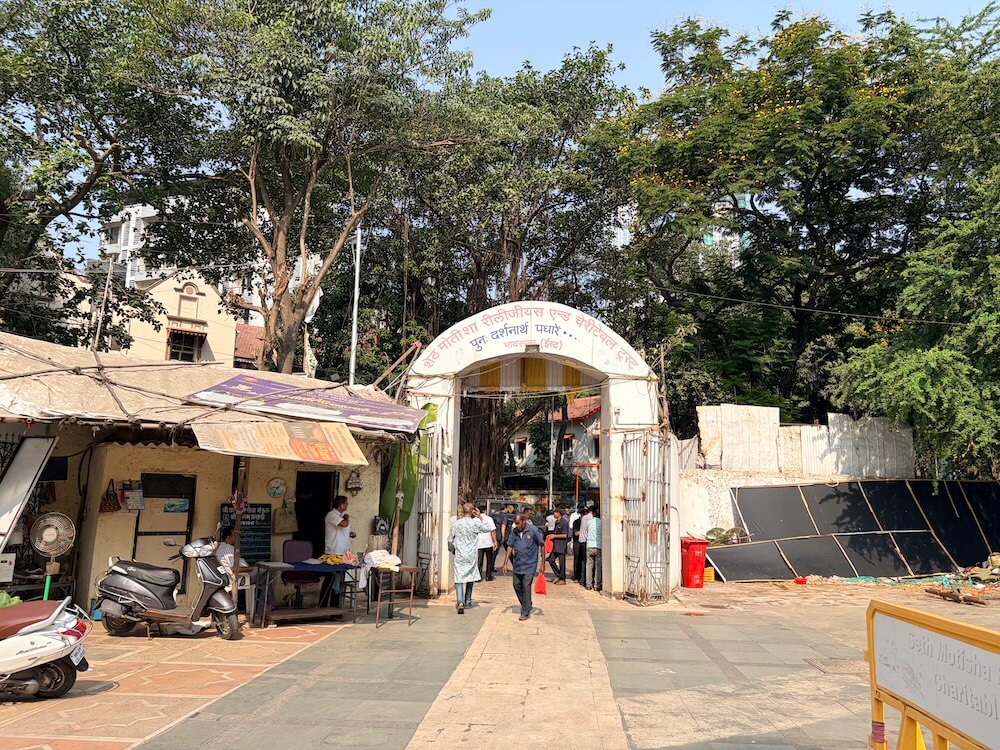
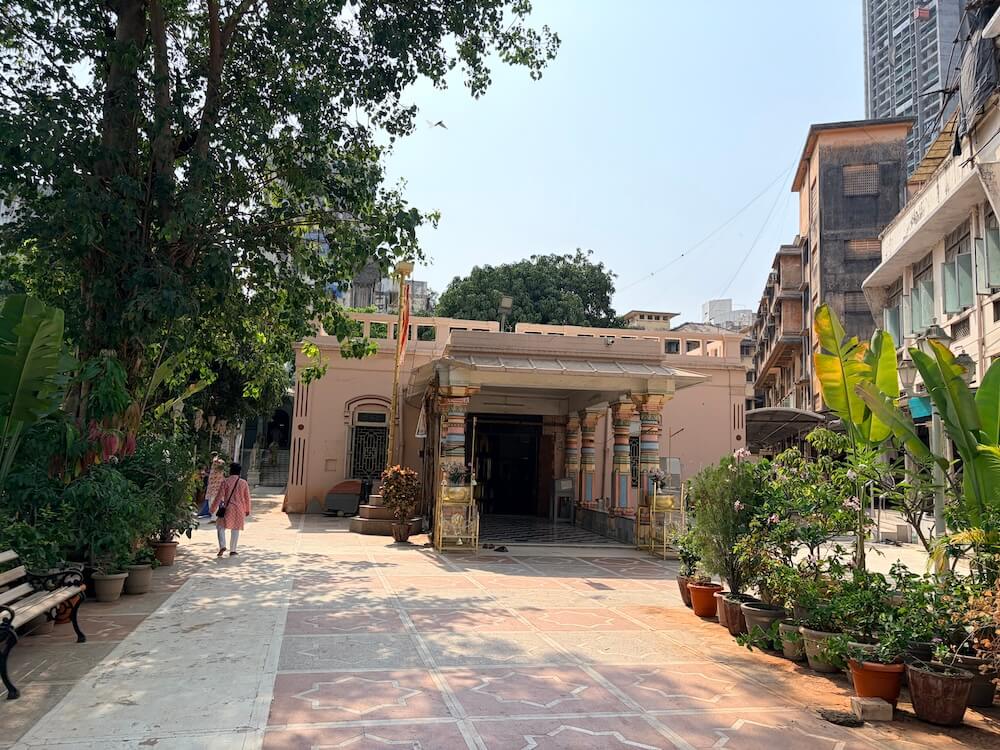
Shop Photo FramesLocated in the Byculla area of Mumbai, the Sheth Motisha Jain Derasar is a significant and historic site dedicated to Lord Adinath (Rishabhdev), the first Tirthankara of Jainism. The temple was established by the renowned 19th-century merchant and philanthropist Sheth Motichand Amichand, affectionately known to the people as ‘Motisha’. The history of this temple is intertwined with the commercial progress of Mumbai and the religious activities of the Jain community. Even today, the daily rituals and traditions here are observed according to the principles laid down in ancient Jain scriptures.
The history of the Byculla area in Mumbai is linked to many ancient and intriguing references. According to information in the ‘Gazetteer of Bombay City and Island’, there are two primary theories among researchers regarding the origin of the name Byculla. Some experts believe the name originated from the ‘Cassia fistula’ tree, known locally as ‘Bhava’ or ‘Bhaya’. The area where these trees were abundant in the low-lying land or ‘Khala’ (threshing floor) likely came to be called ‘Byculla’. The word ‘Khala’ also refers to a threshing floor for grain. Historical records mention that this entire region was once covered by vast forests of Bhava trees. Byculla was originally situated between the islands of Mazgaon and Parel, two of the seven islands of Mumbai. In the late 18th and early 19th centuries, this area was famous for agriculture, particularly horticulture. According to gazetteer records, the land level in this area was low and was later raised through landfill during the urbanization process. Sheth Motisha had established his residence and business offices in this very area. It is due to his work and his name that the road here is called ‘Sheth Motisha Lane’. This road is still located to the east of Byculla railway station and serves as the primary landmark for the location of this temple. Sheth Motisha helped establish a settlement in this area not only for himself but also for other members of the Jain community.
The Motisha Jain Derasar was founded by Sheth Motichand Amichand. He was born in the year 1782 in Khambhat, Gujarat. He was known as a highly skilled entrepreneur and maritime merchant. After repaying his father’s debts, he built his own vast business empire in just five years. He possessed a large fleet of 40 ships that traded from China to Bahrain. He broke the monopoly of British trade at that time and established the dominance of Indian trade. There was a special religious vow behind the establishment of this temple. While one of Motisha’s ships, laden with valuable goods, was returning from China to Mumbai, it got caught in a severe storm at sea. At that time, he took a vow that if this ship returned safely with all its cargo, he would spend a large portion of the profits earned from it on religious and charitable works. A few days later, his ship returned safely to the port of Mumbai, and in memory of this success and as an offering of his devotion, he undertook the grand task of building the ‘Motisha Tunk’ on Shatrunjaya Hill in Palitana, near Bhavnagar, in the state of Gujarat. Palitana is considered a highly important pilgrimage site for Jainism. There are hundreds of ancient Jain temples on Shatrunjaya Hill. The various groups of temples or independent temple complexes with fortifications on this hill are referred to as ‘Tunk’ in Jain terminology. The Motisha Tunk is the largest and most expansive temple complex on the hill. During this same period, he decided to build a grand temple of Lord Rishabhdev in Byculla for the convenience of the Jain brethren in Mumbai. This Derasar was established in the early 19th century, around the year 1830.
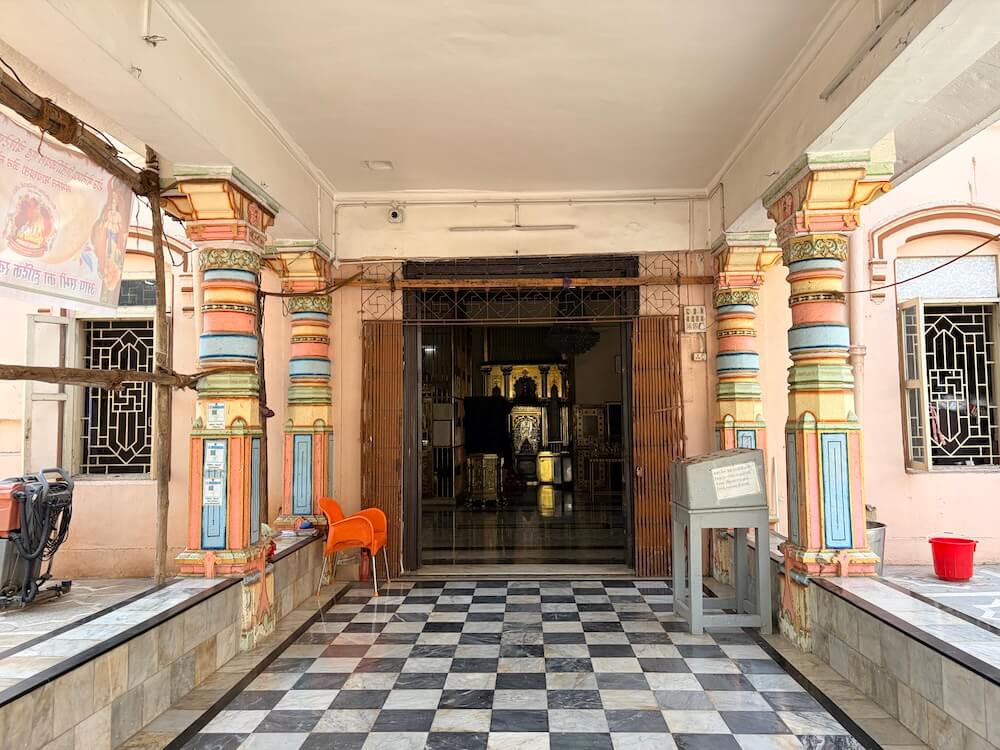
High-quality white marble was specially imported from Makrana in Rajasthan for the construction of the temple. The site where the temple stands today was previously a pond. This pond was filled in and the land leveled to lay the foundation of the temple. Great efforts were made at that time to store the water required for construction and to provide accommodation for the laborers. Approximately 1100 skilled artisans and 3000 laborers worked day and night on this grand project. Sheth Motisha passed away in the year 1836 during the period of Paryushan. After his death, his wife, Diwali Ben, completed all the remaining work of this temple along with the construction of the Dharamshala (pilgrim rest house) here. The construction of the Dharamshala cost 86,000 rupees at that time. The architecture of the Motisha Jain Derasar is primarily in the North Indian Nagara style. The influence of the Maru-Gurjara or Solanki architectural style of Western India is clearly visible. The design of temples in this style is extremely intricate, with very fine carvings. The temple’s plinth is elevated from the ground and features carvings in various layers. On this plinth are panels depicting elephants, horsemen, and various animals. The walls above the plinth and below the shikhara (spire) are ornate and decorated. The walls feature carvings of vines, flowers, geometric patterns, and mythological human figures. In the numerous niches on the exterior of the walls, idols of Tirthankaras and various deities are carved. Every corner of the walls is carved, with no part left blank. After climbing a few steps from the courtyard, one enters the Sabhamandapa (assembly hall) of the temple. On both sides of this stairway are two large and distinctively crafted marble elephants. These elephants, considered symbols of auspiciousness, add to the grandeur of this temple.
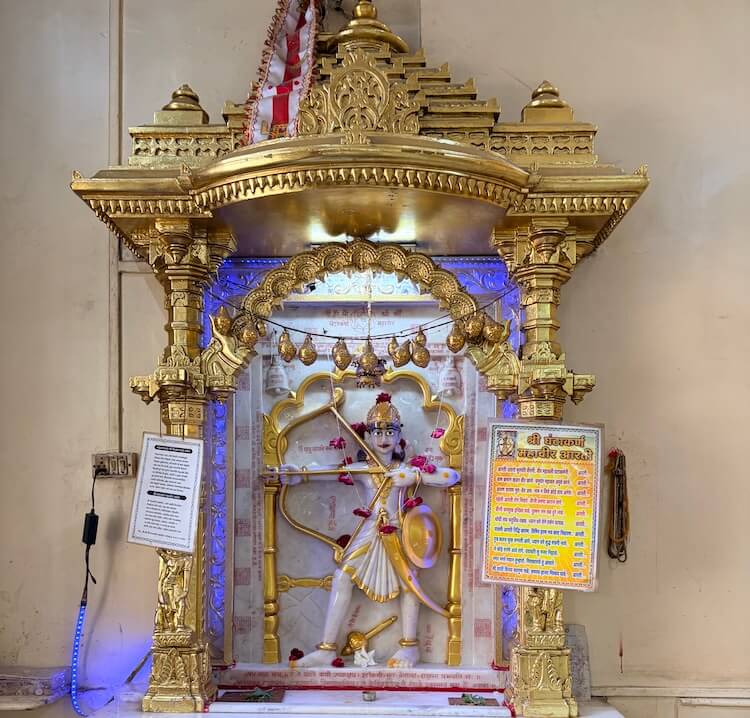
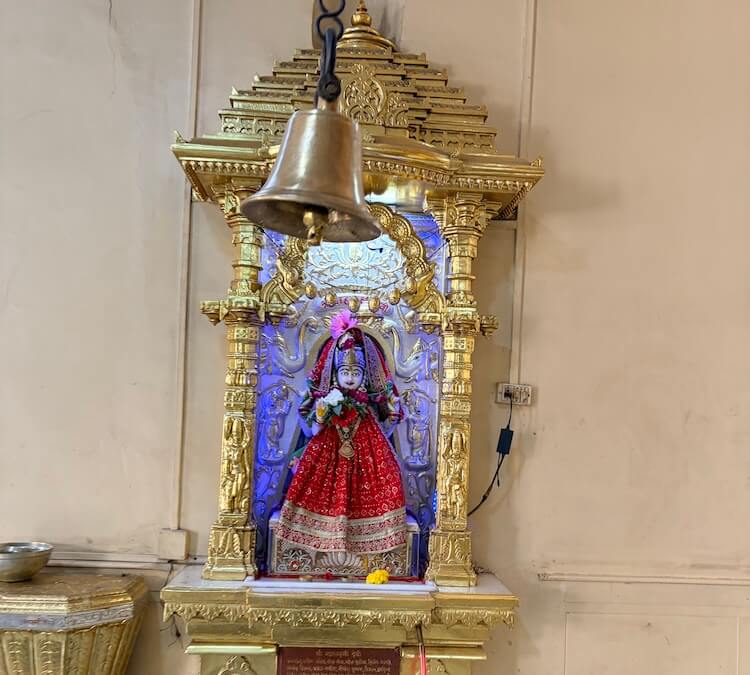
The marble pillars in the Sabhamandapa are carved with images of Apsaras, Gandharvas, and musicians. The ceiling of the Sabhamandapa is dome-shaped. Its interior depicts the zodiac signs and scenes from Jain stories. The main idol of Adinath is installed in the Garbhagriha (sanctum sanctorum) here. The entrance to the square-shaped Garbhagriha is adorned with silver carvings. Inside the Garbhagriha, white marble has been used on the walls. The iconography in the Motisha Jain Derasar is created according to the ancient rules of Jainism. The main deity, Lord Adinath, is carved from pure white Makrana marble stone. Lord Adinath is seated in the Padmasana posture, which is considered a symbol of meditation and inner peace. On the pedestal of the idol is the symbol of a bull, or Vrishabha. which is the identifying symbol of Rishabhadeva. On special occasions, the idol is adorned with gold and silver ornaments (Aangi). These include a crown, earrings, and necklaces. The auspicious Shrivatsa symbol is carved onto the chest of the idol. The idol has large, expressive eyes. According to devotees, the idol of Lord Adinath here is so powerful that seeing it evokes memories of the main Derasar at Palitana. The main spire of the temple, which tapers as it rises, is surrounded by many smaller sub-spires. This stepped structure creates the illusion of reaching towards the sky. The intricate carvings on the spire are highly distinctive. At the very top of the spire, there is a golden Kalash topped with a religious flag. Within the temple premises and on its walls, there are idols of various attendant deities. Among these is the idol of Goddess Padmavati, who serves as a guardian deity. Weapons such as a noose (Pasha), a goad (Ankusha), and a fruit can be seen in the hands of the Goddess. A separate image of Ghantakarna Mahavir, an important guardian deity in Jainism, can be seen in this temple in a heroic posture. In various corners and halls of the temple, miniature idols of the other 23 Tirthankaras are installed. All these idols are also made of white marble and are in a meditative posture.
The annual festivals and traditions of the Motisha Jain Derasar have significant historical contexts. Paryushan Parva is the most important period in the Jain religion. Seth Motisha passed away during this very period. Therefore, this festival is given special importance here. During these eight days, special discourses, readings of the Kalpasutra, and special decorations of the idol, known as Angarachana, are performed in the temple. On the day of Samvatsari, thousands of devotees gather here to seek forgiveness from one another. On the occasion of Lord Mahavir’s birth anniversary, known as Mahavir Janma Kalyanak, a grand procession is taken out from this area. At this time, many Jains from Mumbai are present to experience the ceremony of the flower-decorated palanquin and chariot. On Kartik Purnima, when the main pilgrimage to Palitana begins, those devotees who cannot travel there come to this temple in Byculla to seek the blessings of Lord Adinath. On this day, the entire temple is specially illuminated. Upadhan Tap and religious camps are organized here from time to time. Additionally, the temple trust periodically provides food to the poor, medical aid, and scholarships to needy students. Devotees can visit the temple daily from 6 in the morning to 8 at night.
This sacred temple stands as a testament to deep spiritual devotion, ancient architectural grandeur, and rich local cultural traditions.
The sanctum sanctorum houses the divine idol consecrated according to ancient Vedic traditions, surrounded by serene courtyards and traditional temple architecture.
Navratri, Maha Shivratri, Annual Temple Jatra & Deepotsav
Compare and book flights, secure top-rated local hotels near the temple, hire reliable guides, and rent cars instantly.
Extend your pilgrimage by visiting other highly sacred temples located nearby.


Add ₹999 more to unlock FREE SHIPPING!
Your sacred cart is currently empty.
Shop Photo FramesFill in your delivery details below to place your order.
Add comment