
Add ₹999 more to unlock FREE SHIPPING!
Your sacred cart is currently empty.
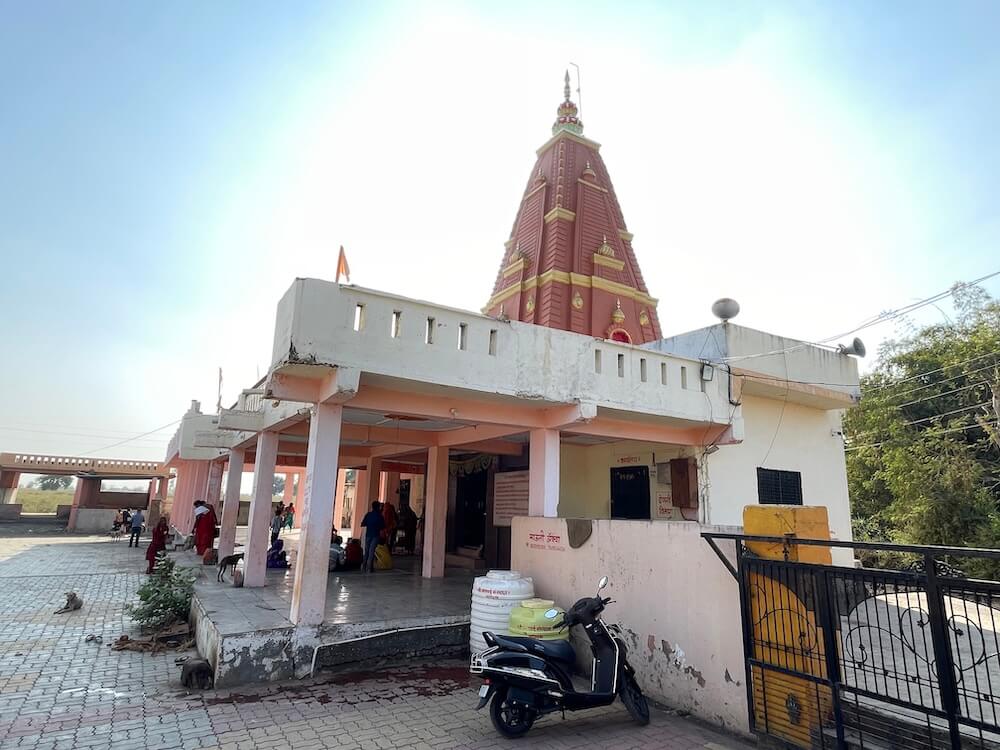
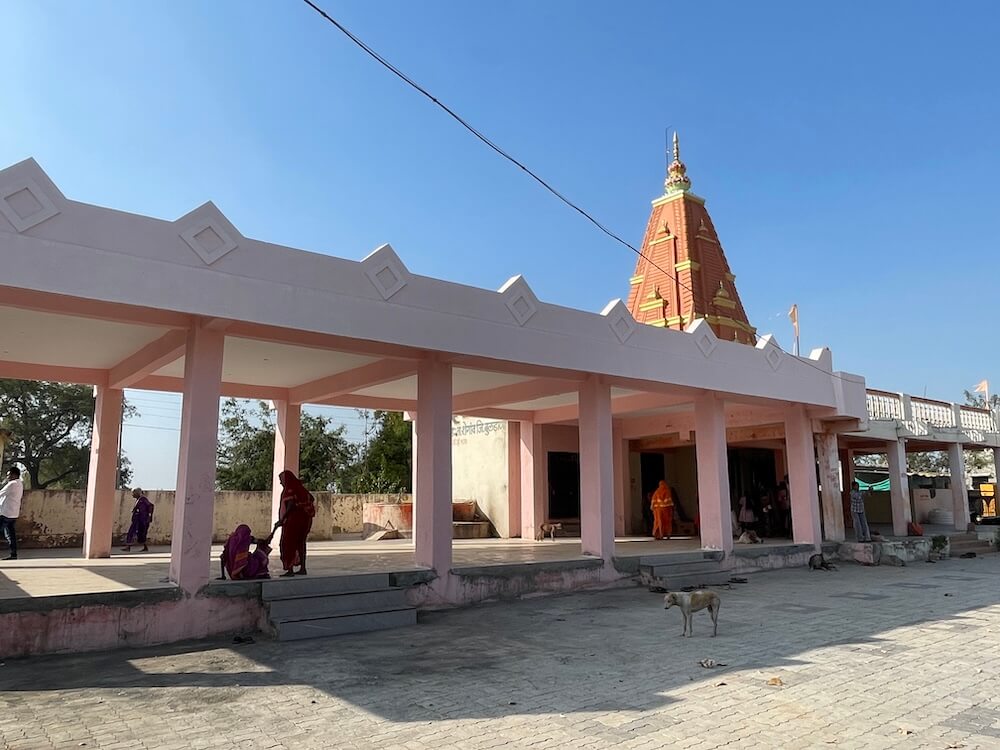
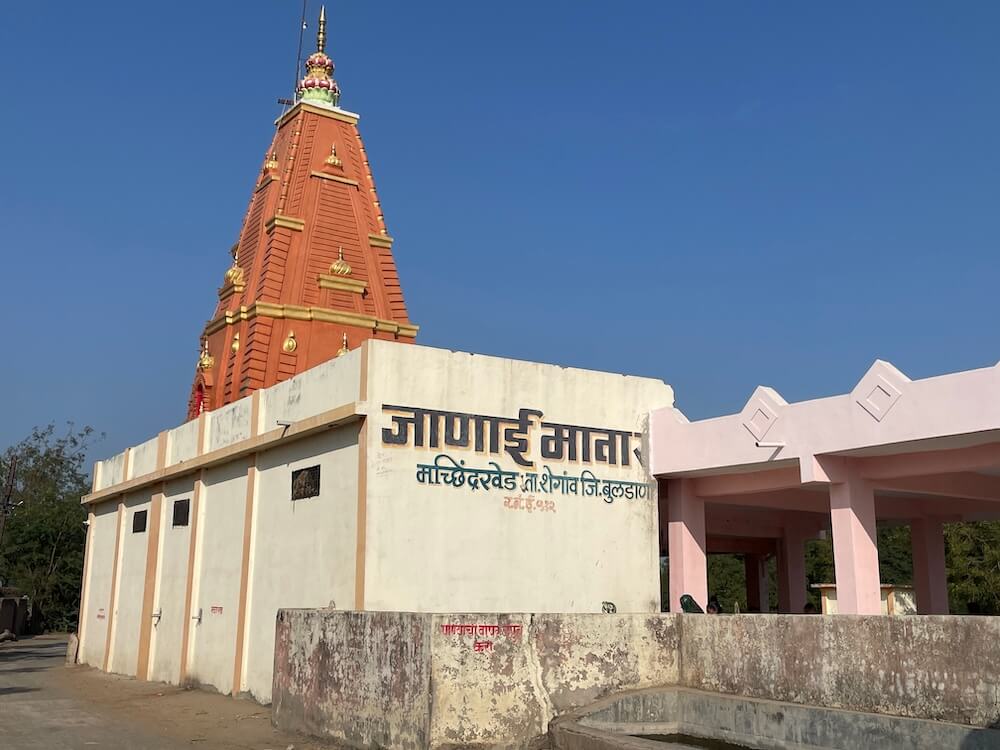
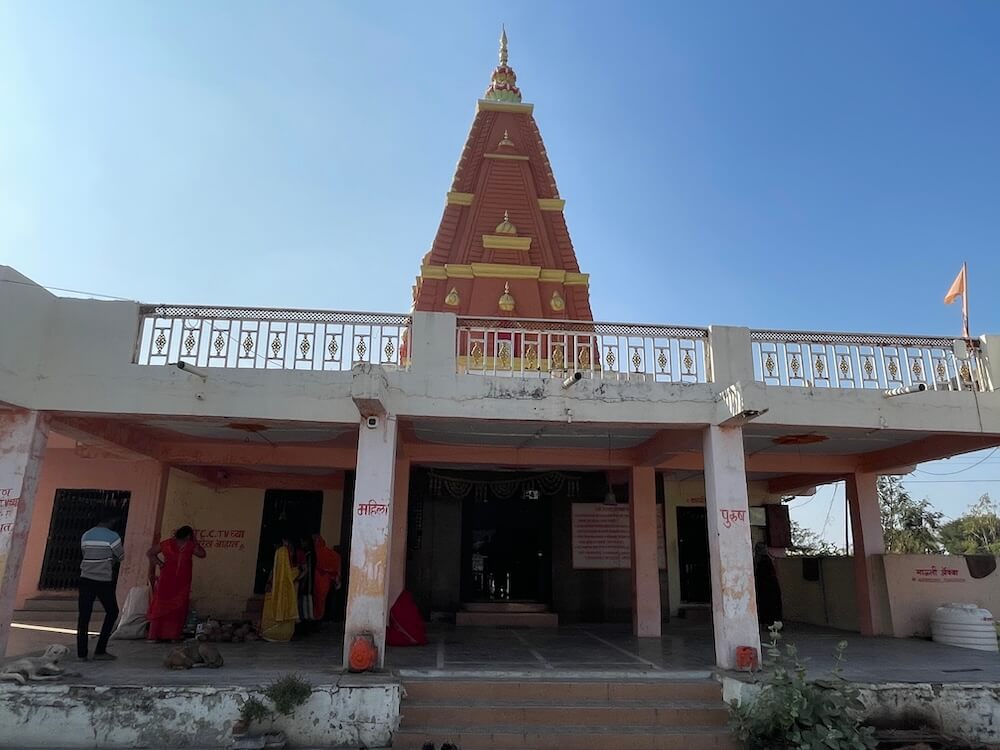
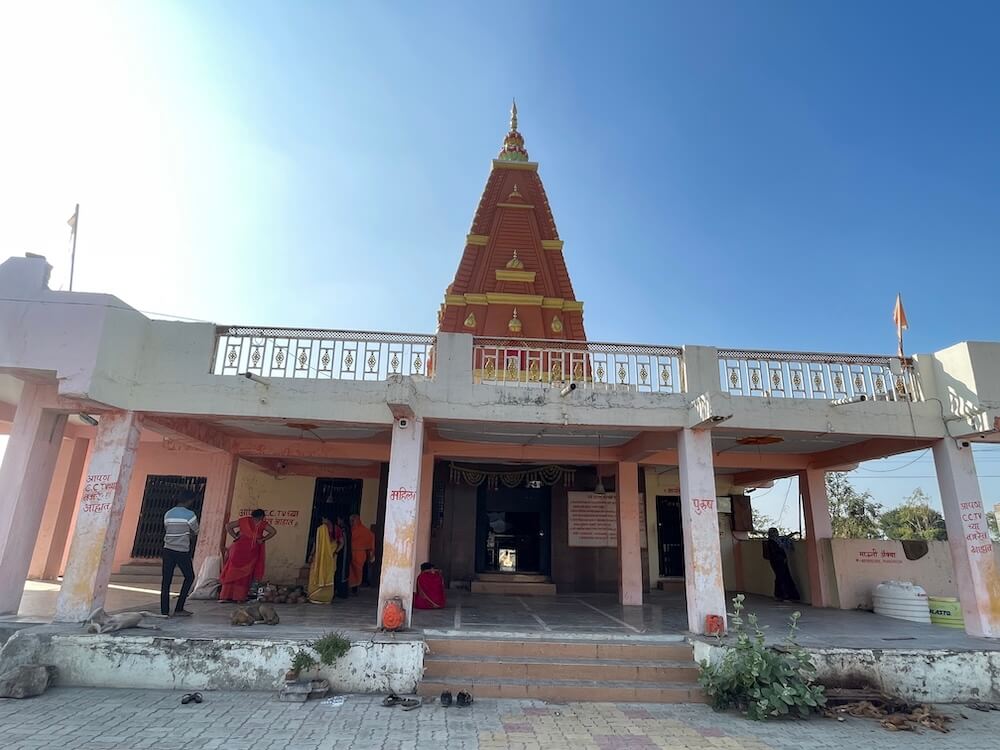
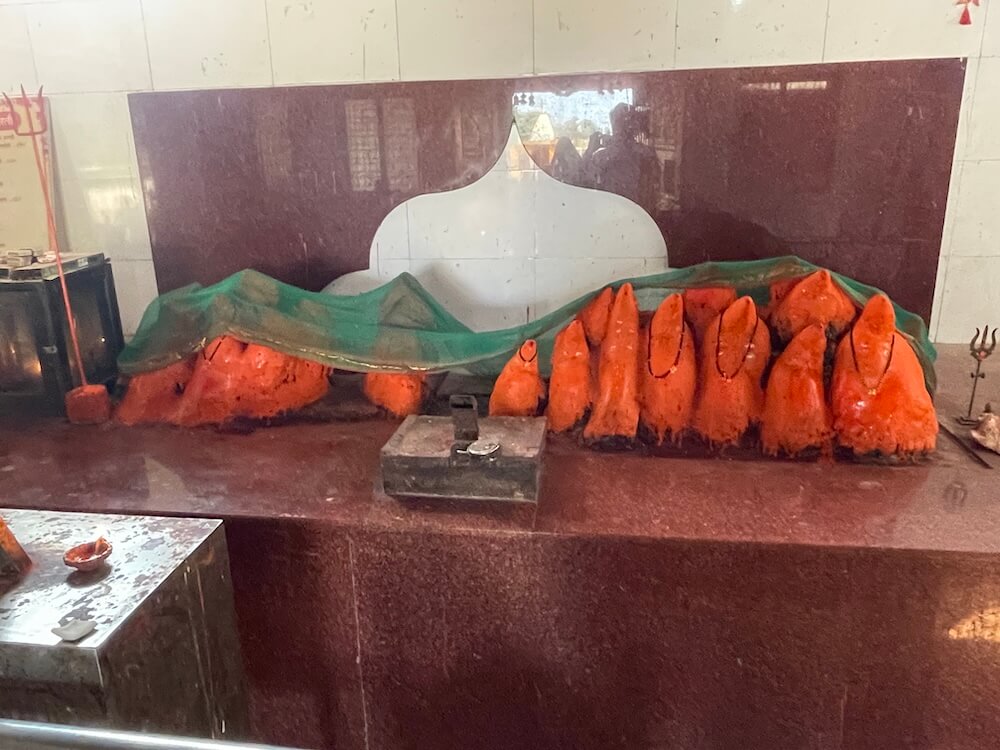
Shop Photo FramesSituated in Machindrakhed, in the Shegaon taluka of Buldana district, the Janai Devi Temple—a gentle manifestation of Adi Shakti—has been a major center of faith for devotees for the past 400 years. Nestled in a picturesque natural setting, this ancient and spiritually awakened shrine possesses both spiritual and historical significance. The name ‘Janai,’ derived from the root word ‘Janani’ (Mother), is considered a symbol of the Mother who nurtures the entire universe. She is widely renowned throughout Vidarbha and Khandesh as a Goddess who grants the boon of progeny to those who make vows (navas) to her. In this temple, one primarily receives the darshan of the Goddess in her self-manifested (swayambhu) stone form, alongside whom the idols of Shiva, Ganesha, and the Sati Asaras are worshipped with equal devotion.
According to mythological references, whenever the Earth faced distress, Adi Shakti incarnated in the form of various village deities to protect the people. Janai is one such compassionate form. Although she is the village deity of Machindrakhed, her association is also linked to the Janai Devi temples found in the hilly regions of Satara district. As a Mother who protects nature and the lives of people in remote areas, she is also addressed as ‘Dongarchi Rani’ (Queen of the Mountains) or ‘Girija.’ From a spiritual perspective, this is the manifest form of what is referred to as ‘Kundalini Shakti’ in Yoga Shastra. According to the Devi Bhagavata, the worship of this Goddess dispels the darkness of ignorance from the mind. In rural areas and among the farming community, she is revered as ‘Bhumata’ (Mother Earth). It is believed that she protects the crops and brings prosperity to life.
While the exact period of the origin of this site is unknown, according to the memories passed down through generations of villagers, this place is extremely ancient. The old temple was renovated a few years ago. One enters the temple courtyard through a gateway in the surrounding wall. In this courtyard, arrangements have been made for the accommodation of devotees. The temple, situated on a high plinth, consists of an open assembly hall (sabhamandap) and three sanctums (garbhagriha). One enters the sabhamandap by climbing three steps from the courtyard. To the right of the sabhamandap is the temple committee office, and in the adjacent sanctum, the vermilion-anointed stones of Janai Devi are placed on a vajrapitha. In the neighboring sanctum are the shrines of Asara Devi, a Shiva Linga, and Nandi. The beautiful glasswork on the ceiling inside the temple and the auspicious symbols like the mangal kalash and swastika carved into the structure add to its beauty. The main sanctum of the temple is topped by a tapering square shikhara, which features several smaller replicas of shikharas. At the pinnacle of the shikhara are two amalakas topped by a kalash. The area, enclosed by a boundary wall, provides rooms for the stay of devotees.
A unique method of making a vow to Janai Devi is prevalent here. Primarily, devotees desiring children wrap a coconut in a piece of cloth along with a small stone and tie it in the temple; there is a tradition of untying this coconut once the vow is fulfilled. Along with this practice, an ancient legend regarding a ‘mot’ (a large water-drawing leather bucket) on a well and a cradle is associated with this site. In the past, after the fulfillment of a vow, the newborn child would be lowered into the well for a short time in a cradle tied to the well’s mot. However, according to a story, once a mother harbored doubt in her mind, and due to the Goddess’s wrath, the child drowned in the well. Since then, this risky practice was permanently stopped, and an iron grill was installed over the well. A memorial of that incident and the wooden cradle still preserve those memories in the temple premises.
Every year, a grand fair (yatra) is held on the auspicious occasion of Gudi Padwa. During this time, thousands of devotees from Buldana, Washim, and Amravati districts arrive for darshan. For the convenience of the pilgrims, a grand pavilion, drinking water facilities, and strict police security are deployed. The attractive lighting on the temple, various shops in the area, giant wheels, and the refreshments provided by many charitable organizations make the atmosphere of the fair very enthusiastic. Many devotees organize ‘bhandaras’ (community feasts) in the nearby fields.
This sacred temple stands as a testament to deep spiritual devotion, ancient architectural grandeur, and rich local cultural traditions.
The sanctum sanctorum houses the divine idol consecrated according to ancient Vedic traditions, surrounded by serene courtyards and traditional temple architecture.
Navratri, Maha Shivratri, Annual Temple Jatra & Deepotsav
Compare and book flights, secure top-rated local hotels near the temple, hire reliable guides, and rent cars instantly.
Extend your pilgrimage by visiting other highly sacred temples located nearby.


Add ₹999 more to unlock FREE SHIPPING!
Your sacred cart is currently empty.
Shop Photo FramesFill in your delivery details below to place your order.
Add comment