
Add ₹999 more to unlock FREE SHIPPING!
Your sacred cart is currently empty.
Shop Photo FramesThe temple of Kanifnath, considered one of the ‘Naths’ among the Navnaths and one of the ‘Siddhas’ among the eighty-four Siddhas, is situated on a high hill in Kalegaon, in the Khamgaon taluka. It is believed that Kanifnath resided and performed penance for some time on this picturesque hill, which is located near the Dnyanganga Wildlife Sanctuary. Countless followers of the Nath Sampradaya visit this temple for darshan. During the Sharadiya Navratri festival, a nine-day fair is held here, and the premises become bustling with crowds of devotees. The ‘Mahaprasad’ served during this fair, consisting of ‘Kalnyachi Bhakar’ (a multi-grain flatbread) and green chili ‘Thecha’, is extremely famous.
According to mythological accounts, the Nath Sampradaya originated from Lord Shiva, also known as Adinath. In an era when society was trapped in a complex web of rituals and spirituality was limited to a select few, this tradition performed the great task of introducing the common people to God through Yoga and simple devotion. Adinath imparted this secret knowledge to Mother Parvati, and from there, the tradition flowed into the lives of the people through Matsyendranath. Chanting the mantra ‘Alakh Niranjan’, the nine Siddha Yogis, or Navnaths, began to travel across India. These nine Naths mingled with society and worked to eradicate caste discrimination and superstition.
One of the most radiant and accomplished Siddha Yogis in this divine lineage is Kanifnath. Among the nine Naths, he is considered an avatar of ‘Prabuddha Narayan’. The mythological story of his birth is unique and symbolic; it is said he was born from the ear of an elephant, which is how he received the name ‘Kanifnath’. A beloved disciple of Jalandarnath, Kanifnath was renowned among the people for his immense spiritual powers (Siddhis) and compassion. He successfully spread this tradition from the banks of the Kaveri to the Narmada valley and the hills and valleys of Maharashtra. Kanifnath’s personality was a unique blend of power, Yoga, and devotion. He embraced the exploited and the deprived of society, which is why even today, his devotees include people from all castes and religions.
Kanifnath burned away the ignorance of society with his ‘Yogagni’ (fire of Yoga) and lit the lamp of self-realization in the hearts of the common people. The text ‘Navnath Bhaktisar’ by Malu Kavi provides a detailed and eloquent description of Kanifnath’s valor and his stories of public welfare. It is said that while traveling through Maharashtra, he resided on the hill at Kalegaon in the present-day Khamgaon taluka, and it was from here that he attained ‘Antardhan’ (disappeared from the mortal realm). Over time, the villagers built a small temple here. This temple, constructed of stone and lime, had become dilapidated over the years, leading the villagers to renovate it in 1991. The state government has granted this temple the status of a ‘C’ class pilgrimage site.
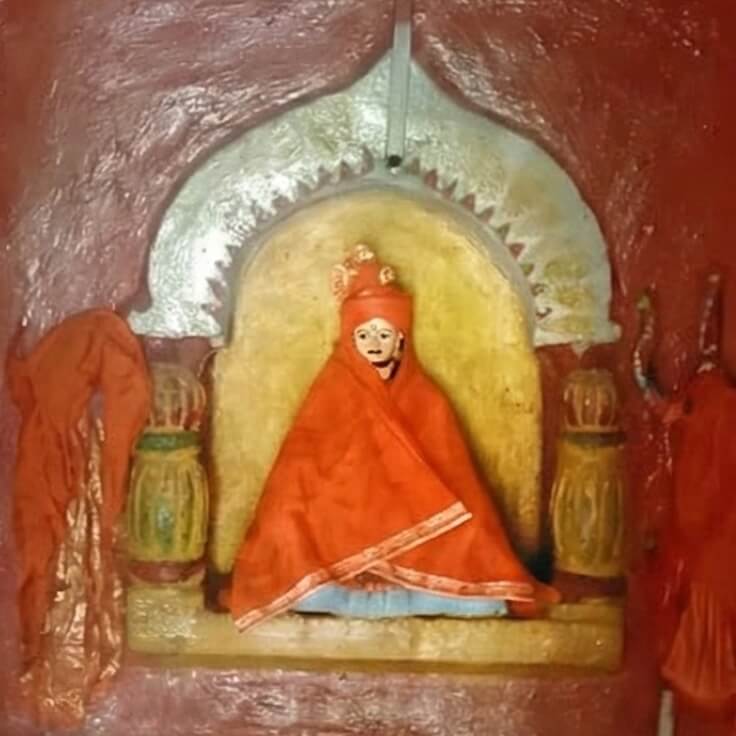
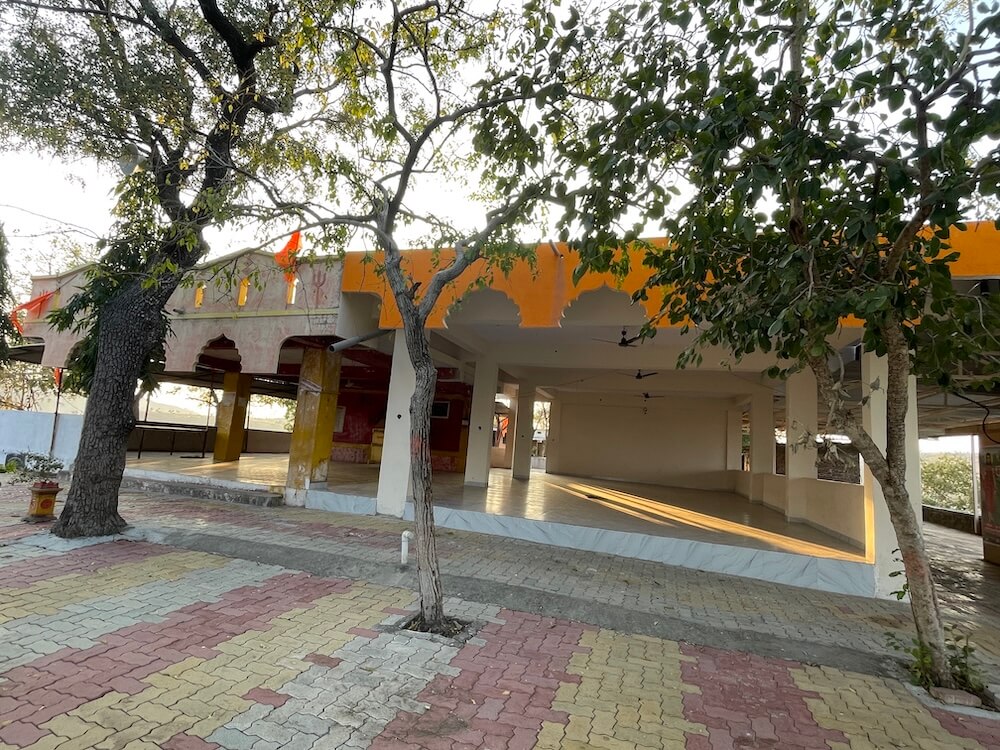
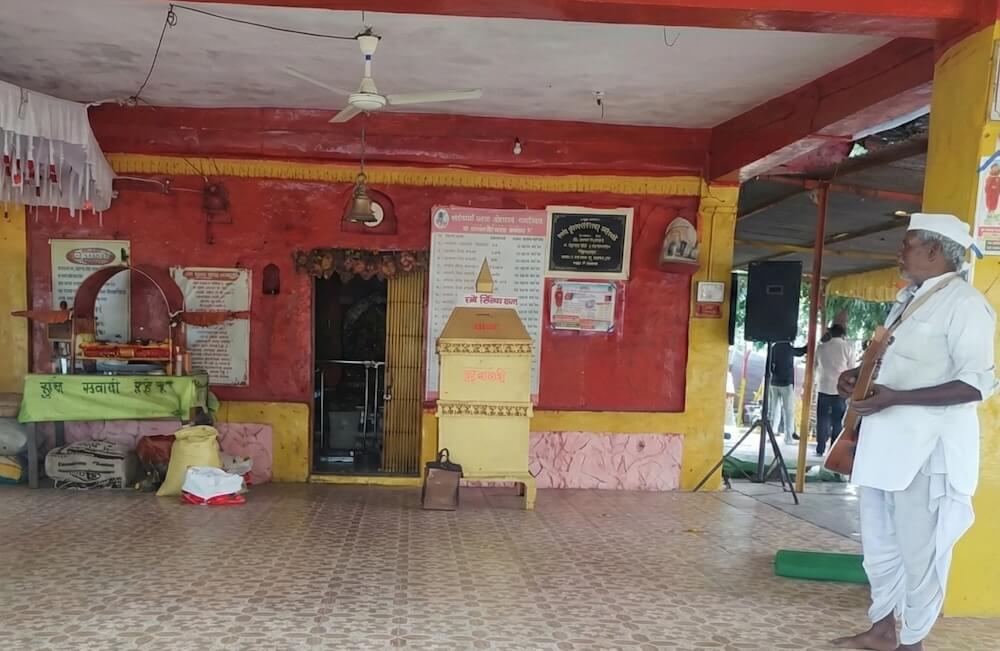
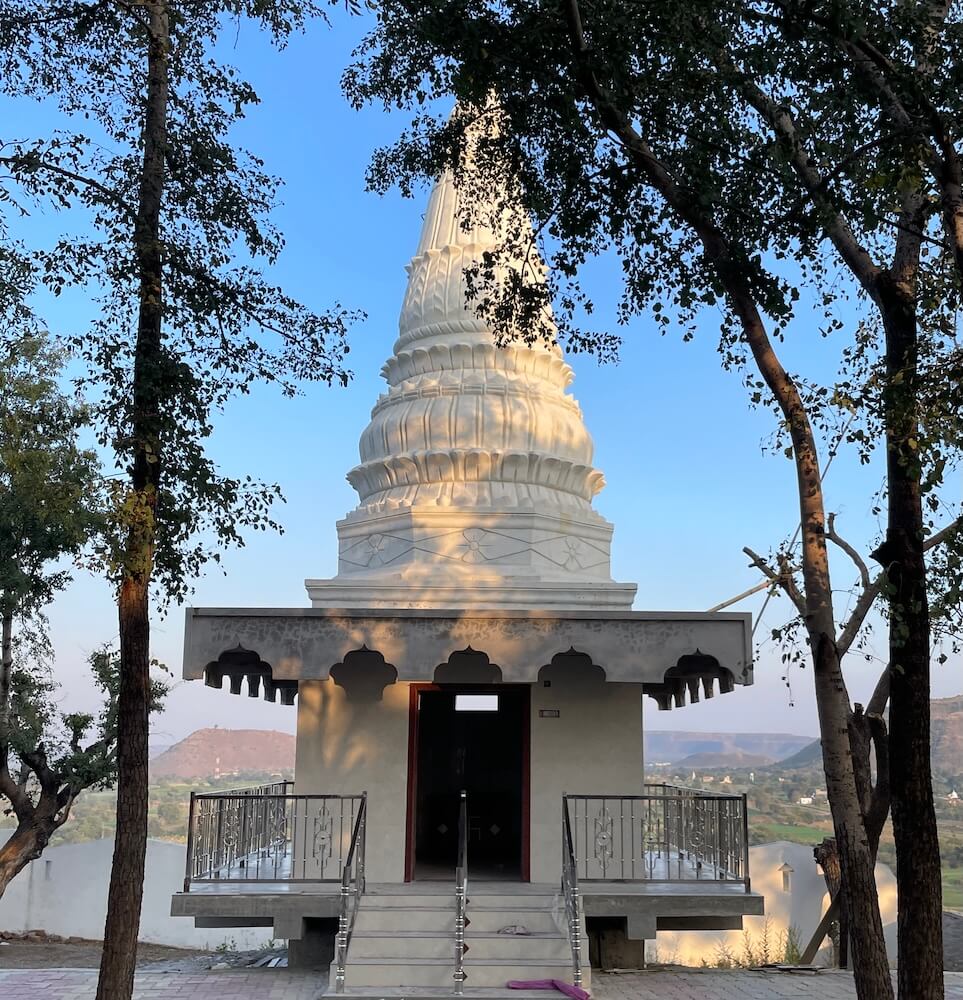
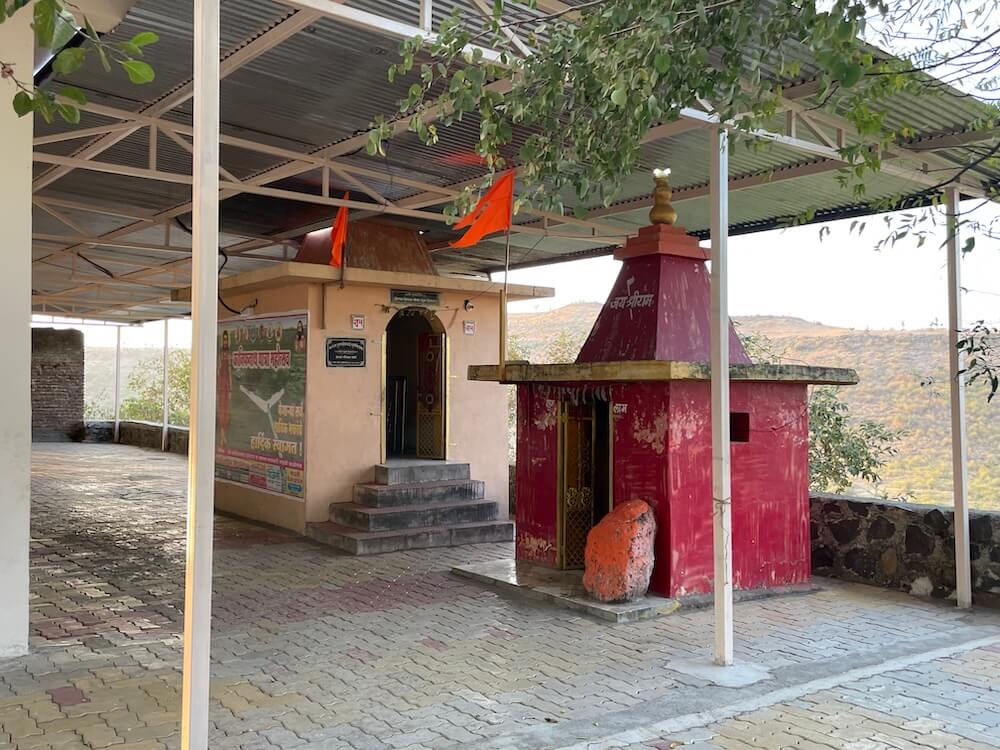
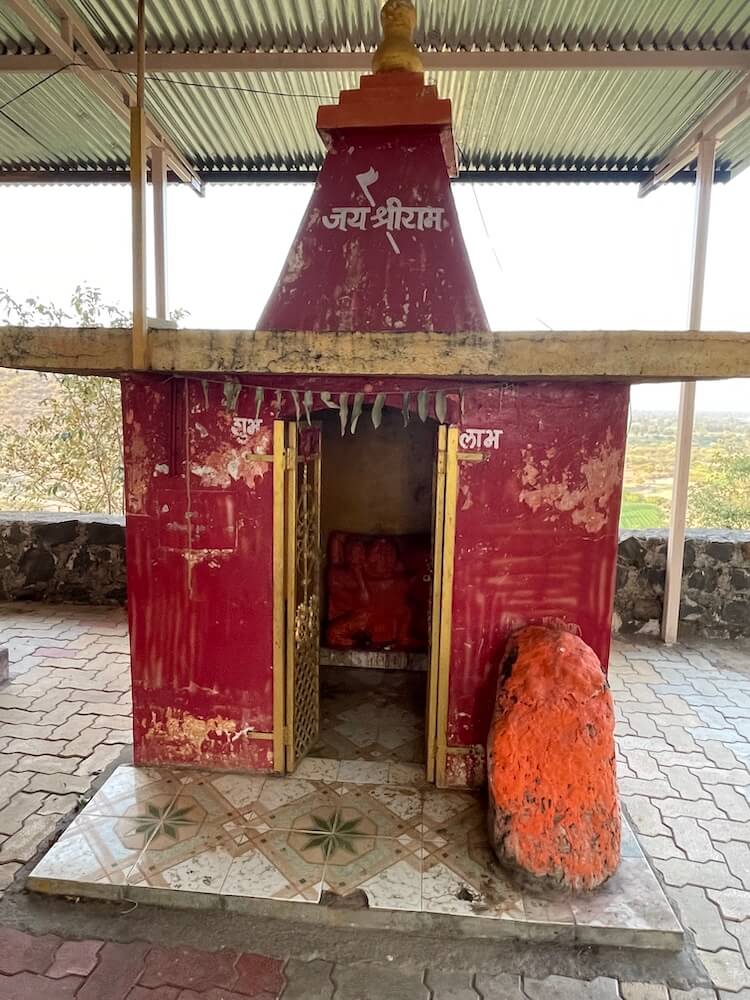
On the Buldana-Khamgaon road, after passing the Dnyanganga Wildlife Sanctuary, there is a road on the left leading to Kalegaon. The path to the temple starts from this village. Cement steps have been built to climb the hill from the temple archway. Additionally, a new road is now available to reach directly near the temple. There is a perimeter wall around the temple on the plateau of the hill, and one enters the temple courtyard through a gate in this wall. In this courtyard, which is paved with paver blocks, there is a ‘Deepstambh’ (lamp pillar), a shrine of Asara Devi under a tree, and a ‘Yajnakund’ (sacrificial fire pit). There is an open pavilion in front of the temple. The entrance to the sanctum sanctorum in the center of this pavilion is adorned with a garland of coconuts offered by devotees. Inside the sanctum, the idol of Kanifnath is placed in a stone niche. There are tridents on both sides of this niche. In front of the idol is a horse, and on the pedestal in front of it are the ‘Padukas’ (footprints). There are small temples of Dattatreya and Hanuman in the temple premises. To accommodate devotees coming from afar, a ‘Bhaktiniwas’ (pilgrim lodge) has been built here under the state government’s tourism development program.
Countless devotees with faith in Kanifnath come here for darshan. Many devotees perform the ‘Parayan’ (recitation) of the Navnath Granth here. Various religious programs are held every full moon (Purnima). On this day, ‘Bhandara’ (community meal) is distributed to hundreds of devotees. ‘Dharmanath Beej’ is celebrated here on Magh Shuddha Dwitiya. A grand festival is also held here on Dattajayanti. During Navratri, a nine-day fair is held. During this time, various religious programs, including a ‘Parayan Saptah’ (seven-day recitation), are organized. On the occasion of this fair, many shops are also set up at the foothills. Devotees visiting for darshan are served the ‘Mahaprasad’, which includes ‘Kalnyachi Bhakar’, green chili ‘Thecha’, and eggplant ‘Bharit’. Devotees from the surrounding areas set up hearths in the temple premises to prepare this Mahaprasad themselves.
This sacred temple stands as a testament to deep spiritual devotion, ancient architectural grandeur, and rich local cultural traditions.
The sanctum sanctorum houses the divine idol consecrated according to ancient Vedic traditions, surrounded by serene courtyards and traditional temple architecture.
Navratri, Maha Shivratri, Annual Temple Jatra & Deepotsav
Compare and book flights, secure top-rated local hotels near the temple, hire reliable guides, and rent cars instantly.
Extend your pilgrimage by visiting other highly sacred temples located nearby.


Add ₹999 more to unlock FREE SHIPPING!
Your sacred cart is currently empty.
Shop Photo FramesFill in your delivery details below to place your order.
Add comment