
Add ₹999 more to unlock FREE SHIPPING!
Your sacred cart is currently empty.
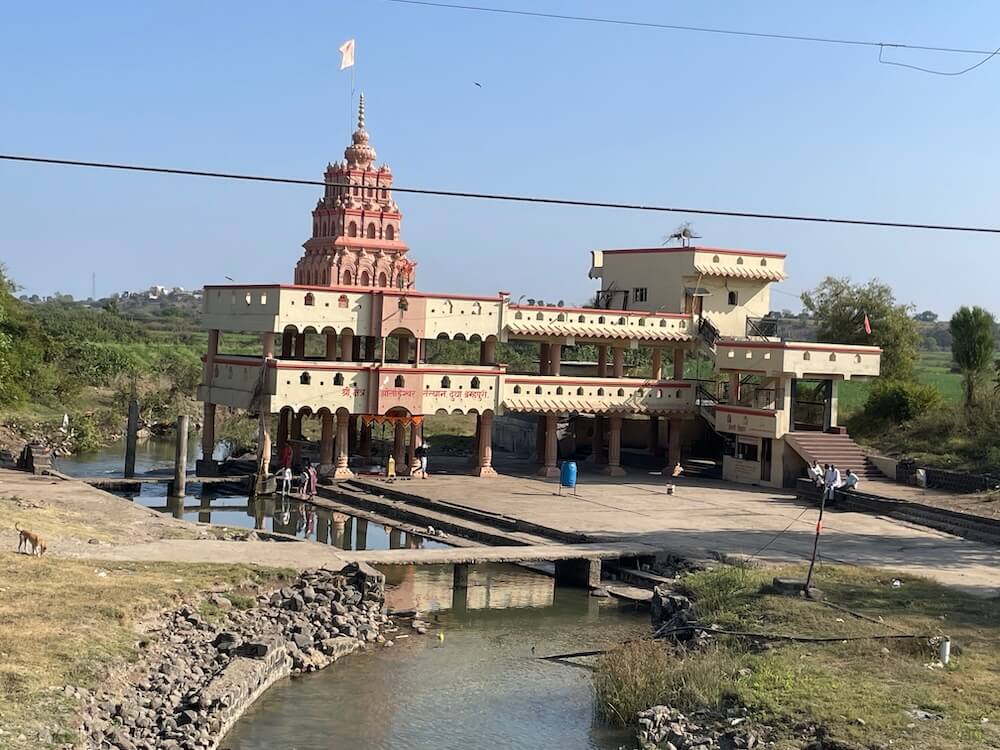
Shop Photo FramesNestled in the lap of the Ajanta mountain ranges and situated within the riverbed of the Painganga, the Olandeshwar Temple at Dudha-Brahmapuri is a place of faith for thousands of devotees from Vidarbha and Marathwada. The Swayambhu (self-manifested) Shiva Linga here is believed to be over five thousand years old. The temple derives the name ‘Olandeshwar’ because devotees must cross the river’s flow to have the darshan of the Mahadeva Pindi. A popular legend suggests that King Bhishmaka of Vidarbha also visited this Shiva Linga. The Shiva-Parvati wedding ceremony held here on the day of Mahashivratri is highly unique. During this festival, about one hundred and fifty quintals of Mahaprasad are distributed to the devotees.
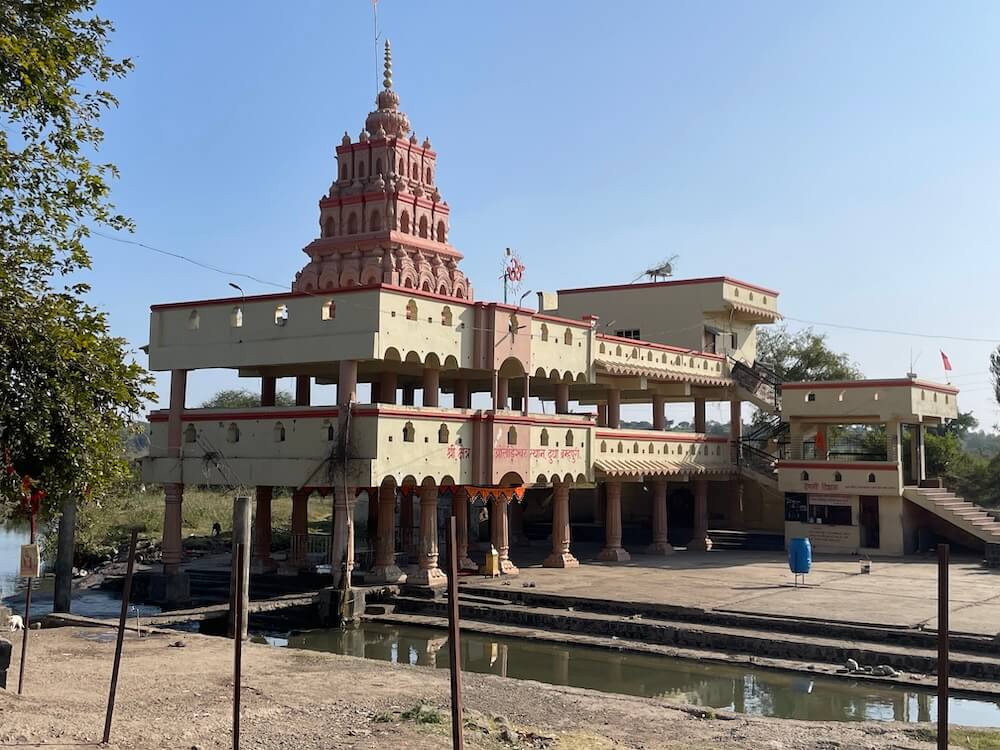
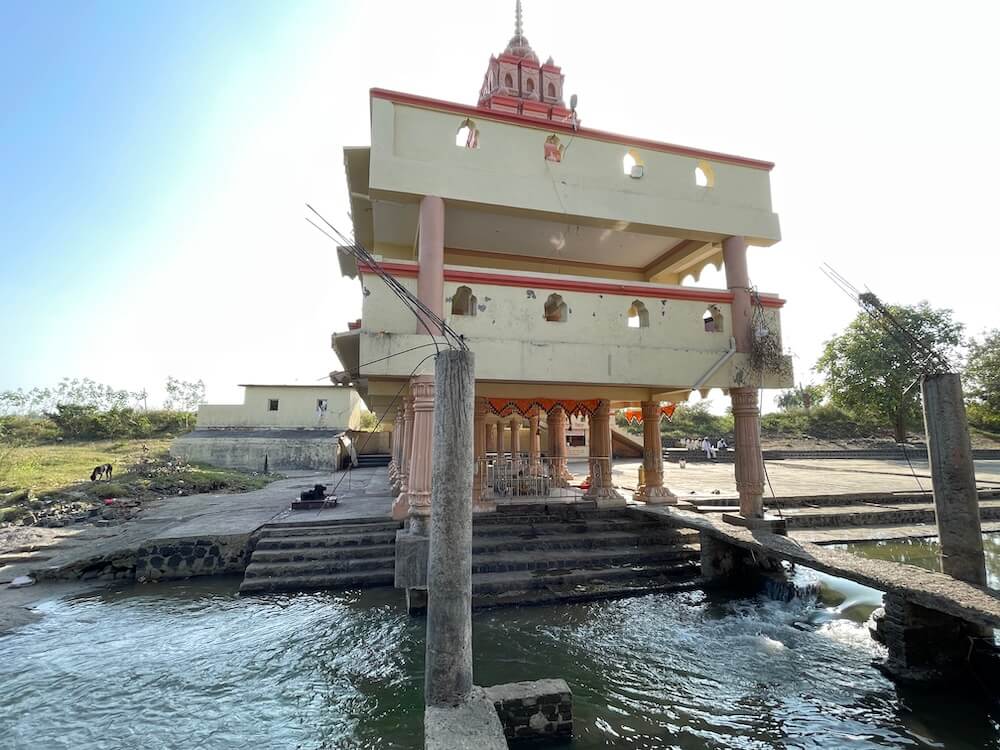
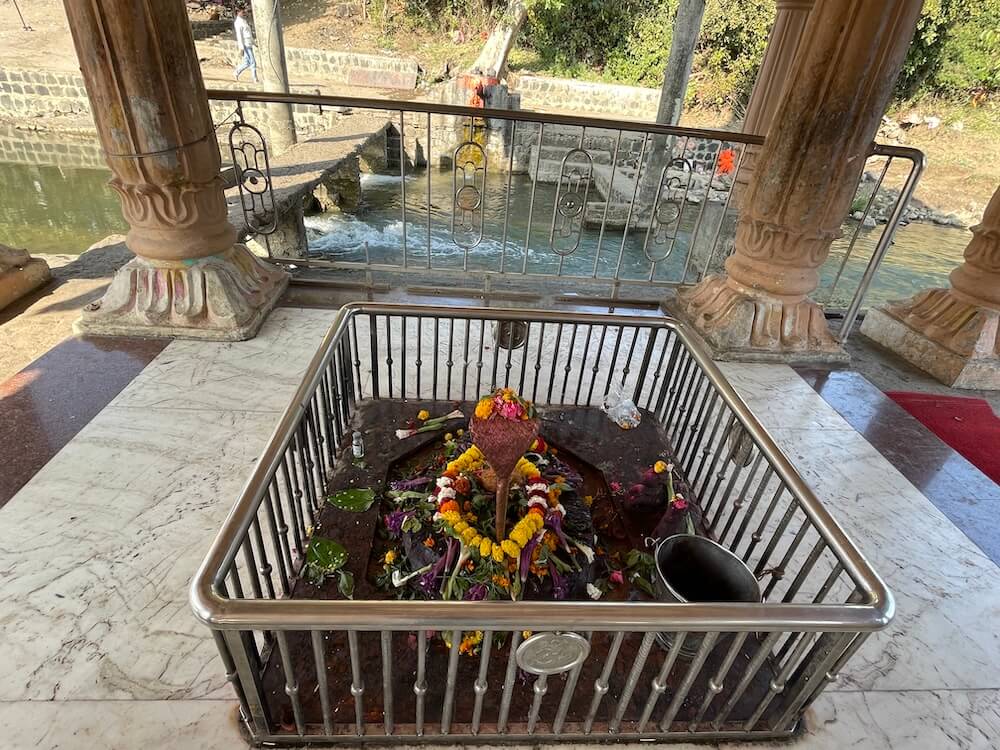
According to local folklore, this temple area was part of the Dandakaranya forest in ancient times. Many sages and ascetics performed penance here. Lord Ramachandra stayed here while on his way to Wadali. A yogi named Gilandev Bharati used to reside at Ranamath, about one kilometer away. He would bathe on the rocks in the riverbed near this temple and offer prayers to Mahadeva. The river would part its waters to allow him to reach these rocks. He was a contemporary of Saint Dnyaneshwar and would bless the devotees visiting the temple. The temple is situated on a small island in the riverbed. When the river floods, the Shiva Linga is submerged under water. However, this floodwater causes no harm to the Shiva Linga, and the small Nandi statue near the Pindi has never been washed away. Previously, this Shiva Linga was in an open space, but a two-story structure was built here a few years ago. The state government has granted this temple a ‘B’ grade pilgrimage status.
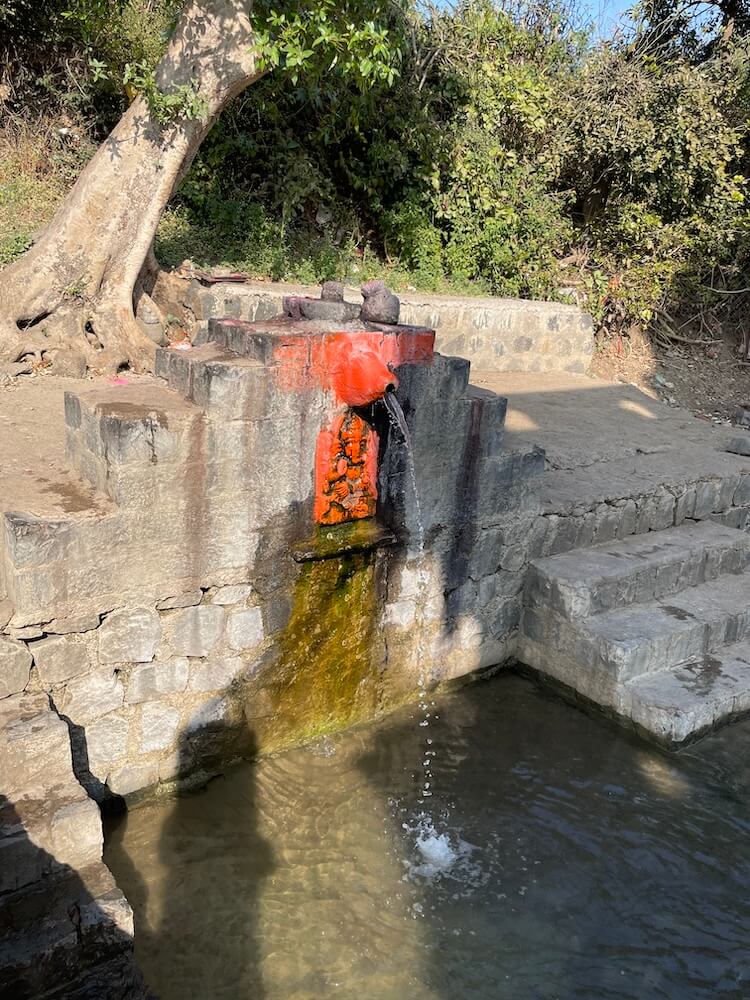
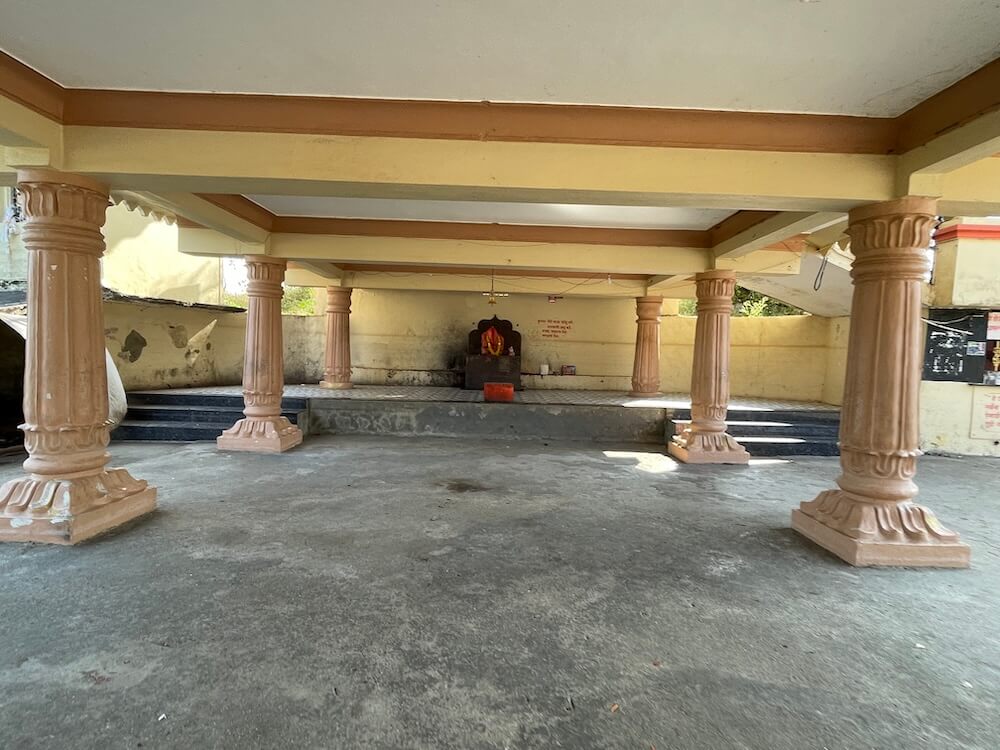
Located near Hiwra Ashram, the temple surroundings are lush with greenery. There is a sacred pond (Kund) near the temple, and a continuous stream of water flows into it from a Gomukh (cow-mouth spout). Below this Gomukh is a sculpture of Lord Ganesha. The Olandeshwar temple stands on several pillars.
Unlike other temples, this structure does not have a traditional sanctum sanctorum (Garbhagriha) or assembly hall (Sabhamandap). In the lower part of this structure, the Swayambhu stone Linga of Olandeshwar Mahadeva is located in a Shalunka on a pedestal between the pillars. A serpent forms a canopy over it. A stainless steel railing has been installed around the site of the Shiva Linga. The statue of Nandi is seated in the open space outside the temple. Replicas of the twelve Jyotirlingas are kept on the upper floor of the temple. The temple premises also house shrines for Lord Hanuman and Shani Deva.
A few steps from this temple is a special place called ‘Olanda’. Many devotees pass through the lower part of the trunk of a tree located near this spot. It is the firm belief of the devotees that doing so fulfills their wishes and removes various obstacles. There is also a tradition of performing the first tonsure ceremony (Jawal) for children here. Known as a ‘Jagrut Devasthan’ (an awakened, powerful deity site), hundreds of devotees come here for darshan. After bathing in the river, many devotees offer turmeric, vermilion, Akshata (rice grains), and Bel leaves to worship Olandeshwar Mahadeva while still in their wet clothes. The Shiva Shankar here is offered a Naivedya of chickpea curry and Jowar bread. Many devotees who make vows distribute this Naivedya to other devotees as well.
Various religious programs such as Homa-Havan, Bhajans, Kirtans, and Bhagwat Saptah are organized here throughout the year. The number of devotees visiting for darshan is higher every Monday, as well as on the full moon and new moon days of every month. Mahashivratri is the main festival here. On this day, the area takes on the appearance of a fair. At midnight, the wedding ceremony of Shiva Shankar and Parvati is performed with full rituals in the presence of thousands of devotees. During this festival, about one hundred quintals of wheat puris and fifty quintals of eggplant curry are distributed as Mahaprasad to the visiting devotees.
Hundreds of devotees also visit for darshan on every Monday of the Shravan month. On all four Mondays of this month, many people organize food donations (Annadan) here. The temple management implements various social activities in the area, including children’s cultural classes. The temple’s board of trustees also arranges the marriages of boys and girls from many impoverished families in the vicinity. A Bhaktaniwas (pilgrim guest house) has also been built in the area to provide accommodation for devotees coming from afar.
This sacred temple stands as a testament to deep spiritual devotion, ancient architectural grandeur, and rich local cultural traditions.
The sanctum sanctorum houses the divine idol consecrated according to ancient Vedic traditions, surrounded by serene courtyards and traditional temple architecture.
Navratri, Maha Shivratri, Annual Temple Jatra & Deepotsav
Compare and book flights, secure top-rated local hotels near the temple, hire reliable guides, and rent cars instantly.
Extend your pilgrimage by visiting other highly sacred temples located nearby.


Add ₹999 more to unlock FREE SHIPPING!
Your sacred cart is currently empty.
Shop Photo FramesFill in your delivery details below to place your order.
Add comment