
Add ₹999 more to unlock FREE SHIPPING!
Your sacred cart is currently empty.
Shop Photo FramesThe village of Varodi in Buldhana district has today become famous as a powerhouse of spiritual energy due to the presence of Paramhansa Tejasvi Maharaj. This institution, which is a place of faith for millions of devotees, has become a monumental pillar of the ceaseless distribution of food (Annadan). The Akhand Harinam Saptah held here every year and the massive ocean of devotees that gathers for the Maharaj’s birth anniversary celebration are a testament to their unwavering faith and devotion toward the Maharaj.
Whether it is Gajanan Maharaj of Shegaon or the various realized saints in the Lonar and Mehkar regions, this land has been sanctified by their presence. Among this lineage of great saints, Paramhansa Tejasvi Maharaj performed the significant task of putting the small village of Varodi, situated on the border of the two historical talukas of Mehkar and Sindkhed Raja, on the global map. Through rigorous penance and the power of his self-realization, the Maharaj guided society toward the righteous path of addiction-free living, virtuous conduct, and absolute devotion to God.
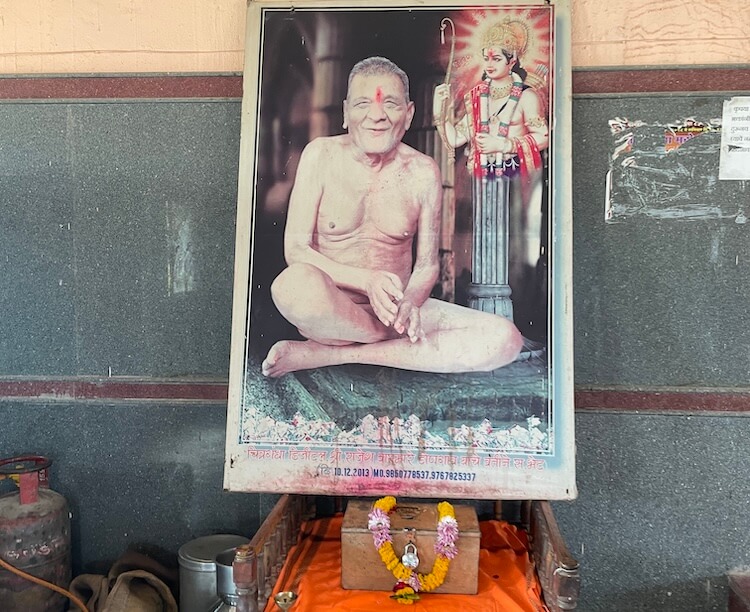
Paramhansa Tejasvi Maharaj (Tejasvi Baba) was a transcendental personality. True to his name, his face radiated divine brilliance. The Maharaj was a lifelong celibate (Bal Brahmachari). From a young age, he renounced worldly life and dedicated himself to the search for the Divine. He left his home on the threshold of youth and sought refuge in the forests to attain self-realization. His meditation and contemplation on the banks of the Painganga River, considered the lifeline of Vidarbha, and in the dense forests, formed the foundation of his spiritual strength. While in the forest, he survived on tubers and roots, meditating on God without regard for the sun, wind, or rain. While wandering, when the Maharaj arrived in Varodi, he chose this village as his ‘Karmabhumi’ (land of action) and ‘Tapobhumi’ (land of penance). His lifestyle was extremely simple; his hallmark was wearing only saffron robes and always having a gentle smile on his face. He never boasted of his own greatness. Instead, with the attitude that “the hands of the giver are a thousand,” he showed devotees the righteous path.
The Maharaj propagated the thought that “feeding the hungry is the greatest service to God.” In a region like Vidarbha, where farmer suicides and drought are common issues, the Annadan at Varodi Sansthan has become a source of social support. The food distribution that takes place here during festivals is staggering. In a single day, one hundred fifty quintals of wheat and one hundred quintals of vegetables are used, and about one to one and a half lakh devotees partake in this Mahaprasad. Remarkably, all the ‘Sevekari’ (volunteers) working in this grand kitchen serve without any compensation, purely out of faith. No distinction of caste, religion, rich, or poor is made in this food distribution, making this institution a perfect example of social equality.
The year २०२५ proved to be a very important year in the history of the Sansthan. On २८ November २०२५, the Maharaj’s ९०th birth anniversary was celebrated with unprecedented enthusiasm. However, just a few days later, his health deteriorated. On Saturday, १३ December २०२५, at ९:३० PM, the Maharaj left his mortal coil and merged into the Infinite. His passing plunged millions of devotees and his followers into a sea of grief. However, the teachings he imparted, the work of addiction-free living, and the great sacrificial fire of Annadan he started continue here uninterrupted to this day. Today, as a significant center for values, the ‘Paramhansa Shri Tejasvi Maharaj Sansthan’ is firmly believed by devotees to emerge as a leading pilgrimage site in the state in the future.
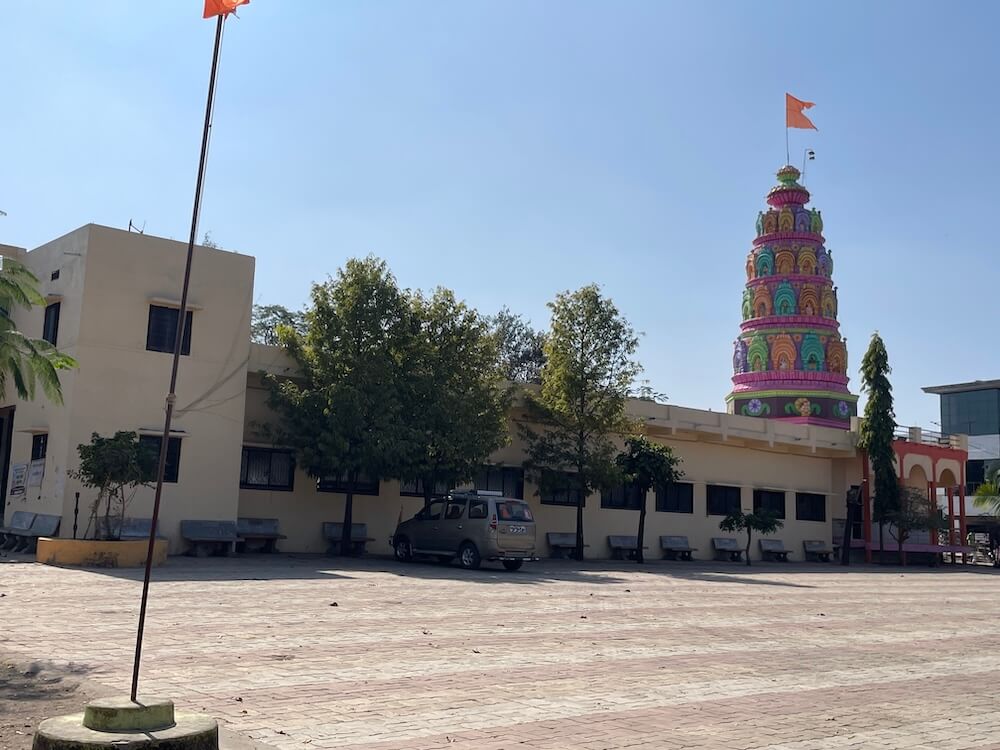
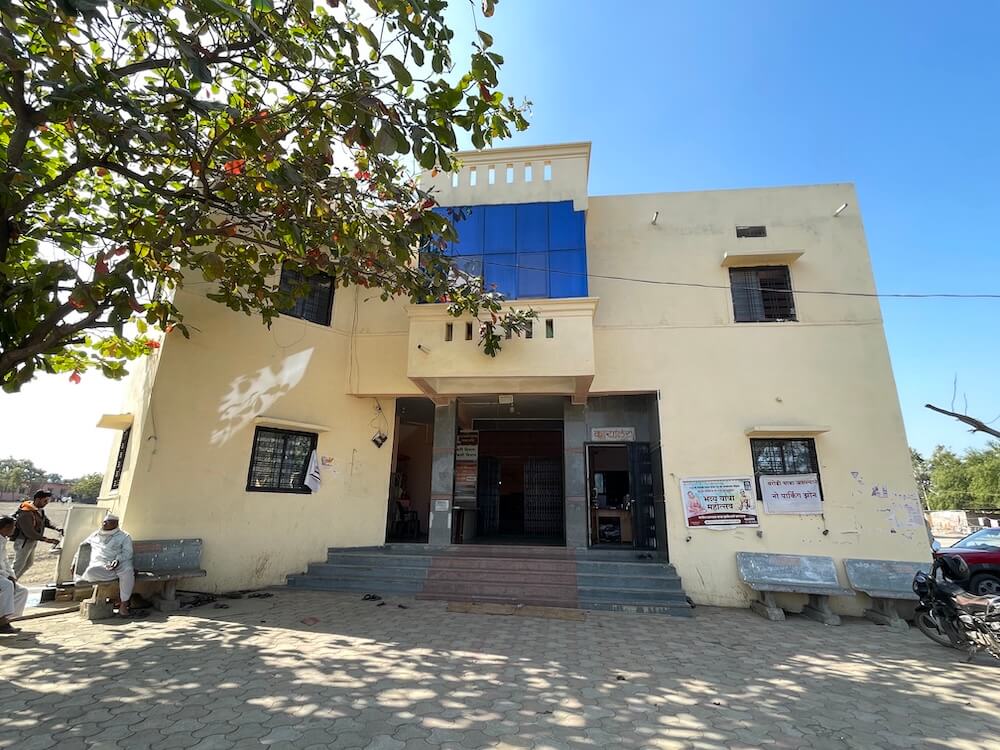
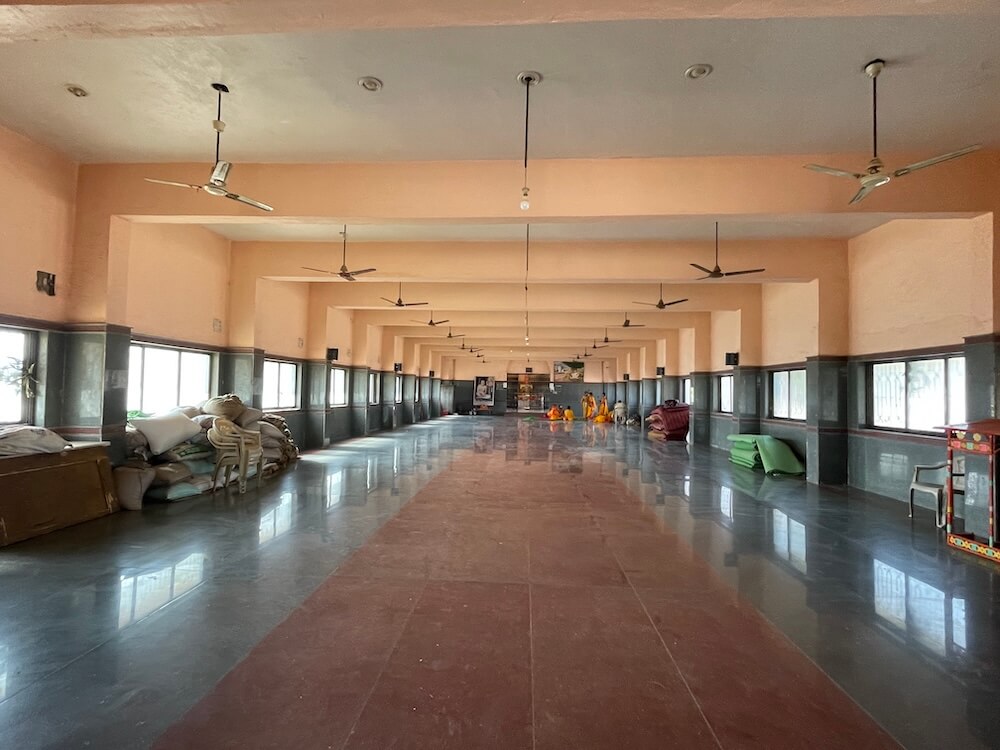
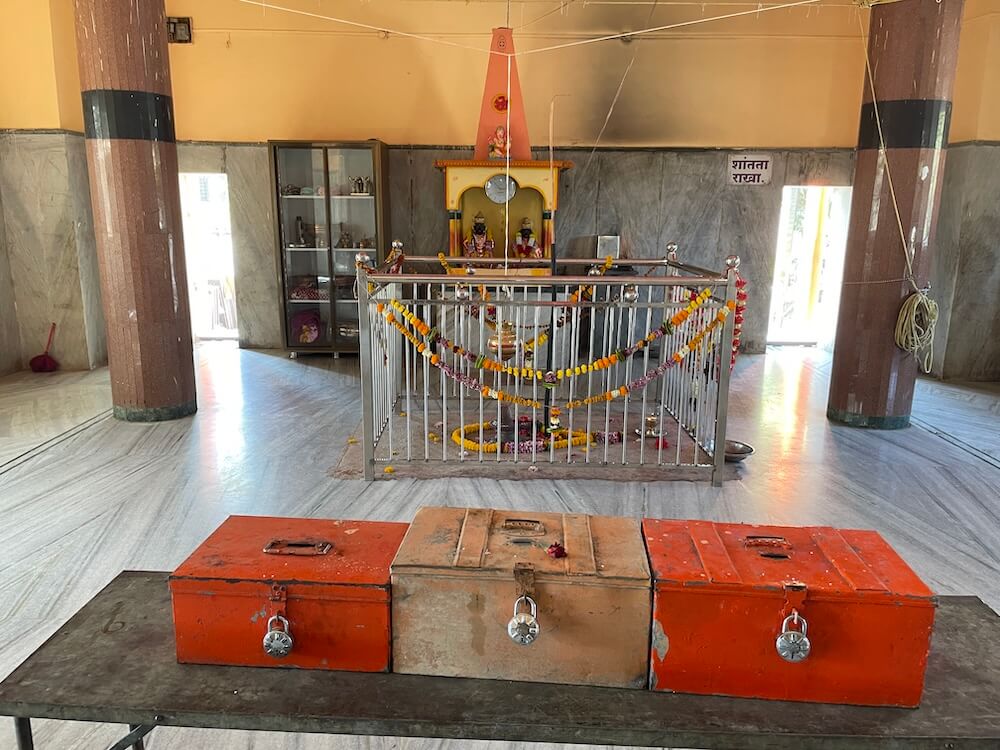
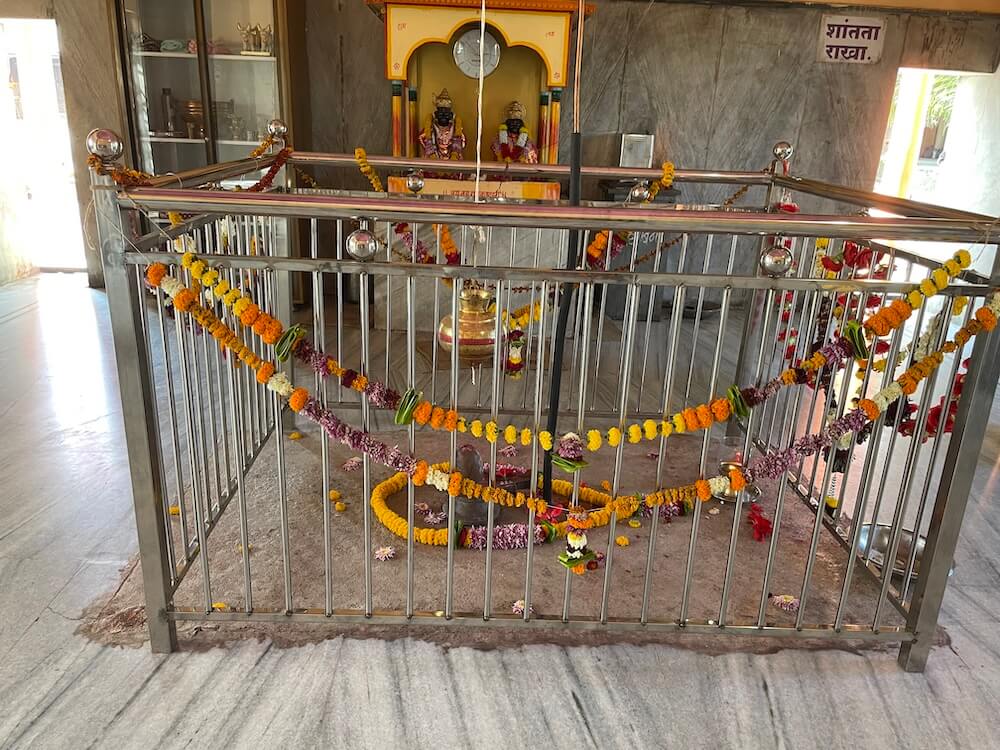
The Paramhansa Tejasvi Maharaj Sansthan is located in Varodi, right along the Sakharkherda-Mehkar road. There is a spacious paved courtyard in front of the temple. The temple is designed with a grand two-story Darshan Mandap, a spacious Sabha Mandap (assembly hall), and a Garbhagriha (sanctum sanctorum). One enters the Darshan Mandap by climbing five steps from the courtyard. In this Darshan Mandap, there is a staircase to the second floor on the left and the Sansthan office on the right. From here, one enters the spacious Sabha Mandap. There is a large assembly hall here that can accommodate two and a half to three thousand devotees at a time. Along with various religious programs, Bhagwat Katha and Kirtan programs are held in this Sabha Mandap. From the Sabha Mandap, one enters the Garbhagriha. In the spacious Garbhagriha, the Maharaj’s Samadhi site is in the center on the floor, with a Shiva Linga placed upon it. This site is enclosed by a stainless steel grill. In front of that, there are idols of Vitthal-Rukmini in a marble shrine on a Vajrapitha (throne). Above this shrine is an idol of Ganpati. Next to this Vajrapitha, items used by the Maharaj are kept in a glass cabinet for devotees to see. From this Garbhagriha, one can go to the residence of Tejasvi Baba for Darshan. This was his place of residence. The Garbhagriha of the main temple has a five-tiered high Shikhara (spire). There are idols of various deities in the niches of each level of this Shikhara. At the top of the Shikhara are two Amalakas and a Kalash.
Every day, various rituals are performed in this temple, from Kakad Aarti to the night Harijagar. The chant of ‘Jai Jai Ramkrishna Hari’ resonates here amidst the sound of cymbals and Mridangam. The Maharaj’s birth anniversary celebration is the biggest festival here. On this day, lakhs of devotees from every corner of the state, especially from Marathwada and Vidarbha, arrive in Varodi. Various social activities are also carried out on the occasion of the birth anniversary. On this day, every house in Varodi village turns into a guest house. The people of the village welcome the arriving devotees like members of their own family.
This sacred temple stands as a testament to deep spiritual devotion, ancient architectural grandeur, and rich local cultural traditions.
The sanctum sanctorum houses the divine idol consecrated according to ancient Vedic traditions, surrounded by serene courtyards and traditional temple architecture.
Navratri, Maha Shivratri, Annual Temple Jatra & Deepotsav
Compare and book flights, secure top-rated local hotels near the temple, hire reliable guides, and rent cars instantly.
Extend your pilgrimage by visiting other highly sacred temples located nearby.


Add ₹999 more to unlock FREE SHIPPING!
Your sacred cart is currently empty.
Shop Photo FramesFill in your delivery details below to place your order.
Add comment