
Add ₹999 more to unlock FREE SHIPPING!
Your sacred cart is currently empty.
Shop Photo FramesThe philosophy of the Shaiva tradition, which considers Mahadeva as the sole deity to be worshipped, is found in the Brahmasutra text by Badarayana from the second century. The Gupta period is considered the golden age of the Shaiva sect. Madhavacharya of the Vijayanagara Empire has provided a detailed description of four Shaiva traditions—Nakulisha Pashupata Darshana, Shaiva Darshana, Pratyabhijna Darshana, and Raseshvara Darshana—in his text Sarvadarshana Sangraha. Apart from these, there are other Shaiva traditions such as Kapalika, Kalamukha, Harihara, Martanda-Bhairava, Ardhanarishvara, the Natha tradition, and the Virashaiva tradition. Consequently, there are many ancient and famous temples of Mahadeva in India. One such temple is located in the village of Potra in Kalamnuri Taluka.
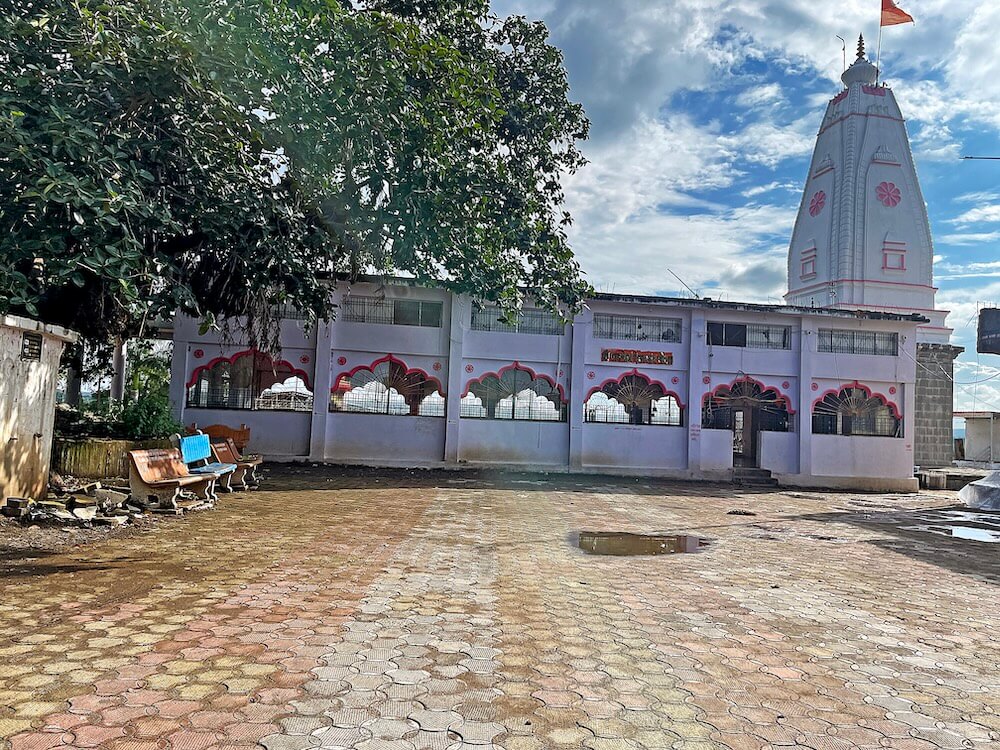
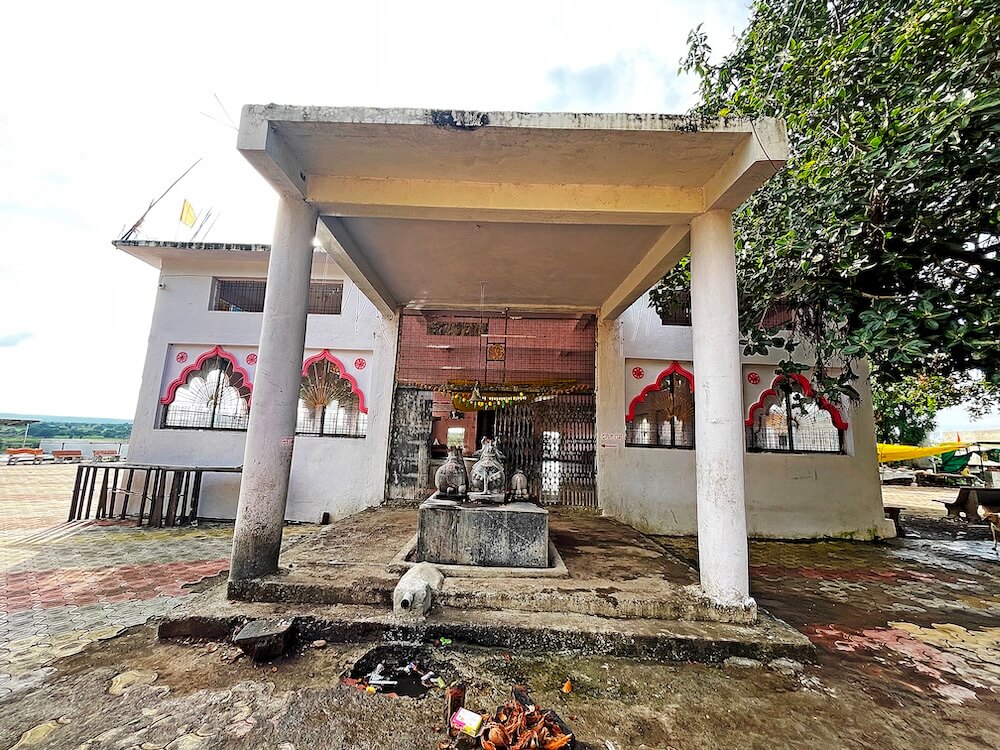
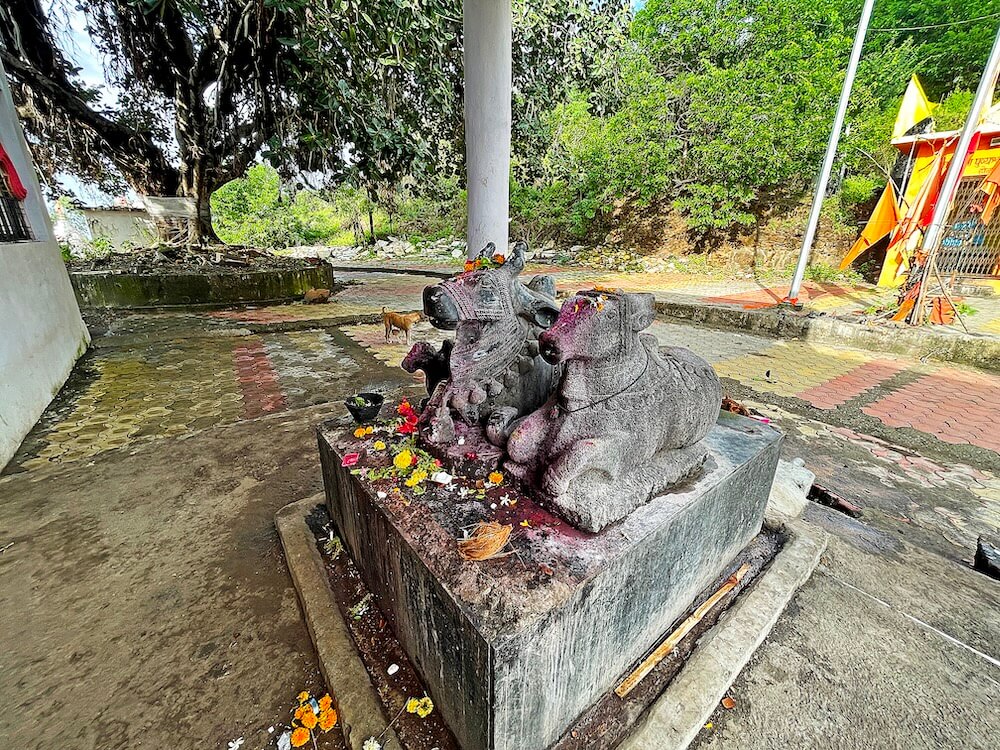
Although the temple has been renovated, experts estimate that the sanctum sanctorum, with its original Hemadpanti-style construction, dates back three to four hundred years. However, villagers believe that the Swayambhu (self-manifested) Shiva Linga here is thousands of years old. A legend regarding the temple states that Lord Shriram used to worship Shiva daily. While traveling towards Lanka in search of Sita after she was abducted by Ravana, Shriram stopped here for a rest. In those days, this area was a dense forest, and Rama established this Shiva Linga for his worship. After worshipping the Shiva Linga, he prayed to Mahadeva for success in his mission and sought a boon that any devotee who worships this Shiva Linga in the future should have their wishes fulfilled. The temple is situated at a short distance from the village, and there is a paved road leading up to it. In front of the temple, there is a courtyard covered with paver blocks, where a welcome arch stands at the entrance. The arch consists of two square pillars on either side of the road, connected by an arched torana, with a balcony (sajja) atop the pillars. In the central niche of the decorative panel (bashinga) on the balcony, idols of Mahadeva, Parvati, and Ganapati are enshrined. There are Nandi sculptures on both sides of the panel, and amalakas at both ends of the balcony. Seating arrangements have been made for devotees in the open courtyard in front of the temple, and the surroundings are filled with trees and greenery. The temple structure consists of a Nandi Mandapa, a Sabha Mandapa, and a Garbhagriha (sanctum sanctorum). The Nandi Mandapa and Sabha Mandapa were built in modern architectural style in recent times. In the Nandi Mandapa in front of the temple, there are three black stone idols of Nandi on a pedestal, along with some Shiva Lingas and padmapaduka (footprint) sculptures. Experts believe these three Nandi idols belong to different periods.
The roof of the Nandi Mandapa is supported by two pillars and the walls of the Sabha Mandapa. The entrance to the Sabha Mandapa is simple. The enclosed Sabha Mandapa has vents in two layers for light and ventilation. There are seats for devotees in the Sabha Mandapa, and the temple office is located in one corner. There are two doors each on the right and left sides of the sanctum sanctorum to exit the Sabha Mandapa. Further ahead is the sanctum sanctorum with carved stone construction. To the right of the entrance to the sanctum, there is a vermilion-smeared stone idol of Ganesha. The door frames feature vertical carvings, and the upper arch contains a Ganapati sculpture. The entrance has decorative wooden shutters.
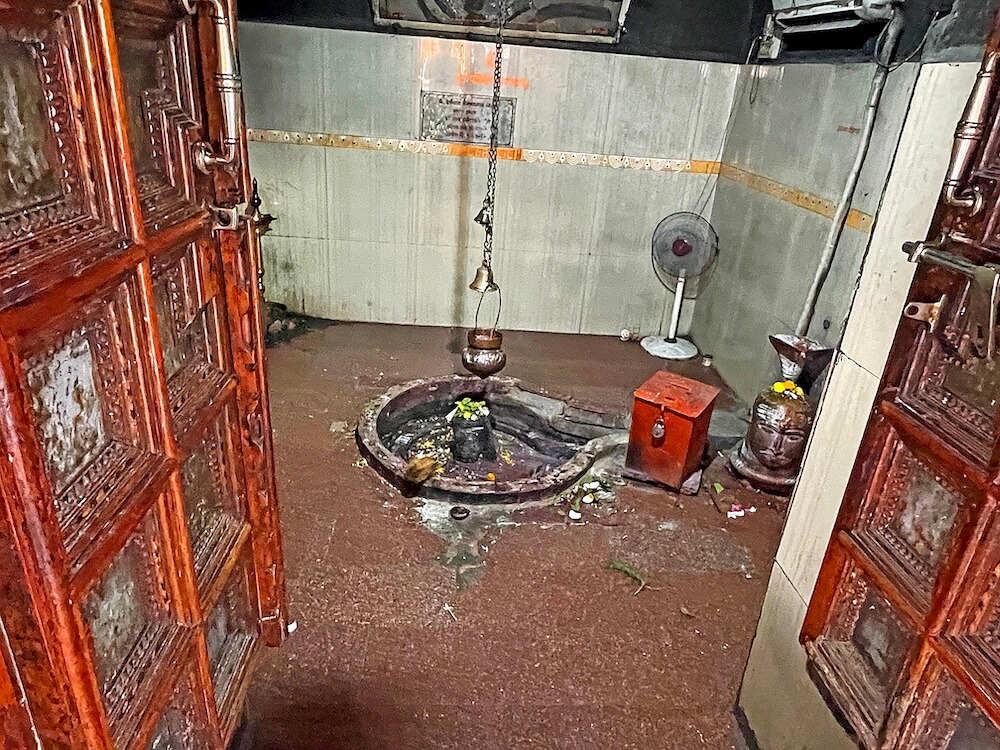
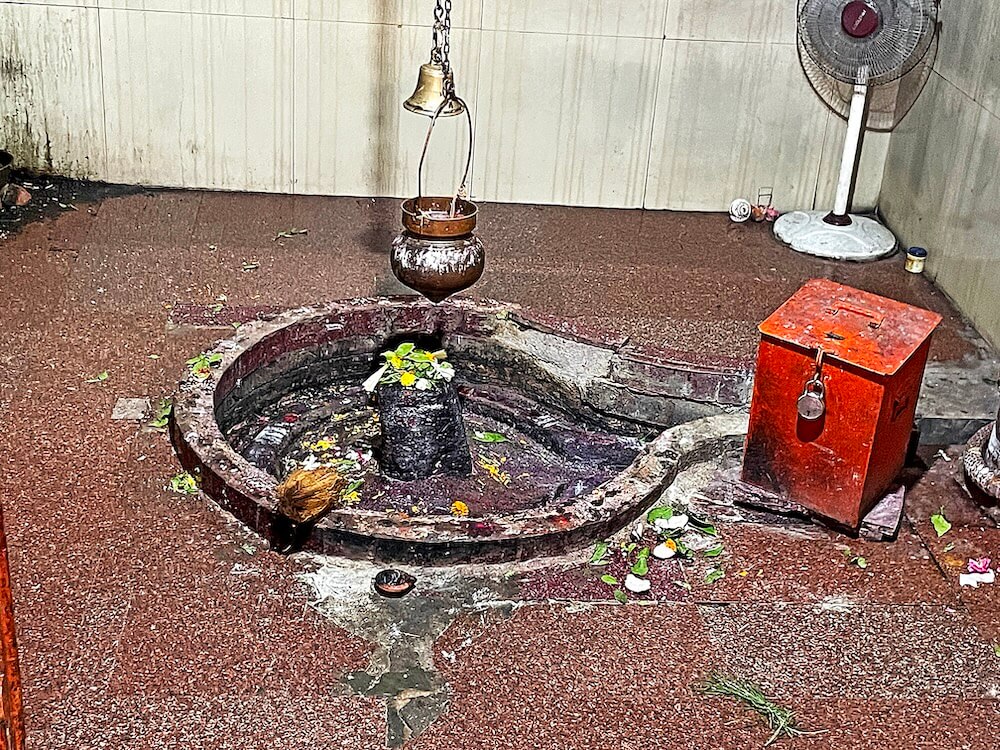
The sanctum sanctorum is a few inches lower than the Sabha Mandapa. There, in the center on the floor, is the Swayambhu Shiva Linga. The Linga stone is tilted at a specific angle. There is a railing around the Shiva Linga, and an abhishek vessel (for ritual bathing) is hung from the ceiling to drip water. The roof of the sanctum has a square spire about twenty feet high. On the spire, one can see sub-spires, niches, and lotus flower carvings in all four directions. At the top of the spire are the amalaka and the kalasha.
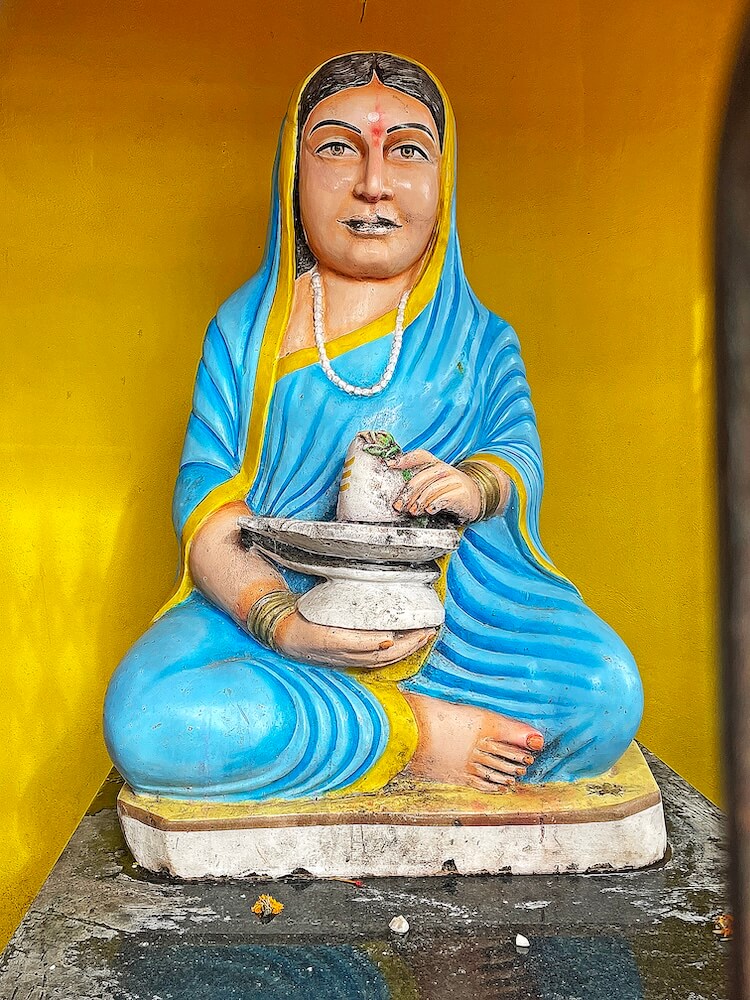
Beside the temple is a small temple of Ahilyadevi Holkar. It houses a meditative idol of Ahilyadevi holding a Shiva Linga on a pedestal. There are also other temples in the village area, such as the Maruti temple, Shani temple, and Vishwakarma temple. The annual fair of Pavitreshwar is held on Phalguna Shukla Dwadashi, also known as Amli Baras. Farmers from many surrounding villages bring their oxen to circumambulate the deity. Devotees believe that by circumambulating the deity, the oxen remain free from disease and healthy throughout the year. Many devotees come to the temple carrying a kavadi to perform abhishek.
Chaitra Purnima, which is Hanuman Jayanti, is the second major festival here. It is a local custom for guests arriving in the village to carry a pot of water on their heads and perform abhishek in the temple. On the occasion of the fair, sweet prasad is prepared in the village. On the night of the Mahashivratri festival, a palanquin procession of Mahadeva is taken out through the village. During all festivals, bhajans, kirtans, discourses, music, and mahaprasad are organized at the temple. The number of devotees visiting the temple is higher on Mondays, including those in the month of Shravana.
This sacred temple stands as a testament to deep spiritual devotion, ancient architectural grandeur, and rich local cultural traditions.
The sanctum sanctorum houses the divine idol consecrated according to ancient Vedic traditions, surrounded by serene courtyards and traditional temple architecture.
Navratri, Maha Shivratri, Annual Temple Jatra & Deepotsav
Compare and book flights, secure top-rated local hotels near the temple, hire reliable guides, and rent cars instantly.
Extend your pilgrimage by visiting other highly sacred temples located nearby.


Add ₹999 more to unlock FREE SHIPPING!
Your sacred cart is currently empty.
Shop Photo FramesFill in your delivery details below to place your order.
Add comment