
Add ₹999 more to unlock FREE SHIPPING!
Your sacred cart is currently empty.
Shop Photo FramesPanduranga of Pandhari is the presiding deity for countless Warkaris in Goa, just as He is in Maharashtra, Karnataka, and Andhra Pradesh. He is also the Kuladaivat (family deity) of the Rane Sardesai family of Goa. The tradition of Vitthal-bhakti has been glowing in Goa for about eight centuries. A symbol of this very tradition stands in Margao in the form of Hari Mandir. Warkari devotees chant the name of their beloved deity as ‘Jai Hari Vitthal’. In this temple, which was established over a century ago, the idol of Vitthal, along with Rukhumai, is enshrined in the form of Hari, that is, Lord Vishnu.
The history of the Warkari tradition in Goa dates back to the medieval period (12th–15th century) when Goa was part of the Kadamba, Vijayanagara, and Bahmani empires. During this time, devotees and Warkari Kirtankars coming from Pandharpur to Goa sowed the seeds of devotion to Vitthal. Along with the Rane family, several other families in Goa accepted Vitthal as their deity. After the arrival of the Portuguese in 1510 AD, a wave of religious conversions began in Goa. Strict restrictions were imposed on Hindu modes of worship. The Portuguese destroyed many temples during this period. Nevertheless, in the villages of Goa, especially in South Goa, Vitthal-bhakti survived within homes and temples. In the 19th century, as religious oppression eased, the reconstruction of Hindu temples began in Goa. It was during this time that temples like the Hari Mandir in Pajifond were built.
The story of the construction of this temple is that Margao had long been an important trading town. In the early 20th century, some merchants from outside Goa came and settled here. After finishing their day’s work, they would gather at night to chat, which often led to debates. Then, a Marwari merchant named Gopalseth suggested that they should all gather at night for Bhajans and chanting the Lord’s name. Everyone liked the idea. They started the Bhajan program in a room in the Lotlikar Chawl here, keeping a picture of Vitthal-Rukmini. That was the era of Portuguese rule. At that time, a passport was required to leave Goa, and there were many restrictions on traveling outside the state. Therefore, many Warkaris could not go on the pilgrimage to Pandhari. So, these merchant devotees in Margao decided to build a Vitthal temple, and accordingly, Hari Mandir was established in the Lotlikar Chawl in 1909. Later, in 2018, this temple was relocated to its current, independent premises opposite the Adarsh Vanita Vidyalaya. On Shake 1940, Vilambinama Samvatsara, Vaishakh Shuddha Panchami, at the auspicious time of 8:46 AM (Friday, 20 April 2018), the inauguration of this temple and the Prana Pratishtha ceremony of the idols were performed by Swami Nikhalananda Saraswati of the Chinmaya Mission, Margao.
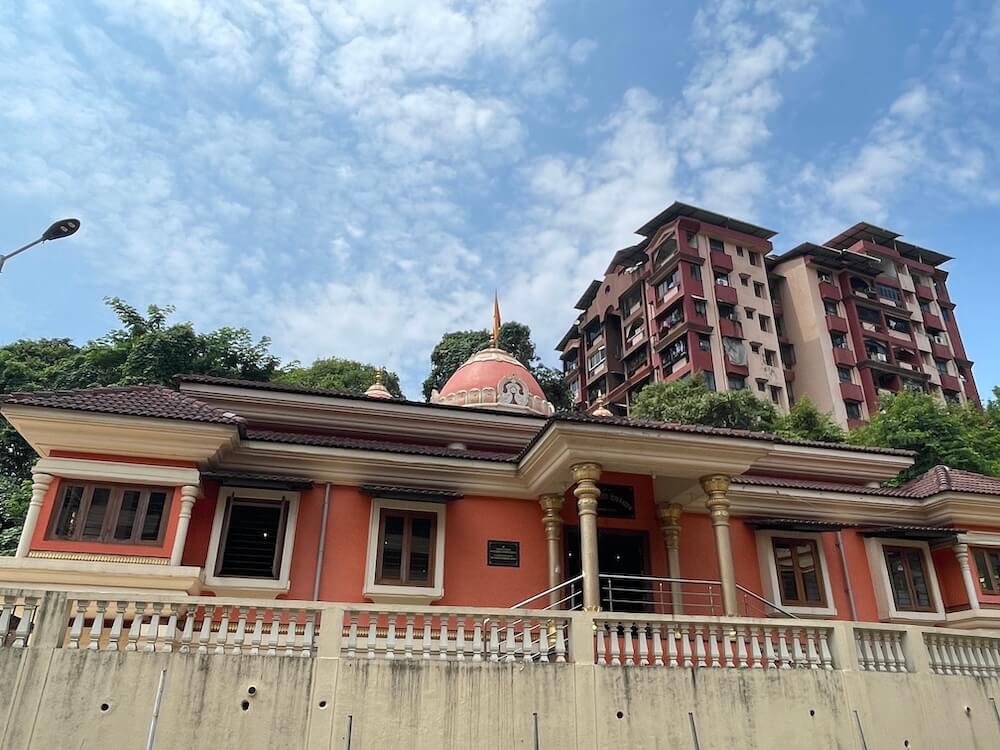
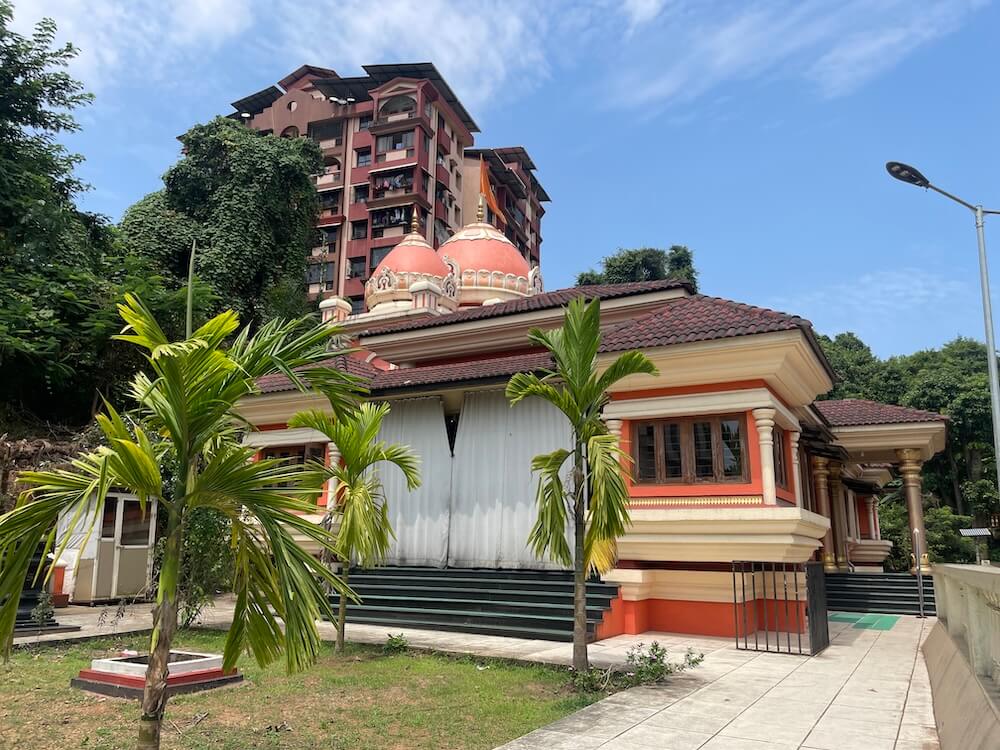
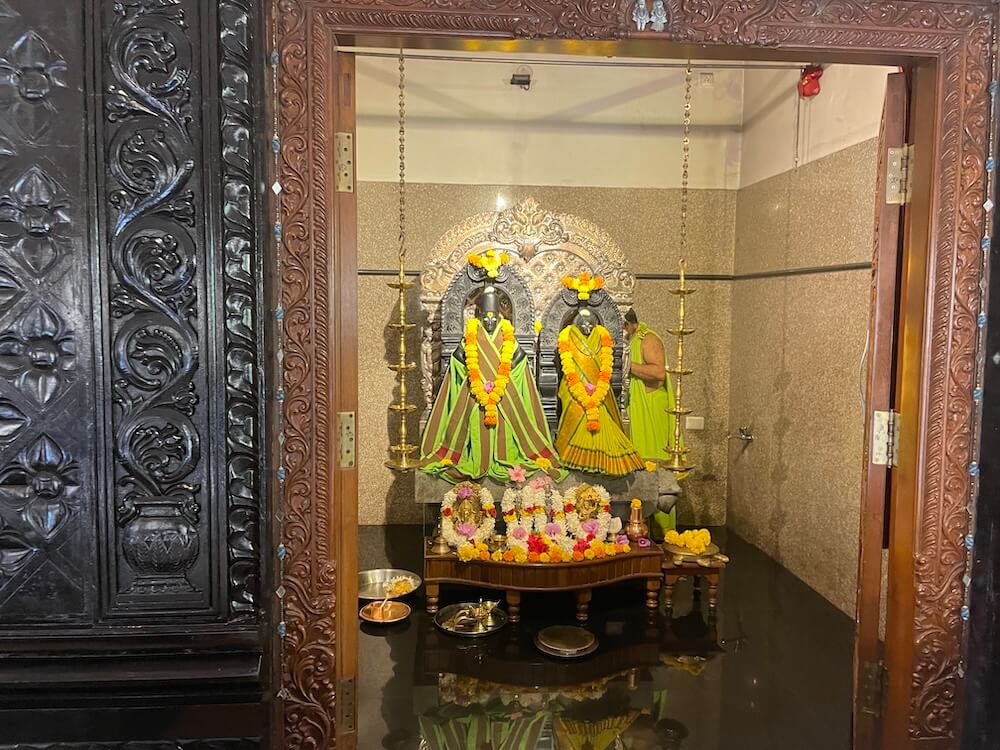
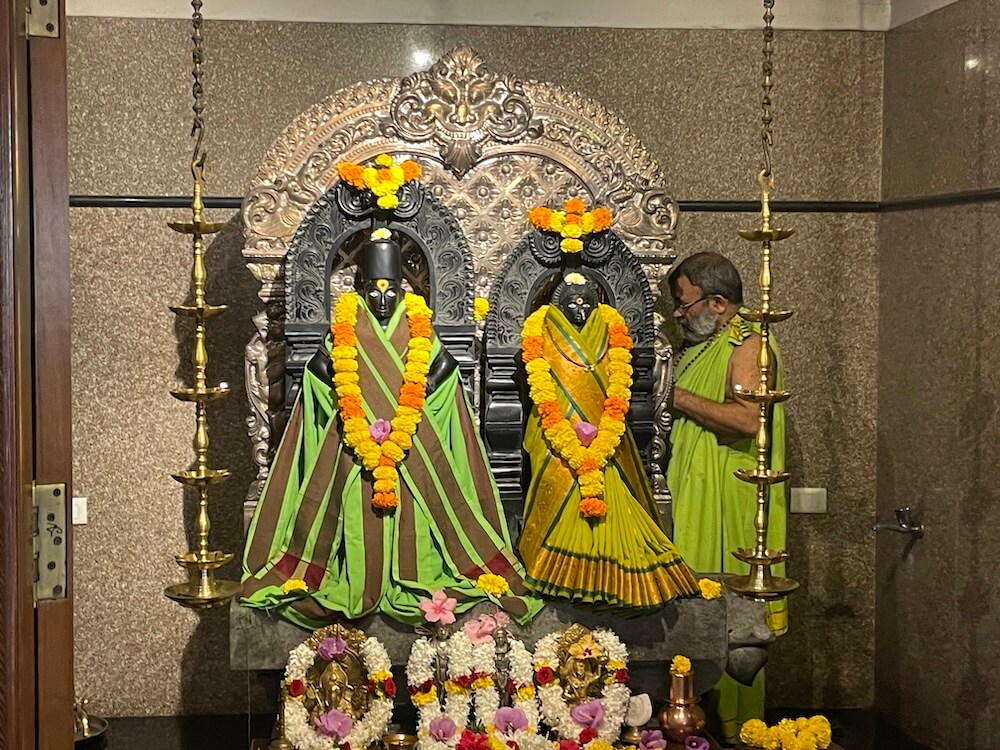
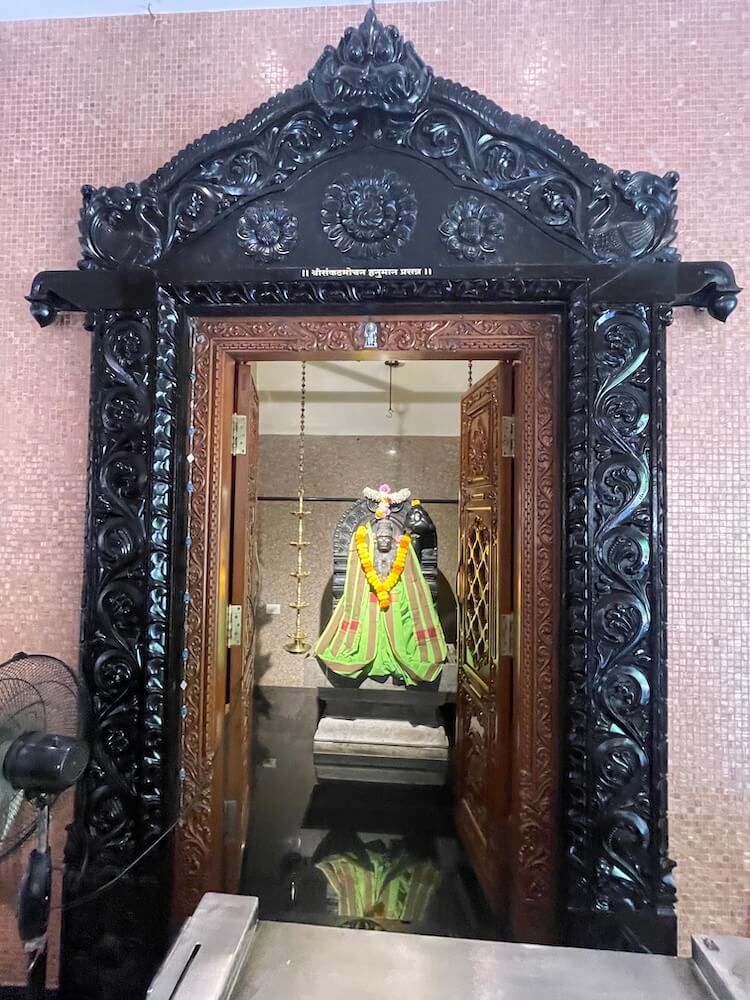
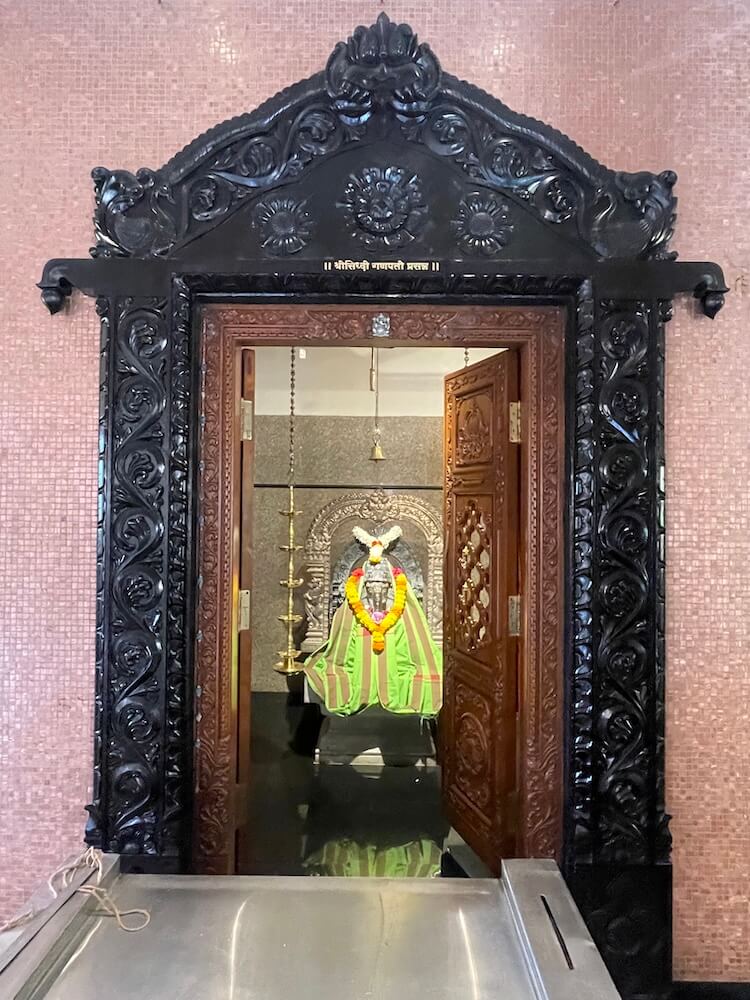
The structure of Hari Mandir is situated on elevated ground from the road. One enters the temple courtyard by climbing a few steps. The temple stands on a high plinth. It is a small, tiled-roof temple in the traditional temple architectural style of Gomantak. The temple structure consists of a Mukhamandapa (entrance hall), a Sabhamandapa (main hall), and three separate Garbhagrihas (sanctum sanctorum). The Sabhamandapa of the temple is spacious and features carved pillars. The idol of Saint Dnyaneshwar is enshrined in the Sabhamandapa. In the main Garbhagriha, idols of Vitthal-Rukhumai made of black stone are installed on a Vajrapitha. In front of these idols are brass Utsava-murtis (processional idols) of Ganapati, Vitthal-Rukmini, and Hanuman. In the sub-sanctum to the right of the main Garbhagriha is the idol of Sankatmochan Hanuman, and in the sanctum to the left is the idol of Ganesha. There are dome-shaped shikhara (spires) over the Garbhagrihas.
Festivals like Ashadhi and Kartiki Ekadashi, as well as Datta Jayanti and Ganesh Chaturthi, are celebrated with great enthusiasm in this temple. The grand Dindi festival of this temple, which takes place from Kartik Ashtami to Chaturdashi, is considered the religious pride of Margao. It is counted among the important festivals of Goa. This Dindi festival began in 1909. That year, for the first time on Ashadhi Trayodashi, the Palkhi (palanquin) of Vitthal-Rukhumai was taken out from Hari Mandir to the Damodar Saal temple amidst the chanting of Hari’s name and the sound of cymbals and mridangam. From there, it went to the Vitthal temple in Kesarkar Wada and was brought back to Hari Mandir the next day. The tradition of this Dindi started then. However, to avoid disruption of the festival by the heavy rains of Ashadha, the main Dindi festival is now celebrated on Kartiki Trayodashi instead of Ashadhi. Now, a Dindi Ringan (circular formation) also takes place at Dambab Chowk.
The reason given for celebrating the main Dindi festival on Trayodashi is that once, when some Warkaris from here set out for the Ashadhi Wari of Pandharpur, the Portuguese officials stopped them at the border. The day they returned from there was Trayodashi. Hence, that day was chosen for the Dindi festival. Various religious and cultural programs are celebrated during this festival. The Tourism Department of the Government of Goa has selected 11 temples in the state for tourism promotion, and this temple is included among them. Similarly, the state government has declared the local Dindi festival as a State Dindi Festival. Because of this, along with thousands of devotees, a large number of tourists also participate in this festival. Aarti is performed in the temple daily at 12:30 PM and 8:15 PM. Devotees can have Darshan of the deity in this temple from 6:00 AM to 1:00 PM and from 4:00 PM to 9:00 PM.
This sacred temple stands as a testament to deep spiritual devotion, ancient architectural grandeur, and rich local cultural traditions.
The sanctum sanctorum houses the divine idol consecrated according to ancient Vedic traditions, surrounded by serene courtyards and traditional temple architecture.
Navratri, Maha Shivratri, Annual Temple Jatra & Deepotsav
Compare and book flights, secure top-rated local hotels near the temple, hire reliable guides, and rent cars instantly.
Extend your pilgrimage by visiting other highly sacred temples located nearby.


Add ₹999 more to unlock FREE SHIPPING!
Your sacred cart is currently empty.
Shop Photo FramesFill in your delivery details below to place your order.
Add comment