
Add ₹999 more to unlock FREE SHIPPING!
Your sacred cart is currently empty.
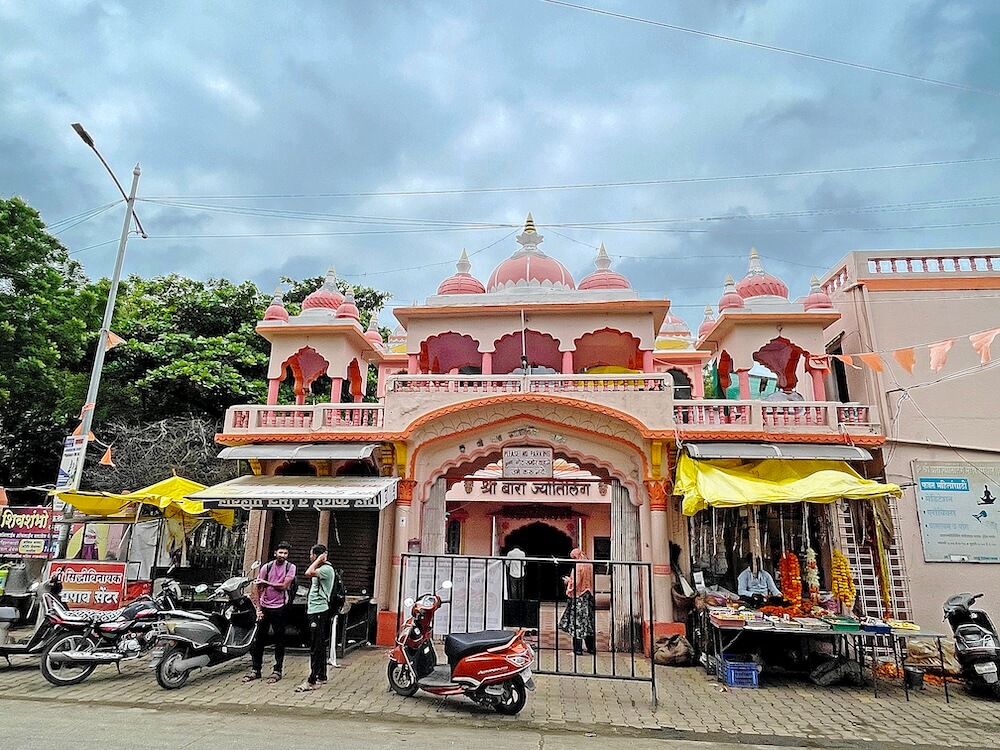
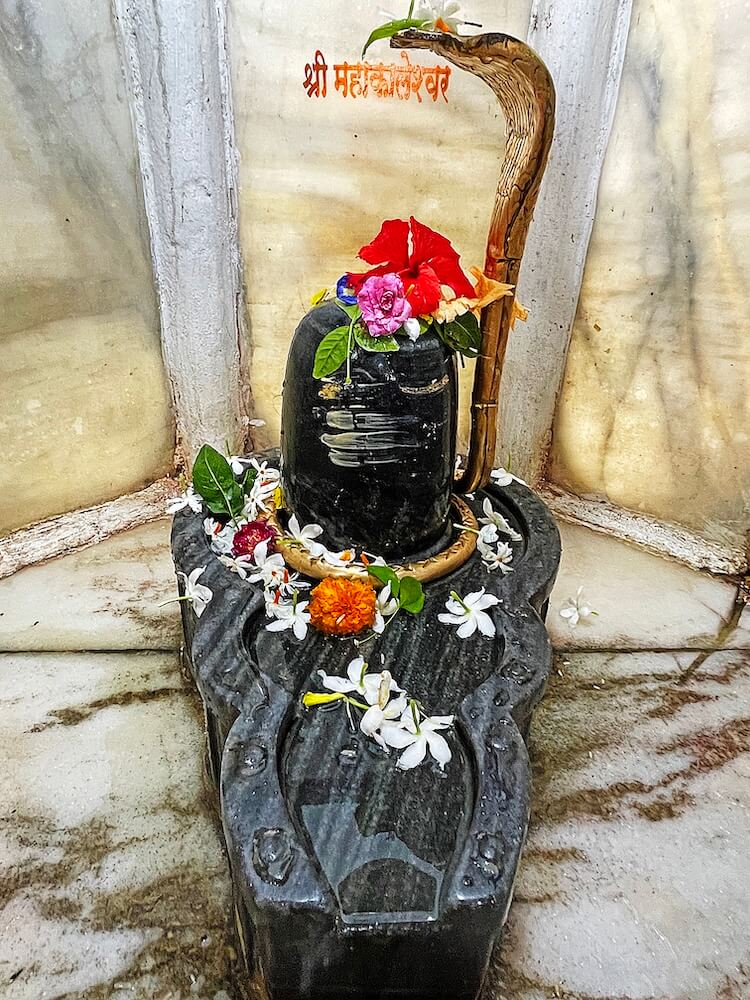
Shop Photo FramesThe literal meaning of Jyotirlinga is the Linga of Jyoti, that is, the Linga of light. According to Hindu religious tradition, the places where Lord Shiva himself manifested in the form of a column of light are known as Jyotirlingas. According to the Kotirudra Samhita of the Shiva Purana, there are countless Lingas and Upa-lingas of Shiva throughout the universe. Among them, twelve are considered the principal Lingas. These are the Dwadasha Jyotirlingas. Replicas of these Jyotirlingas are consecrated in the Bara Jyotirlinga Temple in the historic city of Akola. Many devotees from the city visit here regularly for Darshan.
Somnath (Saurashtra, Gujarat), Mallikarjuna (Srisailam, Andhra Pradesh), Mahakaleshwar (Ujjain, Madhya Pradesh), Omkareshwar (Omkareshwar, Madhya Pradesh), Kedarnath (Kedarnath, Uttarakhand), Bhimashankar (Bhimashankar, Maharashtra), Kashi Vishwanath (Varanasi, Uttar Pradesh), Trimbakeshwar (Trimbakeshwar, Maharashtra), Vaidyanath (Deoghar, Jharkhand), Nageshwar (Dwarka, Gujarat), Rameshwar (Rameshwaram, Tamil Nadu), and Grishneshwar (Aurangabad, Maharashtra) are these twelve Jyotirlingas. There are various legends and opinions regarding their origin. Some believe they are symbols of the twelve Adityas, while others consider them to be Brahmatmalingas or dormant volcanic eruption sites. According to the legend in the Shiva Purana, a dispute once arose between Brahma, Vishnu, and Mahesh regarding supremacy. At that time, Lord Shiva manifested as a vast and infinite pillar of light that pierced through all three worlds. The Jyotirlingas are symbols of that same beginningless and endless pillar of light.
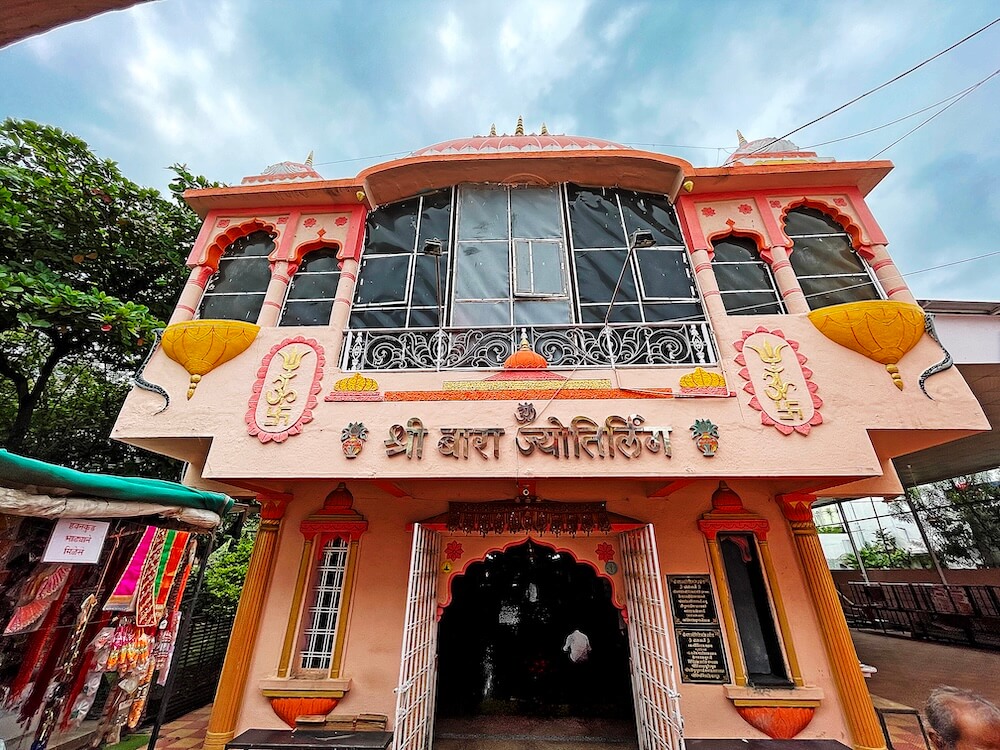
This temple was built in Akola with the noble intention of providing Darshan to those devotees who are unable to undertake the pilgrimage to these twelve holy sites that shape the cultural integrity of India. Situated in the central part of the city on the main road, the main Shivlinga was formally consecrated in this two-story temple on the auspicious occasion of Mahashivratri in 1982. At that time, the temple was modest in size. Over time, as the temple’s fame spread in the surrounding area, devotees from various parts of the city began to visit for Darshan. As the space became insufficient, the temple management decided to reconstruct the temple. The new structure of this temple was completed in 2011 through public donations. Due to its unique modern architecture and the greatness of Mahadeva, this has become an important temple in Akola.
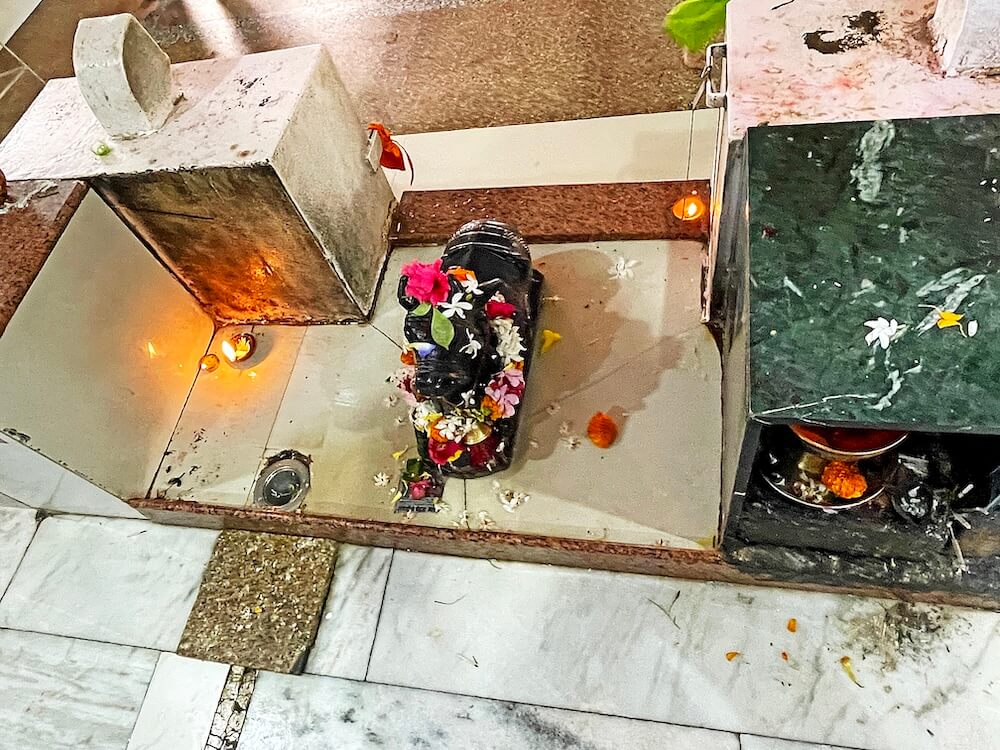
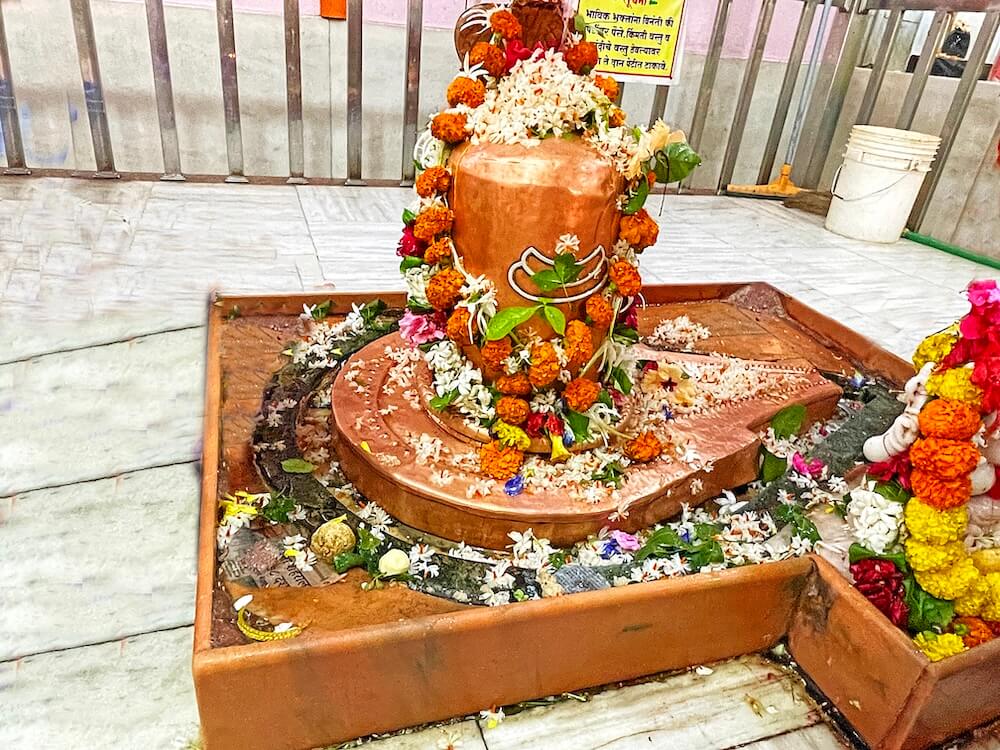
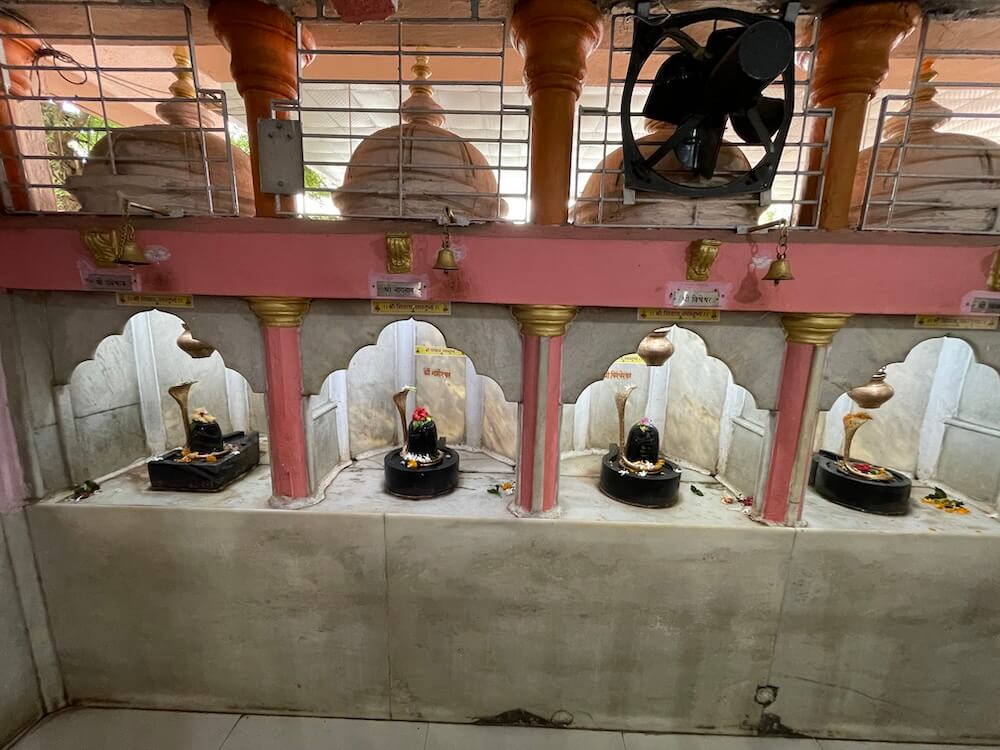
The temple is spread over a vast area of 14,000 square feet. The temple has an attractive entrance. There are shops selling worship materials and Prasad in the area outside the temple entrance as well as within the temple premises. Above the entrance of the temple, which is located along the road, there is a dome-shaped Shikhara and a Meghadambari. One enters the temple courtyard through this entrance. This two-story temple is situated in the middle of a small courtyard. The structure of the temple consists of a Sabha Mandap (assembly hall) and a Garbhagriha (sanctum sanctorum). In the spacious Sabha Mandap, there is a Nandi on a pedestal in the front, followed by the Garbhagriha. In the Garbhagriha, the main Shivpindi is placed in the center on a tiled Vajrapitha. On the circumambulation path of this Vajrapitha, there are replicas of the twelve Jyotirlingas in twelve niches, six on the right wall and six on the left. These niches have dome-shaped Shikharas. The roof of this temple has a decorative parapet, and the Garbhagriha features a Shikhara in the Urushringa style.
Devotees can have Darshan in this temple from early morning until 12 midnight. Various religious programs are organized here on the day of Mahashivratri. On this day, hundreds of devotees stand in queues to have Darshan. Many devotees also come every Monday of the Shravan month to offer Bel leaves and perform Abhisheka on the main Shivlinga. Sundarkand recitation is organized here every month. Many devotees perform meditation and contemplation in the Sabha Mandap of the temple.
This sacred temple stands as a testament to deep spiritual devotion, ancient architectural grandeur, and rich local cultural traditions.
The sanctum sanctorum houses the divine idol consecrated according to ancient Vedic traditions, surrounded by serene courtyards and traditional temple architecture.
Navratri, Maha Shivratri, Annual Temple Jatra & Deepotsav
Compare and book flights, secure top-rated local hotels near the temple, hire reliable guides, and rent cars instantly.
Extend your pilgrimage by visiting other highly sacred temples located nearby.


Add ₹999 more to unlock FREE SHIPPING!
Your sacred cart is currently empty.
Shop Photo FramesFill in your delivery details below to place your order.
Add comment