
Add ₹999 more to unlock FREE SHIPPING!
Your sacred cart is currently empty.
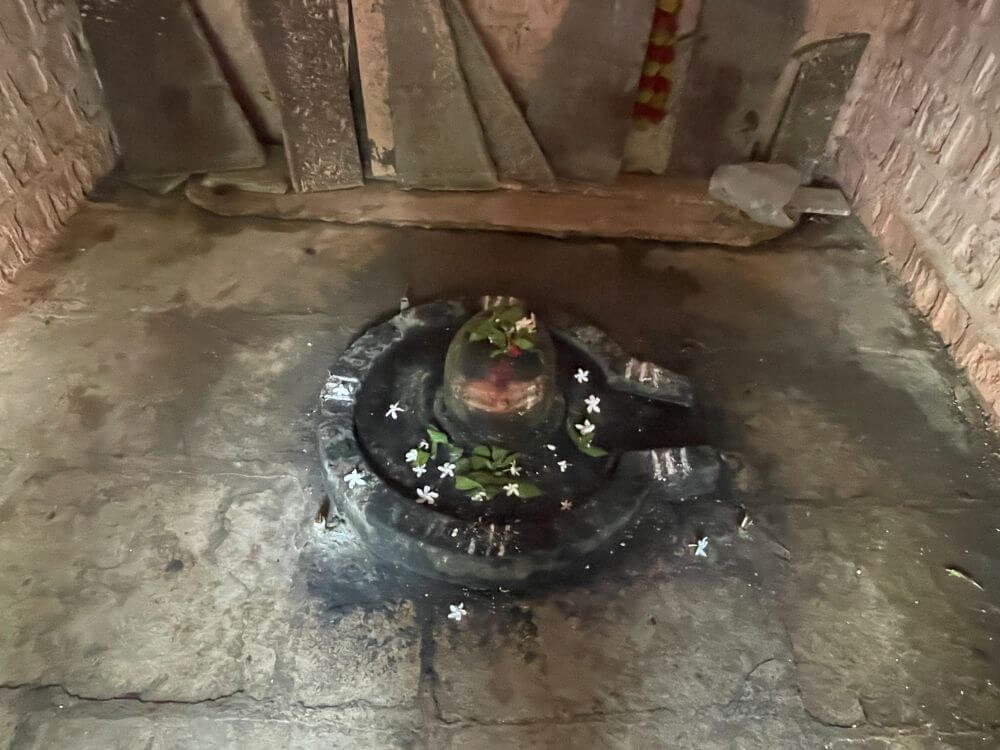
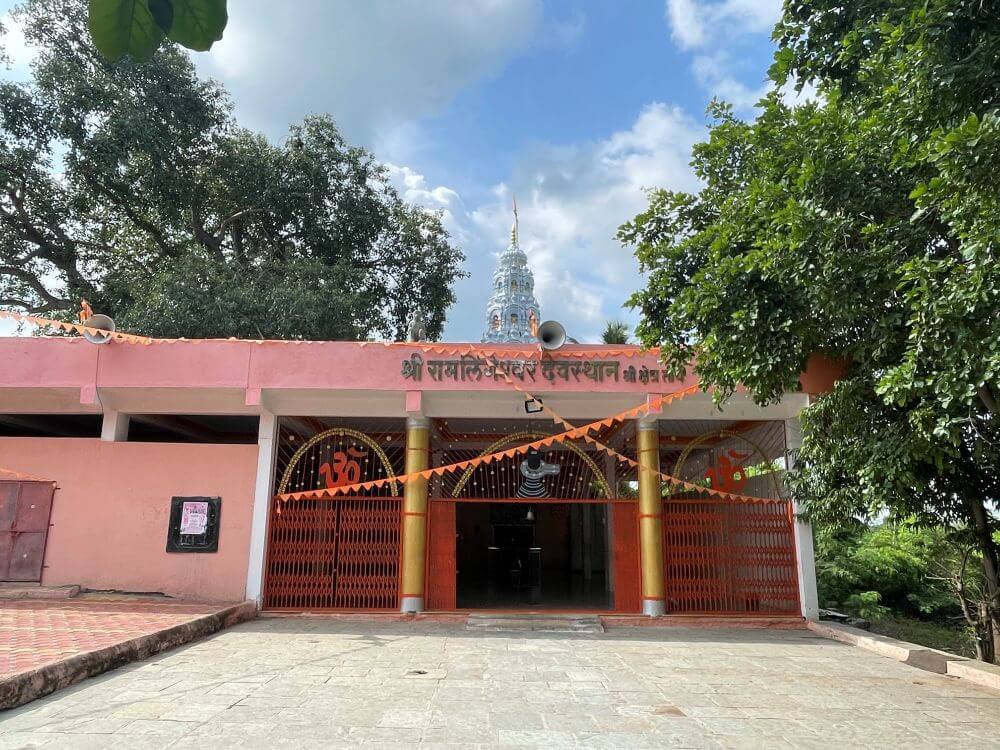
Shop Photo FramesTirth in South Solapur is a village that stands as a symbol of religious harmony. In this village, there is a grand temple of Lord Ramlingeshwar Mahadev. A unique feature of this temple is that the Muslim festival of Muharram concludes here. According to local legend, the Shiva Linga in this temple was installed by Lord Shri Ram. Furthermore, there are two other Shiva Lingas adjacent to this temple, and it is believed that they were installed by Sita and Lakshman. Devotees hold a firm belief that consuming the water from the Ramkund located near the temple cures ailments and dispels worries.
The legend associated with this temple states that after slaying Ravana, Lord Shri Ram returned to Ayodhya with everyone in the Pushpaka Vimana. Shri Ram was a devotee of Shiva. He would not consume food without worshipping Lord Shiva every morning. Wherever he could not find a Shiva Linga, he would create one and worship it. Thus, during his journey from Lanka, he installed Shiva Lingas at various places. Similarly, while on his way to Ayodhya, he stayed at this place and installed a Shiva Linga with his own hands and worshipped it. Just like him, Mother Sita and Lakshman also installed Shiva Lingas here. A water reservoir (Jalkund) was created here to provide water for the rituals. Over time, temples were built at this sacred site.
In this village, known as Shri Kshetra Tirth, harmony is visible between the Muharram Pirs and the village deity, Ramlingeshwar. A unique aspect of the Muharram observed here is the installation of five Panjas (Pirs), namely Imam Kashim, Husainbasha, Maulali, Bara Imam, and Nalsab alias Imam Kashim. The devotees who carry these Pirs first visit the Ramlingeshwar temple, break a coconut, and only then proceed to carry the Pirs. They visit every home in the village to collect incense (Ud) and offer solutions to the problems of the devotees, who believe that their troubles are resolved through this. The Muharram procession concludes at the Ramlingeshwar temple, with the entire village participating in the festivities. Imam Hasan and Husain, the grandsons of Prophet Muhammad, the founder of Islam, were martyred by the army of the Umayyad Caliph Yazid I. This event took place in the seventh century on the plains of Karbala. During this battle, some Brahmins had supported Husain. Even today, their descendants reside in Pune, Delhi, and Pakistan. They are known as Hussaini Brahmins. In memory of the sacrifice of Hazrat Imam Husain, Shia Muslims install Tabuts and Pirs during the month of Muharram. A Pir is a standard raised in memory of Husain’s companions, featuring a metal hand (Panja) mounted on a staff. In Shri Kshetra Tirth, five such Pirs are installed.
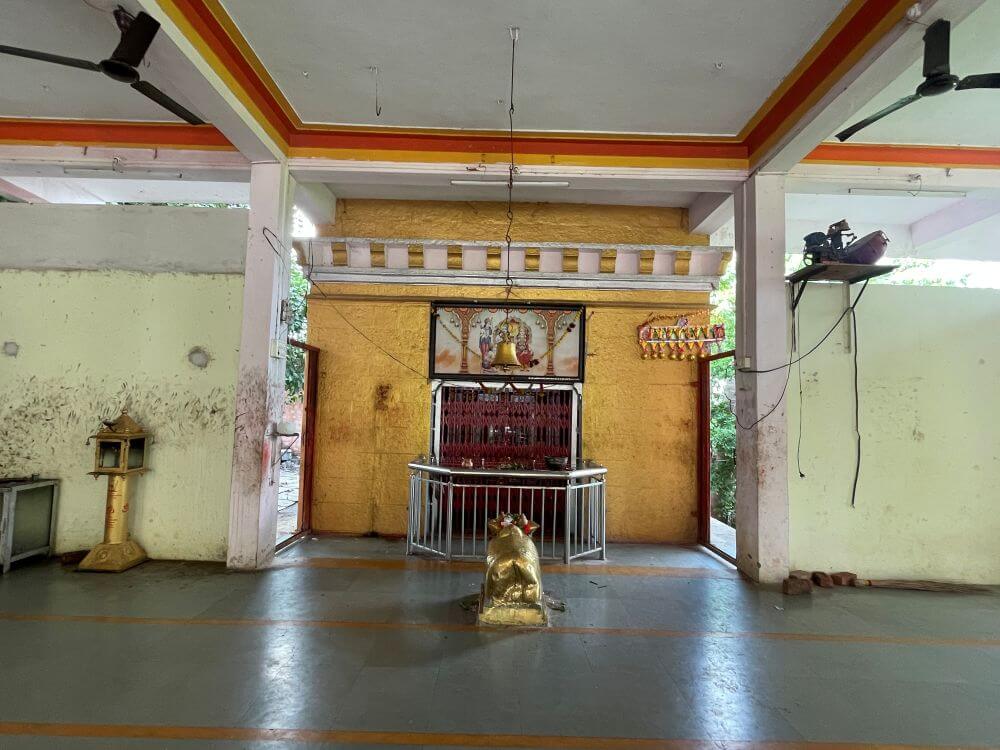
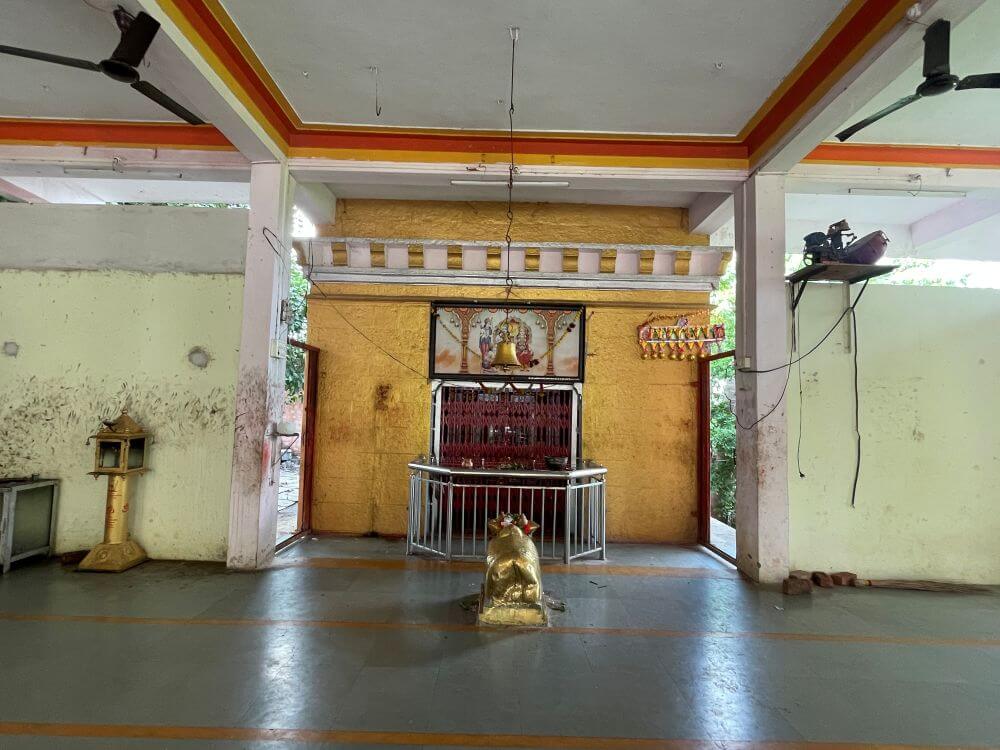
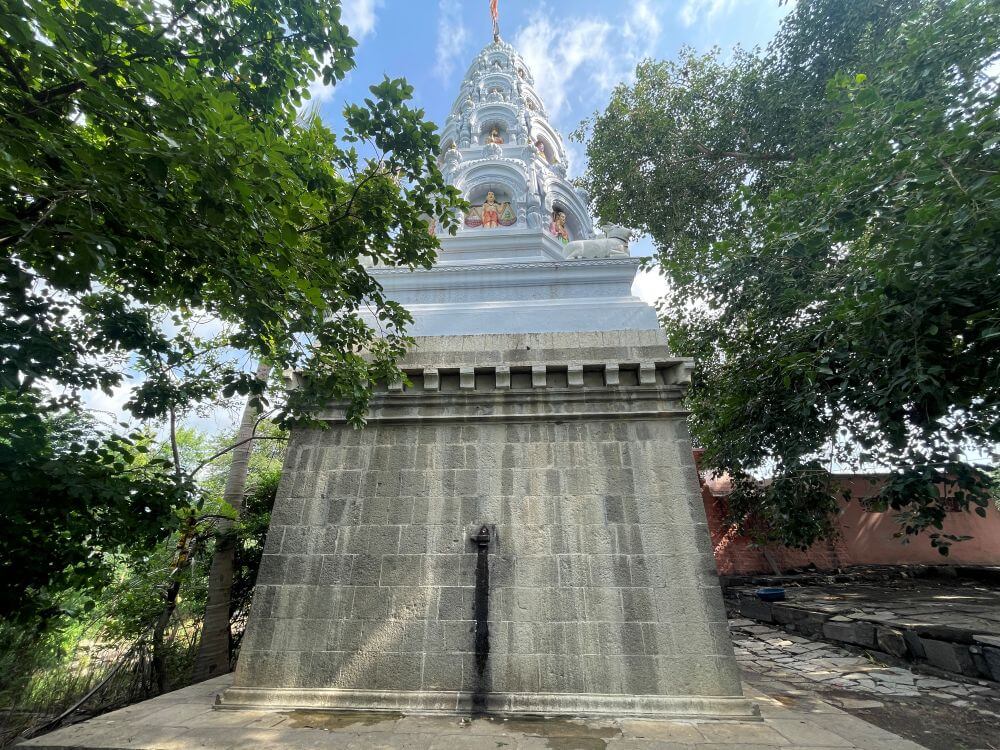
The Ramlingeshwar temple is situated in the heart of Tirth village. One enters the temple courtyard through an arched gateway. Above this gateway, there are three canopy-like niches containing idols of Shri Ram, Lakshman, and Sita. All these niches are topped with Amalakas and Shikhara (spires). In the courtyard, there are two ancient stone lamp pillars (Deepmalas) in front of the temple. The original Ramlingeshwar temple was built in the Hemadpanti architectural style. Currently, only the Shikhara and the sanctum sanctorum (Garbhagriha) remain from the original structure, while a new assembly hall (Sabhamandap) has been built in front. The temple structure consists of the Sabhamandap and the Garbhagriha. In the spacious Sabhamandap, there is a tortoise sculpture (Kachhap) followed by a stone idol of Nandi.
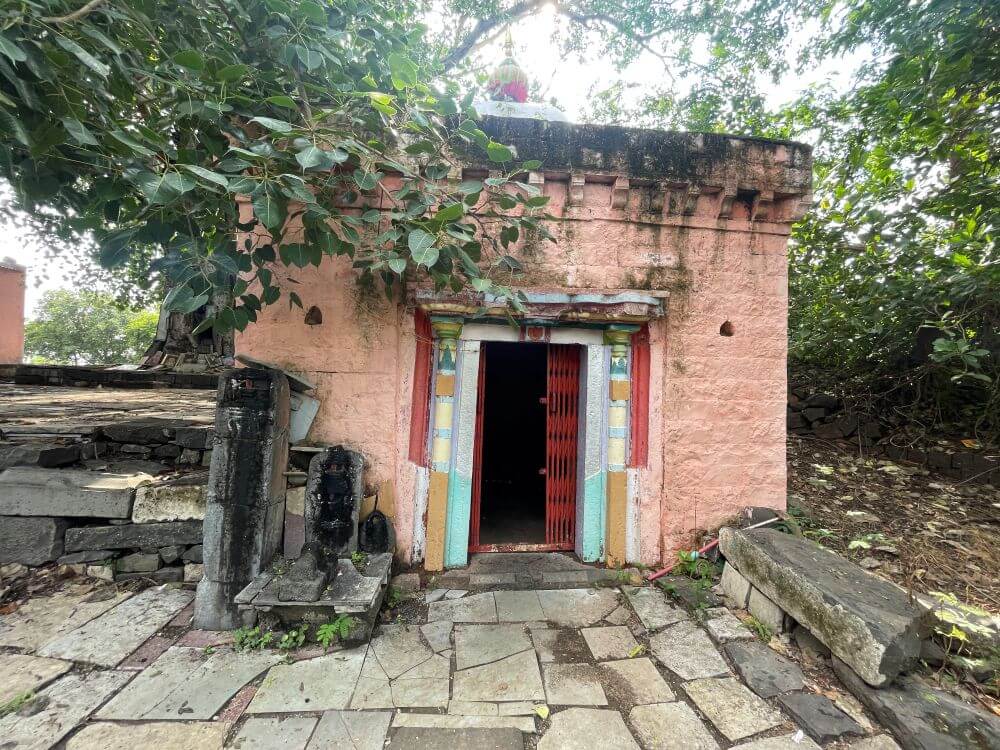
The entrance to the Garbhagriha features pillar-like jambs on both sides. At the base of these pillars are sculptures of door guardians (Dwarapalas). An idol of Lord Ganesha is placed at the lintel (Lalatbimba). In the center of the Garbhagriha stands a tall, ancient, monolithic Shiva Linga. The Shikhara above the Garbhagriha has four tiers adorned with small niches containing painted idols of various deities. The fifth tier features an Amalaka topped with a Kalasha. Behind the temple is a stepped water tank called Ramkund. It is believed that the water from this tank cures diseases and washes away sins. It is said that there is a Shiva Linga and a Nandi inside this tank. Adjacent to this tank is another Shiva temple, and it is believed that the Linga inside was crafted by Lakshman. There is a well in the temple premises from which water is drawn for the ritual bathing of the deities. Additionally, the courtyard houses temples dedicated to Ganesha, Tulja Bhavani, and Akkamahadevi, along with a sculpture of the Serpent Deity (Nagdevta) and the Shiva Linga installed by Sita.
A three-day fair (Yatra) is held at the Ramlingeshwar temple starting from Hanuman Jayanti. The Yatra begins at seven in the morning with a procession of the deity’s palanquin and the Nandi flag. Rudrabhishek and Tailabhishek are performed on Lord Ramlingeshwar. Furthermore, programs such as Kannada Kalgi Tura, Kannada plays, and wrestling matches are organized during the fair. This Yatra is a grand occasion for people of all castes and religions. During the fair, no one in the village lights a hearth (cooking fire). Jaggery, coconut, and Mahaprasad are distributed during the event. There is a tradition of performing prostrations (Dandavat) from one’s home to the Ramlingeshwar temple to fulfill vows.
This sacred temple stands as a testament to deep spiritual devotion, ancient architectural grandeur, and rich local cultural traditions.
The sanctum sanctorum houses the divine idol consecrated according to ancient Vedic traditions, surrounded by serene courtyards and traditional temple architecture.
Navratri, Maha Shivratri, Annual Temple Jatra & Deepotsav
Compare and book flights, secure top-rated local hotels near the temple, hire reliable guides, and rent cars instantly.
Extend your pilgrimage by visiting other highly sacred temples located nearby.


Add ₹999 more to unlock FREE SHIPPING!
Your sacred cart is currently empty.
Shop Photo FramesFill in your delivery details below to place your order.
Add comment