
Add ₹999 more to unlock FREE SHIPPING!
Your sacred cart is currently empty.
Shop Photo FramesIn ancient times, Mahad was known as a renowned and bustling trading port on the Bankot Creek. The city was viewed as a vital commercial link between the Ghatmatha (the plateau region) and the Konkan. Various goods arriving from the Ghatmatha were shipped across the world from this port. Jakmata Devi is famous as the presiding village deity (Gramadevata) of this city. She has long been revered as the goddess of the merchant community. Devotees believe that Jakmata protects the Kot Fort, which was sanctified by the presence of Chhatrapati Shivaji Maharaj.
Mahad, a city of historical, social, and commercial significance, is an ancient town situated on the banks of the Savitri River. In a manuscript by the second-century Greek astronomer and geographer Claudius Ptolemy, locations in the Raigad district are mentioned. He referred to Chaul as ‘Symulla’, Goregaon as ‘Hippokoura south of Symulla’, and Mahad as ‘Balepatna’. Mahad had commercial ties with the Greeks even before Ptolemy’s time. Records dating as far back as 225 BCE mention Mahad as a trading port. In the past, this city was known as Mahikavati. In the first century CE, it was ruled by the Buddhist king Vishnu Pulit of the Kumbhoj dynasty. By the thirteenth century, the Yadavas of Devagiri held authority over this region. At that time, Mahad held great commercial importance. Because it was a major marketplace, the city was called ‘Maha-hat’. Later, it
Mahad happened. In Portuguese records, this city is mentioned as a wheat market. Wheat, cloth, and various types of ornaments from Pune, Satara, Sangli, and Kolhapur would arrive here via Mahabaleshwar, and from here, they were shipped across the world by sea.
The Savitri River, which originates from Mahabaleshwar on the Ghatmatha (the crest of the Western Ghats), was considered a vital trade link between the Ghatmatha and the Konkan region. During the British era, this river was referred to as the ‘River of Honey’. Honey from the Ghatmatha was traded into the Konkan region via this river. In 1538, the French traveler De Castro recorded that a massive volume of wheat from the country was being traded through the Mahad port. Consequently, as there was an established equation that where there are trade centers, there is Jakmata, temples of Goddess Jakmata are found in many places across the Konkan. Since Jakmata is considered an incarnation of a Yakshini, she is also referred to as the Goddess of the merchant class. ‘Jakhadi’ is a traditional dance form of the Konkan, and this Goddess shares a phonetic similarity with that name. It is from the word ‘jakhadne’ (to bind or secure) that the terms Jakhmata or Jakmata originated. It is believed that she manifested here. Devotees hold the firm faith that this Goddess shares a deep and intimate bond with her worshippers. For many Vaishya Vani families of this region, this Goddess is their Kuladevata (family deity).
In the second volume of the two-part work ‘Folklore Notes’ concerning the Konkan region, written by the renowned Indologist and British civil servant A. M. T. Jackson, who was famously known as ‘Pandit Jackson’, he has documented Jakmata or Jakhai. According to this text, Jakhai or Jakmata are folk deities. Jakmata was worshipped similarly to other folk deities such as Hinglaj, Champavati, Bhagvati, Mahikavati, and Golambadevi. In the Ratnagiri district, Jakhai is considered an incarnation of Goddess Durga. Jackson also noted that the goddesses Makhjan and Jakmata in Sangameshwar were worshipped by Gurav and Bhoi priests. Chhatrapati Shivaji Maharaj had deep devotion to Durga Bhavani. According to historical records, Shivaji Maharaj himself appointed the Guravs of Dhopeshwar, near Rajapur, as priests for the Jakmata temple in Mahad. It was decreed that half of these priests would serve the Vireshwar temple and the other half would serve Jakmata, and they would exchange their duties on the night of Mahashivratri. This tradition, established then, is still followed today. As this Goddess is considered the sister of Lord Vireshwar Mahadev, it is evident that she belongs to the Shiva family.
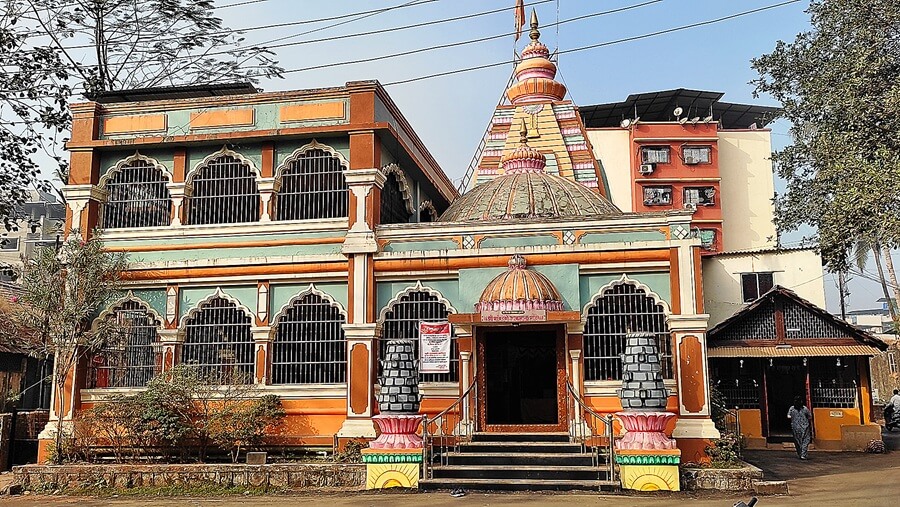
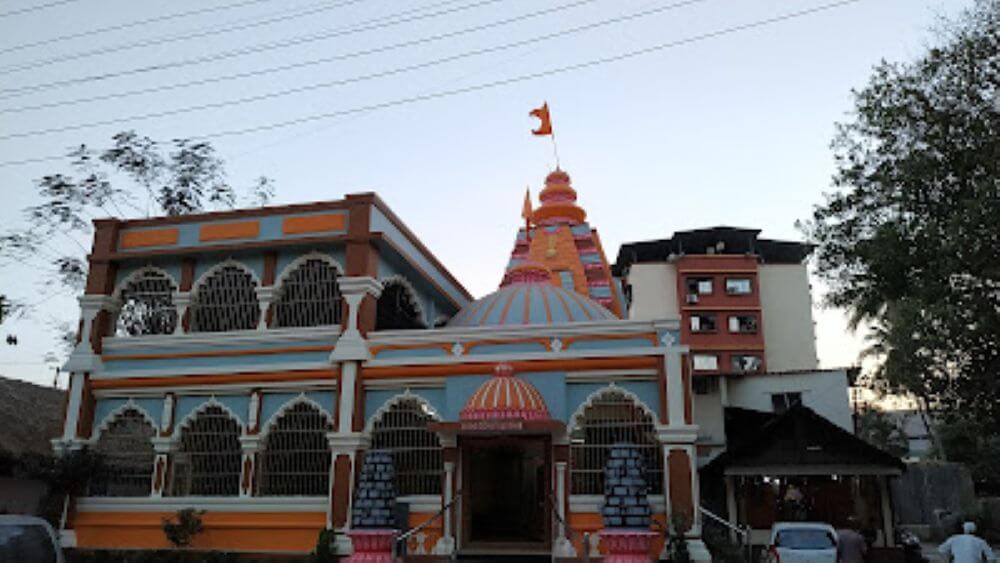
The Jakhmata Temple is located near the eastern entrance of the Kot Fort, situated close to the marketplace in Mahad city. During the era of Shrimant Balaji Bajirao, also known as Nanasaheb Peshwa (1740–1761 AD), it is recorded that Yashwant Mahadev Potnis, the then-Subhedar of Raigad under the Peshwa administration and a resident of Mahad, reconstructed the Jakhmata Temple along with the Vireshwar Temple in the Maratha architectural style. Yashwant Mahadev served as the Potnis (treasurer) and Khasnavis (private secretary) to Chhatrapati Shahu, the son of Sambhaji Raje. He was entrusted with the management of Shahu Raje’s eighteen royal departments and private affairs. Shahu Raje had also assigned him the administration of the then-Raigad Taluka and granted him a Saranjam (fiefdom) worth 40,000. The temple, originally built during that period, underwent renovation a few years ago, giving it its present appearance.
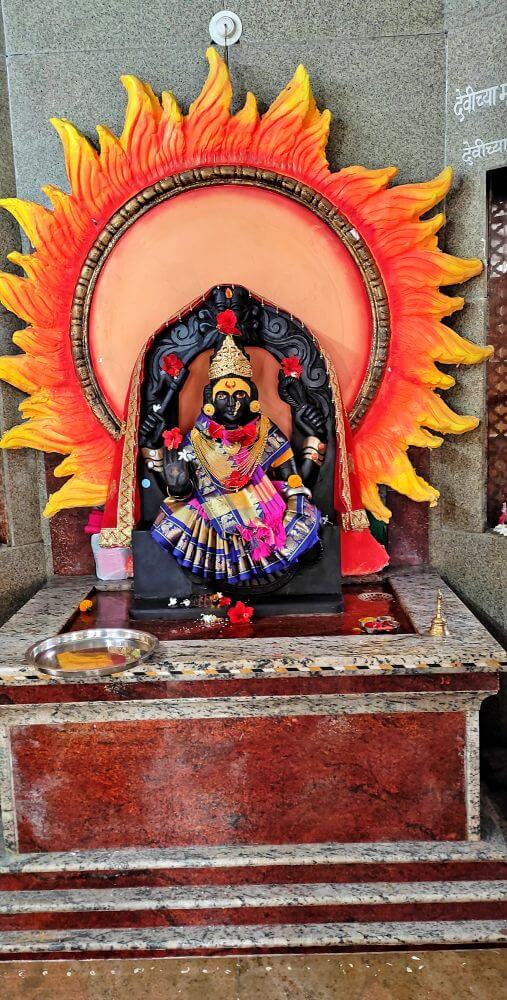
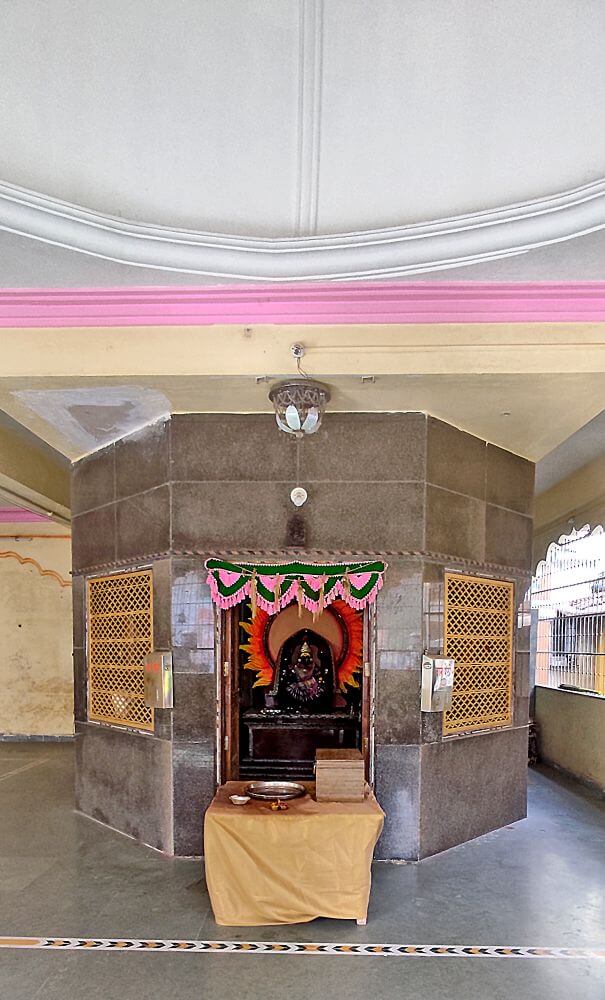
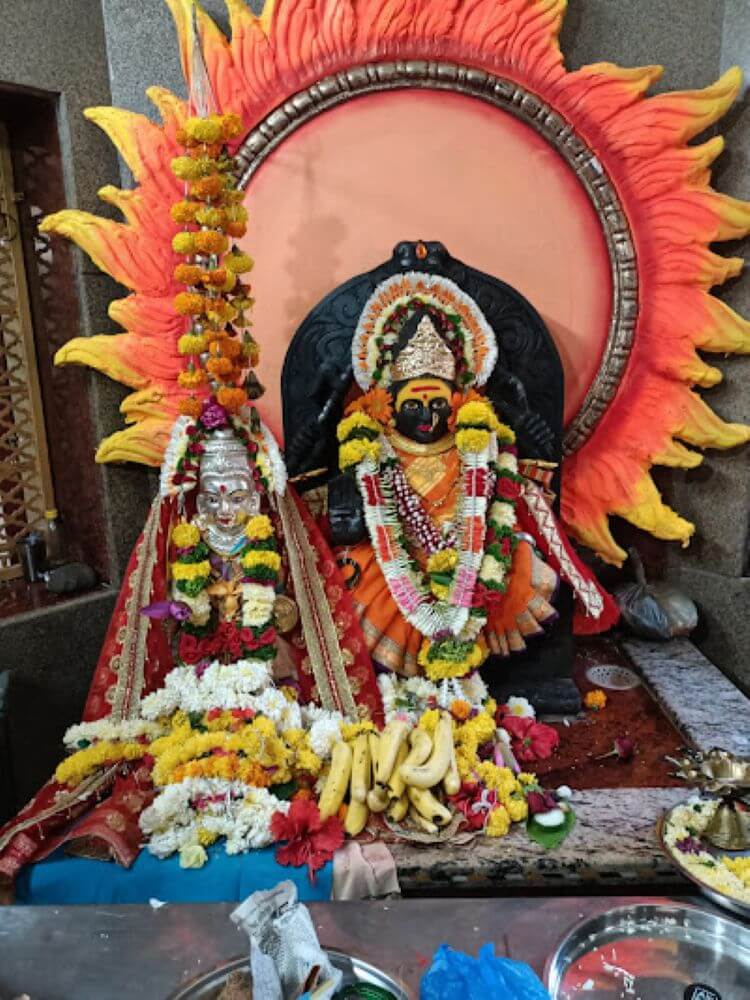
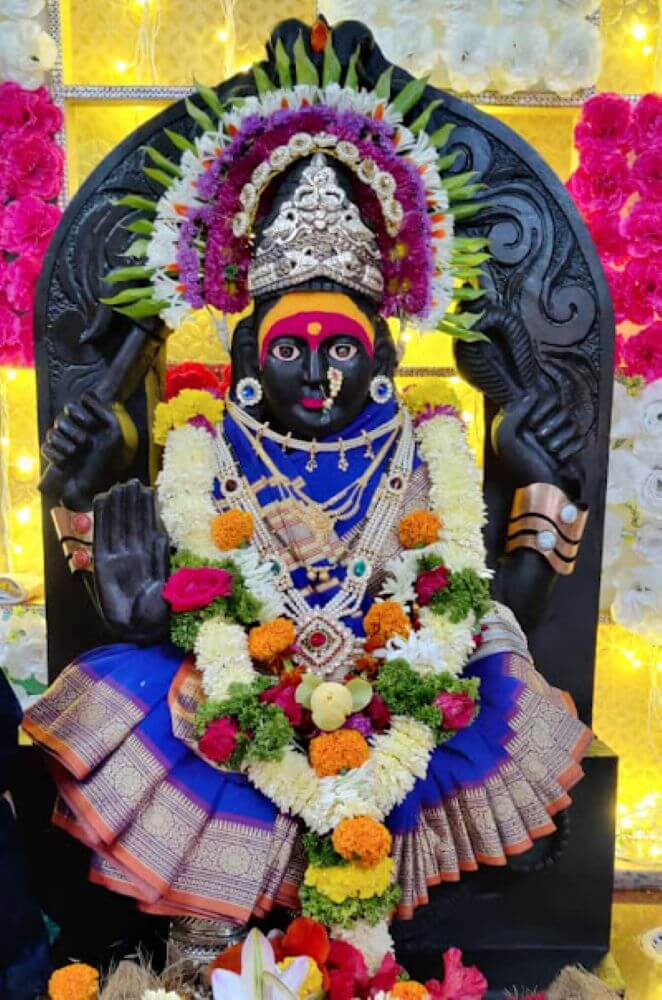
The temple structure consists of a Sabhamandapa (assembly hall) and a Garbhagriha (sanctum sanctorum). The distinctive idol of the Goddess is enshrined on a high Vajrapitha within the Garbhagriha. The idol holds a shield in one hand and a sword in the other. She has large eyes and a radiant countenance. The famous Chhabina festival of Mahad commences with the palanquin procession of Goddess Jakamata. The ceremonial staffs (Kathis) of the city’s deities participate in this procession. During this event, the palanquin of Jakamata is carried in a procession to the Vireshwar Temple. Navaratri is the major festival celebrated here. During the festival, along with religious programs such as Bhajans, Kirtans, Gondhal, and ritual worship, various competitions, cultural and intellectual programs, and lectures are organized. The city’s meritorious individuals are felicitated, and a woman who has become the pillar of her family by overcoming adverse circumstances is honored with the Jakamata Stree-Shakti Award.
This sacred temple stands as a testament to deep spiritual devotion, ancient architectural grandeur, and rich local cultural traditions.
The sanctum sanctorum houses the divine idol consecrated according to ancient Vedic traditions, surrounded by serene courtyards and traditional temple architecture.
Navratri, Maha Shivratri, Annual Temple Jatra & Deepotsav
Compare and book flights, secure top-rated local hotels near the temple, hire reliable guides, and rent cars instantly.
Extend your pilgrimage by visiting other highly sacred temples located nearby.


Add ₹999 more to unlock FREE SHIPPING!
Your sacred cart is currently empty.
Shop Photo FramesFill in your delivery details below to place your order.
Add comment