
Add ₹999 more to unlock FREE SHIPPING!
Your sacred cart is currently empty.
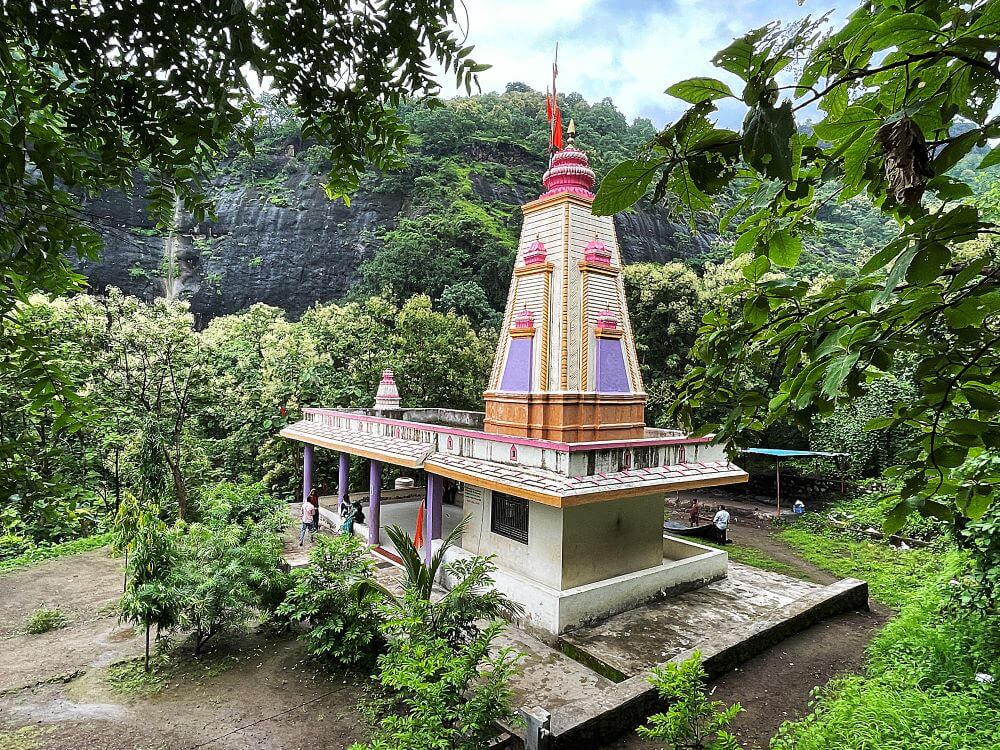
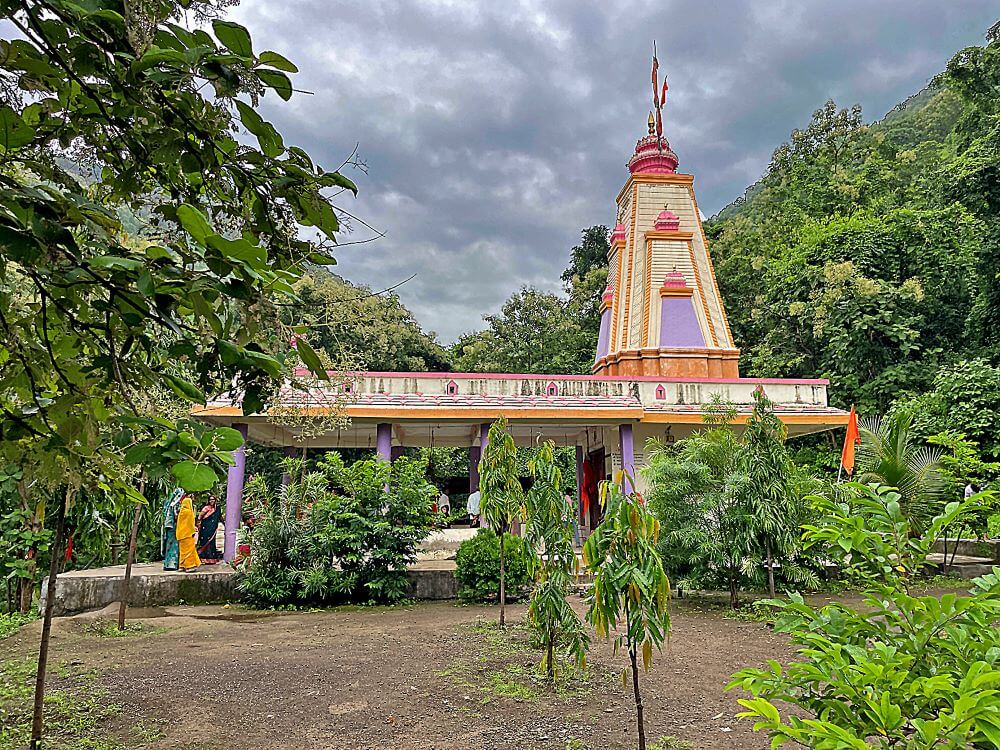
Shop Photo FramesSituated on the border of Marathwada and Khandesh, at the foothills of the Ajanta mountain ranges near the village of Bormal Tanda, lies the awakened and renowned temple of Manumata, nestled in a deep valley. The Goddess is widely revered as one who fulfills the heartfelt wishes of devotees and grants boons to those who seek her grace. She is the Kulswamini (family deity) for many families across Marathwada and Khandesh. A unique feature of this temple is that, due to the natural topography of the surrounding area, sunlight reaches the temple for only three hours a day.
The legend of the Goddess in the temple states that during the Nizam era, a girl named Manu lived in a poor family in Lohgaon, located in the nearby Kannad taluka. Opposing a marriage arranged by her family, she set off one day towards the Ghatnandra hills. Her family and fellow villagers followed her in search of her. Upon seeing them, Manu jumped from a high hill. Some time later, she manifested in the form of a Goddess at the foothills of the mountain in the deep valley. Since then, devotees have worshipped her with deep devotion. It is believed that this Goddess is the sister of the Jogeshwari Devi of Ghatnandra. Previously, the deity in the temple was in the form of a ‘Tandala’ (an unshaped stone). Following the renovation and restoration of the temple in 2014, a new idol of the Goddess was consecrated.
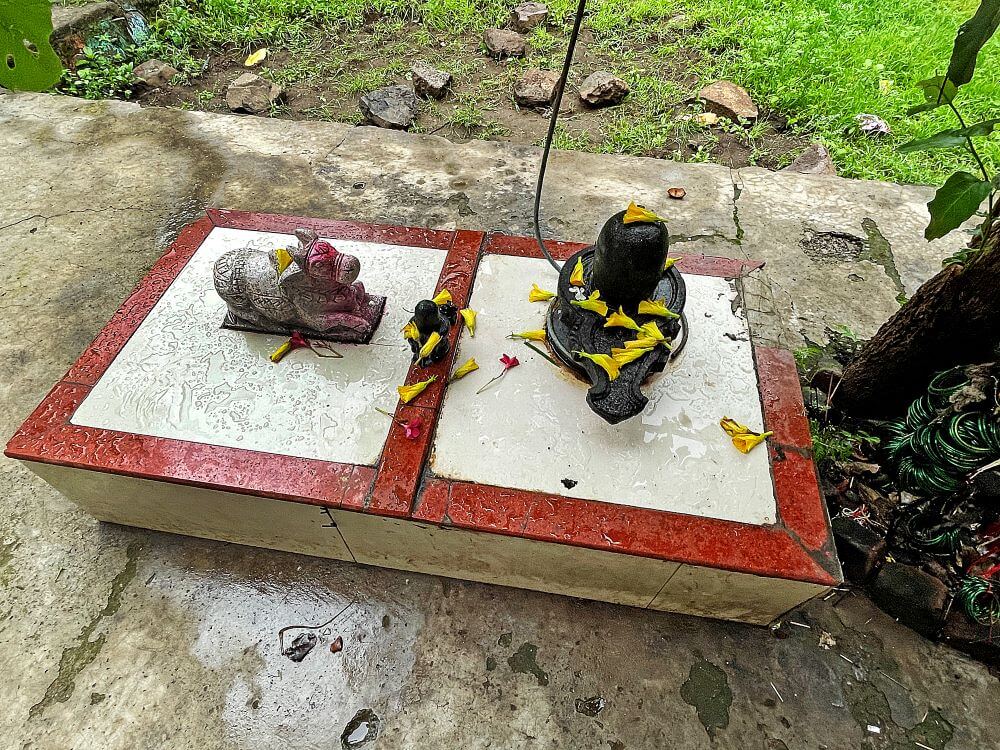
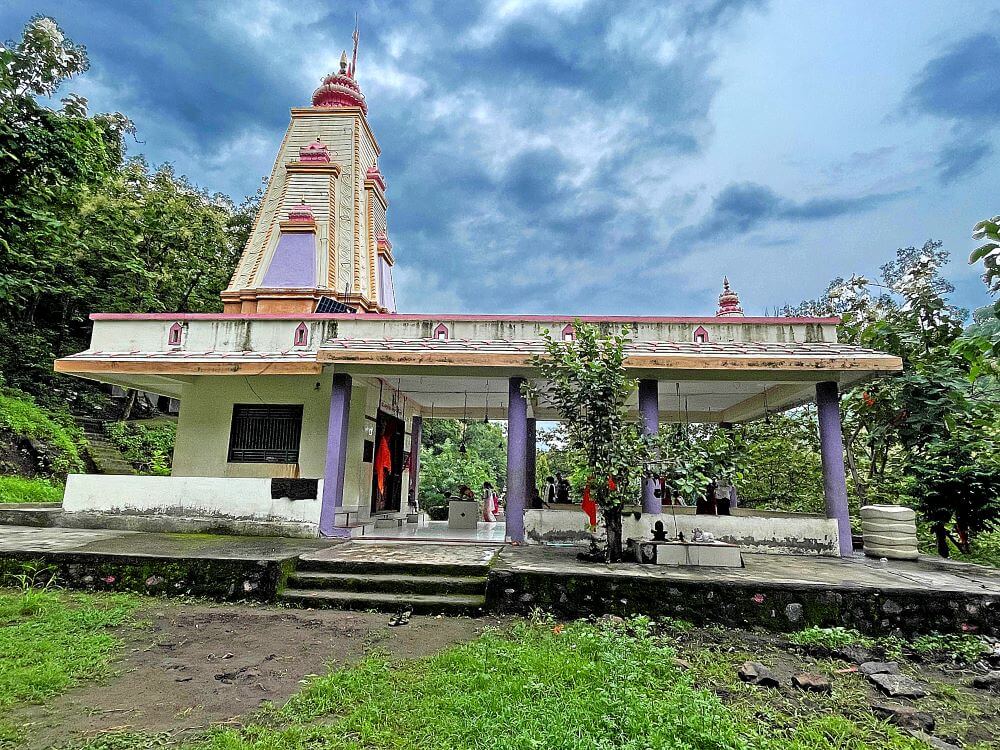
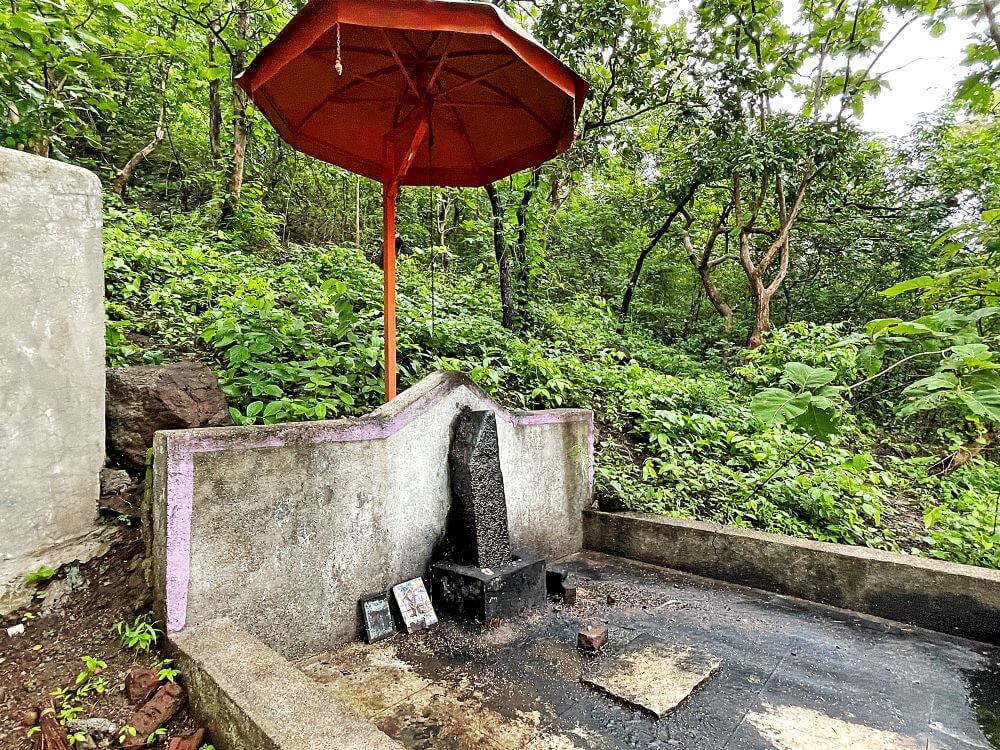
The temple can be reached from Chhatrapati Sambhajinagar via the Sillod-Bharadi-Ghatnandra ghat road, or from Chalisgaon via the Nagad-Banoti-Tidka route. There is a footpath leading to this temple, which is located two kilometers from Bormal Tanda village at the foothills of the Ajanta range. The temple premises are surrounded by dense forest, which is also home to wild animals; therefore, it is not advisable to visit during the evening or at night. Because of the towering hills on both sides, sunlight is visible here only between 12:00 and 3:00 in the afternoon. Upon reaching the temple premises, the temple spire and the flag atop the Kalash catch one’s attention. Flowering plants have been planted in the courtyard in front of the temple. Near a tree in the area, there is a small Shivalinga and an idol of Nandi. There is also a shrine dedicated to Shani Dev in the vicinity.
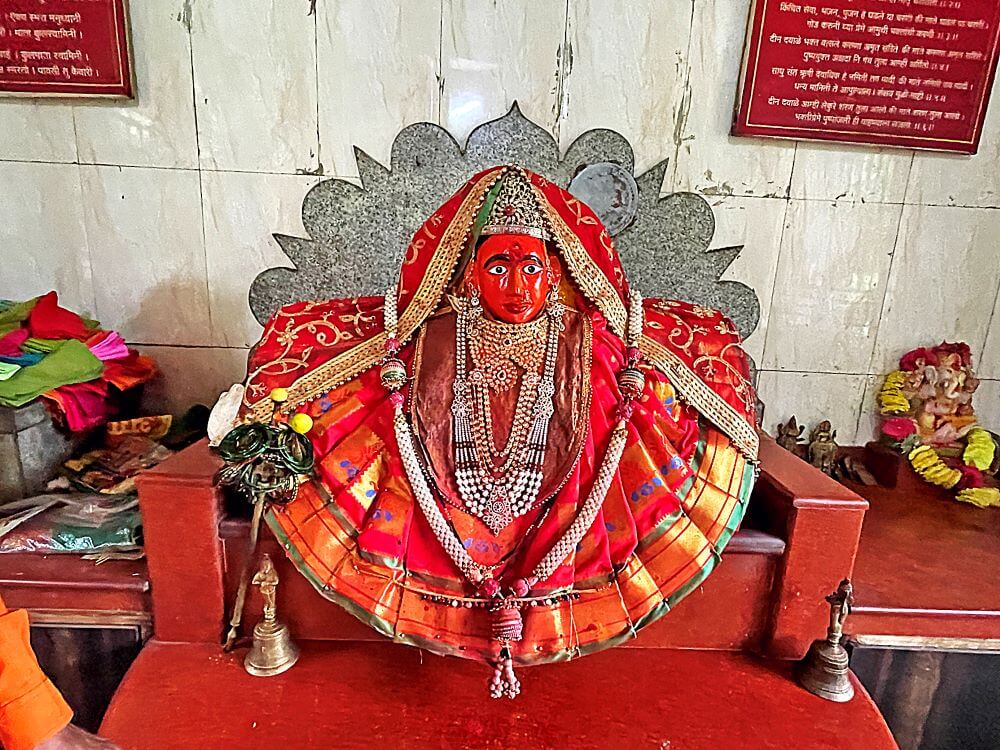
The Manudevi temple consists of an open assembly hall (Sabhamandap), a sanctum sanctorum (Garbhagriha), and a circumambulation path (Pradakshina Marg). Near the paved assembly hall, there is a sacrificial altar (Yajnakunda). On the lintel above the entrance to the sanctum, there is an idol of Lord Ganesha. Inside the sanctum, on a pedestal, stands the idol of Manumata, adorned with a crown and traditional garments. On both sides of the Goddess are idols of tigers, her divine vehicle. Every full moon (Pournima), the Goddess is bathed and her garments are changed. Due to her reputation for granting boons, devotees from various regions come here for her Darshan. A large crowd of devotees gathers for the annual fair held on the last Tuesday of the month of Ashadh. On this occasion, a ‘Bhandara’ (community feast) is also organized. During the Sharadiya Navratri festival, many devotees from Marathwada, Khandesh, Vidarbha, and other parts of the state visit for Darshan. Various religious programs are organized here for nine days, and a Homa-Havan is performed on Ashtami. During Navratri, the entire area resonates with the chants and praises of the Mother Goddess.
A waterfall cascading from a height of three hundred feet, located a short distance from the temple, is a major attraction for devotees and tourists alike. Many tourists visit to see this waterfall during the monsoon season. The gushing water adds to the natural beauty of the place. Above the temple, there is a large rock overhang with water cisterns that contain cool, fresh water throughout all twelve months of the year.
This sacred temple stands as a testament to deep spiritual devotion, ancient architectural grandeur, and rich local cultural traditions.
The sanctum sanctorum houses the divine idol consecrated according to ancient Vedic traditions, surrounded by serene courtyards and traditional temple architecture.
Navratri, Maha Shivratri, Annual Temple Jatra & Deepotsav
Compare and book flights, secure top-rated local hotels near the temple, hire reliable guides, and rent cars instantly.
Extend your pilgrimage by visiting other highly sacred temples located nearby.
Add ₹999 more to unlock FREE SHIPPING!
Your sacred cart is currently empty.
Shop Photo FramesFill in your delivery details below to place your order.
Add comment