
Add ₹999 more to unlock FREE SHIPPING!
Your sacred cart is currently empty.
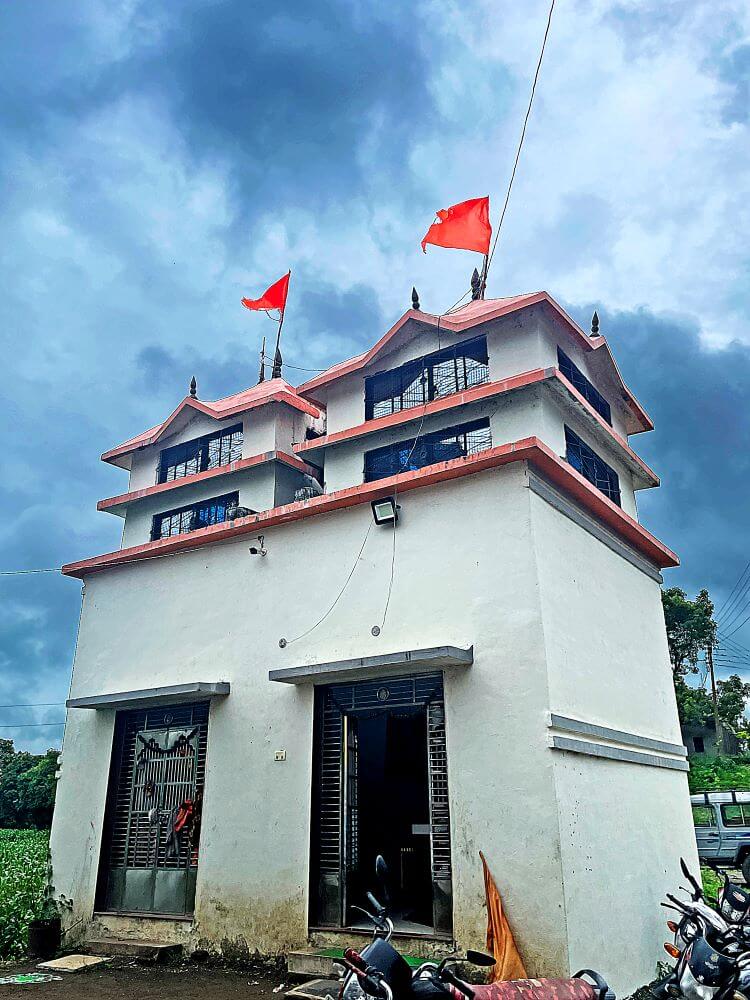
Shop Photo FramesThe Murdeshwar Temple in Kelgaon, located in the Sillod taluka of Chhatrapati Sambhajinagar, is a place of faith for thousands of devotees. It is believed that the Shivalinga in this temple was installed by Lord Shri Rama himself. Situated on the border of Marathwada and Khandesh in a region rich in natural beauty, the temple is built in the Hemadpanti architectural style. A unique feature of this place is that the temple is perched on the edge of a deep valley, approximately १,५०० feet deep, within the Ajanta mountain range. Because of this, the site is always bustling with both devotees and tourists. The state government has honored this temple by granting it ‘B’ grade pilgrimage status.
According to the legend of this temple, this area was once part of the Dandakaranya forest. One day, Lord Shri Rama, accompanied by Sita, arrived in this region from Khandesh. Sita was a devout worshipper of Lord Shiva. To facilitate her worship, Lord Shri Rama himself fashioned a Shivalinga for her here. After installing the Shivalinga, he turned back (muradun) to look toward Khandesh, which is why this region came to be known as Murdeshwar. After the installation of the Shiva Pindi, Lord Shri Rama stayed here with Sita for four days. Later, during the Yadava period, the temple was renovated during the reign of Krishnadevaraya. It is also said that Chhatrapati Shivaji Maharaj visited this temple for darshan while on his way to Agra.
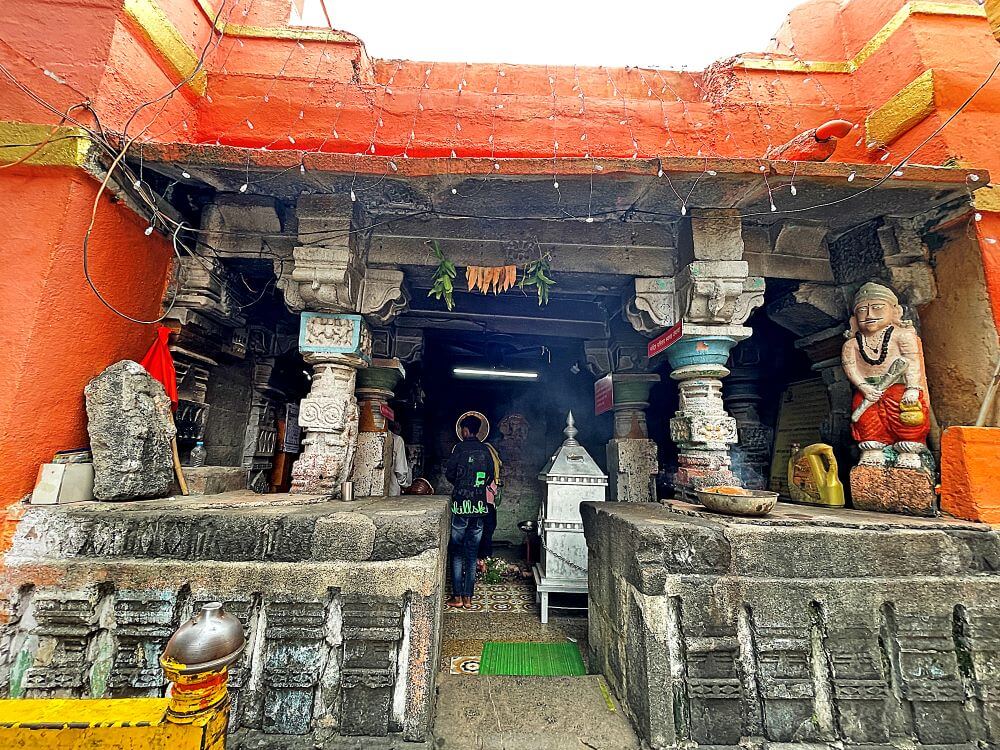
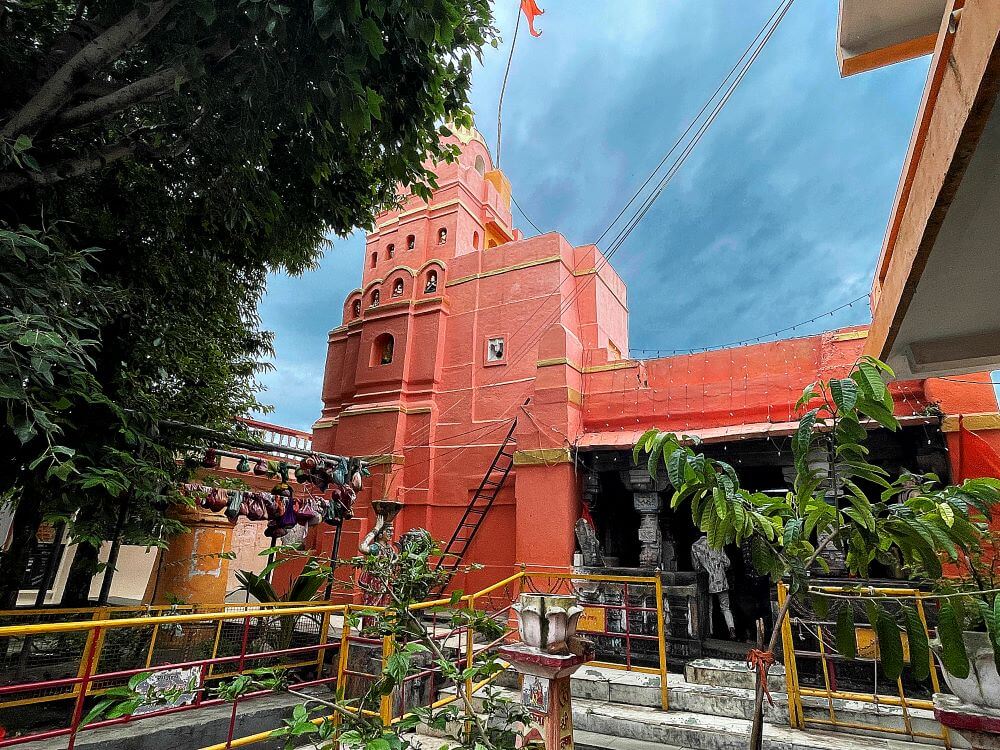
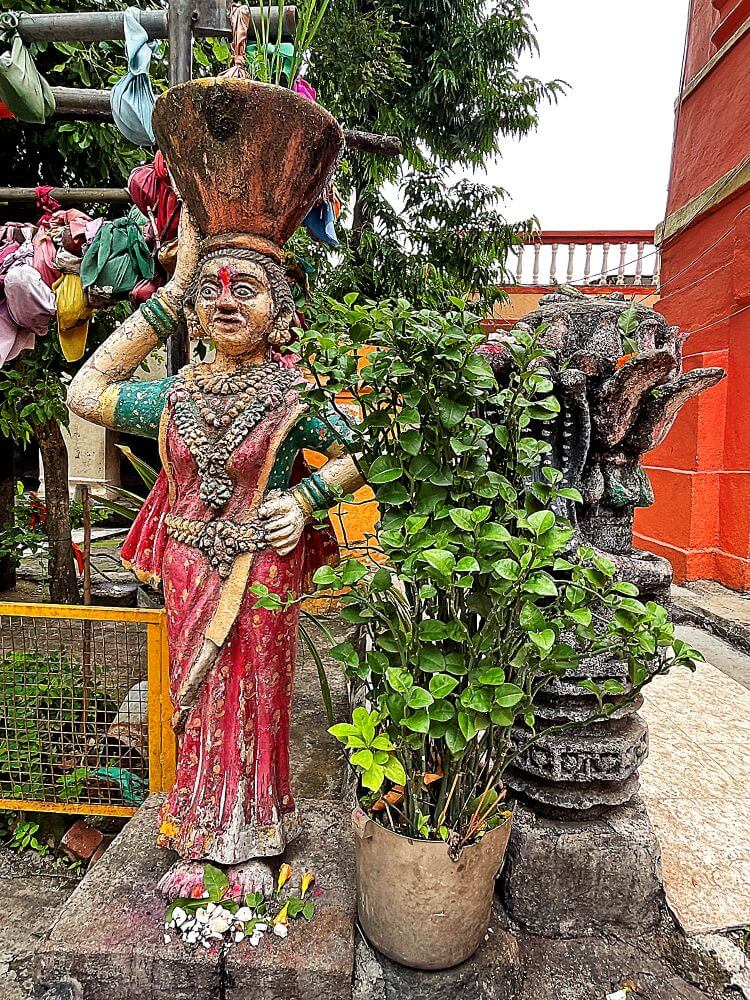
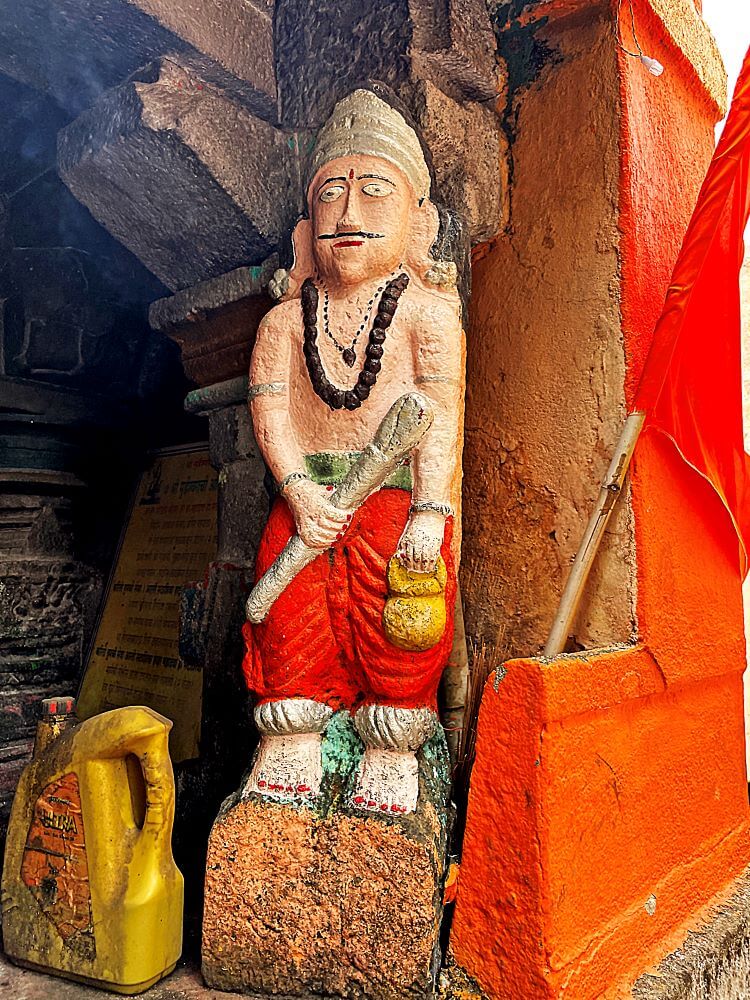
The village of Bharadi is located on the Sillod-Chalisgaon road. From there, one takes a ghat road on the Anthana-Dhavada route. Kelgaon is a short distance from here. The Murdeshwar Mahadev Temple is located १.५ km from this village. The temple premises are rich in the hills, valleys, and abundant greenery of the Ajanta mountain ranges. Near the main entrance by the temple fortification, there are shops selling worship materials. Looking at the fortifications, one gets the impression of being inside a fortress. One enters the temple courtyard through the entrance after climbing ten steps from the ground. Due to the daily influx of devotees, steel railings have been installed at the entrance and in the courtyard to manage the crowds. The courtyard features trees of various sizes, and near a Chafa tree, there is a small temple dedicated to Lord Dattatreya. Near the main entrance of the temple, there is a sculpture of a woman carrying a Tulsi plant on her head. Beside this sculpture is a Naga (serpent) carving. The upper part of the entrance features the Shiva Panchayatan. Additionally, the pillars of this entrance are adorned with various sculptures.
The temple consists of a Sabha Mandap (assembly hall) and a Garbhagriha (sanctum sanctorum). The stone pillars in the Sabha Mandap feature carvings of kalash (urns), buds and flowers, the sun and moon, Garuda, Kubera, Yakshas, and Kinnaras. Some pillars also bear ancient inscriptions. In the Sabha Mandap, there is a stone statue of Nandi, with a statue of a tortoise in front of it. On the ledge of the wall behind Nandi, there are statues of various deities. On the lintel above the entrance to the Garbhagriha, there is an image of Lord Ganesha, and below it is a Kirtimukha. The Garbhagriha houses the ancient Shivalinga of Murdeshwar. The small shrines on the temple spire contain statues of many deities. Built entirely of stone, this temple stands as a testament to ancient architecture with its robust construction.
The temple sees a large number of devotees during the month of Shravan. Every Monday in Shravan, the area takes on the atmosphere of a fair. Thousands of devotees arrive for darshan on these days. Consequently, police security is deployed to manage the crowds. Many devotees also visit on Guru Purnima.
Since the temple is situated on the edge of a deep valley, it is not possible to perform a full circumambulation (pradakshina). Built on a rocky cliff, the temple is surrounded by stone fortifications on all sides. From the temple courtyard, one can enjoy a panoramic view of many villages in Khandesh. It is said that many sages and saints have performed penance in this area. The temple premises include shrines dedicated to Shri Rama-Sita, Hanuman, Babaleshwar, Ganpati, Shanidev, Rohidas Maharaj, and Shivram Maharaj. Among these, the Babaleshwar temple is at the source of the Babala River. There are many ancient banyan trees here, as well as wild banana, bamboo, jasmine, teak, jamun, palash, and many medicinal plants. The Hirana River, a tributary of the Purna River, originates in the deep valley behind the temple.
This sacred temple stands as a testament to deep spiritual devotion, ancient architectural grandeur, and rich local cultural traditions.
The sanctum sanctorum houses the divine idol consecrated according to ancient Vedic traditions, surrounded by serene courtyards and traditional temple architecture.
Navratri, Maha Shivratri, Annual Temple Jatra & Deepotsav
Compare and book flights, secure top-rated local hotels near the temple, hire reliable guides, and rent cars instantly.
Extend your pilgrimage by visiting other highly sacred temples located nearby.


Add ₹999 more to unlock FREE SHIPPING!
Your sacred cart is currently empty.
Shop Photo FramesFill in your delivery details below to place your order.
Add comment