
Add ₹999 more to unlock FREE SHIPPING!
Your sacred cart is currently empty.
Shop Photo Frames
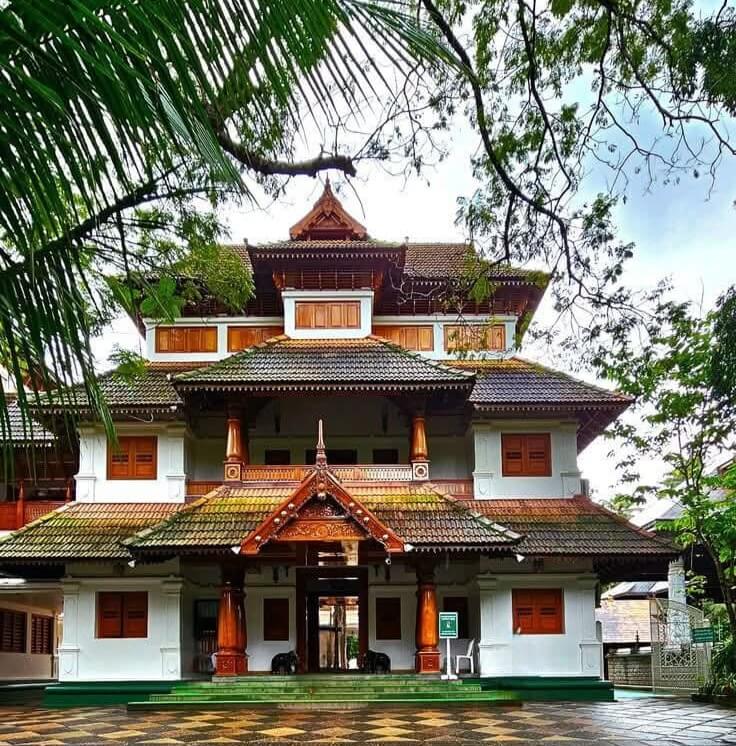
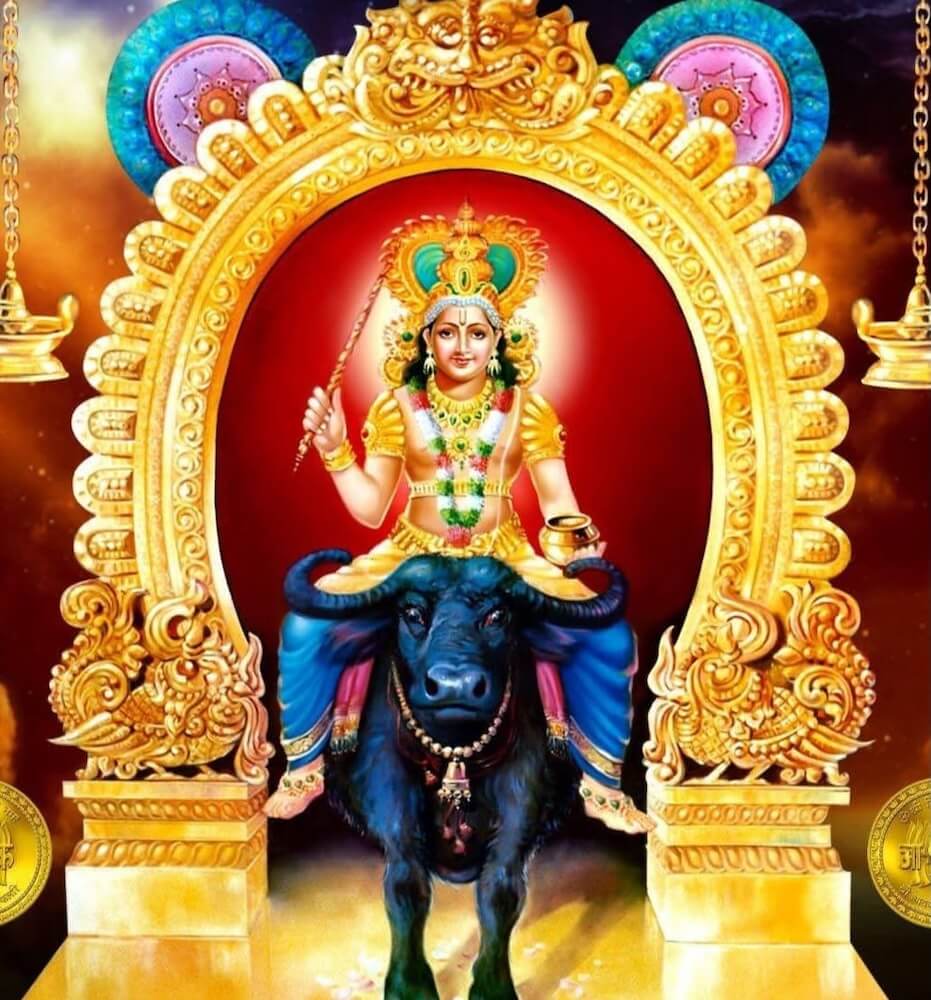
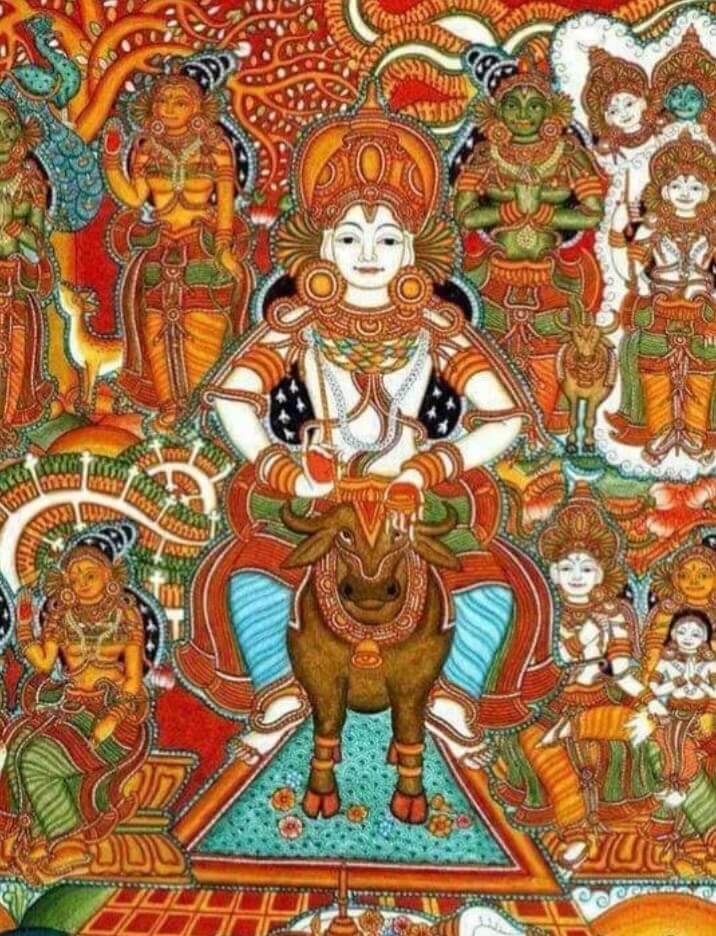
The Avanangattil Kalari Sree Vishnumaya Temple at Peringottukara in Thrissur district is regarded as one of the principal centres of worship of Lord Vishnumaya (Kuttichathan) in Kerala. Lord Vishnumaya, lovingly worshipped as the deity who “answers the call of His devotees”, is enshrined here in His fierce form, facing east, holding a kuruvadi (sacred staff) in one hand and an amrita kumbha (pot of nectar) in the other, seated on a buffalo. Located in the central part of Kerala, the temple is also popularly known among Tamil-speaking devotees as the “Vishnumaya Chathan Temple”. The name “Chathan” is derived from the word “Shastha”. This ancient temple continues to preserve traditional tantric rituals and forms of worship that are now rarely seen in most modern Kerala temples.
With a history spanning more than 500 years, the Avanangattil Kalari Sree Vishnumaya Temple began as a small place of worship. The temple was founded when the renowned Kalaripayattu master Kelunni Panikkar and his twin brother Unnithaman consecrated Lord Vishnumaya near his kalari (traditional martial arts training school) centuries ago. At that time, the area was covered with castor plants and was known as “Avanankadu”. As the kalari and the place name “Avanankadu” became closely associated, the area later came to be known as “Avanangattil Kalari”.
In its early days, Lord Vishnumaya was worshipped as the guardian deity of those who practised martial arts. Over time, the temple developed into an important centre of worship following the introduction of tantric rituals and traditions. During the reign of Shakthan Thampuran, the temple was rebuilt with his financial support. The early Shakteya rituals of the temple were performed by members of the Kelunni Panikkar family. Today, the temple is managed by the Avanangattil Kalari Temple Trust and is a well-known pilgrimage centre visited by hundreds of thousands of devotees each year.
According to the temple legend, the Avanangattil Kalari Sree Vishnumaya Temple is closely connected with Kelunni Panikkar, a renowned magician and Kalaripayattu master who lived centuries ago. Through intense penance, he was blessed with the divine appearance of Lord Vishnumaya. Pleased with His devotee, the Lord accompanied Kelunni Panikkar, who later consecrated His fierce form near his kalari. This sacred shrine gradually developed into the present-day Avanangattil Kalari Sree Vishnumaya Temple.
Near the temple is Valyachan Kottil, a sacred place beneath a mango tree, marked by natural rocks and stones and regarded as the main seat of the Lord’s divine presence. According to the legend, Lord Vishnumaya had 399 brothers who were masters of mystical powers. During a fierce battle against the Asura Brigan, ten of them sacrificed their lives while helping Lord Vishnumaya. The remaining 389 brothers are worshipped in the temple as other deities.
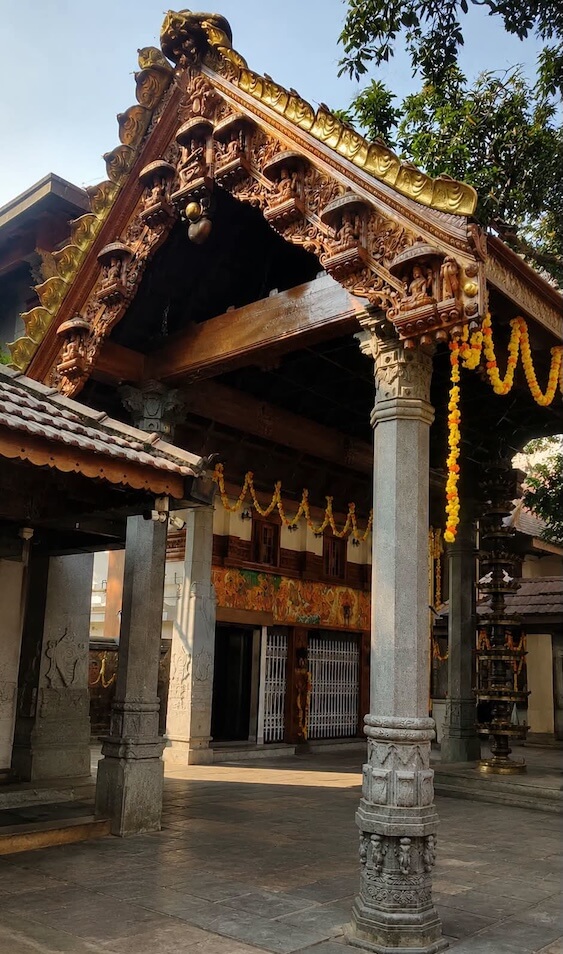
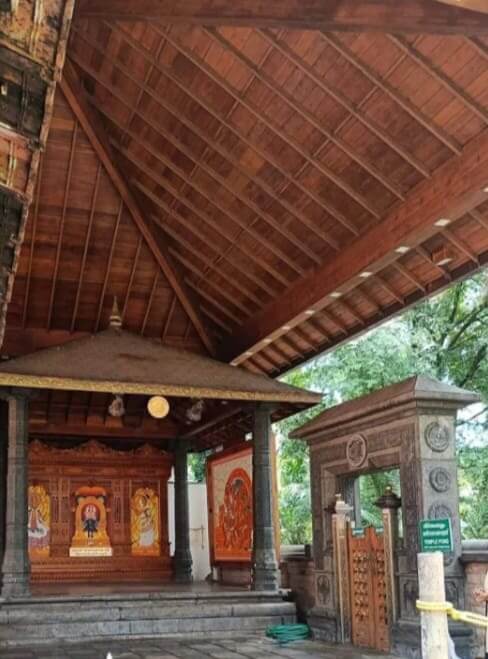
The Avanangattil Kalari Sree Vishnumaya Temple complex stands at the centre of a spacious ten-acre compound. Vast paddy fields and lush green trees surround the temple. Traditional padippuras (entrance gateways) on the eastern and western sides lead into the temple. On the western side, visitors can see the temple pond filled with white lotus flowers, as well as the sacred castor tree from which the temple derives its name. The outer walls of the temple are adorned with mural paintings depicting scenes from Hindu mythology and finely carved wooden panels, which are among the temple’s notable architectural features.
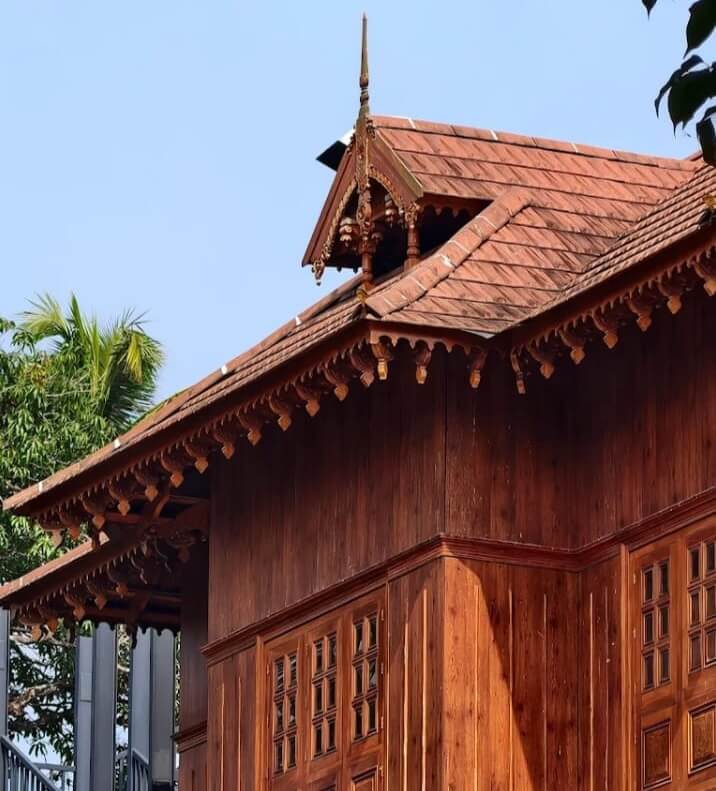
On entering the temple, visitors can see the spacious Chuttambalam and the large rectangular Nalambalam. At the centre stands the main Sreekovil, known as the Mani Mandapam, facing east. Inside the sanctum is the fierce form of Lord Vishnumaya, carved from traditional black stone, seated on a buffalo and holding a kuruvadi (sacred staff) in one hand and an amrita kumbha (pot of nectar) in the other. The Sreekovil has a traditional Kerala-style roof covered with copper plates. The walls and pillars around the sanctum feature intricate wooden carvings and paintings depicting scenes from Hindu mythology. Hundreds of oil lamps can also be seen around the Sreekovil. Nearby are the shrine of Goddess Bhagavathy, two sacred Naga Kavu (sacred Naga groves) and the shrines of Lord Vishnumaya’s 389 brothers. Visitors can also see Valyachan Kottil, regarded as the main seat of the Lord’s divine presence. On the northern side is a spacious Annadanam hall, where free meals are served to hundreds of devotees every day.
The temple’s principal annual festival is the Thira Vellattu Mahotsavam, celebrated during the Malayalam month of Kumbham (February–March). The festival lasts for three to four days, with cultural programmes beginning about a week in advance. The sacred Vellattu ritual performed by the temple priests and the grand procession carrying the sacred images of Lord Vishnumaya and the other deities are the main highlights of the festival. Kumbha Bharani, observed on the Bharani star in the month of Kumbham, is another important festival of the temple. Before the Malayalam months of Karkidakam and Vrischikam, the four-day Kalampattu ritual is performed, during which an image of the Lord is drawn on the ritual floor and worshipped with devotional songs. Special poojas and prayers are also conducted on every Amavasya (New Moon) and Pournami (Full Moon) day.
Among the temple’s major offerings, Thira and Vellattu are the most important. Devotees offer these sacred ritual performances to remove obstacles in life and seek protection from enemies and negative influences. Chuttu Vilakku, in which oil is offered to light the lamps around the Sreekovil, is performed for family prosperity and peace. Niramala, the offering of decorating the temple with flower garlands, is made for a happy married life and for success in one’s career or business. Among the special poojas, Guruthi Pushpanjali is performed to seek protection from the evil eye and hostile influences, while Rakta Pushpanjali is offered for good health and favourable outcomes in legal matters and disputes. Attahasam, a special ritual performed with sacred chants, is also one of the temple’s important offerings. Other major offerings include Pothootu, in which food is offered to the buffalo, the sacred vehicle of Lord Vishnumaya and simple prayers offered with betel leaves, areca nut and coins.
The temple opens daily at 06:30 AM. Usha Pooja and the daily worship are conducted at 07:30 AM. After the Ucha Pooja at 12:30 PM and the Niyogam ritual, during which devotees present their prayers and concerns, the temple closes for the afternoon. However, on Sundays and special festival days, due to the large number of devotees, the temple usually remains open until about 01:00 PM or later, depending on the completion of the Niyogam. The temple reopens at 04:00 PM, followed by Deeparadhana at 07:00 PM and Athazha Pooja at 07:30 PM, after which the temple closes. On every Amavasya (New Moon) and Pournami (Full Moon) day, a special Shakteya Pushpanjali is performed at 08:00 PM and on these days the temple usually closes at around 09:00 PM after the ritual.
This sacred temple stands as a testament to deep spiritual devotion, ancient architectural grandeur, and rich local cultural traditions.
The sanctum sanctorum houses the divine idol consecrated according to ancient Vedic traditions, surrounded by serene courtyards and traditional temple architecture.
Navratri, Maha Shivratri, Annual Temple Jatra & Deepotsav
Compare and book flights, secure top-rated local hotels near the temple, hire reliable guides, and rent cars instantly.
Extend your pilgrimage by visiting other highly sacred temples located nearby.


Add ₹999 more to unlock FREE SHIPPING!
Your sacred cart is currently empty.
Shop Photo FramesFill in your delivery details below to place your order.
Add comment