
Add ₹999 more to unlock FREE SHIPPING!
Your sacred cart is currently empty.
Shop Photo FramesAfter Lord Shriram, Lakshman, and Sita returned to Ayodhya upon completing their exile, the subjects raised certain doubts regarding Sita. Consequently, Shriram sent Sita back to the Dandakaranya forest with Lakshman. Maharishi Valmiki had been performing penance in the Dandakaranya forest for many years. Sita sought refuge in his ashram. It is said that this very place is Shri Kshetra Kashi Kedareshwar in Nagalwadi, located in the Shevgaon taluka of Ahilyanagar. It was at this sacred site that Luv and Kush were born. Sanctified by the presence of Maharishi Valmiki, one of the Saptarishis of the Ramayana era, this site is the presiding deity of Nagalwadi village and a place of deep faith for many devotees.
According to references in the Puranas, this area, which was part of the Dandakaranya forest in the Treta Yuga, was rich in natural beauty. For this reason, Maharishi Valmiki chose this region for his residence. He performed penance here for hundreds of years and attained many spiritual powers (siddhis). During this time, Shriram sent Sita back into exile from Ayodhya. Lakshman brought Sita to this area, and she began living in Maharishi Valmiki’s ashram. Considering Maharishi Valmiki as a father figure, Goddess Sita would address him as ‘Taat’ (father). Since then, this place has also been known as ‘Tatoba’s Math’. When Lakshman brought Sita to this region, she became thirsty. At that moment, Lakshman struck the rock with his arrow, creating a spring. It is now famous as ‘Sita’s Nhani’ (Sita’s bathing place). The depth of the spring is about seven feet, and it never dries up. When Sita returned to Dandakaranya from Ayodhya, she was pregnant. She gave birth to Luv and Kush in Maharishi Valmiki’s ashram. The childhood of both brothers was also spent in this area.
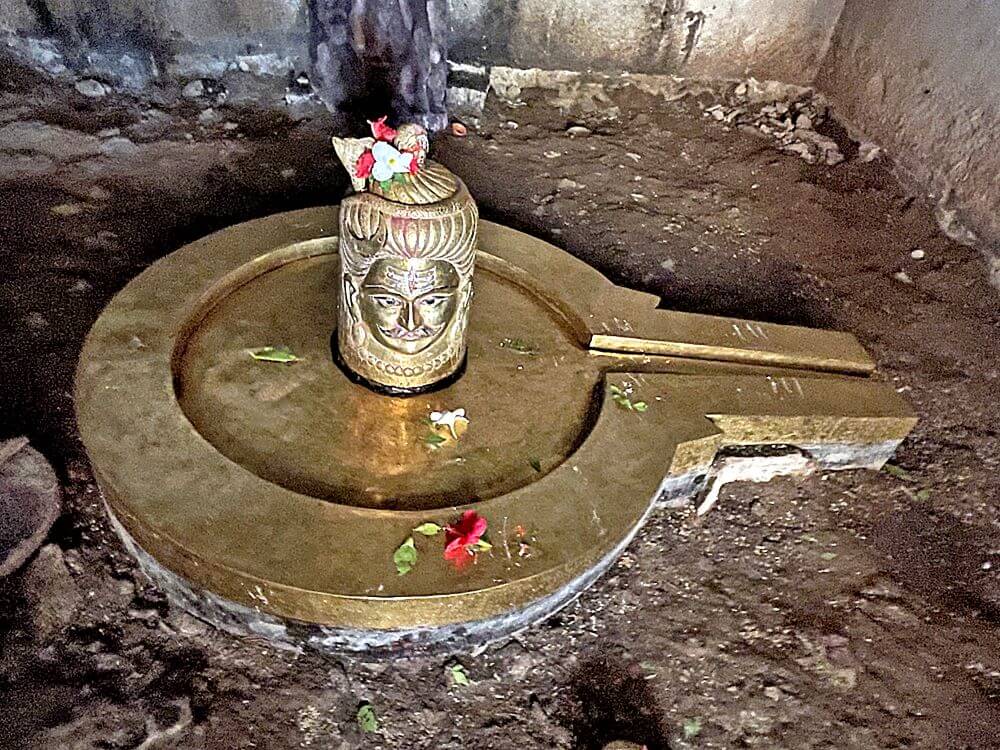
The tradition of devotion established by Maharishi Valmiki was carried forward by the great ascetic Kashinathbaba, who belonged to the lineage of sages. He performed penance here, pleased Lord Mahadeva, and requested him to reside in this area. At that time, a Swayambhu (self-manifested) Shivling appeared. Since then, this place has been known as Kedareshwar. Because Kashinathbaba served this Kedareshwar for many years, the temple came to be known as Kashi Kedareshwar.
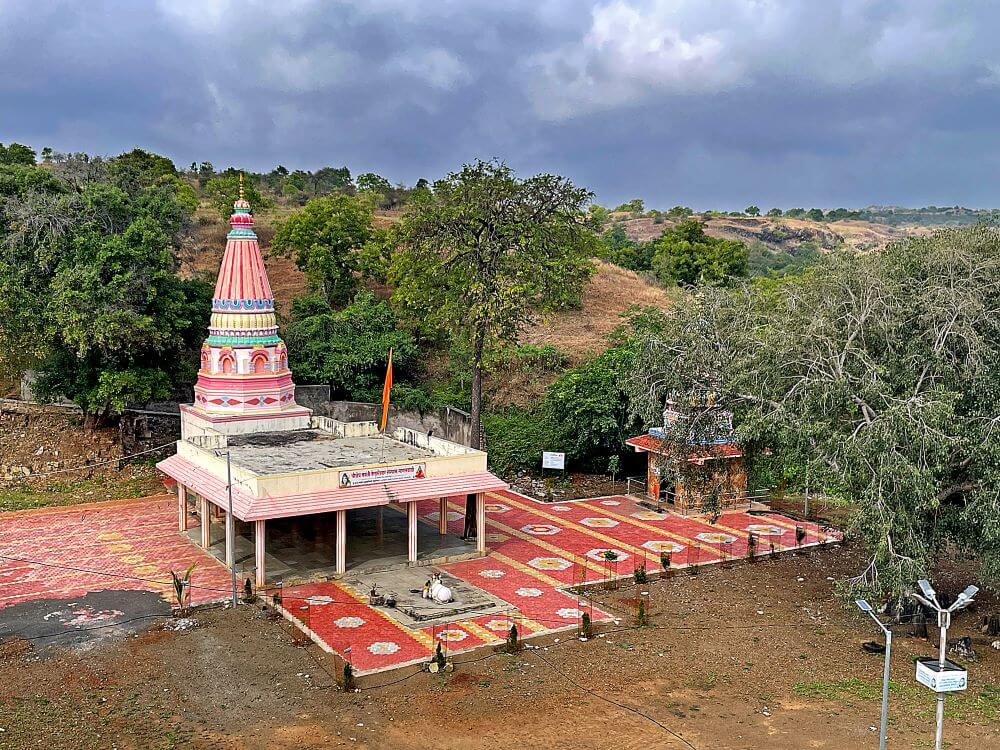
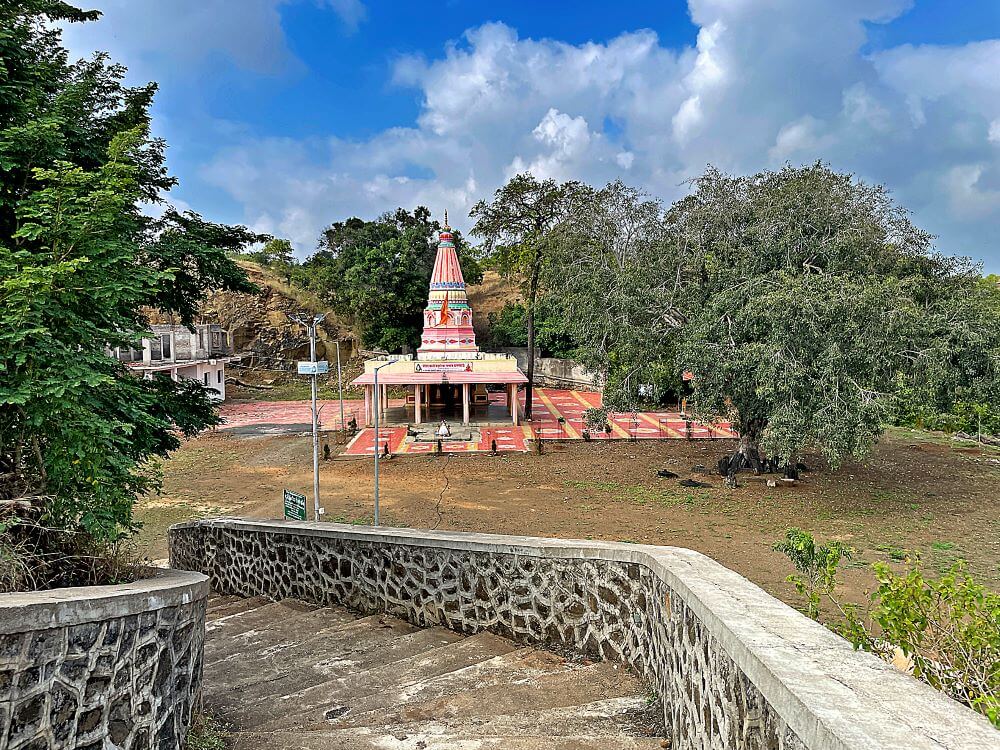
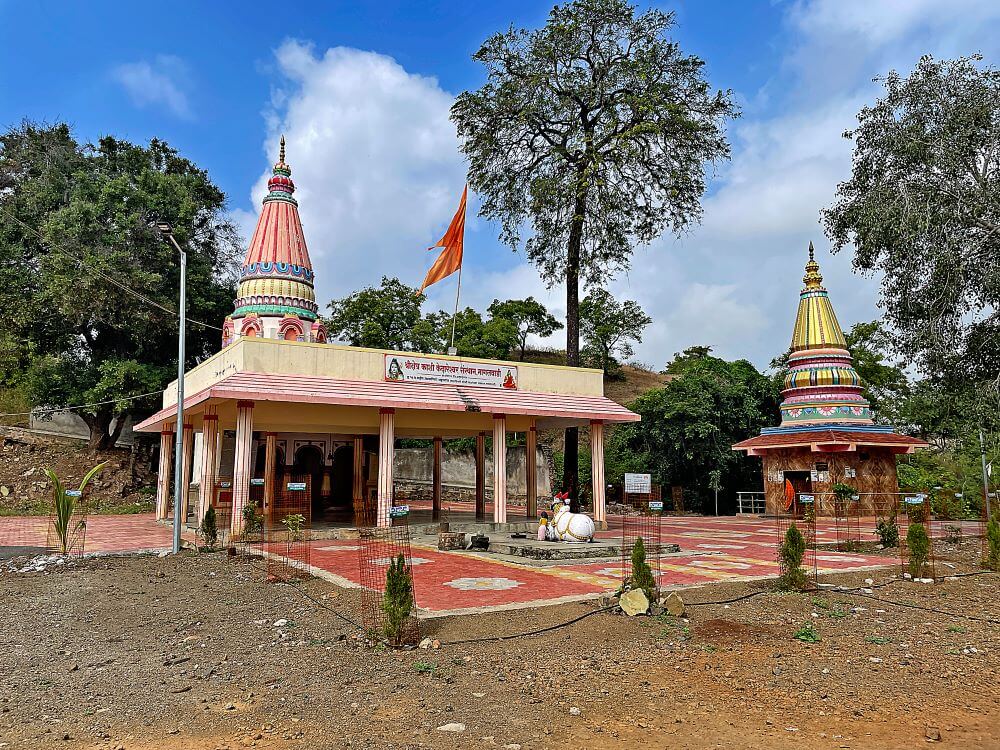
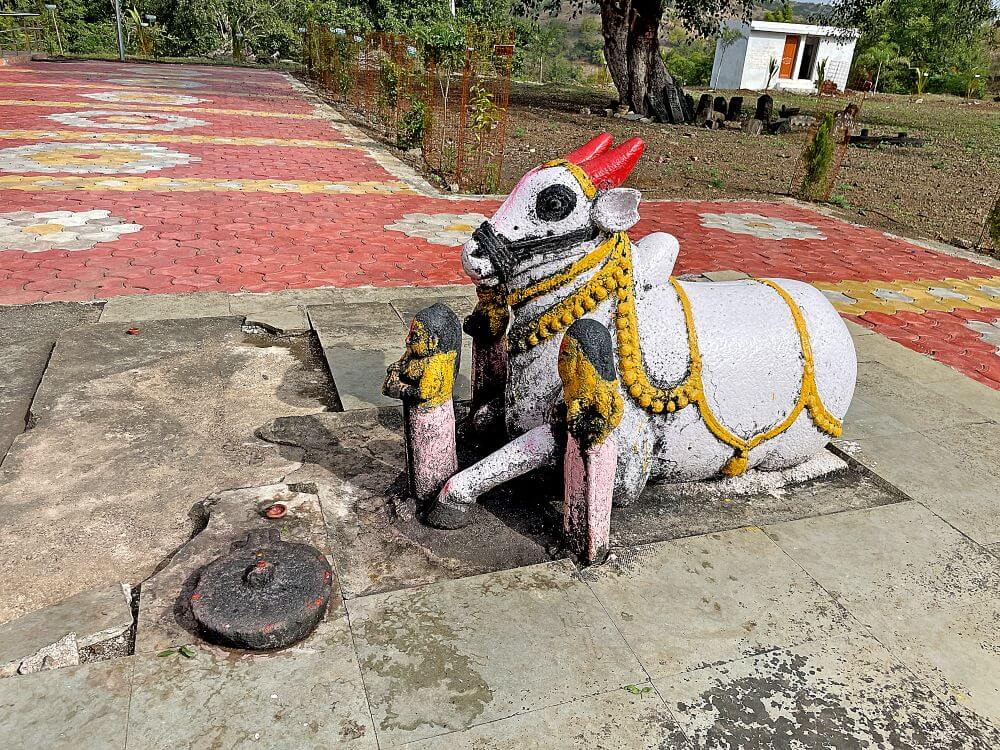
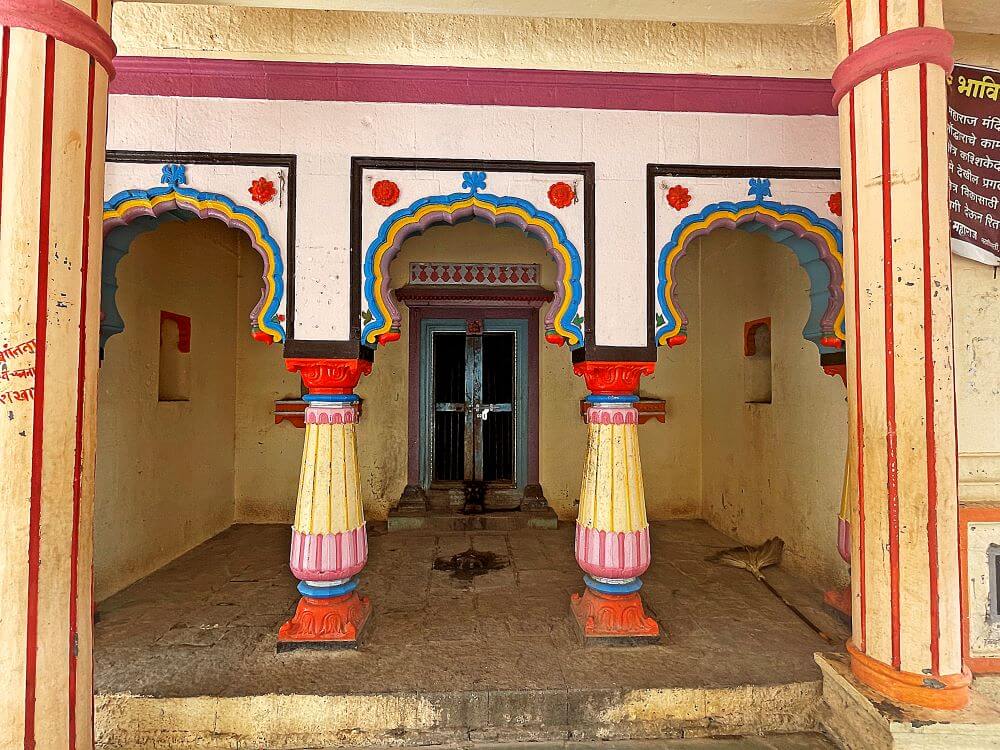
The ancient Kashi Kedareshwar temple is situated in a naturally rich area within the Mahadev mountain range near Nagalwadi village. The temple is located in a slightly low-lying area, and one must descend a few steps to reach it. The temple premises are spacious and paved. The temple structure consists of a Sabhamandap (assembly hall), Antaral (vestibule), and Garbhagriha (sanctum sanctorum). Outside the Sabhamandap, there is a magnificent Nandi statue carved from a single stone. The Sabhamandap is of an open design. In the Garbhagriha, there is a Swayambhu Shivpindi covered with a brass casing. The temple premises include Maharishi Valmiki’s ashram, a Hanuman temple, and the Sita Nhani pond. According to references in the Leela Charitra, Chakradhar Swami, the founder of the Mahanubhav sect, also stayed here for a few days.
About 150 meters from this temple is the 11th-century Math of Kashinathbaba. The day of Jyeshtha Shukla Navami is also known as Mahesh Navami. It is believed that if one worships Lord Mahadeva on this day, he resolves the difficulties of his devotees. Donating on this day is also considered highly meritorious. Kashinathbaba took Sanjeevan Samadhi in the cellar here. Adjacent to this Samadhi is a temple of his sister, Durgamata (Devi), made of black stone. It is said that the siblings Kashinathbaba and Durgamata completed the construction of this Math in a single night through the power of their penance. In this Math, there is a cellar known as ‘Sita’s Sansar’ (Sita’s household). Kashinathbaba went through this cellar to attain Samadhi. In the middle of the cellar, there is a large rock upon which the idol of Brahmanandi Devi is placed. In this cellar, there are ancient stone grinding mills, stone jars, and other household stone items.
About 600 feet south of Kashinathbaba’s Samadhi temple, there is a small hill. If one stands on this hill and calls out towards the Baba’s temple, the echo is clearly heard. Such an echo on an open plateau is considered a unique feature of this place.
Saint Eknath Maharaj has described the Kashi Kedareshwar temple and Kashinathbaba’s Samadhi site in his Abhangas. There is a mention that his guru, Janardan Swami, came to Kedareshwar and had the darshan of Lord Kedareshwar. He says –
Adhishthan Devgiri. Mag aale Brahmapuri ..1..
Dharila dakshinecha panth. Swami aale Kedaarat ..2..
Pooja Kedarachi keli. Ichha samadhichi jhali ..3..
Dakshineshi Harihar. Dhaumyarushincha dongar ..4..
Tethe ghetli samadhi. Eka Janardan vandi ..5..
A grand fair is held at this ancient Kashi Kedareshwar temple on the third Monday of the month of Shravan. It is considered one of the major fairs in the Shevgaon taluka. A festival is also celebrated here on the day of Mahashivratri, during which an Akhand Harinam Saptah (week-long chanting of God’s name) is organized. Similarly, Kashinathbaba’s Sanjeevan Samadhi festival is celebrated on Jyeshtha Shukla Navami. On this occasion, Mahaprasad is provided to all the visiting devotees.
This sacred temple stands as a testament to deep spiritual devotion, ancient architectural grandeur, and rich local cultural traditions.
The sanctum sanctorum houses the divine idol consecrated according to ancient Vedic traditions, surrounded by serene courtyards and traditional temple architecture.
Navratri, Maha Shivratri, Annual Temple Jatra & Deepotsav
Compare and book flights, secure top-rated local hotels near the temple, hire reliable guides, and rent cars instantly.
Extend your pilgrimage by visiting other highly sacred temples located nearby.


Add ₹999 more to unlock FREE SHIPPING!
Your sacred cart is currently empty.
Shop Photo FramesFill in your delivery details below to place your order.
Add comment