
Add ₹999 more to unlock FREE SHIPPING!
Your sacred cart is currently empty.
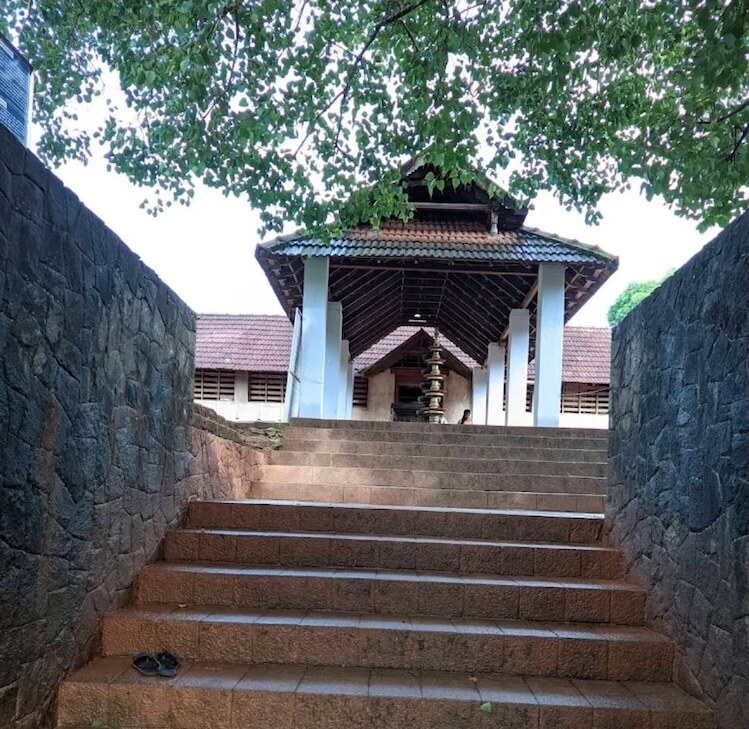
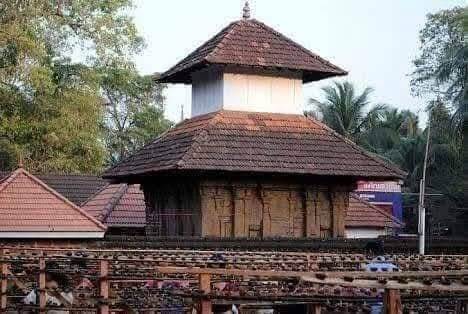
Shop Photo FramesKaithali Mahadeva Temple, one of the prominent ancient Shiva temples in Kerala, is located near Pattambi in the Palakkad district. Situated to the north of Pattambi town, between the Perinthalmanna–Shoranur roads, the temple is regarded as one of the 108 ancient Shiva temples of Kerala. Built entirely of black granite during the 8th century, in the period of the Second Chera Kingdom, the temple is noted for its tall sanctum and remarkable stone architecture. In recognition of its historical and architectural importance, the temple has been declared a protected monument by the Archaeological Survey of India (ASI).
According to historians, Kaithali Mahadeva Temple is at least 1,300 years old. Historical records suggest that the temple was built during the 8th century or the early 9th century, in the period of the Second Chera Kingdom, which had its capital at Mahodayapuram (present-day Kodungallur). The sanctum reflects the fine craftsmanship of that period and also shows the influence of the Pallava style of architecture from Tamil Nadu. Another remarkable feature is that the temple was built entirely of black granite, even though such stone is not naturally found in the Pattambi region. The source from which these massive granite blocks were brought still remains a subject of interest for researchers. While the lower part of the temple was built of black granite, the upper section is believed to have been completed later, around the 10th century, using laterite blocks and lime mortar. This suggests that the construction was not completed during its initial phase and was continued at a later period. Historical evidence also indicates that some of the temple’s sculptures and idols were damaged during invasions in different periods. The idol of Lord Vishnu in the Krishna shrine on the northern side can still be seen in a damaged condition today.
Kaithali Mahadeva Temple is associated with several legends and local beliefs. According to local tradition, the Namboothiris who ruled parts of ancient Kerala were known as the ‘Thaliyathirimar’ and the temple is believed to have been one of their main administrative centres. It is said that internal conflicts and power struggles among the Thaliyathirimar brought a curse upon the temple. As a result, the construction of the temple remained incomplete and even later rulers were unable to complete it. Another popular legend says that the portions built by workers during the day were mysteriously destroyed by unseen forces at night. It is believed that the craftsmen eventually abandoned the work after realising that the upper part of the sanctum was never meant to be completed. There is also a local belief that secret underground chambers and passages lie beneath the temple’s massive stone platform, where valuable treasures and sacred ritual objects were hidden in ancient times for protection during wars and invasions.
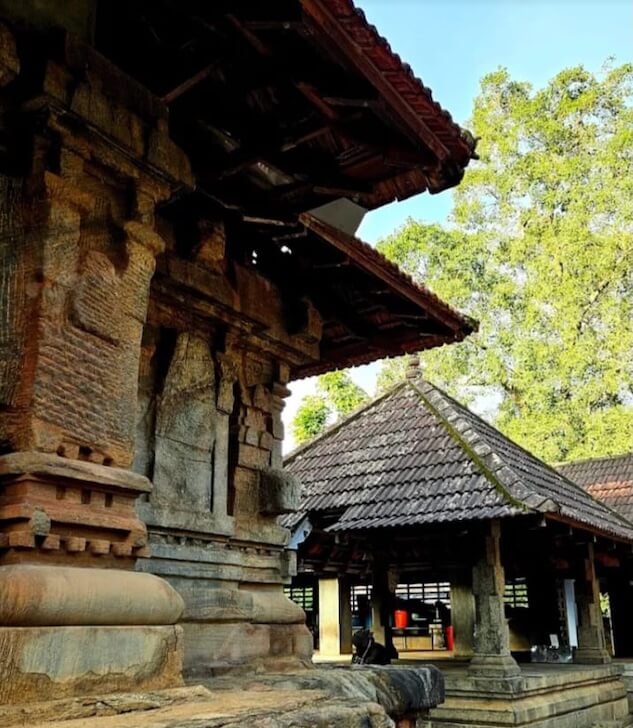
As you enter the temple, the first feature that draws attention is the sanctum, which stands on a tall, square platform made of black granite. Unlike the traditional wooden roofs seen in most Kerala temples, the sanctum has granite walls built in the Pallava–Dravidian style of architecture. The outer walls are decorated with projecting granite pilasters and finely carved stone details. In some places, the carvings remain unfinished, giving the temple a distinctive appearance. Above the granite structure is a simple upper section that was added during a later period. On one side of the sanctum, a beautifully carved granite water spout can be seen, through which the water used for rituals flows out. The temple’s stone construction and carvings continue to reflect its ancient architectural heritage.
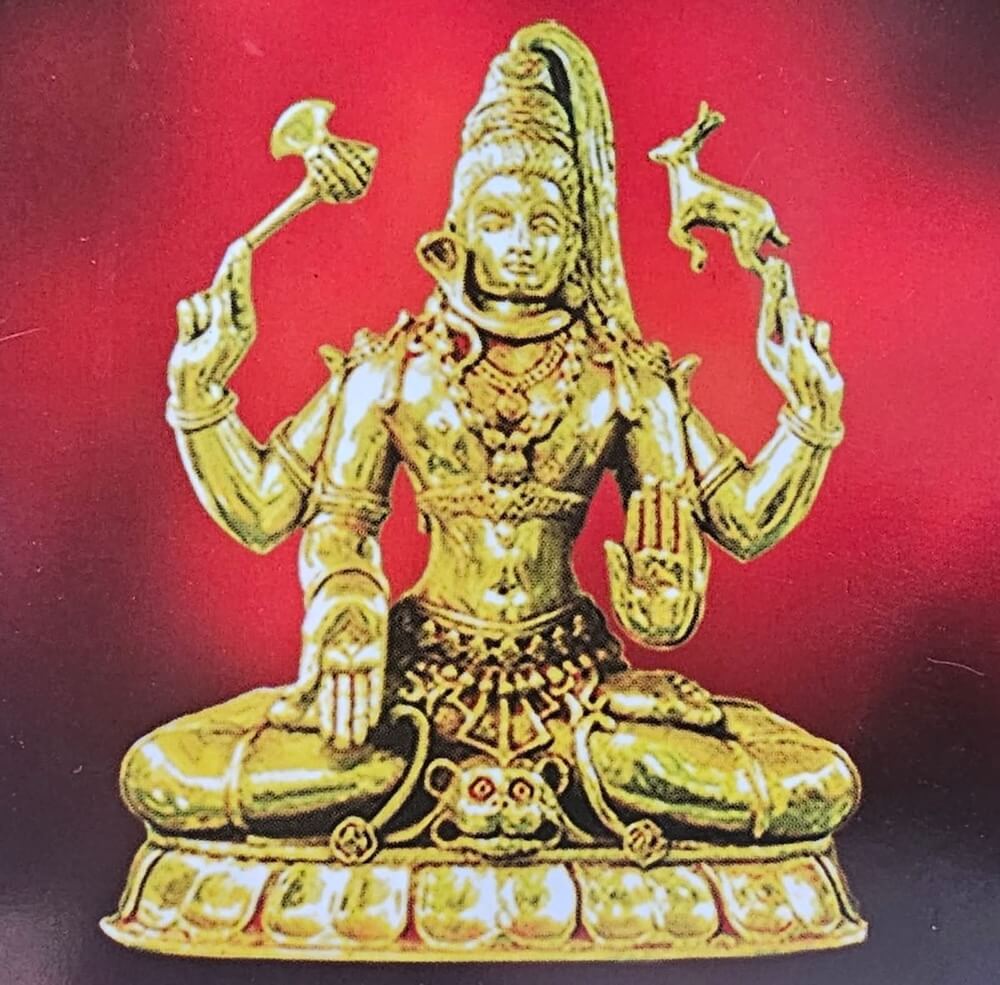
As you enter the sanctum, you can see a square inner chamber measuring about seven feet across. At the entrance, four massive granite pillars support the front of the sanctum. The upper and lower sections of these pillars are decorated with carvings that reflect the influence of the Pallava style of architecture. On either side of the doorway are niches containing sculptures of the Dwarapalas (guardian deities). The main deity is a Shiva Linga carved directly from the mother rock, making it an integral part of the temple’s original stone structure. It is worshipped in the form of Uma Maheshwara, with Lord Shiva conceived as being seated on a Ratna Peetha (jeweled pedestal) together with Goddess Parvathy. In front of the sanctum stands a small Namaskara Mandapam supported by granite pillars, while the remains of the Chuttambalam can still be seen nearby.
After offering prayers at the main sanctum of Lord Shiva, you can continue the clockwise circumambulation to visit the shrines of the other deities. The first shrine you will see is that of Lord Mahavishnu in the form of Narasimha, located on the north-west side. Continuing further, the shrine of Lord Ganapathy can be seen at the south-west corner (Kannimoola), facing east. On the western side of the temple is the shrine of Lord Subrahmanya, with the shrine of Lord Sastha nearby. On the northern side, close to the Mahavishnu shrine, is the shrine of Lord Hanuman. After completing the circumambulation and stepping outside the temple enclosure, you can also see a separate shrine for the Naga deities, where the consecrated idols of Nagaraja and Nagayakshi are worshipped.
The main annual festival of Kaithali Mahadeva Temple is Mahashivaratri, celebrated in the Malayalam month of Kumbham. The highlight of the festival is the Lakshadeepam ceremony, during which one lakh (100,000) ghee lamps are lit throughout the temple complex. Special poojas, abhishekams, deeparadhana and cultural programmes are held throughout the night. Narasimha Jayanti, observed in the Malayalam month of Medam, is marked with special abhishekams and Pushpanjali for Lord Narasimha. Other important festivals celebrated at the temple include Thiruvathira in the month of Dhanu, Navaratri in Kanni and Thrikkarthika in Vrischikam. During Navaratri, the Vidyarambham (initiation into learning) ceremony is conducted on Vijayadashami. In addition, special observances such as Pradosham every month, Ayilyam for the Naga deities and Swathi Nakshatram for Lord Narasimha are regularly observed at the temple.
The temple offers a variety of rituals and offerings for the main deity, Lord Shiva. Devotees perform Dhara (water or ghee offering) for good health and peace of mind, offer Koovalam Mala (a garland of bael leaves) for recovery from illness and the fulfilment of wishes, perform Uma Maheshwara Pooja for a happy married life and family harmony and conduct Mrityunjaya Homam for protection from illness and accidents. Pinvilakku, the offering of a lamp behind the sanctum, is performed for the well-being and prosperity of the family. At the shrine of Lord Narasimha, devotees offer Palpayasam, perform milk abhishekam and conduct Vishnu Sahasranama Archana to seek the Lord’s blessings. Offerings to Lord Ganapathy include Ganapathy Homam, Karuka Mala and Modakam for the removal of obstacles and success in new ventures. At the shrine of Lord Sastha, ghee abhishekam and Neeranjanam are performed to seek blessings and relief from the effects of Saturn (Shani). Devotees also offer Vettila Mala and Aval Nivedyam to Lord Hanuman for courage and success. At the shrine of the Naga deities outside the temple enclosure, Noorum Palum and Ayilya Pooja are performed for relief from Sarpa Dosha and for the well-being of the family.
The temple is open for darshan every day from 5:00 AM to 10:30 AM and from 5:00 PM to 7:30 PM. The temple opens at 5:00 AM with Nirmalya Darshan. This is followed by Usha Pooja between 6:00 AM and 7:00 AM, during which Ganapathy Homam is also performed. Dhara and Ucha Pooja are conducted between 9:30 AM and 10:30 AM, after which the temple closes for the morning. The temple reopens at 5:00 PM and Deeparadhana is performed at sunset. Athazha Pooja, the final ritual of the day, takes place between 7:00 PM and 7:30 PM, after which the temple closes. Darshan and pooja timings may vary on festival days and special occasions, including Mahashivaratri.
This sacred temple stands as a testament to deep spiritual devotion, ancient architectural grandeur, and rich local cultural traditions.
The sanctum sanctorum houses the divine idol consecrated according to ancient Vedic traditions, surrounded by serene courtyards and traditional temple architecture.
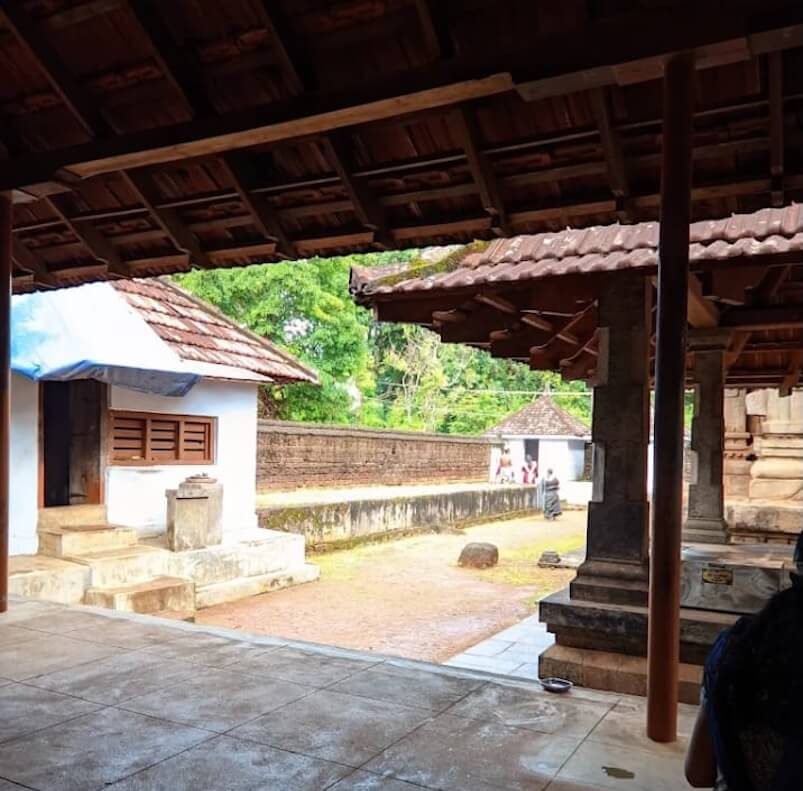
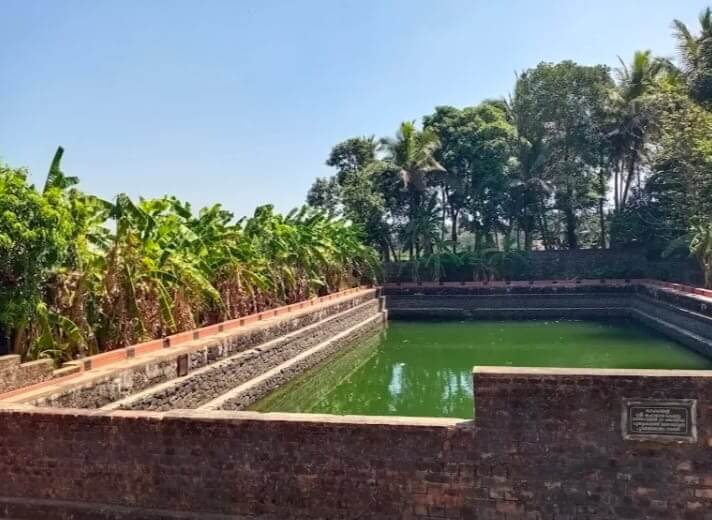
Navratri, Maha Shivratri, Annual Temple Jatra & Deepotsav
Compare and book flights, secure top-rated local hotels near the temple, hire reliable guides, and rent cars instantly.
Extend your pilgrimage by visiting other highly sacred temples located nearby.


Add ₹999 more to unlock FREE SHIPPING!
Your sacred cart is currently empty.
Shop Photo FramesFill in your delivery details below to place your order.
Add comment