
Add ₹999 more to unlock FREE SHIPPING!
Your sacred cart is currently empty.
Shop Photo FramesThe famous Khandoba temple, known as the ‘Prati Jejuri’ (the second Jejuri) of Thane district, is located at Shelwali in Shahapur taluka. This nature-rich village, which is an ancient seat of Lord Khandoba, is famously known as ‘Khandobachi Shelwali’. Along with Lord Khandoba, there is also a Swayambhu (self-manifested) Shiva Linga in this temple. Devotees believe that the Khandoba here is a ‘Jagrut’ (awakened/living) deity who punished seven robbers who had come to loot the village. There is a tradition here where devotees who make a vow (navas) have ‘Kodyabedya’ (wooden shackles for hands and iron shackles for feet) placed on them. If these break automatically, it is considered that the vow has been fulfilled.
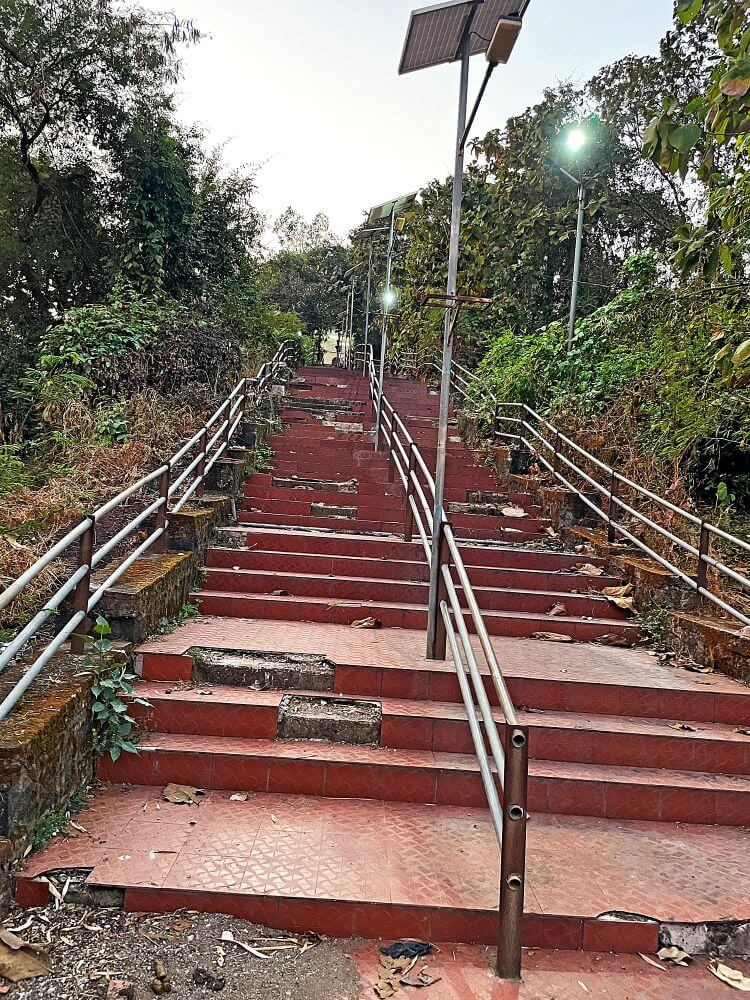
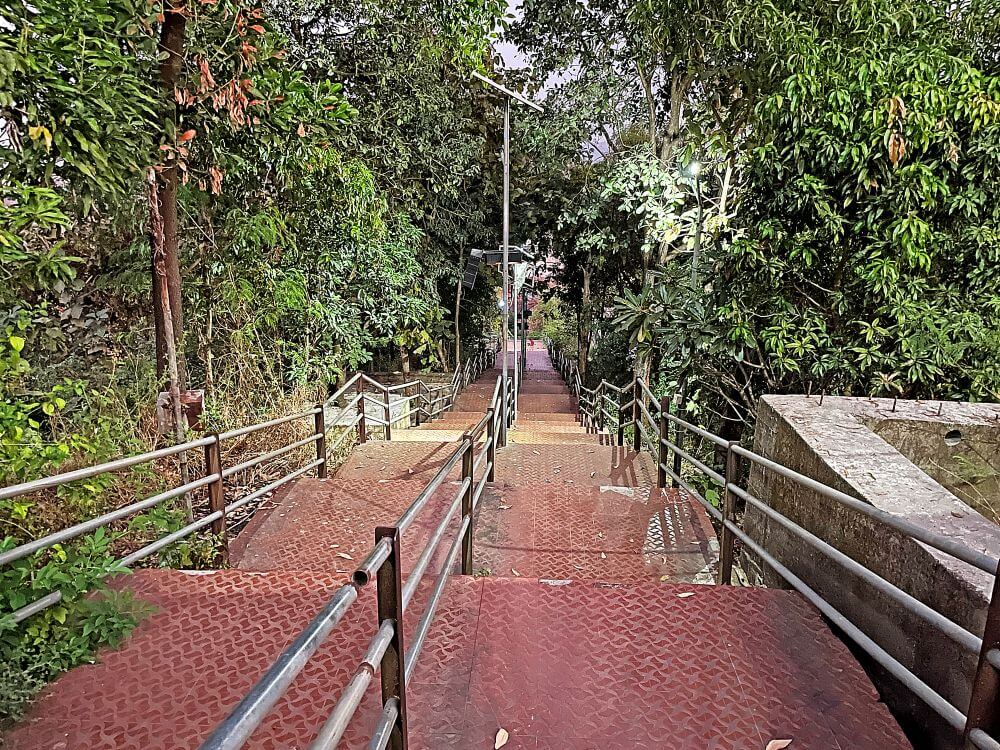
Shahapur is known as the taluka that quenches the thirst of Mumbai. The major dams of Tansa, Bhatsa, and Vaitarna are located in this taluka. In the past, Shahapur taluka was known as ‘Kolwan’. Some believe that the original name of Shahapur was ‘Sinhapur’, which later corrupted into ‘Shahapur’. Blessed with a picturesque environment, this taluka holds a special place due to its historical, cultural, and environmental significance. To reach this temple, situated on a hill in Shelwali, steps have been constructed similar to those at Jejuri. After climbing some steps, one can see a spot with seven steps.
There is a legend about this spot that in the past, many robberies took place in this village. Before committing a robbery, the robbers would seek the ‘Kaul’ (divine consent) of Khandoba. They would only loot the village if the deity gave his consent. One day, seven robbers asked for the deity’s consent, but when the deity did not grant it, they, in a fit of rage, broke the hands and feet of the idols of Goddess Yogini and Goddess Annapurna in the temple with their weapons. While they were returning, Khandoba caught them under a Moha tree near the temple, killed them, and stepped on each of their bodies before going back up to the temple. These seven steps were built as a symbol of this event.
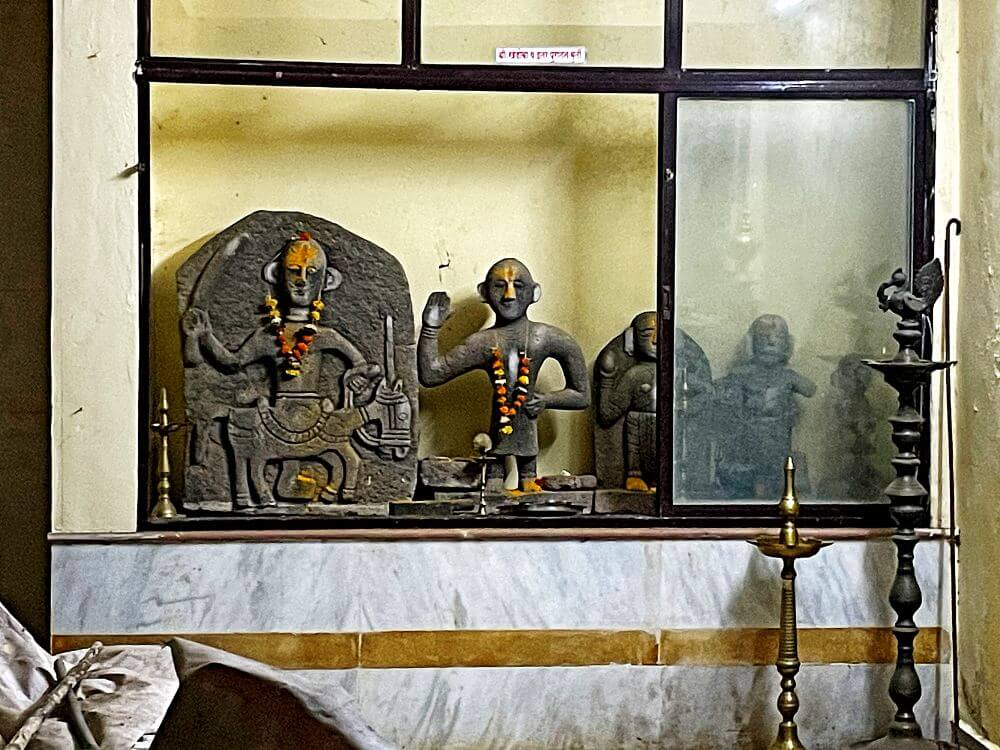
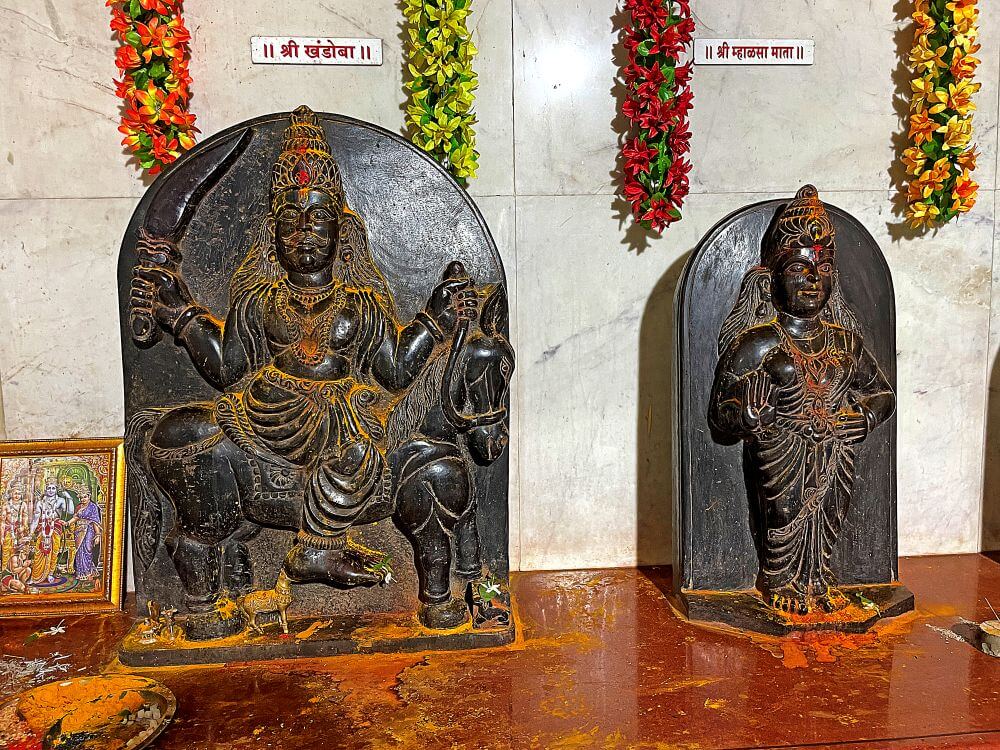
As the steps end, the Shikhara (spire) of the two-story temple building comes into view. The temple is located on the first floor. The structure consists of a semi-open Sabhamandapa (assembly hall) and a Garbhagriha (sanctum sanctorum). The Swayambhu Shiva Linga has been here since 1864 AD. Five acres of land in the village are in the name of Khandoba. The villagers use the income generated from this land to supplement the expenses for the festivals held here. Previously, this temple had a tiled roof. The temple has undergone many renovations over time. After the recent renovation, on the auspicious occasion of Akshaya Tritiya on 13 May 2013, the new idols were consecrated and the Kalasharohan ceremony was performed by the Shankaracharya of Karveer Peeth, Shri Swami Vidyanrusimha Bharati. The old idols have been placed on the ground floor of the temple.
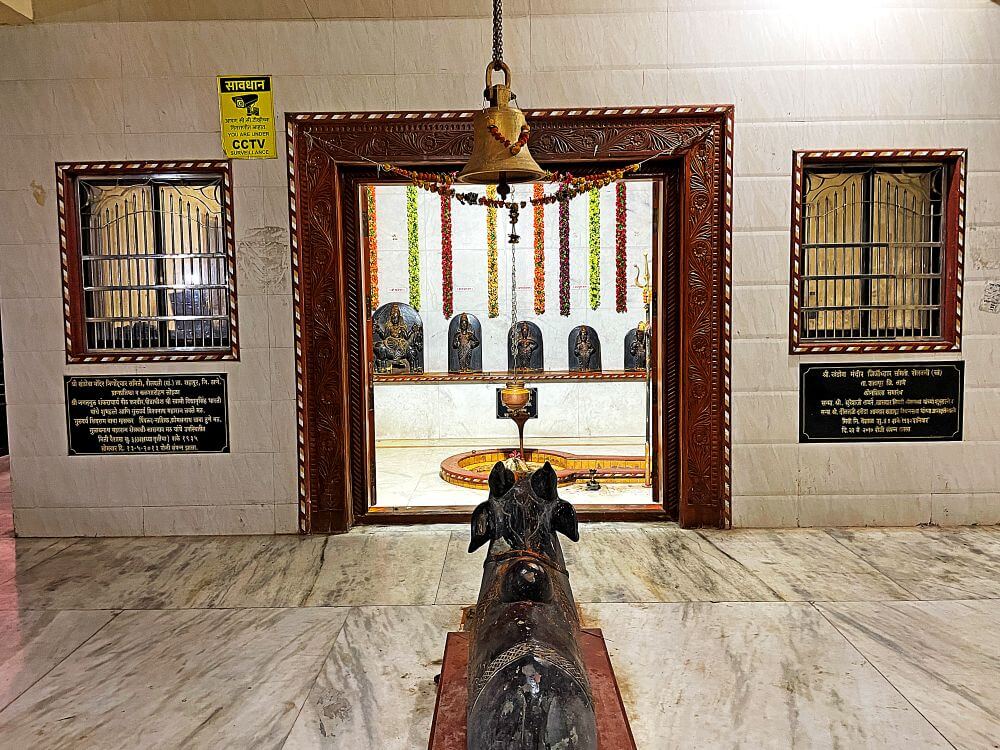
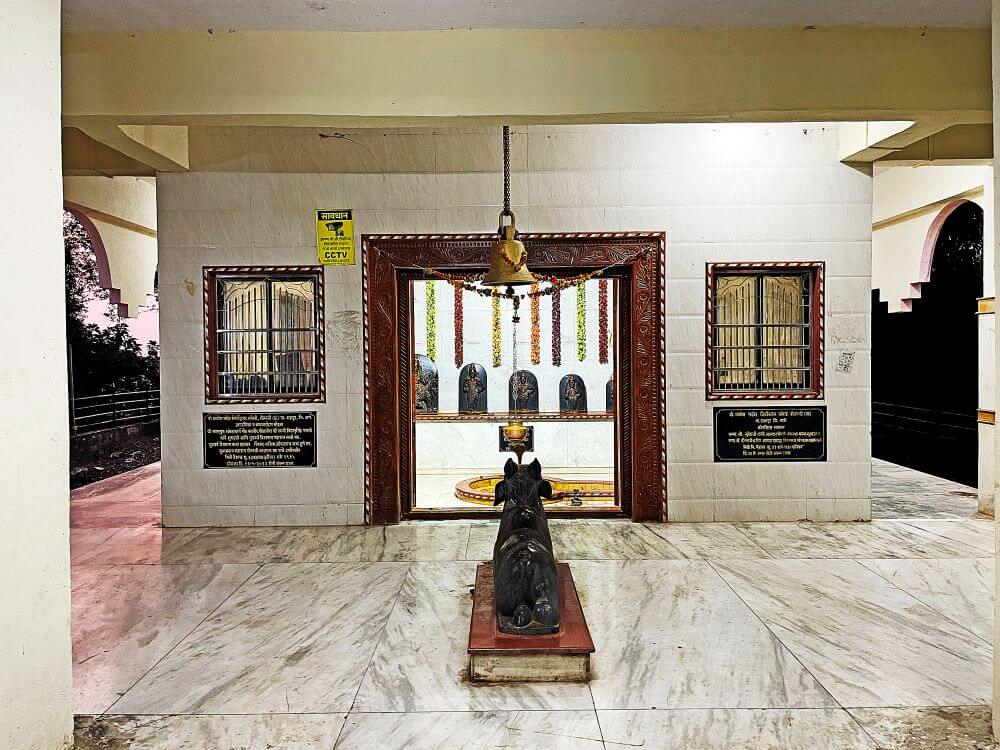
The walls of the Sabhamandapa have iron grills, offering a panoramic view of the lush green surroundings. In the Sabhamandapa, there is an idol of Nandi and a tortoise in front of it. The entrance to the Garbhagriha features attractive craftsmanship. In the center of the Garbhagriha is the Swayambhu Shiva Linga, and on the pedestal behind it are the idols of Khandoba, Mhalasa, Banai, Annapurna, and Goddess Yogini (from left to right). There is a large hall in front of the temple for programs. Many devotees express their wishes by sticking coins on the temple walls.
A large fair (yatra) is held here on Magh Purnima. Thousands of devotees from the taluka come to seek the blessings of Khandoba, chanting ‘Yelkot Yelkot Jai Malhar’. Various religious programs are held in the temple on this day. Devotees who make a vow have ‘Kodyabedya’ (a wooden staff for the hands and iron rings for the feet) placed on them. The shackles are first worshipped with due rituals near the village primary school. Then, they are placed on the hands and feet of the devotee who has made the vow. It is said that if the devotee has made the vow with a pure heart, the shackles on their feet break automatically after walking about 50 steps. If the shackles do not break, it is believed that the devotee has committed some mistake, and as a punishment, they must walk all the way to the temple in that same state.
The Champashasthi festival is also celebrated here with great enthusiasm. The sixth day of the bright fortnight of the Margashirsha month is known as Champashasthi. A three-day festival is held in the temple premises on this occasion. On the day of Champashasthi, the first Aarti is performed in the temple. Then, the Palkhi (palanquin) of Khandoba is taken around the village amidst the sound of cymbals and Mridangam. Villagers and devotees from the surrounding areas participate in this Palkhi procession. When the Palkhi returns to the temple, another Aarti is performed. At night, the ‘Gondhal’ and ‘Jagar’ of Khanderaya are performed.
This sacred temple stands as a testament to deep spiritual devotion, ancient architectural grandeur, and rich local cultural traditions.
The sanctum sanctorum houses the divine idol consecrated according to ancient Vedic traditions, surrounded by serene courtyards and traditional temple architecture.
Navratri, Maha Shivratri, Annual Temple Jatra & Deepotsav
Compare and book flights, secure top-rated local hotels near the temple, hire reliable guides, and rent cars instantly.
Extend your pilgrimage by visiting other highly sacred temples located nearby.


Add ₹999 more to unlock FREE SHIPPING!
Your sacred cart is currently empty.
Shop Photo FramesFill in your delivery details below to place your order.
Add comment