
Add ₹999 more to unlock FREE SHIPPING!
Your sacred cart is currently empty.
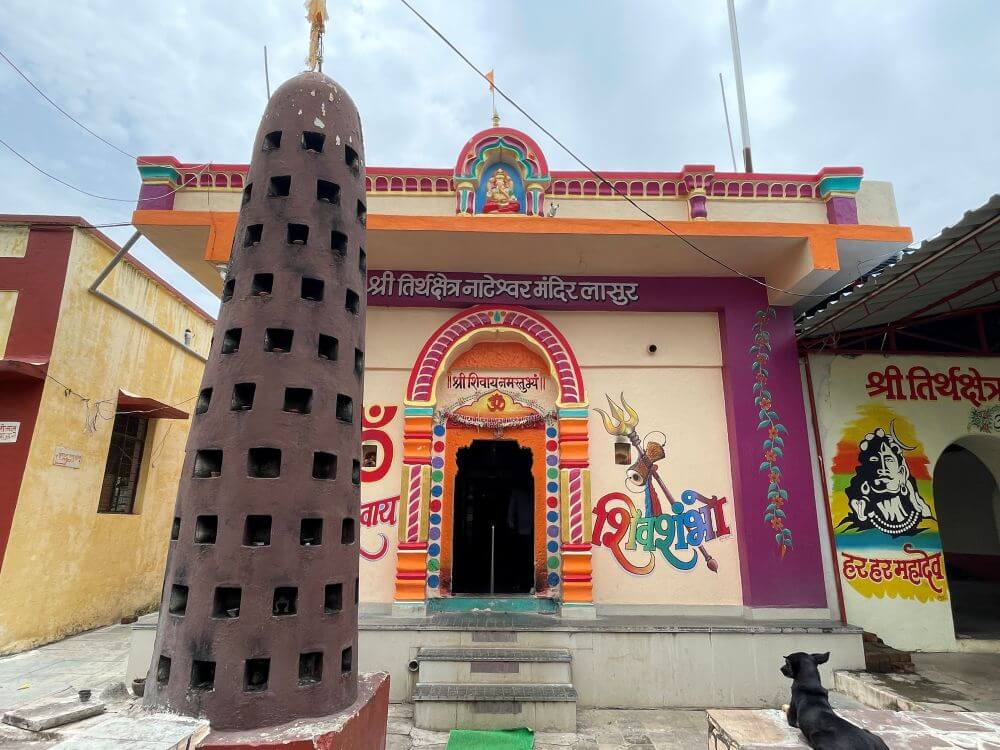
Shop Photo FramesNestled within the Satpura mountain ranges, a short distance from the historic village of Lasur, stands the Nateshwar Mahadev Temple, one of the many ancient temples of Maharashtra. Near this temple is the shrine of Sage Agastya. According to the local legend of the site, the Linga of Nateshwar here was consecrated by Sage Agastya himself. The temple structure is believed to have been built in the twelfth century. Devotees hold a firm belief that vows made to Lord Nateshwar here are fulfilled.
According to mythological lore, Agastya or Agastya Muni is a lineage-founding sage and a seer of hymns. He was the brother of Sage Vashistha. He is said to have consumed the ocean to destroy the Kalakeya demons who were hiding within it. Similarly, he humbled the Vindhya Mountains, which were growing taller out of pride, and facilitated travel between the North and the South. Lopamudra is the name of his wife. The one hundred seventy-ninth hymn of the first chapter of the Rigveda is a dialogue between Agastya and Lopamudra. The deity of this hymn is Rati. This dialogue expresses Lopamudra’s desire for a powerful son from Agastya. The couple had a son named Dridhasyu. Agastya composed texts such as the Agastya Gita, Agastya Samhita, and Shiva Samhita. Local legend holds that Lasur was the site of Agastya’s penance.
Agastya was a devotee of Lord Shiva. He established a Shiva Linga here and named it Nateshwar. While the final resting place of Agastya is claimed to be in many locations across the country, local belief holds that he attained Samadhi within the current temple premises at Lasur. A small Samadhi shrine dedicated to him exists here. The exact date of the establishment of the Nateshwar temple is unknown. However, history suggests that after the decline of the Rashtrakuta Empire, small dynasties emerged in Jalgaon. These dynasties were feudatories of the Yadavas of Devagiri. It is said that Gopalchand, the son of one such king, Jivpal, built this Nateshwar temple around the year 1146. It is believed that King Jivpal belonged to the Maratha or Vani community. In recent times, a large cement-concrete gate has been built in the temple premises, through which one enters the courtyard. On the right side of the courtyard, a large tin shed has been constructed where various religious and social programs are held. From here, one crosses a small bridge over a stream to reach the temple entrance. The temple is built on an elevated platform and is surrounded by a protective wall.
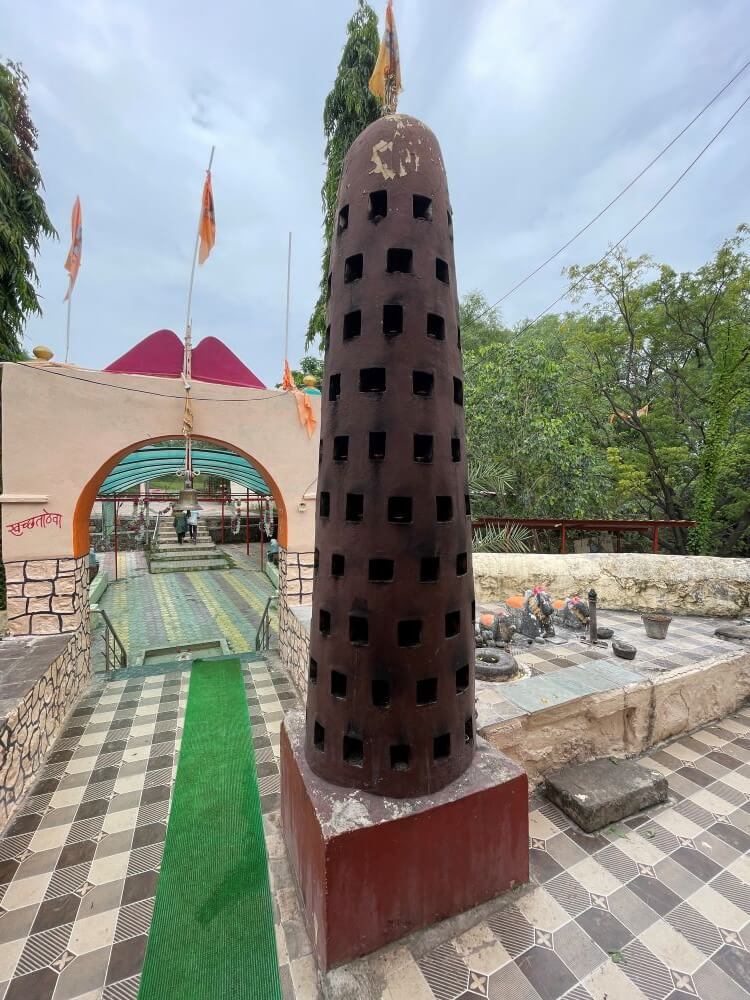
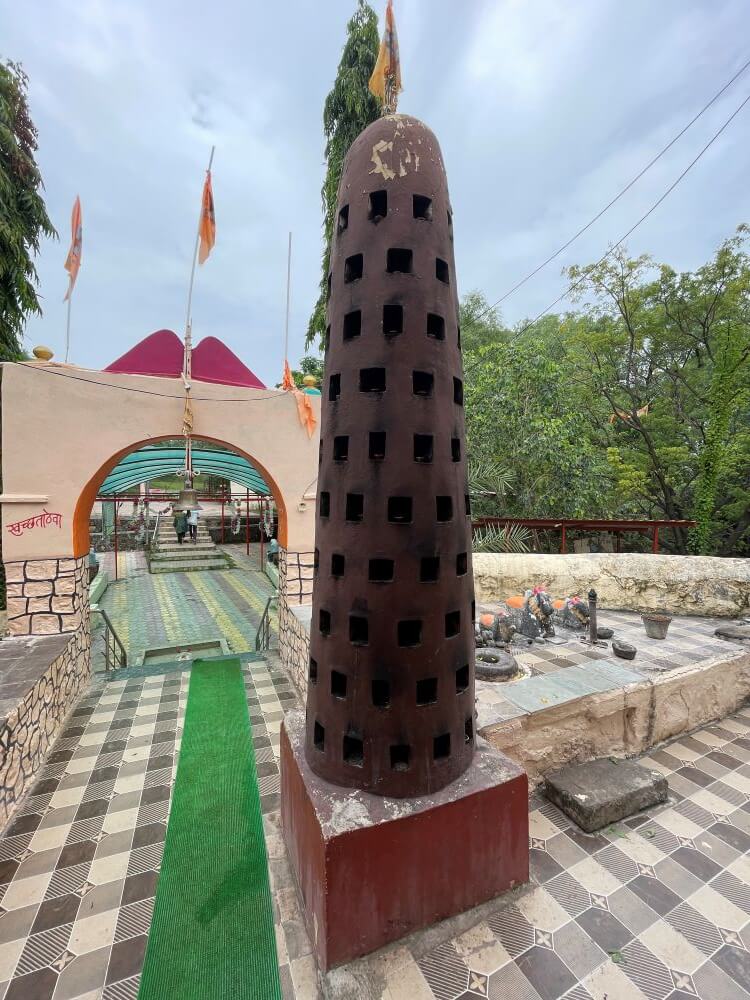
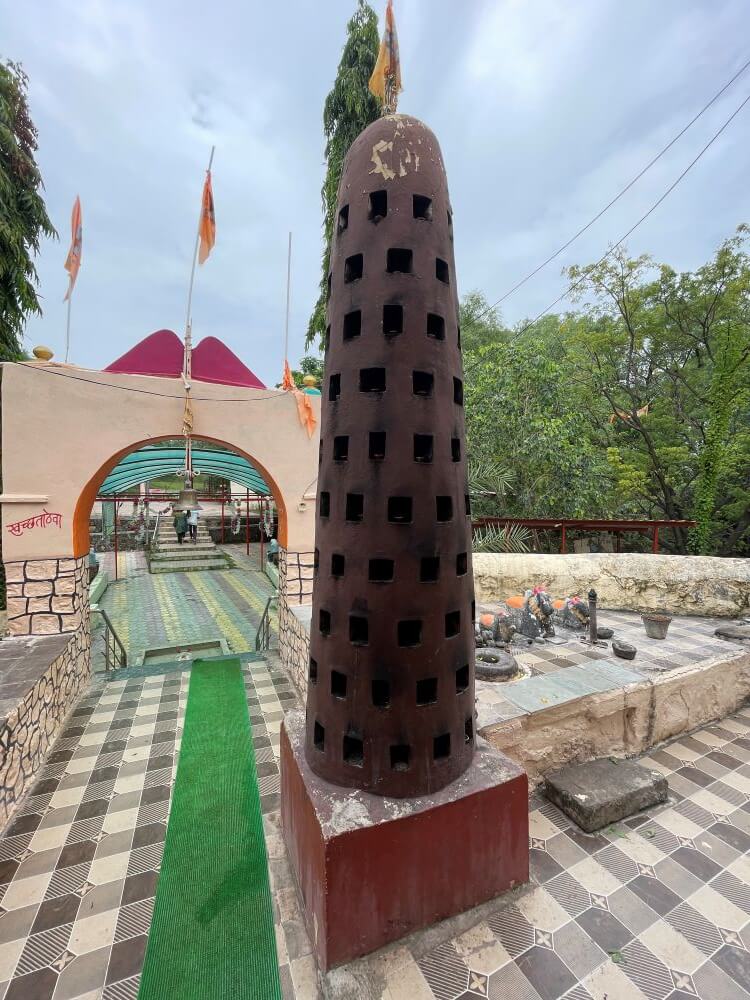
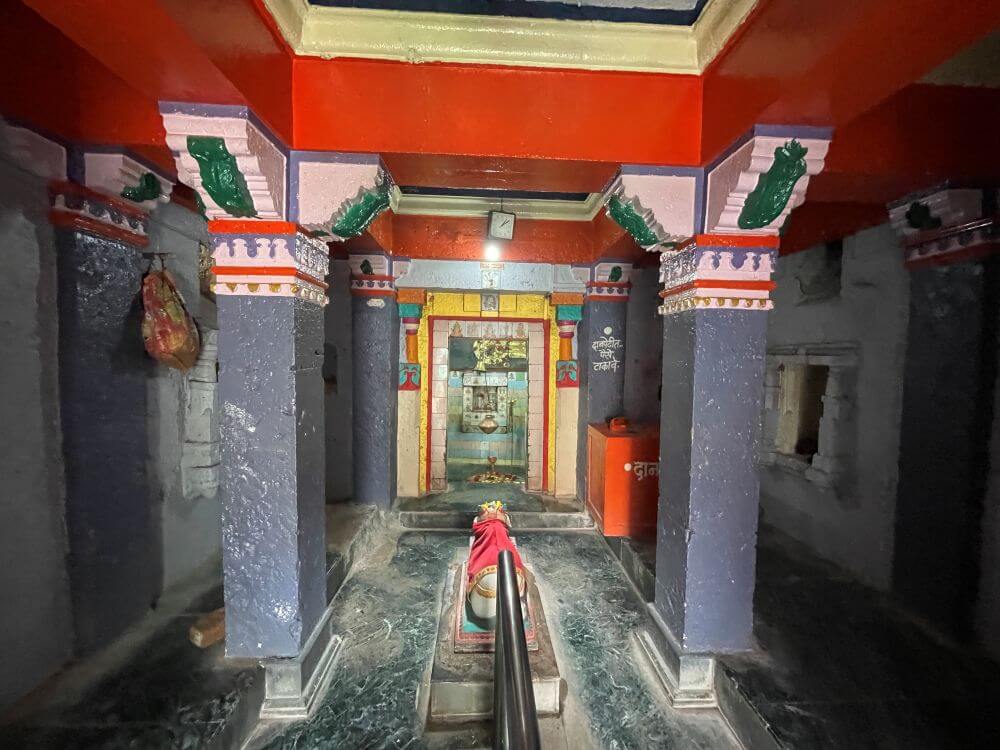
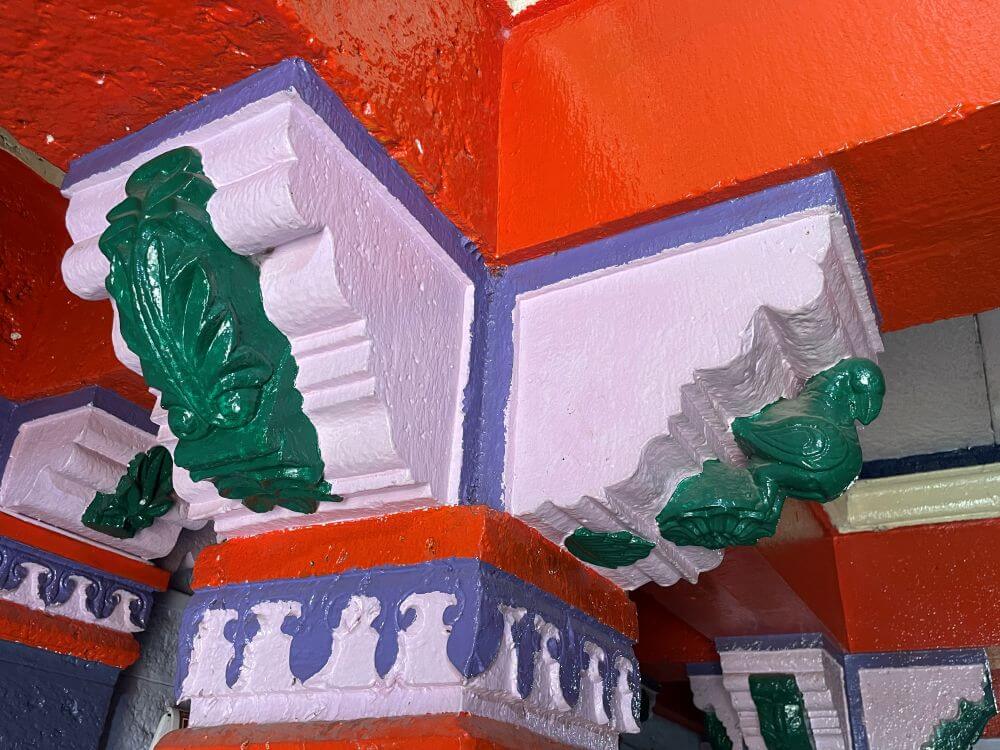
In front of the temple, to the left, stands a large lamp pillar (Deepstambh). Adjacent to it, on a raised platform, are ancient Shiva Lingas and a Nandi statue. The Nateshwar temple stands on a high plinth. The structure, consisting of a Sabha Mandap (assembly hall) and a Garbhagriha (sanctum sanctorum), is built entirely of stone. The carved stone pillars in the Sabha Mandap and the sculpted brackets above them reflect the antiquity of this temple. A unique feature of these brackets is the carvings of parrots and serpents. The walls of the Sabha Mandap, the niches within them, the entrance to the sanctum, and the outer walls of the temple are all simple and unadorned.
In the Sabha Mandap, there is a statue of Nandi and a tortoise sculpture in front of it. In the sanctum, there is a large Shiva Linga on the floor. The base (Shalunka) of this Linga is covered with a golden sheet. The Shiva Linga is encircled by a serpent made of five metals (Panchadhatu). Above it hangs a copper vessel for ritual water offerings (Jalabhishek). In the rear niche, there are statues of Parvati and Ganesha. Above the sanctum rises a tall, five-tiered Shikhara. Around the lower square level, there are four smaller Shikharas. In the middle section, there is a blue-colored statue of Lord Shiva, flanked by statues of Nandi on both sides. At the top of the Shikhara is a large, modak-shaped Amalaka, topped with a tall finial (Kalash).
In front of the temple is a square-shaped well. It is said that the water in this well never dries up. Near this well, on a high platform, stands a Tulsi Vrindavan. Behind it is a small temple with a sloping roof on all four sides. Inside this temple is a Samadhi built of marble stone. It is said to be the Samadhi of Sage Agastya.
The Nateshwar temple has long been a venue for events like weddings and naming ceremonies, a tradition that continues to this day. For this purpose, a separate kitchen and dining hall have been built in the temple premises, with facilities to seat 200 people at a time. Behind the temple, at some distance, are two separate wells with steps, known as the “Mother-in-law and Daughter-in-law” wells. This temple complex is registered with the Maharashtra Tourism Development Corporation, and the government is currently developing the site. A garden has been created here for children. Although the temple is far from the village, it sees a large crowd of devotees every Monday, especially on the Mondays of the month of Shravan. Mahashivratri and other Hindu festivals and celebrations are observed in the temple with great enthusiasm.
This sacred temple stands as a testament to deep spiritual devotion, ancient architectural grandeur, and rich local cultural traditions.
The sanctum sanctorum houses the divine idol consecrated according to ancient Vedic traditions, surrounded by serene courtyards and traditional temple architecture.
Navratri, Maha Shivratri, Annual Temple Jatra & Deepotsav
Compare and book flights, secure top-rated local hotels near the temple, hire reliable guides, and rent cars instantly.
Extend your pilgrimage by visiting other highly sacred temples located nearby.


Add ₹999 more to unlock FREE SHIPPING!
Your sacred cart is currently empty.
Shop Photo FramesFill in your delivery details below to place your order.
Add comment