
Add ₹999 more to unlock FREE SHIPPING!
Your sacred cart is currently empty.
Shop Photo Frames
Peralassery Subrahmanya Swami Temple is a renowned temple situated on the banks of the Anjarakandy River at Peralassery in Kannur district, Kerala. It is one of the most important Subrahmanya temples in North Malabar and is currently administered by the Malabar Devaswom Board.
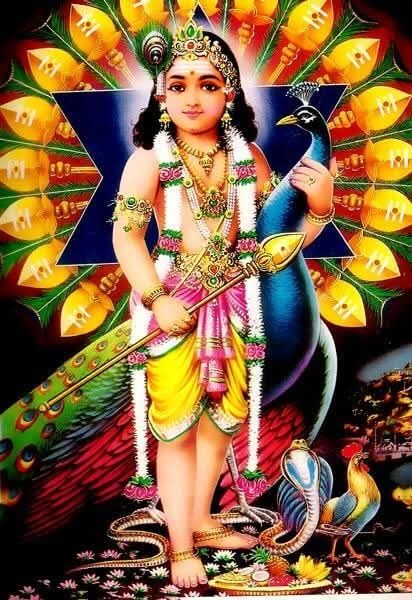
According to legend, the presiding deity, Lord Subrahmanya, was consecrated by Lord Sri Rama, an incarnation of Mahavishnu. Similar to the famous Palani Murugan Temple, the deity here faces west. One of the temple’s most distinctive attractions is the unique temple pond located in front of the shrine, which draws numerous pilgrims and visitors every year.
The temple is believed to be over 1,500 years old, with historians suggesting that its earliest structures date back to the 6th century CE. For centuries, the temple remained under the patronage of the Chirakkal Royal Family, the rulers of Kolathunadu, who donated extensive lands and properties for its maintenance and development. Later, the administration of the temple was taken over by the Malabar Devaswom Board.
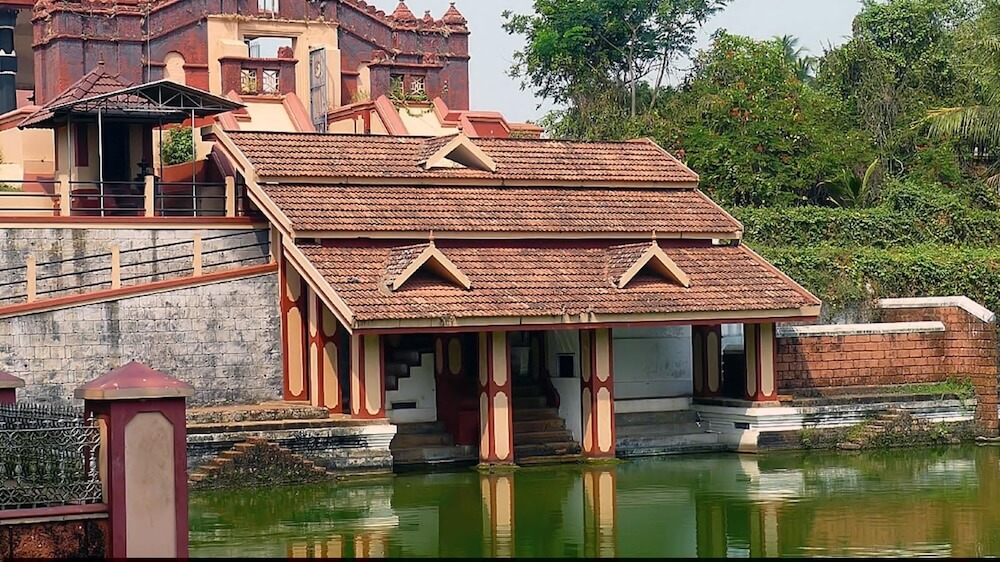
A remarkable feature of the temple is its famous pond, known as the Ayanivayal Kulam. Unlike typical Kerala temple ponds, it is designed in the style of a North Indian stepwell, with geometrically arranged steps descending into the water. This architectural marvel was renovated in 2001.
During Tipu Sultan’s invasion of Malabar, the temple suffered damage and the idol of Lord Subrahmanya was partially affected. Instead of replacing the original idol, it was preserved and reinforced with a silver sphere, a unique feature that can still be seen today. Extensive renovation and development works began in 1989, followed by the construction of decorative gopurams, installation of Navagraha deities, an Annadana Mandapam and the re-consecration of Lord Ayyappa.
The origin legend of the temple is associated with the Treta Yuga. According to tradition, while searching for Sita after her abduction by Ravana, Lord Rama, Lakshmana and Hanuman arrived at the banks of the Anjarakandy River and rested in this area. Sensing a powerful divine presence of Lord Subrahmanya, Lord Rama decided to consecrate an idol there and sent Hanuman to bring a suitable idol.
However, as Hanuman did not return before the auspicious time fixed for the consecration, Lord Rama removed his “Peruvala” (large bracelet) and consecrated it at the site. It is believed that the place came to be known as “Peruvalassery,” which gradually evolved into the present name, “Peralassery.”
When Hanuman eventually returned with the idol and found that the consecration had already taken place, he became saddened. To console him, Lord Rama installed Hanuman’s idol above the consecrated Peruvala. Tradition holds that Hanuman attempted to move the idol but was unable to do so, causing a slight damage to it. Hence, devotees are believed to first pay respects to Hanuman’s consecration before worshipping the main deity.
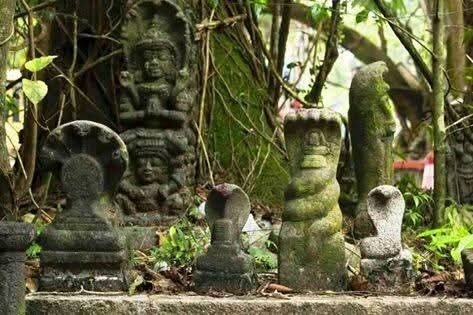
Another legend states that Lord Subrahmanya resides here in the form of a Nagadeva. Since Lakshmana is regarded as an incarnation of Adishesha, the temple has developed a strong association with Naga worship and Naga traditions.
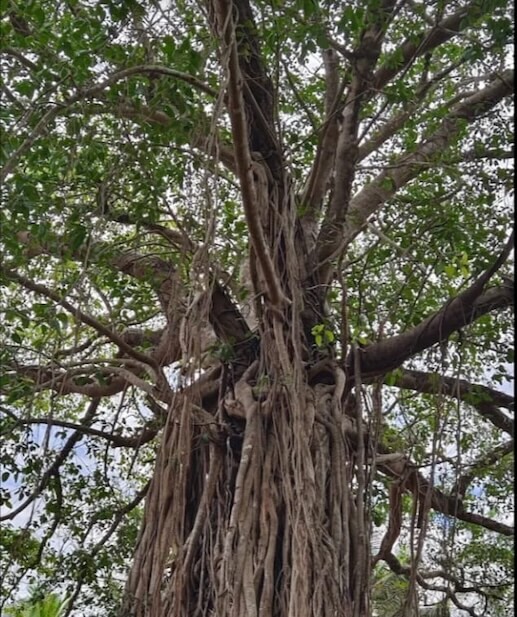
Located at the heart of Peralassery village, the temple faces west. A large sacred peepal tree stands in front of the temple, while the famous temple pond is situated to the southwest. Designed in the style of a North Indian stepwell, this pond serves as the venue for the ceremonial Arattu (holy bath) during the annual festival.
The western entrance is reached through steps near the banyan tree. The small tiled gopuram preserves the temple’s ancient charm. Inside, visitors can see the elephant shelter, where ceremonies such as Choroonu (first feeding ceremony) and Thulabharam are performed. Nearby stands the temple flagstaff topped with a peacock, the vehicle of Lord Subrahmanya, followed by the Balikkal Mandapam housing the main sacrificial stone.
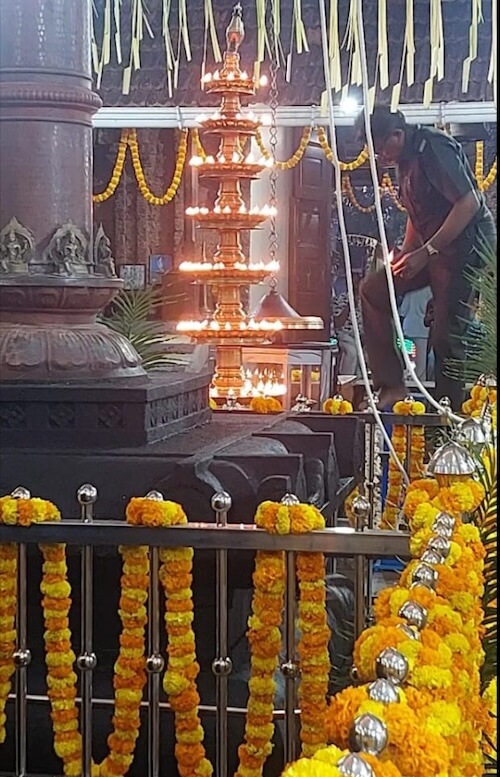
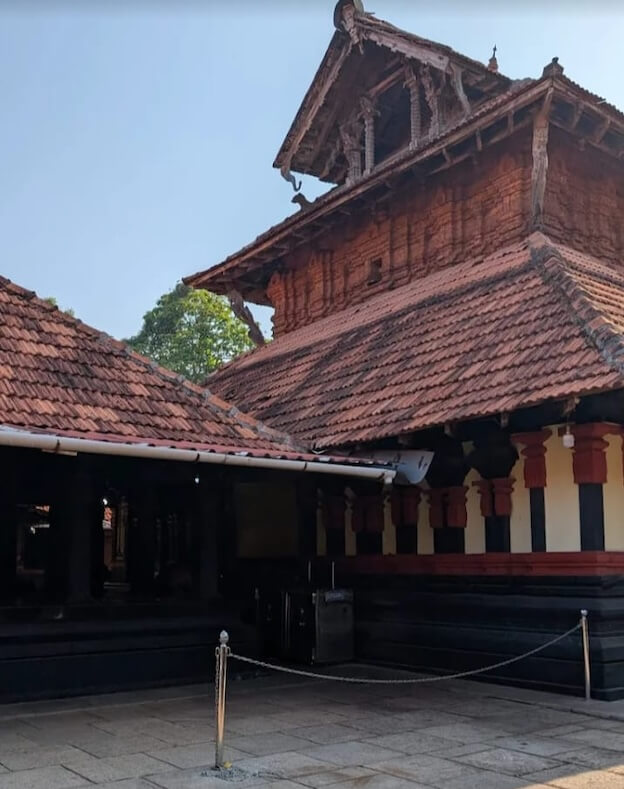
The sanctum sanctorum is square-shaped and built in the traditional Kerala architectural style. The wooden ceilings and walls are adorned with beautiful carvings depicting scenes from the Dashavatara and the divine exploits of Lord Subrahmanya. The stone steps leading to the sanctum and the yali sculptures on either side are notable artistic features.
The presiding deity is Lord Subrahmanya, worshipped here in Nagadeva form. Following the damage caused during Tipu Sultan’s invasion, a silver sphere was attached to support and preserve the original idol. According to temple tradition, the present deity represents the sacred combination of the Peruvala consecrated by Lord Rama and the idol brought by Hanuman. The temple also houses several other shrines. Near the main entrance is the sacred Naga grove containing hundreds of Naga idols made of bronze, copper and stone. The shrine of Lord Ayyappa is situated in the southwestern part of the temple complex, while Lord Ganesha is installed within the Nalambalam. A separate pavilion on the northern side houses the Navagraha deities.
The temple celebrates several important festivals throughout the year, the most significant being Thulasamkramam, Thulam 10 and 11 celebrations and the Dhanu Festival. Thulasamkramam is also known as “Kaveri Samkramam” and devotees believe that the sacred waters of the River Kaveri spiritually reach the temple pond on that day. Thousands of devotees visit the temple for worship and holy bathing during this occasion.
Ayilyam is another important observance due to the temple’s strong association with Naga worship. Large numbers of devotees participate in naga-related rituals and prayers on this day. Monthly Shukla Paksha Shashti days are also observed with special devotion, featuring various rituals and offerings dedicated to Lord Subrahmanya.
Nagadeva worship occupies a central place in the temple’s traditions. Devotees seeking relief from Naga related doshas and blessings from the naga deities visit the temple in large numbers. Offering eggs, milk and turmeric rice to the Naga deities is one of the temple’s distinctive customs.
The most popular offering is “Mutta Oppikkal” (offering of eggs), performed to appease the Naga deities and seek relief from Naga afflictions.
Other important offerings include Sarpa Bali, Noorum Paalum and Manja Choru, particularly on Ayilyam days. Devotees also perform Thottil Kettal (cradle offering) seeking the blessing of children. In addition, Subrahmanya Pooja, Aval Nivedyam and Payasam Nivedyam are regularly offered at the temple.
Daily rituals begin with the opening of the temple at 4:00 AM. Nirmalya Darshanam and Abhishekam are conducted from 4:45 AM to 5:15 AM, followed by Usha Pooja and the morning Seeveli at 5:30 AM. Ucha Pooja and the noon Seeveli take place between 10:45 AM and 11:30 AM, after which the temple closes at 12:30 PM.
The temple reopens at 4:15 PM. Sarpa Bali, one of the most important rituals of the temple, is performed from 5:00 PM to 6:15 PM. Deeparadhana is conducted at 6:00 PM, followed by Athazha Pooja between 7:00 PM and 7:30 PM. The temple closes for the day at 8:00 PM.
This sacred temple stands as a testament to deep spiritual devotion, ancient architectural grandeur, and rich local cultural traditions.
The sanctum sanctorum houses the divine idol consecrated according to ancient Vedic traditions, surrounded by serene courtyards and traditional temple architecture.
Navratri, Maha Shivratri, Annual Temple Jatra & Deepotsav
Compare and book flights, secure top-rated local hotels near the temple, hire reliable guides, and rent cars instantly.
Extend your pilgrimage by visiting other highly sacred temples located nearby.


Add ₹999 more to unlock FREE SHIPPING!
Your sacred cart is currently empty.
Shop Photo FramesFill in your delivery details below to place your order.
Add comment