
Add ₹999 more to unlock FREE SHIPPING!
Your sacred cart is currently empty.
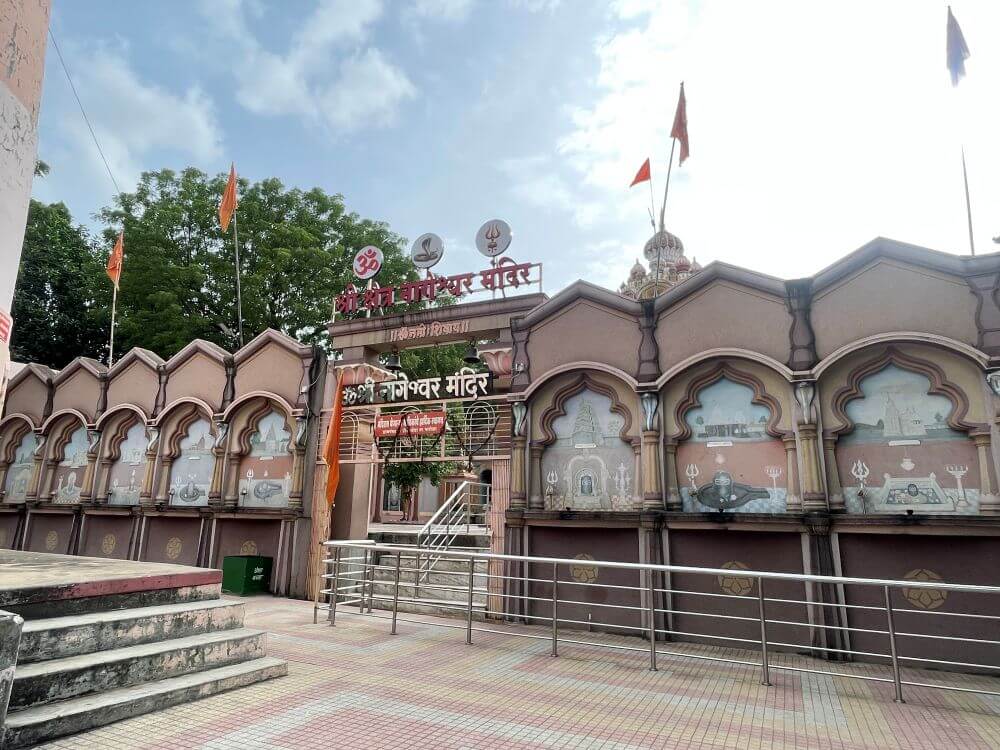
Shop Photo FramesThe ancient Peshwa-era temple of Nageshwar Mahadeva is situated in the historic village of Undirkhede, in Parola taluka. This temple was built by Trimbakrao Pethe, who laid a strong foundation for the expansion of the Maratha Empire in Khandesh and served as the Diwan of Pune during the Peshwa era. Built in the Peshwa-era Maratha architectural style, the temple is nestled in a scenic location on a hillock by the riverside. Devotees firmly believe that sincere worship of Nageshwar Mahadeva here fulfills all wishes, which is why the temple always sees a large gathering of devotees.
The history of this temple dates back to October 22, 1728, when Trimbakrao Pethe of the Pethe family, originally from Guhagar in Konkan, joined as a clerk under Govind Krishna, the administrator for Shrimant Chimaji Appa. His father, Visaji Krishna, served as a Kamavisdar in the Khandesh province. Following his death, Trimbakrao was appointed to this post in 1730. He established efficient revenue collection and restored peace and order in the Khandesh and Baglan provinces. The Peshwas granted him the village of Undirkhede as an Inam (gift). On March 28, 1753, during the reign of Peshwa Balaji Baji Rao, also known as Nanasaheb, he was entrusted with the responsibility of the Diwan position in Pune. During this period, he established the Nageshwar Mahadeva Temple at Undirkhede near Parola.
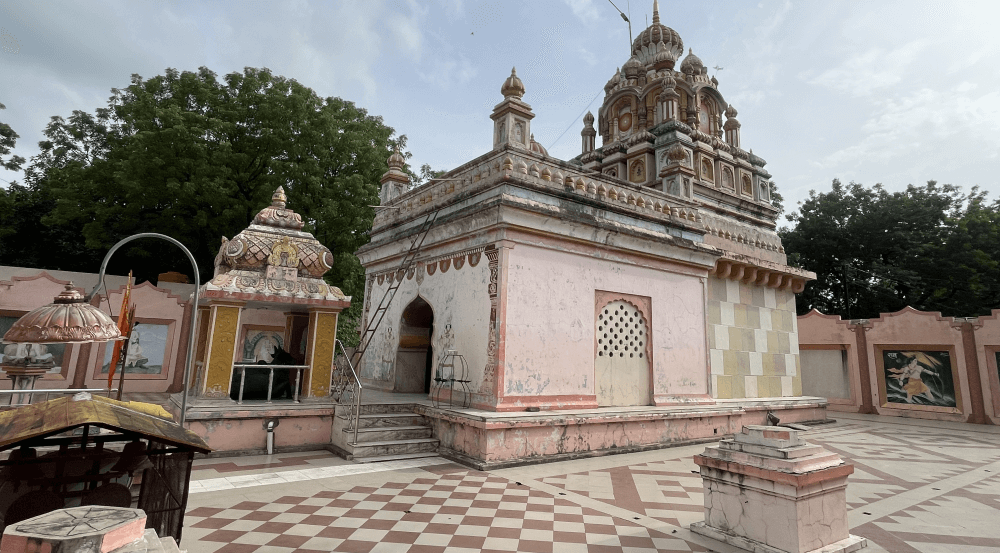
Surrounded on all sides by the Bori River and built on a hillock in the Peshwa-era Maratha architectural style, this temple is mentioned in the Jalgaon District Gazetteer. It states that about two and three-quarter centuries ago, the temple was enclosed by a wall standing 75 feet tall. A stone-paved ghat with steps was constructed here on the banks of the Bori River. In front of this temple, measuring 40 feet by 25 feet, stood a large Deepmal (lamp tower). The temple acquired its present appearance following renovations carried out a few years ago.
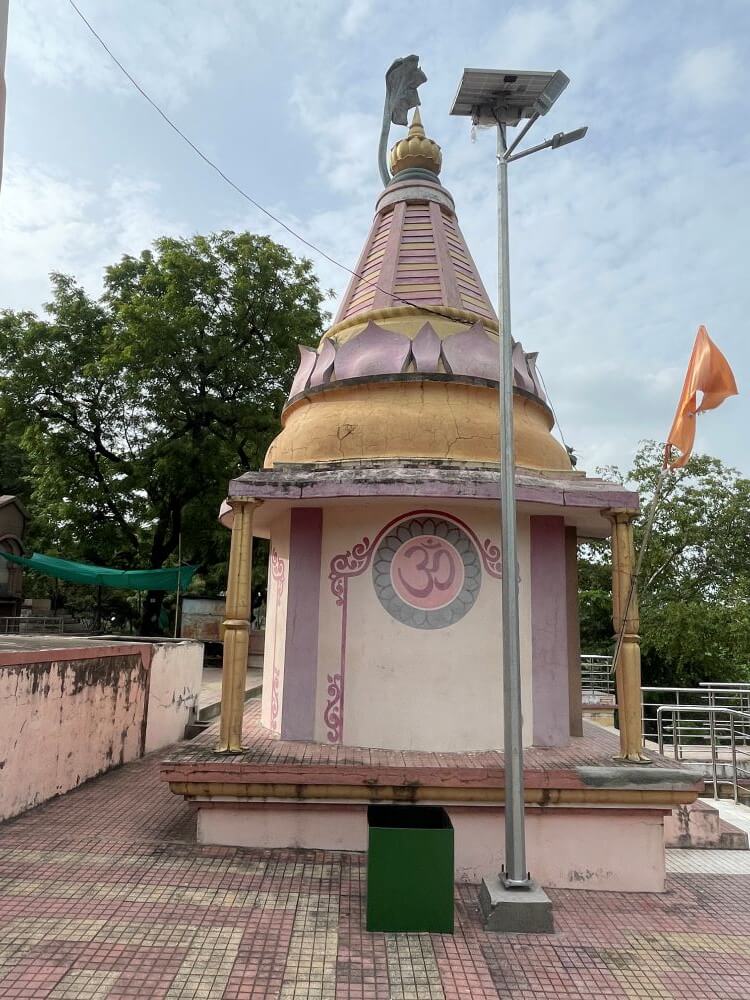
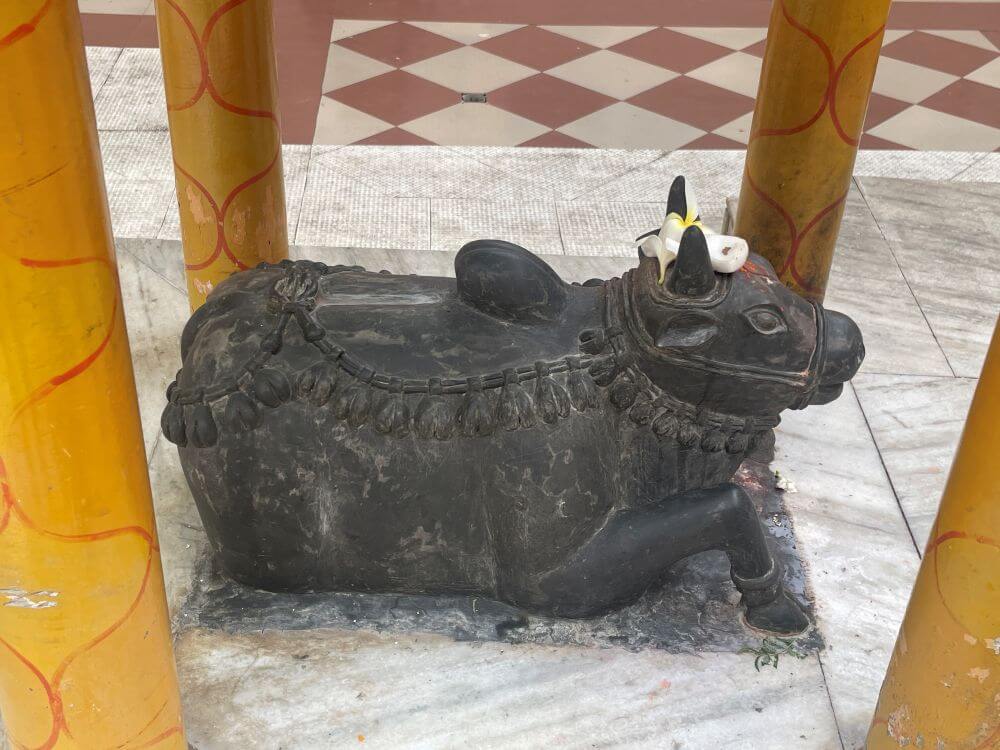
The temple features a high enclosure wall. The arched niches carved into the facade of this wall are adorned with painted depictions of the Twelve Jyotirlingas. The inner side of the enclosure wall also features paintings of various deities and holy saints. Upon entering through the gateway, one finds a uniquely shaped Tulsi Vrindavan to the left, adorned with serpent sculptures in the middle section and parrot sculptures on the upper part. The temple layout comprises a large Nandi Mandapa, a Sabha Mandapa, and the Garbhagriha (sanctum sanctorum). The shikhara (spire) of the Nandi Mandapa is built in the Dravidian architectural style, housing a large stone sculpture of Nandi inside. The entrance to the Sabha Mandapa is arched, which gives an idea of the thickness of the temple walls. Paintings of guardian deities (Dwarapalas) adorn both sides of the entrance, while an image of Lord Ganesha is painted on the lintel (Lalatbimba). Above the front wall of the Sabha Mandapa are paintings of the Ashtavinayakas. The roof of the Sabha Mandapa features small umbrella-like domes (chhatris) on all four corners and a dome-shaped shikhara in the center.
The thick inner walls of the Sabha Mandapa feature carved arched recesses. A large tortoise sculpture (Kurma shilpa) is placed in the center of the Sabha Mandapa. On the front wall of the sanctum, in the niche to the left, rests an ancient stone idol of Ganesha. The Garbhagriha also has an arched entrance, preceded by a wooden doorway bearing an image of Ganesha on its lintel. Above this hangs a large portrait of Sadguru Devi Nizananditai Maharaj, a disciple of Sadguru Madhavnath Maharaj. Inside the Garbhagriha stands a large Shiva Linga, adorned with a copper Abhishek vessel and a golden umbrella. Nearby stands a tall Trishula (trident) fitted with a Damaru (drum). At the back, in a marble niche, is the shrine of Goddess Parvati. A tall Maratha-style shikhara rises above the Garbhagriha. The niches carved on all four sides of this shikhara are painted with depictions of Shiva Lingas and other sacred symbols.
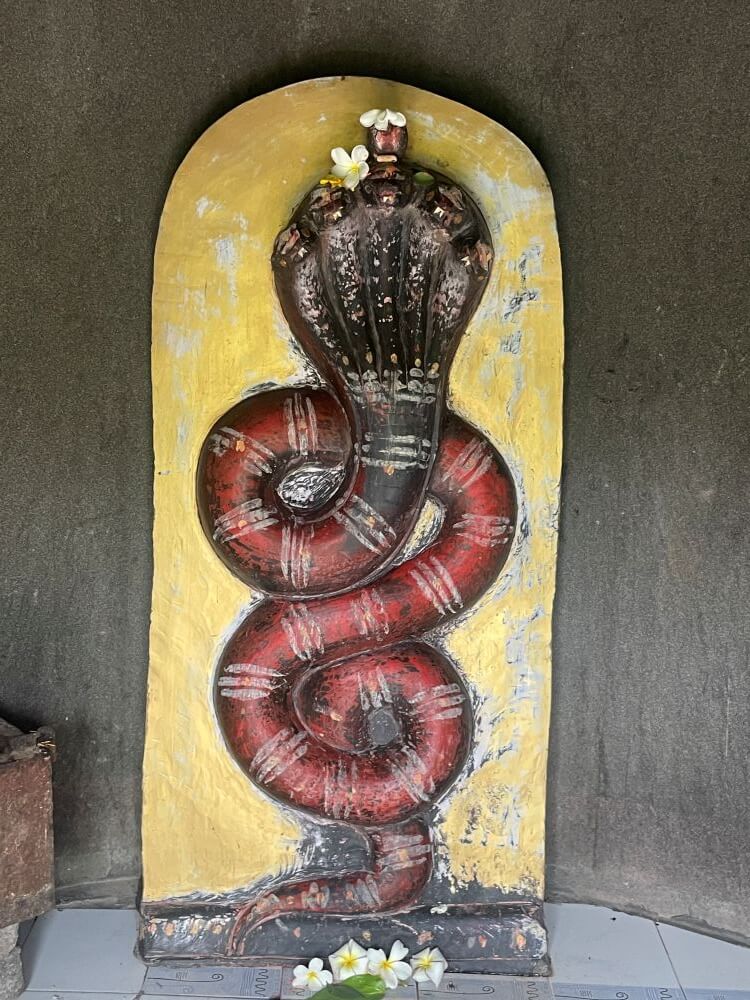
In the temple courtyard stands another old temple dedicated to Lord Shiva, featuring a smaller Nandi Mandapa. A large lamp pillar (Deepastambha) stands in front of the temple, followed by a beautiful cement-paved ghat with steps. A magnificent Trishula has been erected in a bastion-like structure. A temple dedicated to the Serpent Deity is situated within the temple complex, and a lush flower garden spans an area of one and a half acres nearby.
A large multitude of devotees gathers at the temple every Monday, especially during the Mondays of the holy Shravan month. Like Maha Shivaratri, other festivals and celebrations are observed here with deep devotion and great enthusiasm.
This sacred temple stands as a testament to deep spiritual devotion, ancient architectural grandeur, and rich local cultural traditions.
The sanctum sanctorum houses the divine idol consecrated according to ancient Vedic traditions, surrounded by serene courtyards and traditional temple architecture.
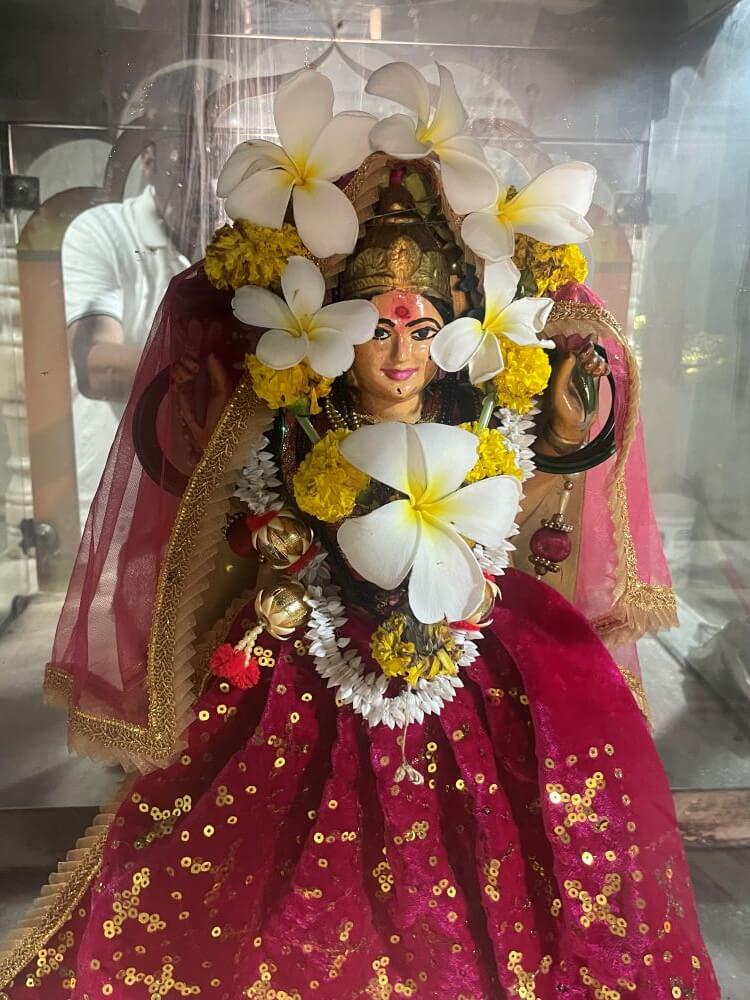
Navratri, Maha Shivratri, Annual Temple Jatra & Deepotsav
Compare and book flights, secure top-rated local hotels near the temple, hire reliable guides, and rent cars instantly.
Extend your pilgrimage by visiting other highly sacred temples located nearby.


Add ₹999 more to unlock FREE SHIPPING!
Your sacred cart is currently empty.
Shop Photo FramesFill in your delivery details below to place your order.
Add comment