
Add ₹999 more to unlock FREE SHIPPING!
Your sacred cart is currently empty.
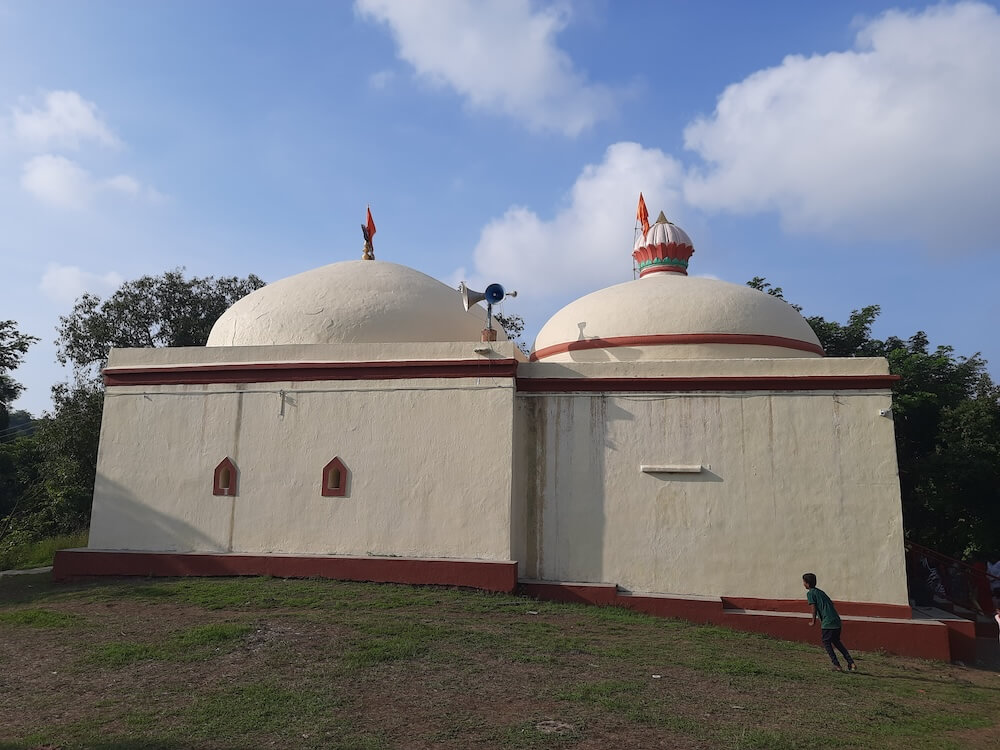
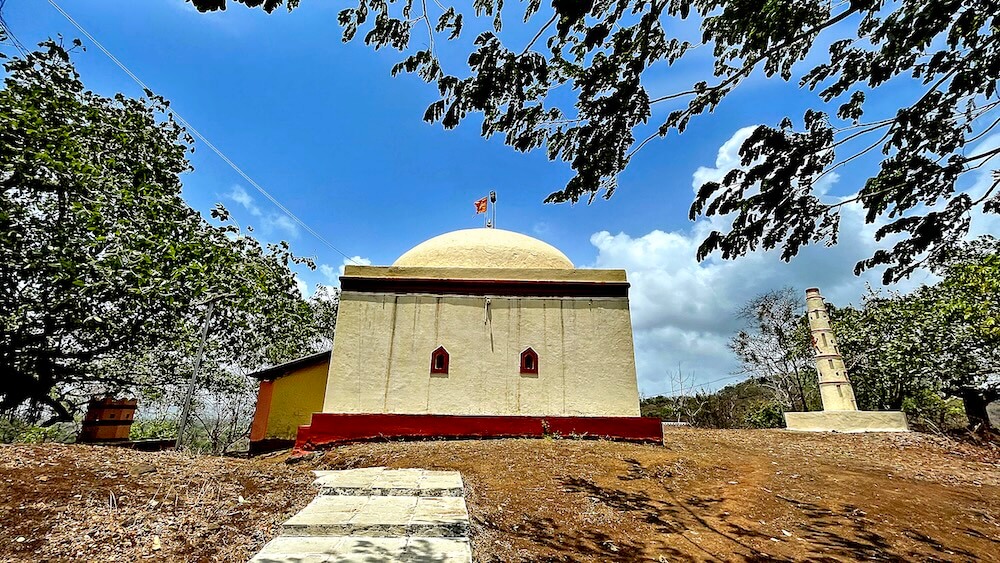
Shop Photo FramesThe temple of Shri Mahalakshmi is situated on a small hill in Chaul Bagmala, close to the town of Revdanda in Alibag taluka. It is renowned as a *Jagrut Devasthan* (a spiritually vibrant and awakened shrine). Featuring a round, dome-shaped stone architecture, the temple has a history spanning about seven centuries. The temple shares a deep and close bond with the historically prominent Angre family of Raigad. A unique feature of this temple is the Navaratri festival, which has been celebrated here with great joy and fervor for the past five hundred years. Thousands of devotees from the surrounding areas gather here for this festival.
According to mentions in the Kolaba District Gazetteer, Shri Mahalakshmi Chandika Devi is the *Kulaswamini* (family deity) of the Angre family. Historical records note that in the year १७६६, while Rajshri Govindsheth Varud Devdas Savakar and Gujar were residing in Raghoji Angre’s Janjira Kolaba Fort, the *sabhamandapa* (assembly hall) of the temple was renovated, and the dharmasabha (assembly building) was constructed. On this occasion, the official *sanad* (decree) was once again formally bestowed upon the Pitkar family, who had been rendering devotional service for generations. In ancient times, the town of Chaul was known by the names ‘Chemum’, ‘Saimur’, or ‘Chivil’. According to inscriptions, many temples were built here during the reign of the Silahara kings, as these rulers were worshippers of Shakti. During the Portuguese regime, between the years १६८७ and १७६५, performing the establishment of *ghat* and conducting *havan* (sacrificial fire rituals) within the temple was prohibited. Consequently, the worship of the Goddess, along with the *ghat* and *havan* rituals, was conducted not inside the temple itself, but at the home of the primary priests, the Pitkars of Chaul. On May ३१, १७७३, Sarkhel Raghoji Angre, along with Rajshri Govindsheth Devdas, performed the Shri Sahastrachandi Anushthan at the Shri Mahalakshmi Devi Temple. History also records that in १७९६, on the third day of the bright fortnight of Bhadrapada, Jaisinghrao Angre and Nagoji Angre visited Bagmala to have the *darshan* of Mahalakshmi and proceeded towards Alibag accompanied by two thousand people.
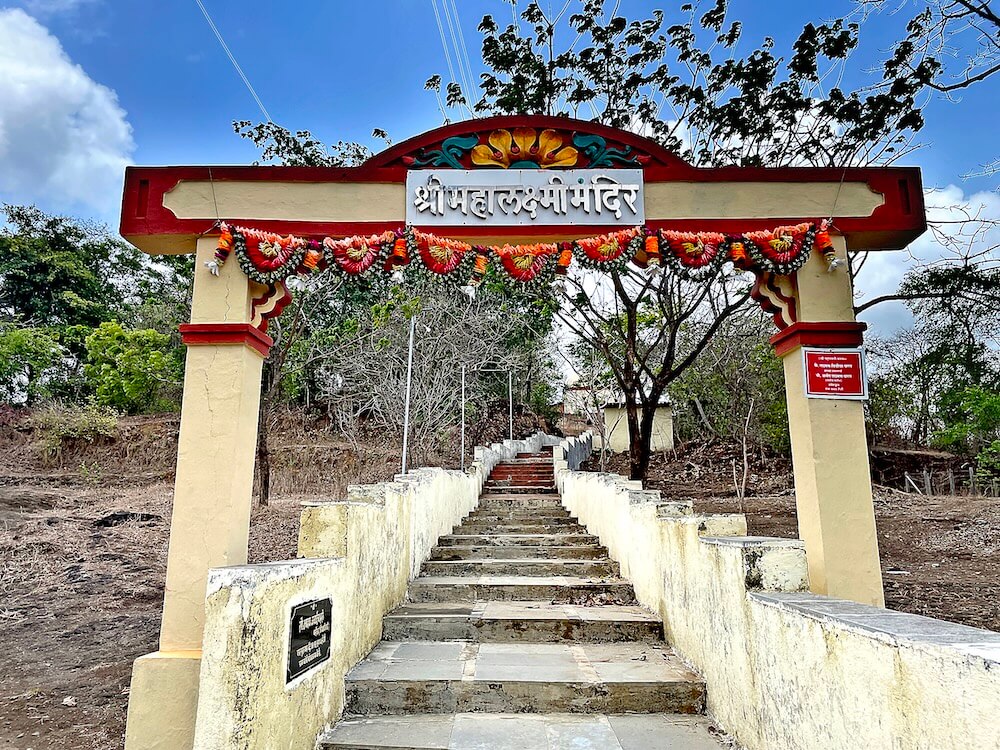
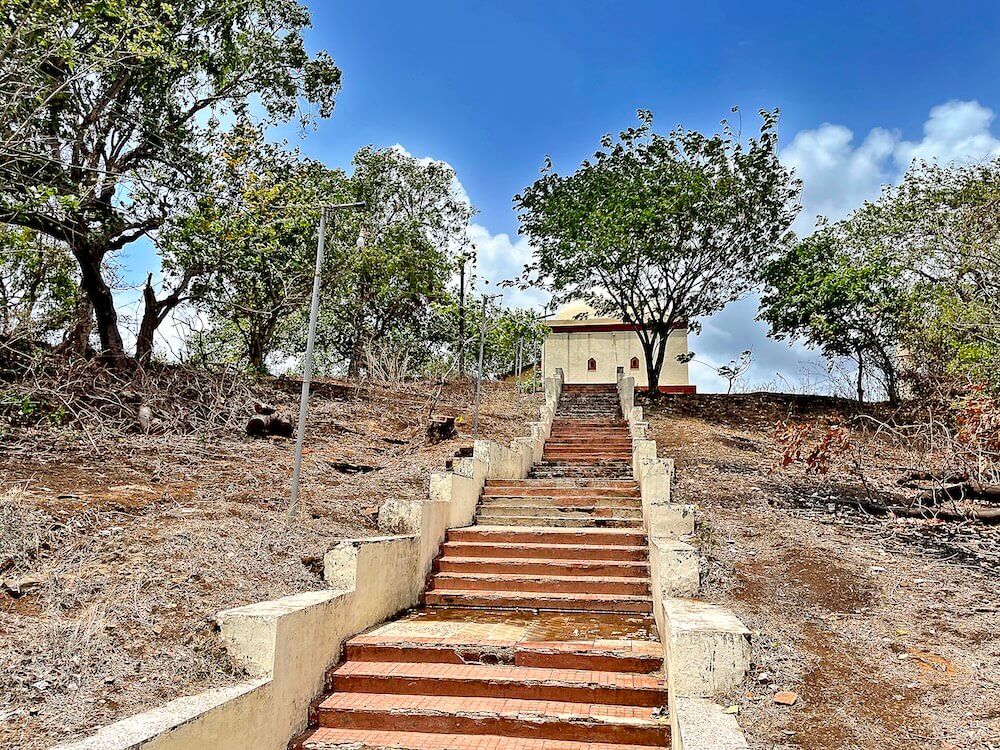
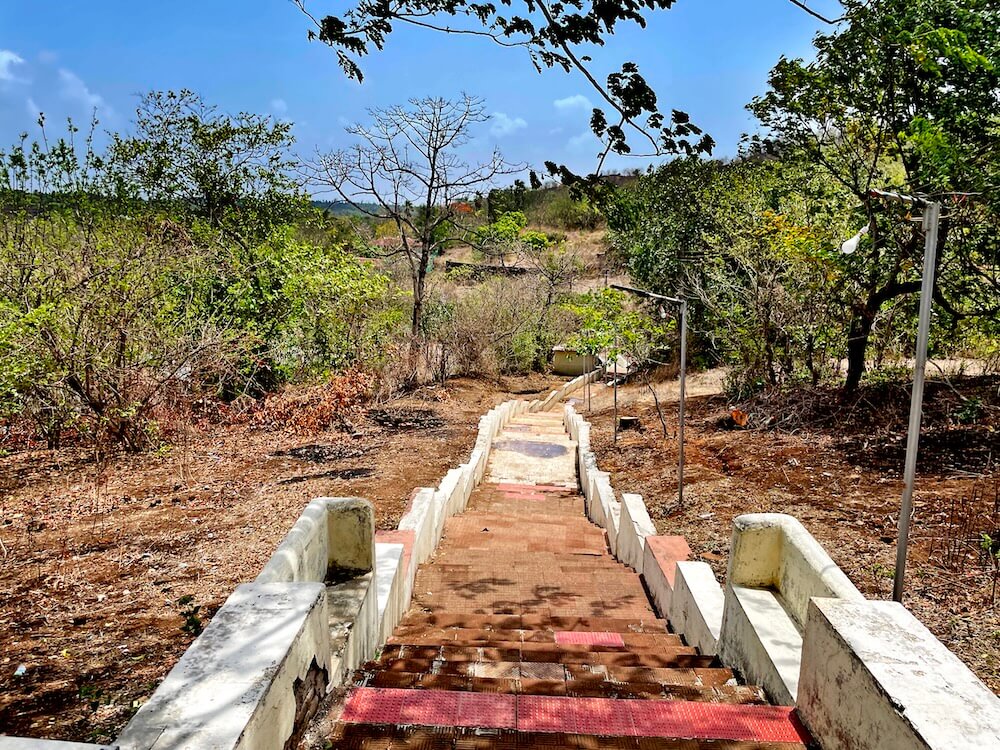
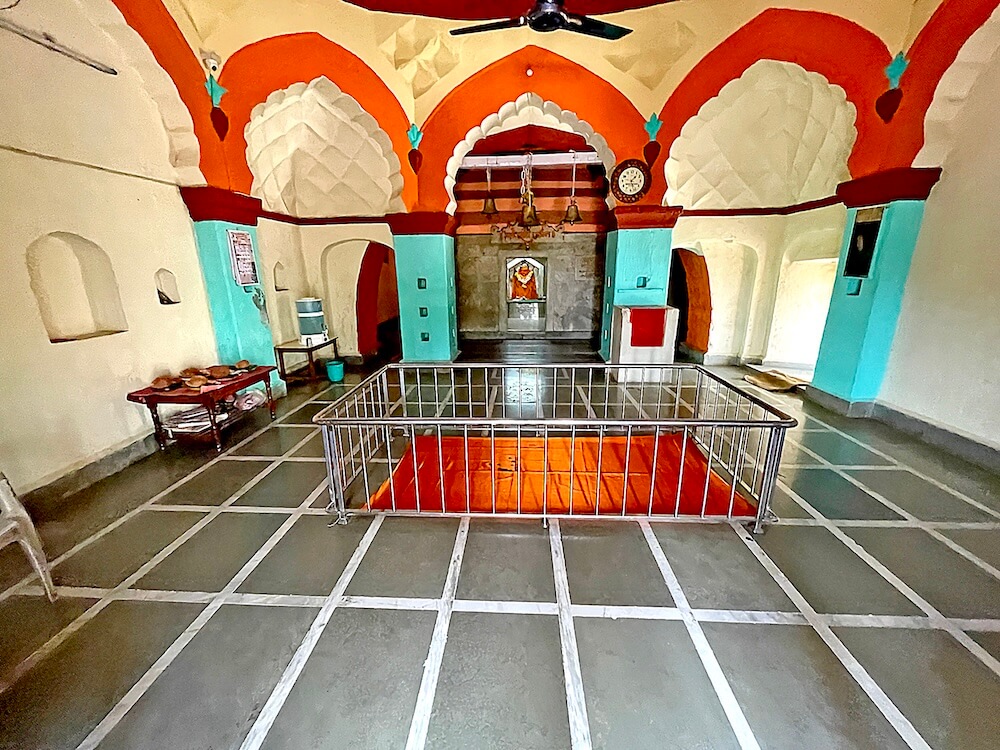
Leading up to this temple, situated on a small hill alongside the main road of Chaul Bagmala, are १०३ steps. After traveling a distance of approximately one kilometer from the entrance gate on the main road, another archway appears at the foothills, from where the stone steps leading upwards begin. Built in the Hemadpanti architectural style, this east-facing temple has two exterior domes—the first situated over the *sabhamandapa* and the second over the *garbhagriha* (sanctum sanctorum). The distinctive geometric patterns within the alcoves beneath these domes reflect the influence of contemporary Maratha and, to some extent, Islamic architecture. On one side of the temple stands a tall *deepmal* (lamp tower), while the other side features an ornate *tulsi vrindavan*. At the center of the *deepmal* is a carved idol of Lord Hanuman along with a small sculpture. It is a prevailing belief among devotees that the *darshan* of the Goddess remains incomplete without offering prayers to this idol. Ascending seven to eight steps from the courtyard leads devotees into the temple’s *sabhamandapa*, which rests on a raised platform (*jagati*). Adorned with intricately carved arches, this *sabhamandapa* houses more than १५० hanging bells. The original sanctum of the temple was constructed using bricks and lime mortar. Along the circumambulatory path (*pradakshina marg*) inside the sanctum, there are eight alcove-like windows with two on each direction, which adequately illuminate the path. The idol of Mahalakshmi in the temple is made of stone and covered with *shendur* (vermilion), bearing a striking resemblance in form to Goddess Ambabai of Kolhapur.
To the east of the temple are five *sati* memorial stones. Historical records state that these stones commemorate five women who attained *sati*: the wife of Naro Shankar Mahajan (१७७३), two wives of the Angres’ Diwan, Govindsheth Devdas (February, १७८२) (since the practice of *sati* was abolished in १८२९, the year १७८२ is historically consistent rather than १८८२), the wife of Baburao Shridhar Diwan (May, १८२६), and the wife of Damodar Bhat Railkar (November, १८०३).
During the auspicious month of Margashirsha, a large number of *suhasinis* (married women) visit the temple for *darshan*. During the Navaratri festival, the temple premises take on the vibrant atmosphere of a fair, and throughout these days, the Goddess is adorned with gold and silver ornaments as well as various kinds of fine garments. On the main festival day, Shri Mahalakshmi Devi is adorned with a brass mask, a gold necklace, and a bead garland (*manihar*). As a daily tradition, the main *aarti* of Mahalakshmi is performed in the evening at seven o’clock, followed by the *aarti* of Lord Ganesha. On Dussehra, the ritual of *sone lutne* (symbolic exchange of gold/Bauhinia leaves) takes place at the temple, and the palanquin carrying the mask of the Goddess is taken in a procession through the village of Bagmala. Tuesdays and Fridays are considered particularly sacred to the Goddess, drawing larger crowds of devotees on these days. Additionally, a grand fair is held here every year on Tripurari Purnima in the month of November, during which devotees flock in large numbers from various parts of the district. The Bhat family of Revdanda, who originally migrated to Maharashtra from Sorath Somnath, holds the hereditary rights of worship and stewardship of this temple. The temple remains open for devotees daily from 8:00 AM to 6:00 PM.
This sacred temple stands as a testament to deep spiritual devotion, ancient architectural grandeur, and rich local cultural traditions.
The sanctum sanctorum houses the divine idol consecrated according to ancient Vedic traditions, surrounded by serene courtyards and traditional temple architecture.
Navratri, Maha Shivratri, Annual Temple Jatra & Deepotsav
Compare and book flights, secure top-rated local hotels near the temple, hire reliable guides, and rent cars instantly.
Extend your pilgrimage by visiting other highly sacred temples located nearby.


Add ₹999 more to unlock FREE SHIPPING!
Your sacred cart is currently empty.
Shop Photo FramesFill in your delivery details below to place your order.
Add comment