
Add ₹999 more to unlock FREE SHIPPING!
Your sacred cart is currently empty.
Shop Photo FramesIn the village of Kolbandre in Dapoli taluka stands the ancient temple of Digeshwar Mahadev. The villagers of the surrounding region hold immense faith in Lord Digeshwar. It is said that the local residents rarely feel the need to go to the police or courts, as the supreme law that prevails here is that of the presiding village deity, Digeshwar! If anyone in this area cheats or harasses another, even if the victim simply utters the words, “Now I will offer a coconut to Digeshwar,” the perpetrator gets frightened and immediately amends his behavior. He knows that if he does not, Digeshwar will surely punish him!
The legend of the temple states that where the temple currently stands in Kolbandre village, there used to be a paddy field. While Mr. Lokhande from Dabhol was plowing his land, the plowshare got stuck in a mound of earth. At the spot where the plowshare got stuck, a stream of water suddenly began to flow, which eventually merged into the village pond. Since then, the water in this pond has never dried up. From the very mound of earth where the plowshare was stuck and the water burst forth, a Shivling emerged. Within a few days, the villagers ritually consecrated this Shivling as per sacred scriptures. As this Shivling emerged from a mound (Dhig) of earth, the deity came to be known as ‘Dhigeshwar’. Over time, it colloquially evolved into the name ‘Digeshwar’. A charter (Sanad) was granted to this temple in 1874, indicating that Mahadev was worshipped at this sacred place even prior to that.
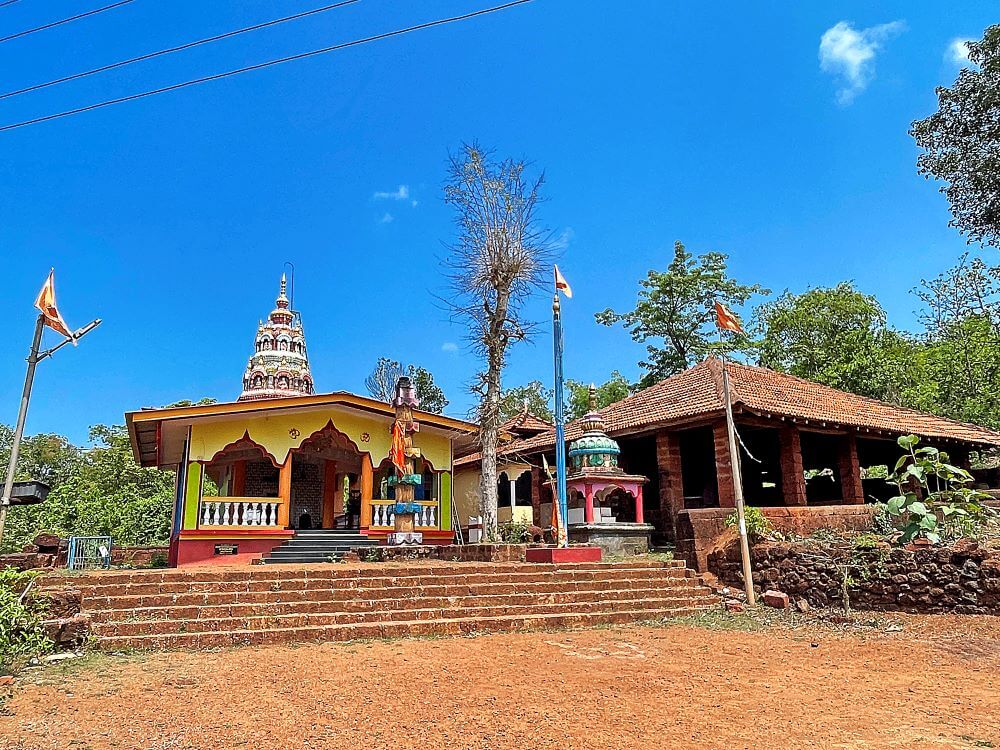
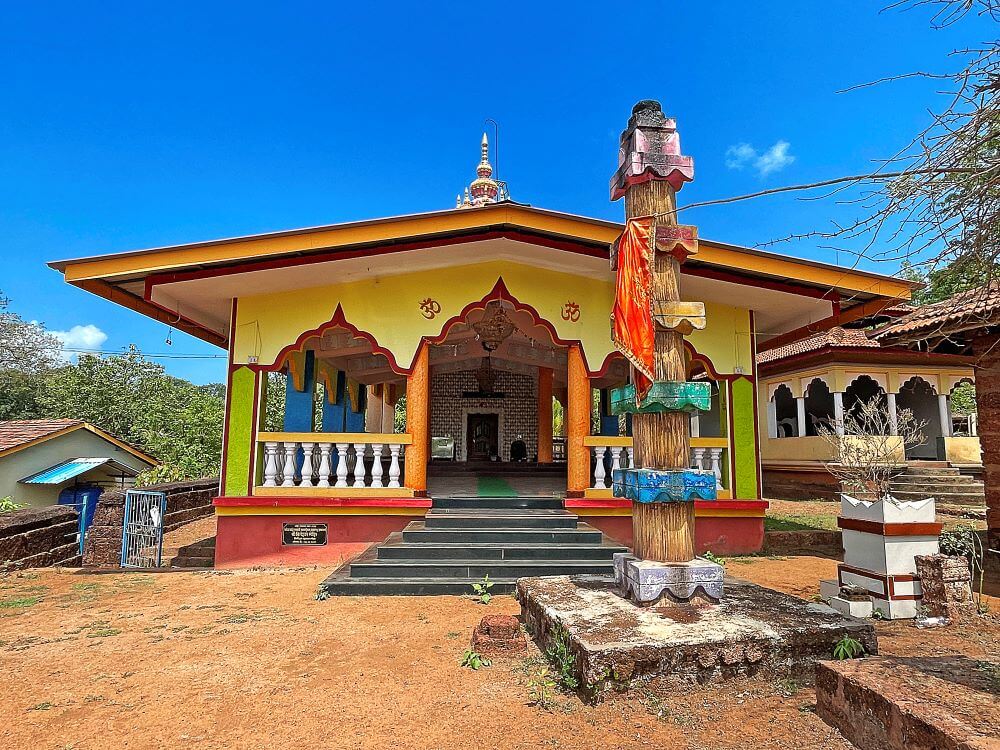
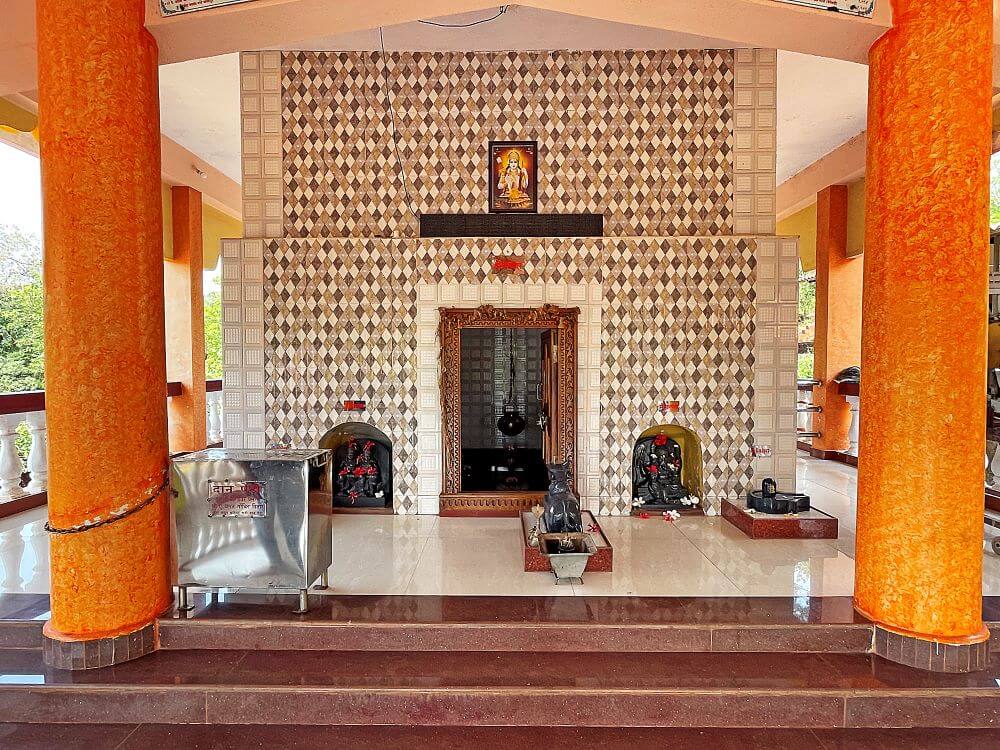
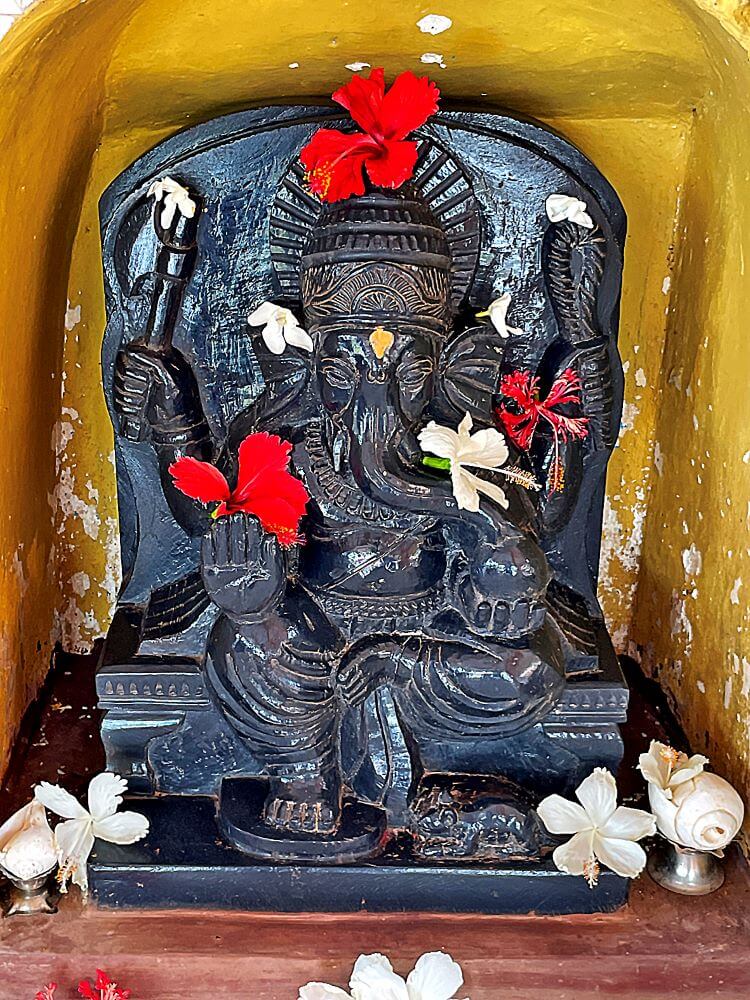
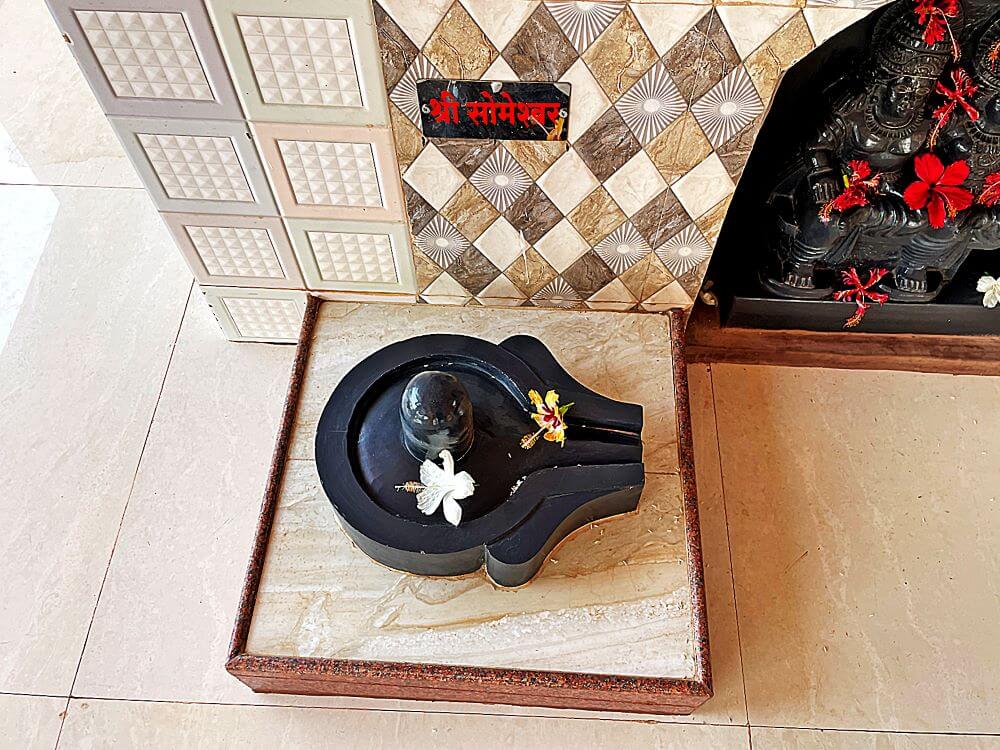
While traveling from Dapoli to Kolbandre village via Sadvaye, the Digeshwar Mahadev Temple is situated on the left side of the road. Located next to the Zilla Parishad Primary School, the temple features a spacious courtyard in front. From this courtyard, six steps lead up to the temple entrance. In front of the main temple entrance stands a Deepmal (lamp tower) and a flag pole (Dhwajastambha) as tall as the temple itself. The temple is built on a plinth about two to two and a half feet high. The architectural layout of the temple consists of a Sabhamandap (assembly hall), Antarala (antechamber), and Garbhagriha (sanctum sanctorum). The temple attained its present form after renovation in 2015. Climbing five to six steps near the Deepmal, one enters the Sabhamandap through an arched entrance. The Sabhamandap here is of the Ardhamandap style, with raised seating arrangements (Kakshasans) along the sides for devotees. Within this hall, leaving space for the circumambulation path (Pradakshina Marga), are the Antarala and Garbhagriha. The Antarala is slightly elevated, featuring an idol of Nandi carved from a single stone placed on a pedestal facing the entrance of the sanctum sanctorum. On the right side of the sanctum’s doorframe is an idol of Laxminarayan, and in the niche on the left is an idol of Lord Ganesha. Opposite the Ganesha idol is a small Shivling. It is said that since only the Guravs (hereditary priests) are permitted inside the main sanctum of Lord Digeshwar, this small Shivling has been placed here for visiting devotees to perform rituals and Abhisheka. Exquisite wood carvings adorn the doorframe. Inside the sanctum sanctorum is a monolithic Shivling, over which a five-hooded Sheshnag spreads its canopy. The spire (Shikhara) above the sanctum is unique, decorated with intricate carvings of various deities and miniature Kalashas.
In the two other temples adjacent to this main temple, there are idols of Lord Ganesha, Nandi, Goddess Chandika, Goddess Koteshwari, Goddess Zolai, Goddess Kalkai, Goddess Bhairi Bhavani, Goddess Waghjai, and Goddess Manai. Along with the grand festival of Mahashivratri dedicated to Lord Digeshwar, various festivals of these deities are also celebrated here. The festival of Mahashivratri is celebrated here over three days. On this auspicious occasion, milk Abhisheka is offered to Lord Digeshwar. Devotional programs like Bhajans and Kirtans take place throughout the day. During Navratri, festivals of Goddess Chandika, Goddess Koteshwari, Goddess Zolai, Goddess Kalkai, Goddess Bhairi Bhavani, Goddess Waghjai, and Goddess Manai are celebrated. During these festival days, all the deities here are adorned with silver armor (Rupe).
Holi is celebrated here for five days. During this time, the palanquin (Palkhi) of the deity is placed on the sacred platform (Sahana). On the fifth day, the Palkhi returns to the temple. On this occasion, numerous devotees from the surrounding region arrive to offer sacred offerings (Oti) and fulfill vows (Navas). Every three years during Adhik Maas (intercalary month), a ceremonial reunion of the palanquin of Goddess Koteshwari of Kolbandre and that of Goddess Koteshwari of Sadavali takes place at the river in Kolbandre. Thousands of devotees gather to witness this sacred meeting of the sister goddesses. All the festivals here are joyously celebrated by the villagers belonging to the twelve hamlets (Wadis) of Kolbandre.
This sacred temple stands as a testament to deep spiritual devotion, ancient architectural grandeur, and rich local cultural traditions.
The sanctum sanctorum houses the divine idol consecrated according to ancient Vedic traditions, surrounded by serene courtyards and traditional temple architecture.

Navratri, Maha Shivratri, Annual Temple Jatra & Deepotsav
Compare and book flights, secure top-rated local hotels near the temple, hire reliable guides, and rent cars instantly.
Extend your pilgrimage by visiting other highly sacred temples located nearby.


Add ₹999 more to unlock FREE SHIPPING!
Your sacred cart is currently empty.
Shop Photo FramesFill in your delivery details below to place your order.
Add comment