
Add ₹999 more to unlock FREE SHIPPING!
Your sacred cart is currently empty.
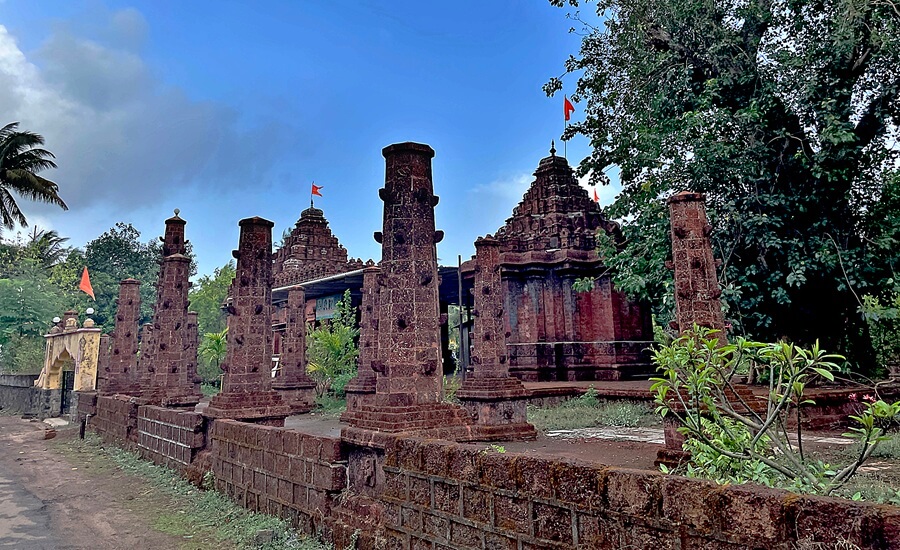
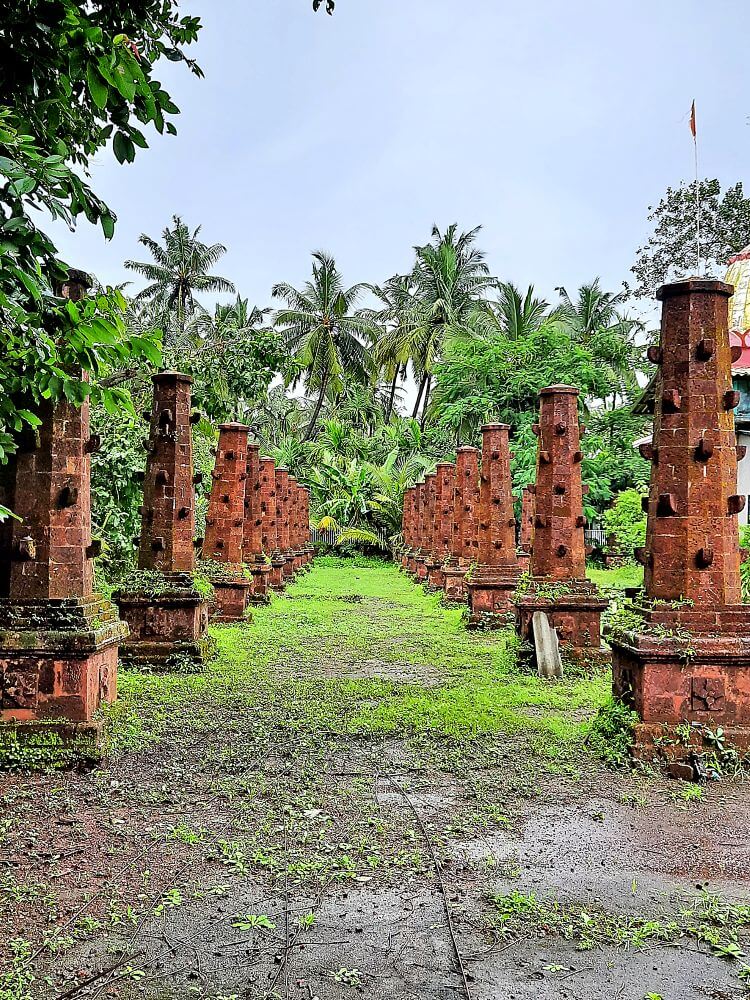
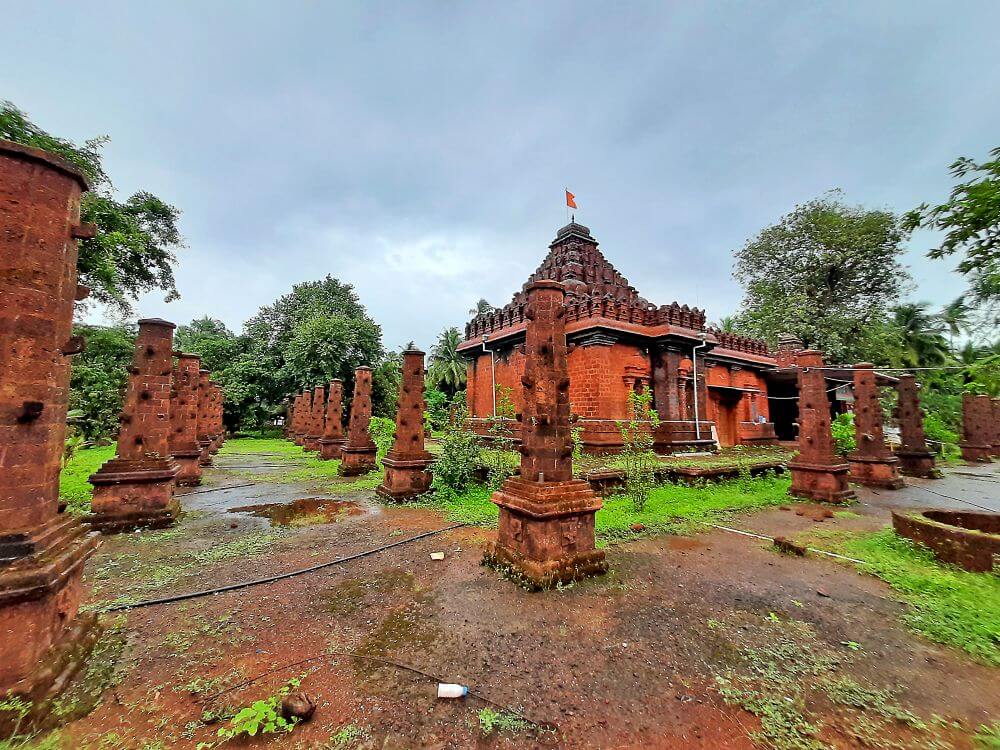
Shop Photo FramesDiveagar is blessed with a pristine, silvery-sanded beach stretching for about five kilometers. The village has gained a unique identity due to the Suvarna Ganesh (Golden Ganesh) here. There are many temples in this village that date back seven hundred to eight hundred years. Among them, the Uttarareshwar Temple is famous for the deepmalas (lamp towers) in its courtyard. There are not just one or two, but as many as ५७ large and ancient deepmalas in the temple premises. The beauty of this temple is enhanced by these towering lamp pillars constructed from the laterite stone typical of the Konkan region.
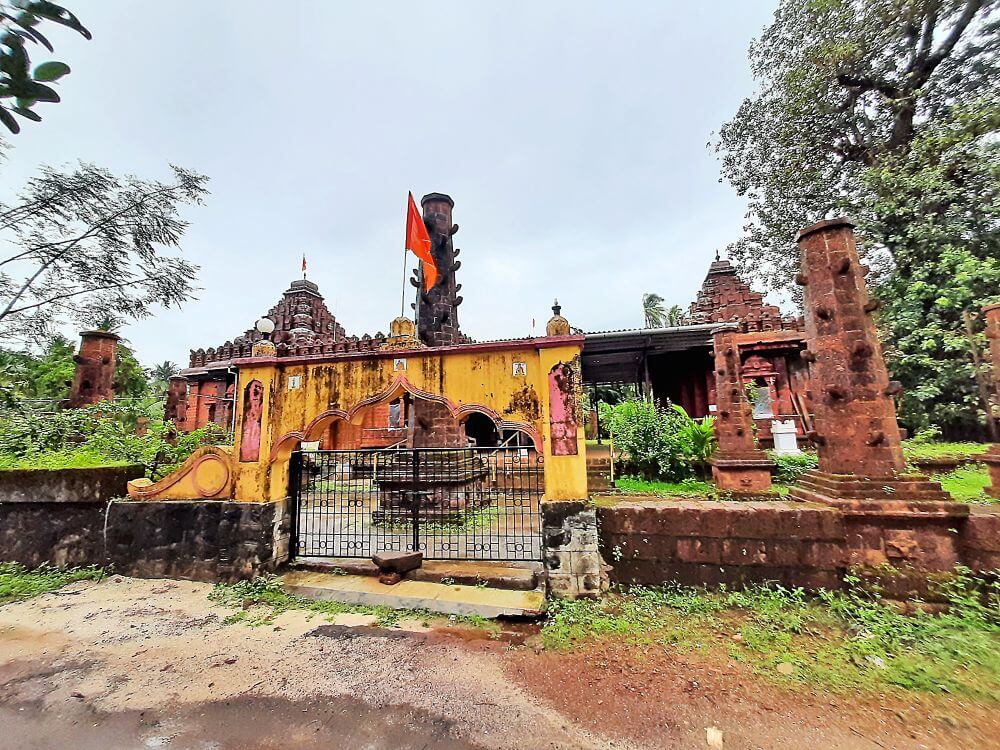
Dedicated to Lord Shiva, this temple is called the Uttarareshwar Temple because it is situated at the northern end of Diveagar village. In ancient times, this temple was known as a Deep-Mandir (Temple of Lamps). It is said that in the past, there was no need to light a lamp here; as evening fell, a lamp would light up automatically in the temple, and as morning dawned, it would extinguish on its own. It is for this reason that the village came to be known as Diveagar. The construction of the Uttarareshwar Temple is made of laterite stone. The fortified temple courtyard features deepmalas on all four sides. There are a total of ५७ deepmalas in this courtyard, including the main one near the entrance and ५६ others, all crafted from red laterite stone. These deepmalas consist of a high square base at the bottom with a stone pillar that tapers slightly towards the top, featuring stone brackets to hold lamps.
According to temple architecture experts, the deepmala is a distinct Marathi or Maharashtrian sculptural form. Before deepmalas came into existence, lamps were lit at high points within the temple courtyard. The tradition of erecting lamp pillars outside Shiva temples existed in ancient temples of the South. The Samai (traditional brass lamp) is considered the precursor to the deepmala. These lamps could be as tall as ten to twelve feet and were called Deeplakshmi. In Maharashtra, the practice of erecting deepmalas in front of temples began after the Yadava period. Some scholars believe that the sculptural form of the Deepstambh or deepmala was influenced by minaret architecture. There is a religious belief that witnessing the lamps lit in these deepmalas brings spiritual merit. In the ४४th chapter of ‘Gurucharitra’ by Saraswati Gangadhar, it is stated: “Furthermore, another merit was earned; lamps were lit in the deepmala, which I saw with my own eyes.” According to the scriptures, once a temple is built, no changes can be made to it. Therefore, if devotees wished to contribute to the temple, they would erect a deepmala. One purpose of these deepmalas was to provide lighting by placing many lamps in the temple courtyard.
It is said that the Uttarareshwar Temple in Diveagar was originally roofed with tiles and was the traditional place of worship for the Peshwa family. Records indicate that during the illness of Shrimant Madhavrao Peshwa in the year १७७२, his wife, Ramabai Peshwa, visited this temple. The Uttarareshwar deity was included among the deities to whom offerings were made daily by the Peshwa family. After the installation of the Suvarna Ganesh in Diveagar, the restoration and renovation of three temples in the village, including the Suvarna Ganesh Temple, were carried out using funds provided by the government. This temple is one of them.
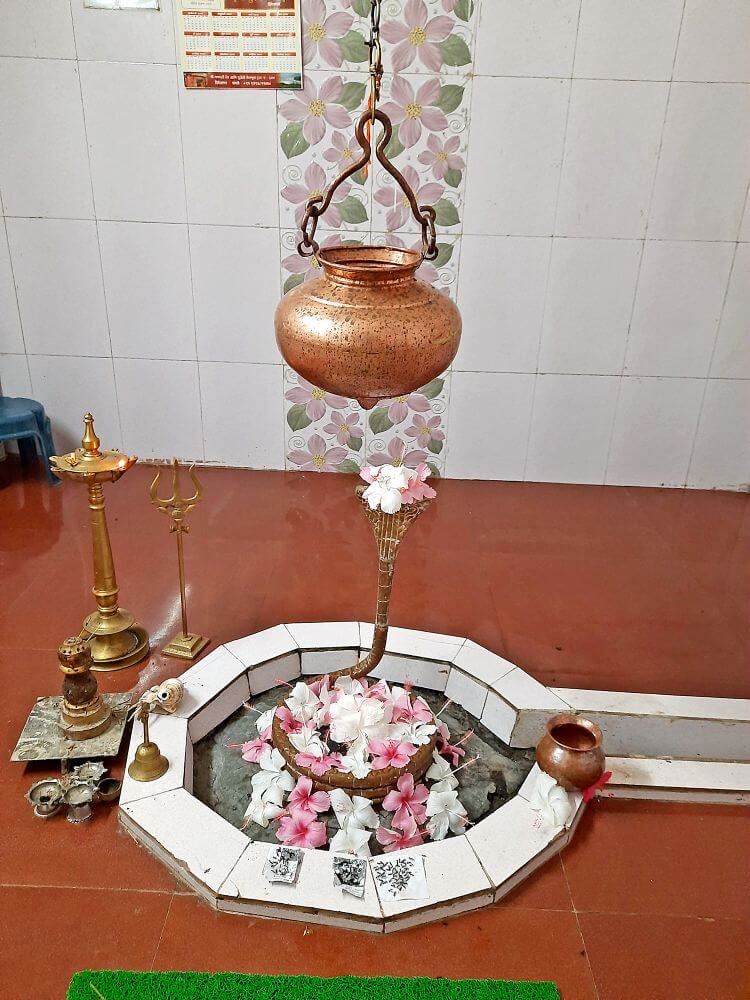
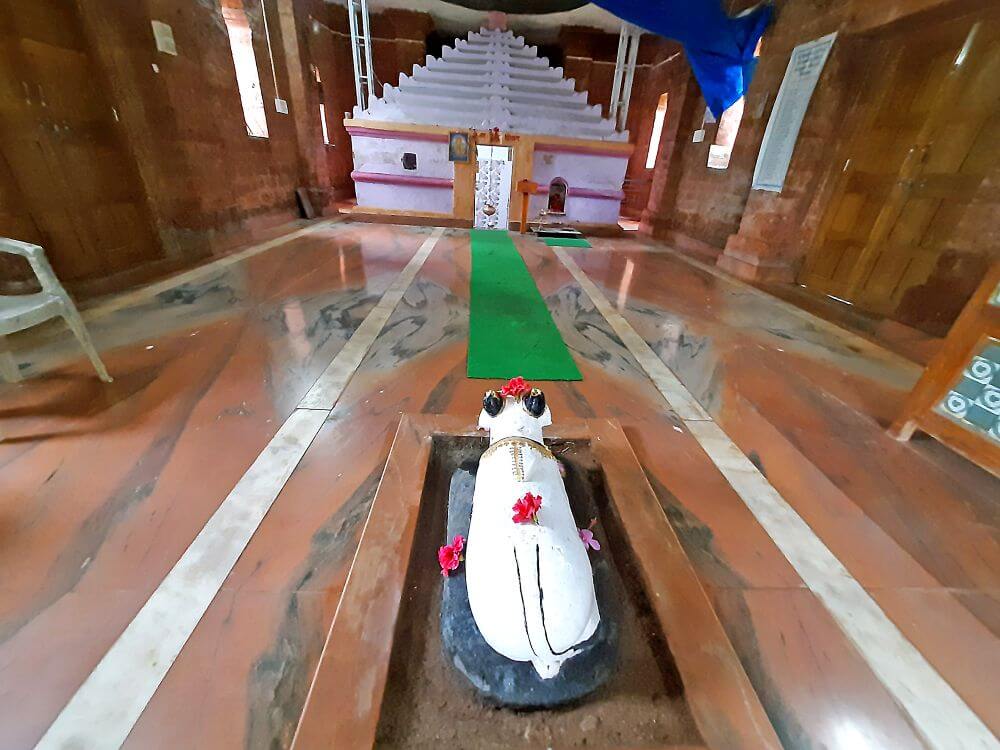
The temple stands on a high platform (jagati). The structure consists of an open assembly hall (sabhamandap), a main assembly hall, and the sanctum sanctorum (garbhagriha) preceded by a circumambulatory path. One enters the main assembly hall through the open hall. This main hall is enclosed, and a statue of Nandi is placed in its center. The garbhagriha here is the original ancient temple; it is said that the surrounding structures were added during periodic renovations. There is an image of Lord Ganesh on the lintel of the entrance to the garbhagriha. This sanctum is built in the Bhumija architectural style, also known as Hemadpanti. In the center of this garbhagriha, which is slightly below ground level, is the self-manifested (swayambhu) linga of Uttarareshwar.
Upon exiting this temple, one finds the Hanuman temple directly in front. In the center of this temple, there is a standing idol of Hanuman on a vajrapitha. Adjacent to the Uttarareshwar and Maruti temples is the Kalbhairav temple, which is said to be as ancient as the Uttarareshwar temple. The main idols of Kalbhairav and Jogeshwari Devi are in the center of the temple. Additionally, there are idols of Bhavani Devi and Kshetrapal. This Kalbhairav shrine is considered an important place of worship in the surrounding five-village area (panchkroshi). Some ancient sculptures can be seen behind the Kalbhairav temple.
Mahashivratri is the main festival celebrated here, during which many devotees from the surrounding area come for darshan. Apart from this, Ram Navami, Hanuman Jayanti, Navratri Utsav, and Shri Krishna Janmotsav are also celebrated with great enthusiasm. Devotees can have darshan of Uttarareshwar daily from ६:१५ AM to ९:१५ PM.
This sacred temple stands as a testament to deep spiritual devotion, ancient architectural grandeur, and rich local cultural traditions.
The sanctum sanctorum houses the divine idol consecrated according to ancient Vedic traditions, surrounded by serene courtyards and traditional temple architecture.
Navratri, Maha Shivratri, Annual Temple Jatra & Deepotsav
Compare and book flights, secure top-rated local hotels near the temple, hire reliable guides, and rent cars instantly.
Extend your pilgrimage by visiting other highly sacred temples located nearby.


Add ₹999 more to unlock FREE SHIPPING!
Your sacred cart is currently empty.
Shop Photo FramesFill in your delivery details below to place your order.
Add comment