
Add ₹999 more to unlock FREE SHIPPING!
Your sacred cart is currently empty.
Shop Photo Frames
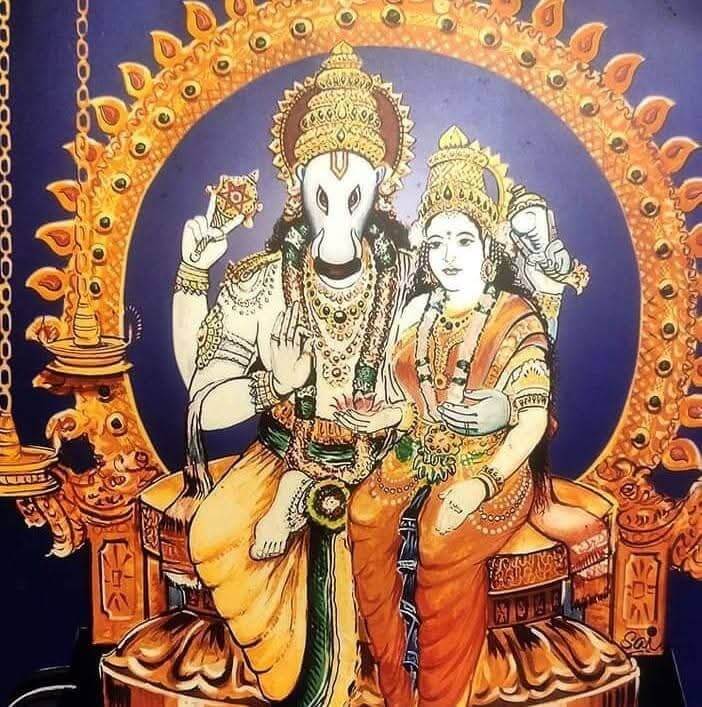
Situated in Thiruvananthapuram city, south-west of the Sree Padmanabhaswamy Temple, the ancient Vaishnava temple known as Sree Varaham Lakshmi Varaha Moorthy Temple is an important place of worship. The temple enshrines Lord Varaha, the third incarnation of Lord Vishnu, along with Goddess Mahalakshmi as the main deities. It is one of the rare temples in Kerala where Lord Varaha is the principal deity. A large sacred temple pond, known as Sree Varaham Theerthakulam, is located near the temple and is one of its main features. The temple is also known for its ancient traditions and spiritual significance. Within the complex, there are sub-shrines dedicated to Lord Ganesha, Lord Ayyappa, Lord Krishna and the Naga deities. It is widely regarded as a holy place that offers blessings of prosperity, peace and well-being to devotees.
Historically, the Sree Varaham Lakshmi Varaha Moorthy Temple is believed to have been established between the 8th and 10th centuries, in connection with the construction period of the Sree Padmanabhaswamy Temple. In its early period, the temple was under the rule of the Venad kings and later received strong support and protection from the rulers of Travancore in the 18th century. During the invasion of Tipu Sultan’s army, the temple is said to have suffered damage, after which the Travancore rulers rebuilt the damaged parts and restored its former glory. Closely linked with the Travancore royal family, the temple is now administered under the Travancore Devaswom Board.
The Varaha Theerthakulam in front of the temple served as an important bathing place for Namboodiris and Brahmins who arrived from different parts of Kerala to participate in the Murajapam ritual conducted once every six years by the rulers of Travancore. In addition, a traditional water system existed in which water from the Karamana River was channelled through canals into the Padmatheerthakulam and then flowed into the Varaha Theerthakulam. This system is considered a fine example of the advanced urban planning and water management practices of that period.
According to local legend, there once existed a Gandharva named ‘Shoolapalan’, who, due to a curse from Goddess Saraswati, was born on earth in the form of a wild boar (Varaha). It is believed that, in search of redemption from this curse, he performed intense penance in the Thiruvananthapuram region in his Varaha form. Pleased by his devotion, Lord Vishnu appeared along with Goddess Mahalakshmi and granted him liberation from the curse. It is said that the temple was later built at this sacred spot where the Lord appeared in his divine form and the idol was consecrated in the same form, with Mahalakshmi seated on his lap. Another belief connected to the temple is that the water droplets that fell from Lord Varaha’s body while he lifted the Earth from the netherworld formed the sacred Varaha Theertham tank, spread across nearly eight acres. Devotees also believe that the water in this tank has divine power and that bathing in it cleanses sins.
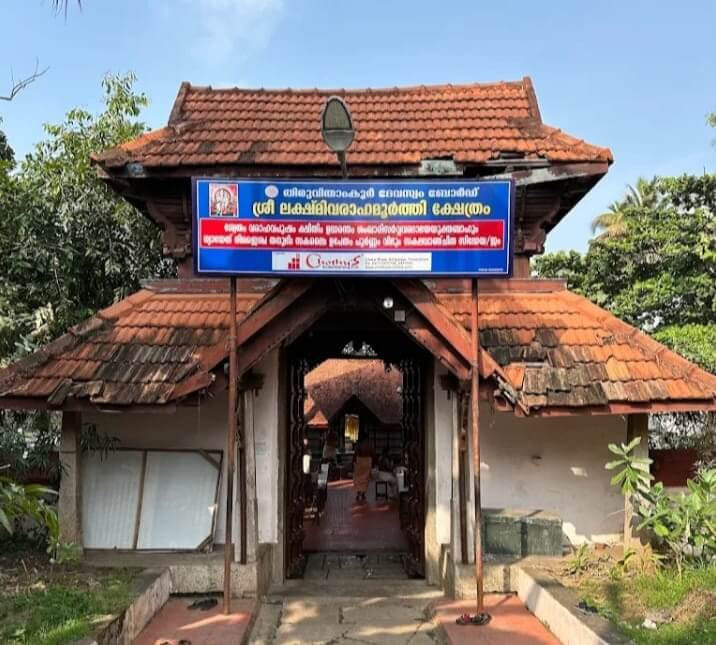
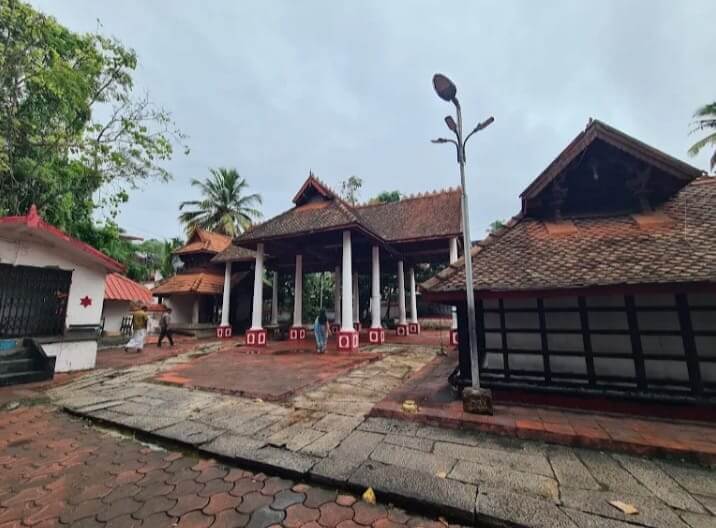
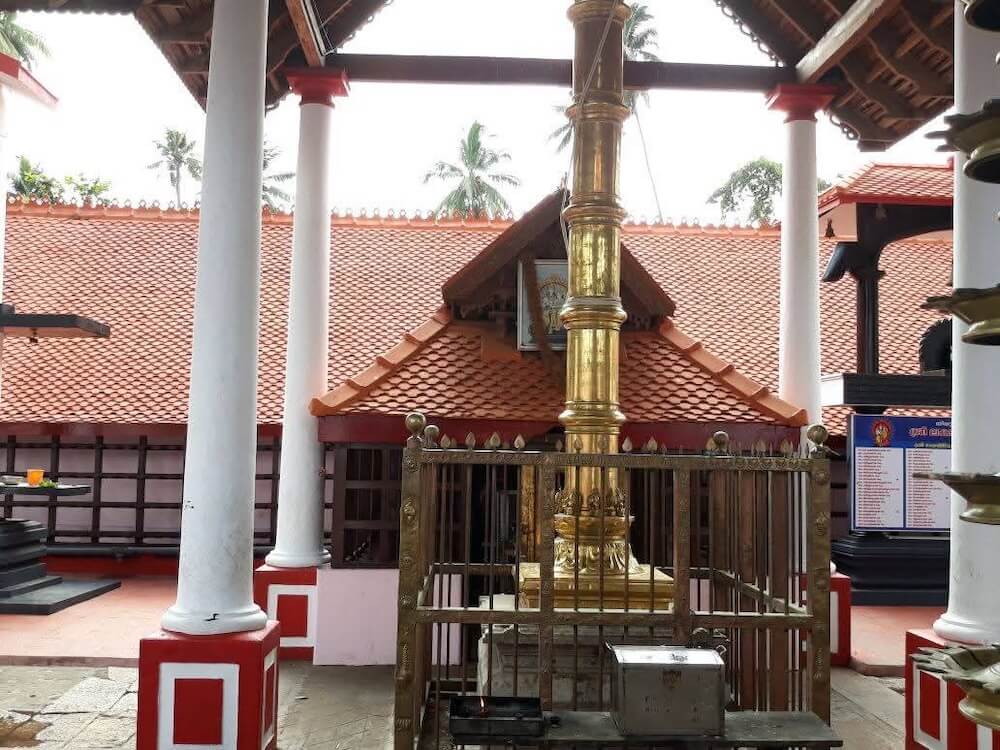
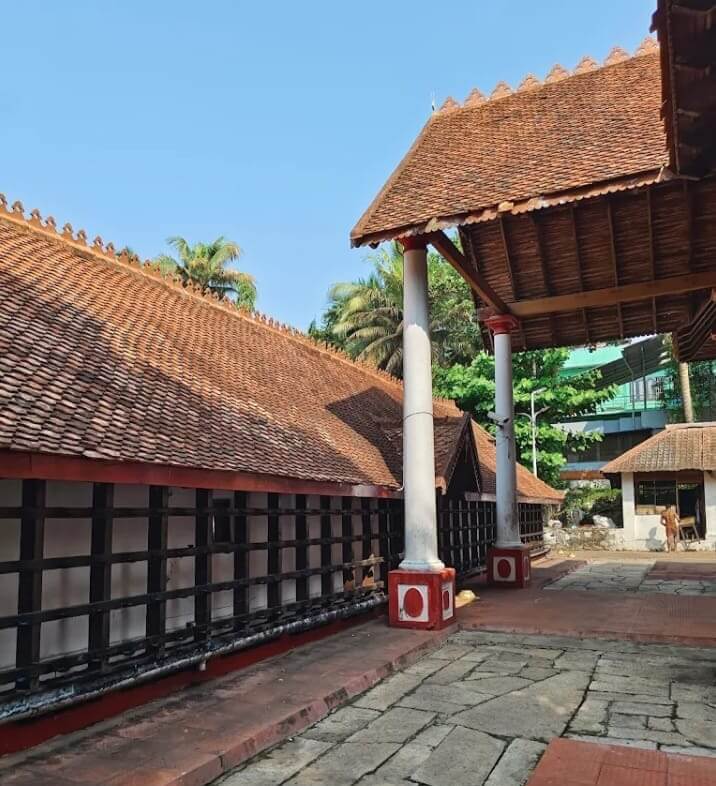
Upon entering the temple, the first sight that greets devotees is the vast sacred temple pond known as Varaha Theertham. Near its banks stands the traditional entrance gateway, a wooden structure with a tiled roof in the old architectural style. As one steps inside, a large elephant platform (aanappanthal) and a tall golden flagstaff at its centre come into view. The temple complex is surrounded by a beautifully carved enclosure built in wood and tiled roofing, with rows of lamp mounts fixed on its outer walls. Through the main entrance, one first reaches the Balikkalpura, where the sacred stone altar is placed, followed by the Namaskara Mandapam with its square wooden pillars facing the sanctum. Inside the sanctum, facing west, is the serene and divine idol of Lord Varaha with four arms, seated with Goddess Mahalakshmi on his left lap. The temple is also noted for its rare circular sanctum (vattasreekovil), one of its key architectural features, with a copper-clad roof topped by a shining golden finial. The roof of the Namaskara Mandapam and parts of the sanctum feature exquisite wooden carvings depicting mythological stories, while the floors and main walls are constructed from finely dressed granite stone.
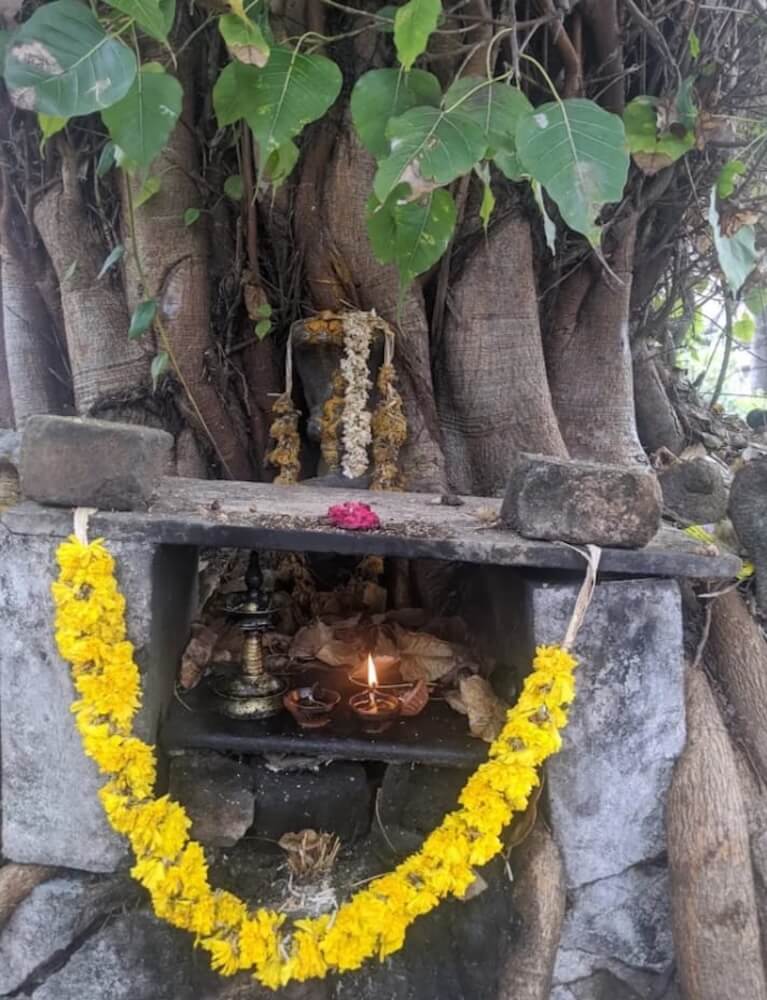
Within the circumambulatory structure (chuttambalam), there are several other shrines. In the south-western corner of the main sanctum (Kanni Moola), Lord Ganesha is installed facing east and he is regarded as one of the most important other deities in traditional Kerala temple practice. On the northern side of the chuttambalam (northern nalambalam), there is a shrine of Lord Krishna in the form of Kaliya Mardana, also facing east. In addition, on the southern side within the temple enclosure, Lord Ayyappa is enshrined in a separate sanctum, again facing east. In the north-western corner (Vayu corner), there is a sacred grove-like area with Naga deities. Near the Naga shrine, the deity of Yakshiyamma is also installed, which is another distinctive feature of this temple.
The main annual festival of this temple is celebrated in the Malayalam month of Meenam (March–April). A notable feature is that the Kodiyettu (flag hoisting) for the festival begins simultaneously with the Ponkuni Brahmotsavam at the Sree Padmanabhaswamy Temple. On the final day of the festival, the idol of Sree Varaha Moorthy is taken in a ceremonial procession to Shankumugham beach for the Arattu ritual. Following the Meenam Arattu, Varaha Jayanthi is also celebrated with great devotion and elaborate rituals. During the month of Chingam, as part of Onam celebrations, boat races are sometimes organised in the Varaha Theertham temple pond. Vishu is marked with Vishukkani darshan, while Ashtami Rohini is observed with special pujas dedicated to Lord Krishna. Fridays are considered especially important for Goddess Mahalakshmi and special offerings and rituals are performed on these days.
At Sree Varaha Moorthy Temple, the offerings made by devotees hold special spiritual significance. Among them, Bhusooktha Pushpabhishekam is considered highly important, as Lord Varaha is believed to have rescued Goddess Bhudevi and this ritual is thought to remove obstacles related to land and support the progress of house construction. For the blessings of the Lord, Laksharchana and Chandanabhishekam are performed as key sacred offerings. Milk payasam is offered as the main naivedyam to Lord Varaha, who is regarded as a form of Lord Vishnu. Due to the presence of Goddess Mahalakshmi, Bhagya Sooktha Pushpabhishekam is also performed for prosperity, removal of poverty and success in business. Among other deities, Lord Ganesha is worshipped with offerings such as Appam Moodal, Ottayappam and Ganapathi Homam for the removal of obstacles; Lord Krishna is offered venna naivedyam and milk payasam for educational success and relief from doshas; Lord Ayyappa is propitiated with neeraanjanam on Saturdays for relief from Saturn-related doshas; and Naga deities are worshipped with Noorum Paal and Ayilyam Pooja for relief from Sarpa dosha.
The daily pooja schedule of the temple begins at 05:00 AM with the opening of the sanctum and Nirmalya darshan. This is followed by Abhishekam at 06:00 AM and Ushappeedam along with Deeparadhana at 06:15 AM. Ushapooja is performed at 07:00 AM, and the Uchapooja with main offerings takes place at 10:30 AM. The temple then closes at 11:00 AM, with slight variations on special days. In the evening, the temple reopens at 05:00 PM, followed by Deeparadhana and evening lamp worship at 06:45 PM. The Athazhapooja is conducted at 08:00 PM, after which the temple closes at 08:30 PM. Thursdays and Fridays are considered especially important due to the Lakshmi Varaha concept, resulting in higher devotee turnout. In addition, daily Lakshmi Narayana poojas are performed for the blessings of both the Lord and Goddess.
This sacred temple stands as a testament to deep spiritual devotion, ancient architectural grandeur, and rich local cultural traditions.
The sanctum sanctorum houses the divine idol consecrated according to ancient Vedic traditions, surrounded by serene courtyards and traditional temple architecture.
Navratri, Maha Shivratri, Annual Temple Jatra & Deepotsav
Compare and book flights, secure top-rated local hotels near the temple, hire reliable guides, and rent cars instantly.
Extend your pilgrimage by visiting other highly sacred temples located nearby.


Add ₹999 more to unlock FREE SHIPPING!
Your sacred cart is currently empty.
Shop Photo FramesFill in your delivery details below to place your order.
Add comment