
Add ₹999 more to unlock FREE SHIPPING!
Your sacred cart is currently empty.
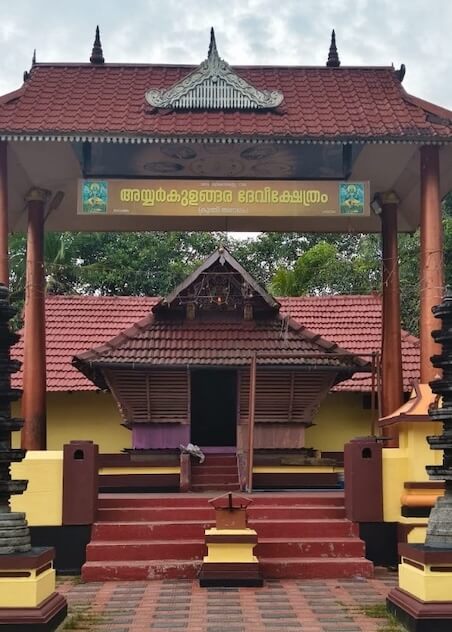
Shop Photo FramesAiyerkulangara Devi Temple, also known as Kunti Temple, is one of the ancient and faith-rich Devi temples located in the Vaikom region of Kottayam district. It is situated near the Vaikom Mahadeva Temple. The main deity of this temple is Goddess Durga, and she is worshipped here as the embodiment of divine energy (Shakti) with deep devotion.
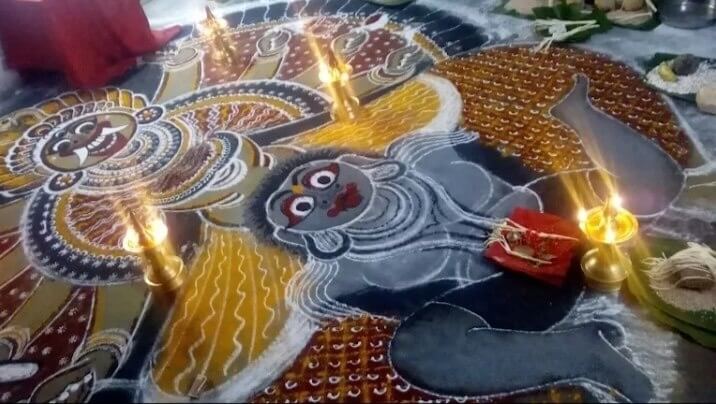
It is believed that Kunti Devi, the mother of the Pandavas, installed the deity here. Since the temple is associated with Kunti Devi, it is also known by the name “Kunti Temple.” Because of this belief, the temple is connected with legends from the Mahabharata period. Devotees visit the temple seeking family well-being, relief from diseases, blessings for children, and removal of doshas. The main special ritual of this temple is Theeyattu. Ayyarukulangara Devi Temple is one of the rare temples in Kerala where Theeyattu is performed. This ritual, which includes kalamezhuthu (ritual drawing), Bhadrakali songs, and deepa aradhana, is performed to please the Goddess. Major festivals such as Navaratri, Pongala, Kumbha Bharani, and Thalappoli are celebrated here with great devotion and participation. During festival times, the temple is beautifully decorated with lamps, traditional percussion (chenda melam), and it has a deeply spiritual atmosphere.
Ayyarukulangara Devi Temple does not have a clearly documented establishment year. However, it is widely believed to have evolved from the ancient tradition of village goddess worship that existed in the Vaikom region of Kottayam. The worship of the Goddess, which initially existed in a very simple form, gradually developed into a structured temple through the devotion and collective efforts of local people.
The temple is under the ownership of Perumpalliyazhathu Mana. This ancient family has close historical connections with Udayanapuram Subramanya Temple and Vaikom Mahadeva Temple. There is a traditional practice where the authorities of these temples inform Perumpalliyazhathu Mana during the Kodiyeettu (flag hoisting) ceremony. Although the family has dispersed to different places over time due to changes in lifestyle and livelihood, the ceremonial notification system is still faithfully followed, and many devotees participate in this ritual.
According to belief, during the exile period, the Pandavas stayed here with Kunti Devi. Kunti Devi installed the deity so that the Goddess Durga could be worshipped daily by her sons. After the morning rituals, the Pandavas would continue their daily activities. Since the temple is believed to have been established by Kunti Devi, it came to be known as Kunti Temple. The Goddess, full of compassion, continues to bless her devotees. Since there was no river, lake, or pond nearby for Kunti Devi’s ritual bathing, the Pandavas are believed to have taken five handfuls of soil each from the land. When combined, the pit formed by them became a large pond. Since it was created by the five brothers together, it was called “Aivar Kulam.” Over time, due to linguistic evolution, the name transformed into Ayyarukulangara.
During their stay, the Pandavas are also believed to have planted five banyan trees in this area. These trees provided shade to devotees for a long time. Due to neglect and natural conditions, four of them were lost, but one banyan tree still remains today as a living witness of history. From outside, the temple typically appears calm and traditionally styled in Kerala architecture. The first things visible are the nalambalam and the entrance gate (gopuram). The structure features tiled roofs, wooden and stone elements, and a heritage Kerala temple style. The surroundings are peaceful with trees, creating an immediate spiritual atmosphere. Lamps, lamp posts, and flags tied by devotees during offerings can be seen at the entrance.
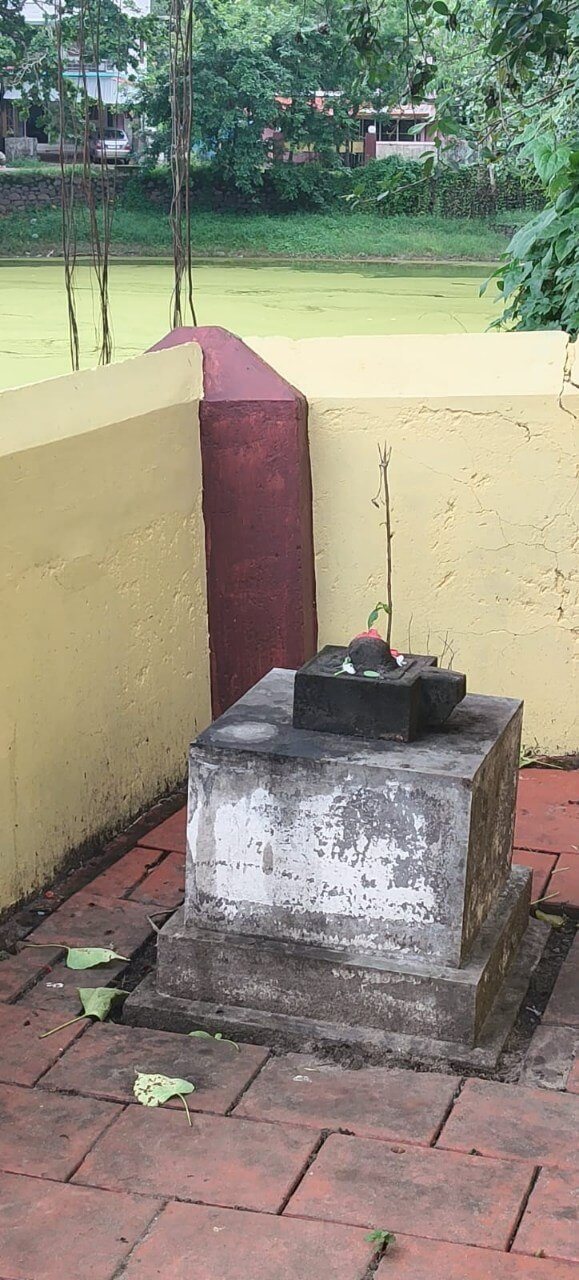
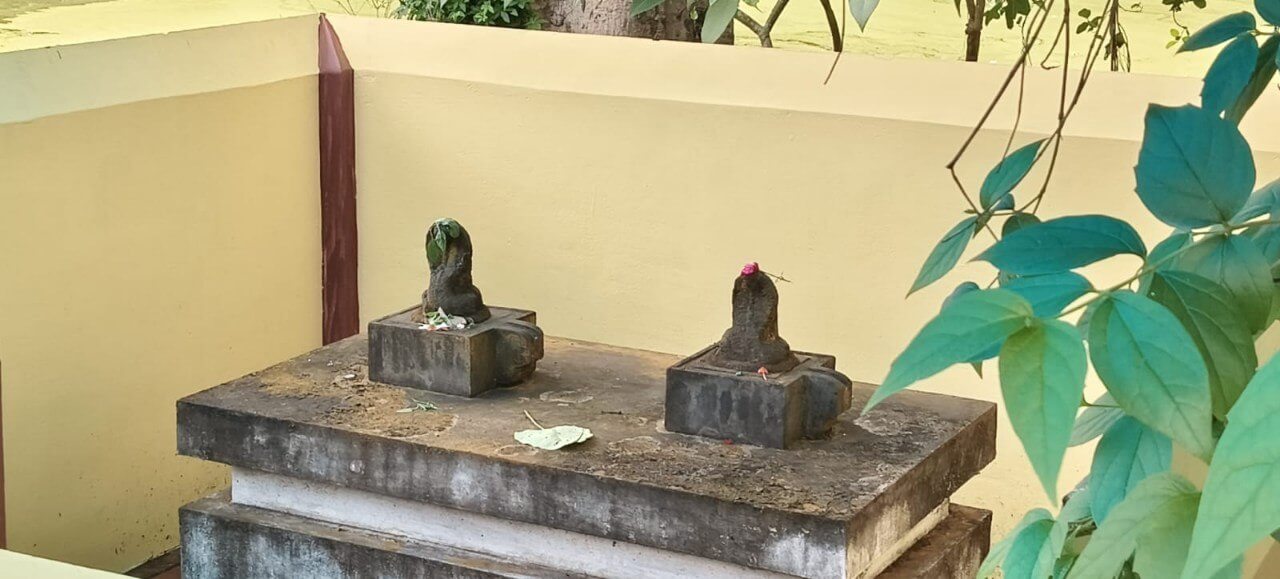
Upon entering through the gopuram, one experiences a simple and serene temple atmosphere. Unlike large temples, there is no extensive courtyard or nalambalam structure; instead, the layout allows direct darshan of the sanctum. A small pathway and surrounding sacred grove like trees form the main visual elements. The Devi Sreekovil stands at the centre with a traditional tiled roof. In front of it, a small space is provided for devotees to pray and offer respects. The deity inside the sanctum is usually worshipped in a simple and powerful form of divine femininity. There are no elaborate sculptural depictions or heavily decorated idol forms; instead, the Goddess is worshipped in a traditional and simple Bhagavathy form. This simplicity itself is the temple’s main attraction, where the presence of the Goddess is deeply felt without grand decorations. Sub-deities such as Ganesha, Sastha (Ayyappan), and serpent deities (Naga devatas) are also enshrined, located within or near the main shrine area.
The major festival season of the temple is the annual festival during the Makaram–Kumbham period. Special rituals and decorated darshan of the Goddess take place during this time. Theeyattu is also performed as an important ritual. In addition, special celebrations like Kartika lighting rituals, Pongala offerings, and Navaratri observances with daily special poojas, Chandika homam, and Devi stotras are conducted. Monthly rituals and traditional family-based rituals of the sacred grove also continue throughout the year. The main offerings at the temple follow traditional Bhagavathy worship practices. Devotees offer flowers, red silk cloth, garlands, and kumkum archana. Important offerings include Raktha Pushpanjali, Kumkum Archana, Pushpanjali, and other devotional rituals. Special poojas such as Niramala, oil lamps, Trikala pooja, and Chandika homam are also performed for specific wishes. Serpent worship rituals like Naga pooja and Naga Roottu are also conducted according to tradition. Overall, the offerings are simple but deeply devotional in nature.
The darshan timings of Aiyerkulangara Devi Temple generally follow the temple’s daily ritual schedule. The temple opens at 5:30 AM with Nirmalya darshan and morning rituals begin. By around 9:00 AM, the morning darshan ends and the temple closes for mid-day pooja. The temple reopens at 5:30 PM in the evening. Deepa aradhana and evening rituals are performed, and after the night pooja, the temple closes around 8:00 PM. During festival days and special occasions, these timings may vary, and darshan may be extended.
This sacred temple stands as a testament to deep spiritual devotion, ancient architectural grandeur, and rich local cultural traditions.
The sanctum sanctorum houses the divine idol consecrated according to ancient Vedic traditions, surrounded by serene courtyards and traditional temple architecture.
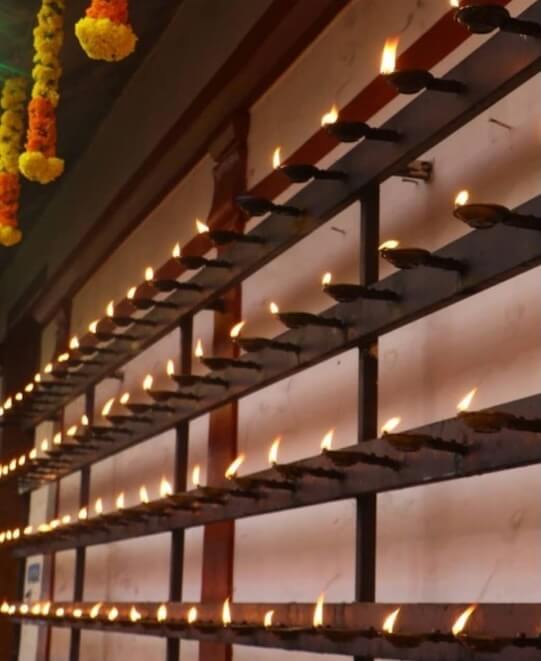
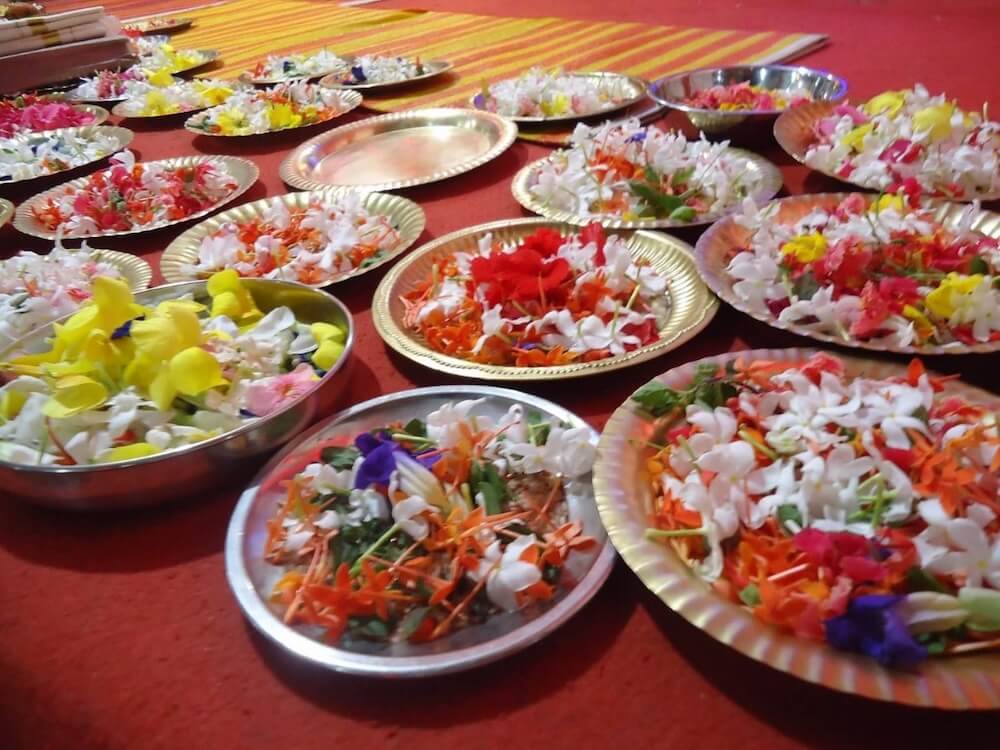
Navratri, Maha Shivratri, Annual Temple Jatra & Deepotsav
Compare and book flights, secure top-rated local hotels near the temple, hire reliable guides, and rent cars instantly.
Extend your pilgrimage by visiting other highly sacred temples located nearby.


Add ₹999 more to unlock FREE SHIPPING!
Your sacred cart is currently empty.
Shop Photo FramesFill in your delivery details below to place your order.
Add comment