
Add ₹999 more to unlock FREE SHIPPING!
Your sacred cart is currently empty.
Shop Photo FramesThe Someshwar Temple in Rajwadi, located in the Sangameshwar taluka, is renowned as the only temple in the Konkan region to feature a two-storied sanctum sanctorum. This ancient temple, built in the Hemadpanti architectural style, holds great religious and historical significance. Its notable features include intricately carved sculptures on the pillars of the assembly hall and a nearby hot water spring. Devotees believe that bathing in this spring cures skin diseases and stimulates a hearty appetite, which draws thousands of pilgrims to bathe in its waters.
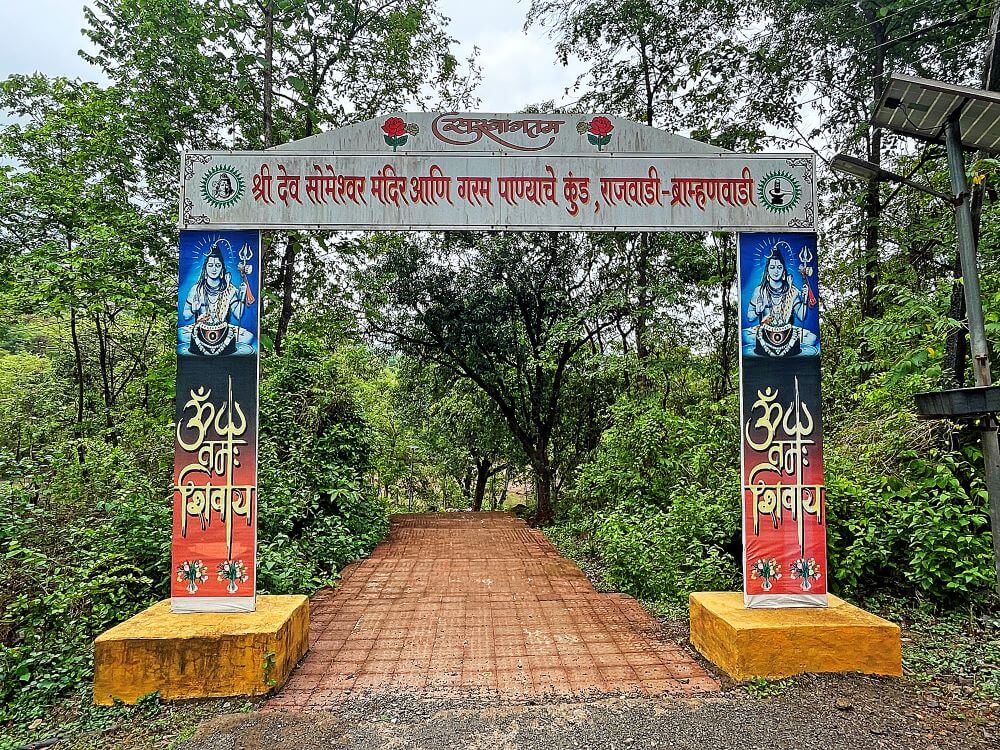
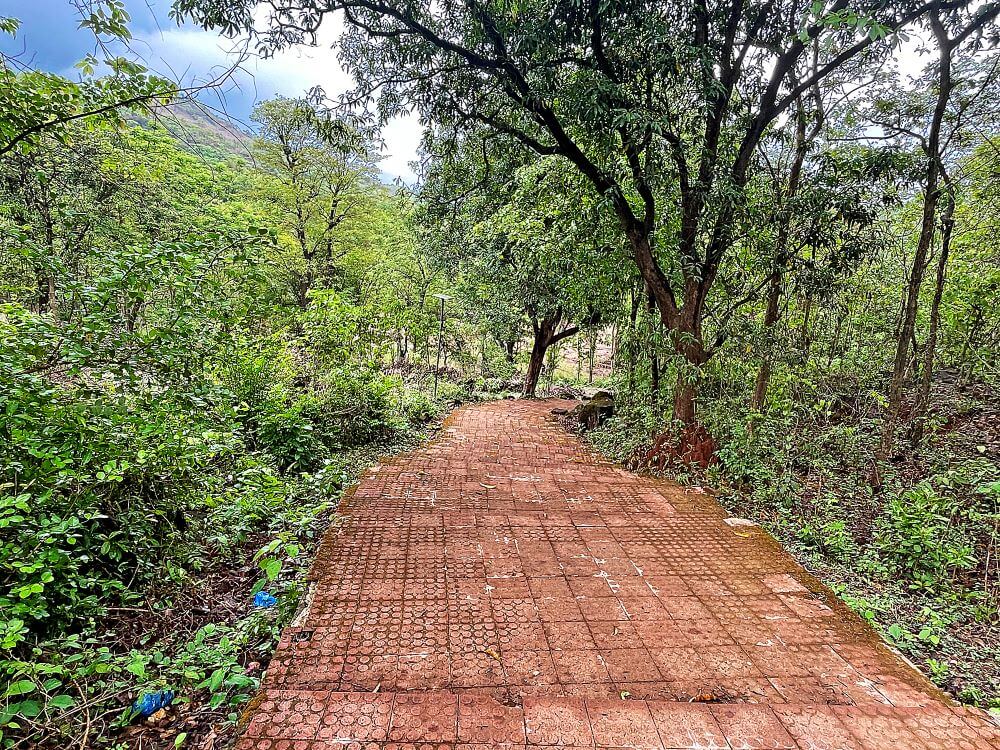
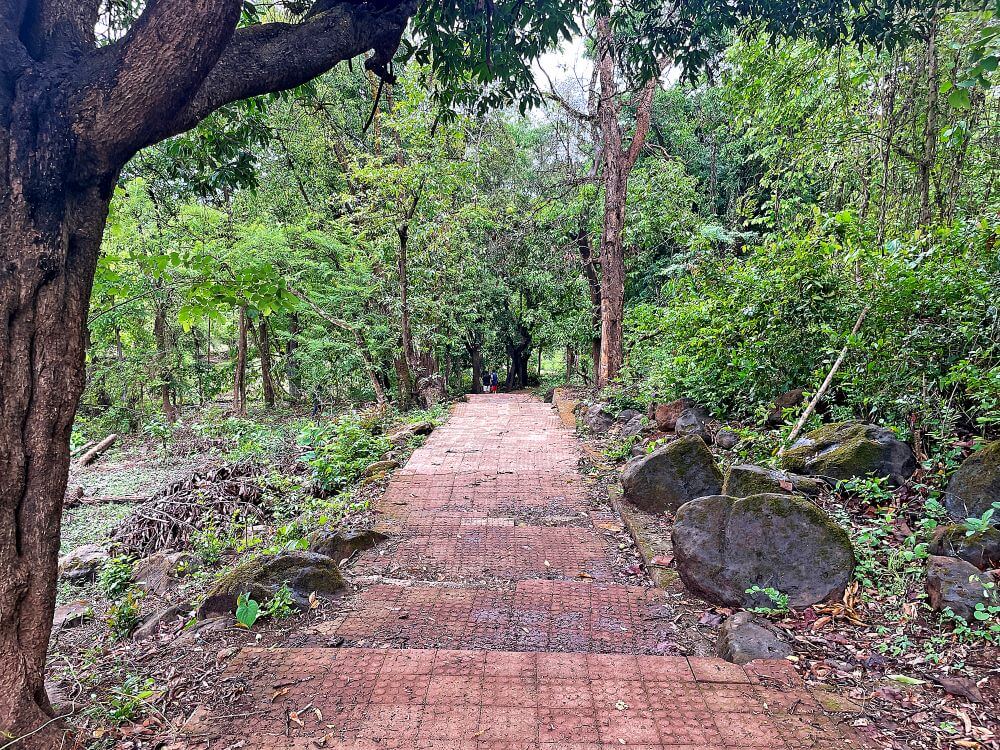
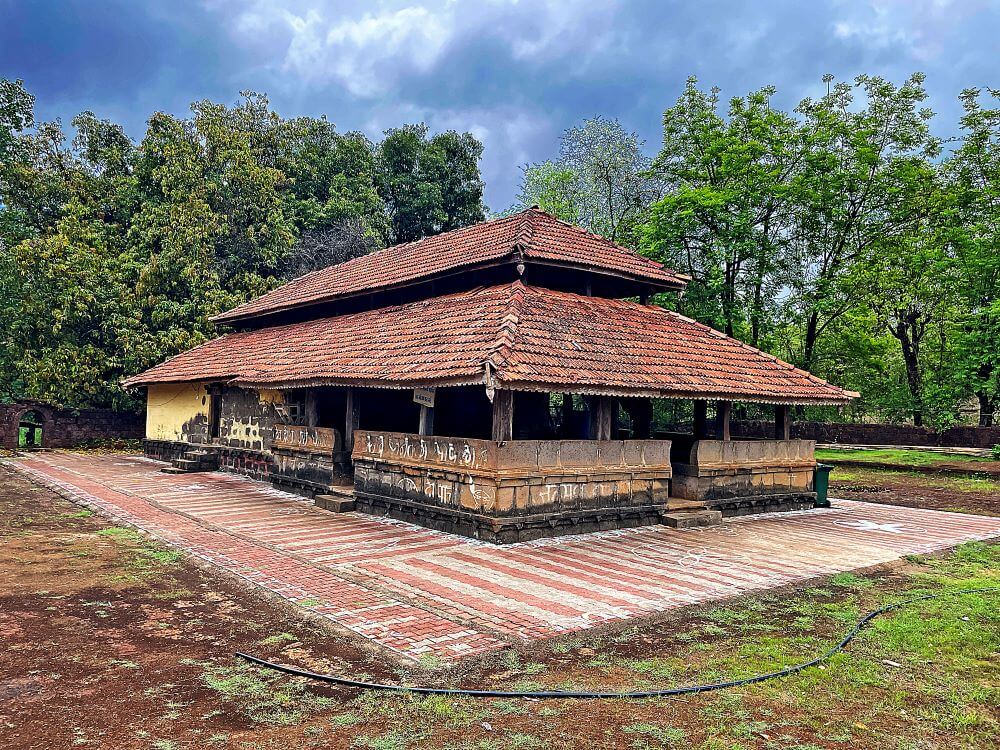
While traveling from the Mumbai-Goa highway towards Sangameshwar via Aravli, there is a road on the left leading to Rajwadi, a short distance from Tural village. From there, one can reach the Someshwar Temple located in the Brahminwadi of the village. Upon descending the steps near the temple arch, one finds a paved stone pathway. After walking a short distance along this path, a two-story, tiled-roof temple built in the traditional Konkani style comes into view. The temple is surrounded on all four sides by a fortification wall made of laterite stones. In the construction of this temple, which rests on a stone plinth, wood has been used extensively. This temple, which features a layout consisting of a Sabha Mandap (assembly hall), Antarala (vestibule), and a two-story Garbhagriha (sanctum sanctorum), dates back to the Chalukya era. The temple attained its current form after the renovation that took place in 1960.
In front of the temple stands a stone lamp pillar (Deepmala) approximately 25 feet in height. Standing on a three-foot-high pedestal, this lamp pillar is illuminated with lamps during Tripurari Purnima and other festivals. The main entrance of the temple is situated in front of the lamp pillar. The assembly hall (Sabhamandap) of the temple is of the semi-hall (Ardhamandap) type, featuring stone benches (Kakshasanas) on all three sides. Large wooden pillars stand upon these benches, and the exquisite carvings on these pillars and the massive beams above them are the specialty of this temple. On these wooden beams, sculptures depicting episodes from the Ramayana such as the abduction of Sita and the burning of Lanka, intricate floral patterns, various birds, horsemen, a man with a shield and sword fighting a tiger, and Lord Krishna playing the flute are carved. The sculpture of the Gandabherunda (a mythical bird with one body and two heads) here is the most unique and magnificent. Not a single nail has been used to join all the wood here; each piece of wood has been interlocked by creating grooves. The assembly hall of the temple is still smeared with cow dung every day.
As one proceeds from here into the Antarala (inner sanctum vestibule), a murti of Lord Ganesha is carved onto the Lalatabimba (the central decorative block) above the entrance, and horses are carved on both sides of the entrance walls. There is a certain similarity in the structure of the Antarala and the Sabha Mandapa. Here too, there are intricately carved pillars. In the Antarala, on the left side, there are murtis of Lord Shiva in various forms. Apart from this, there is a Nandi murti carved from a single stone. Behind the Nandi, a fragment from the remains of the temple’s stone masonry has been placed. Devotees offer sandalwood paste and flowers to worship this as well. Regarding this, concrete information Although it is no longer available, it is the temple’s original pinnacle. Villagers say that it fell during the Mughal invasions, but instead of being reinstalled on the temple, it was placed near the Nandi.
The sanctum sanctorum here is two-storied. By descending a few steps from the antarala, one can reach the lower sanctum where the pindi of Someshwara is situated. The construction of the sanctum is made of black stone. Here, carved stone pillars can be seen beside the Shivling, and intricate carvings are also visible on the inner side of the spire. The Shivling here is large and beautiful. In the sanctum on the second floor, there is an idol of Ganapati carved onto a large stone. There is a path to reach it from the right side of Someshwara’s sanctum. It is a legend that there is a tunnel near the window-like section in the inner chamber here. This tunnel leads to the nearby Bhavani Fort. Chhatrapati Shivaji Maharaj used to come through this tunnel from Bhavani Fort to worship Someshwara.
Grand festivals are celebrated in the temple on Mahashivratri, Tripurari Purnima, and Shravani Mondays. The Mahashivratri festival lasts for three days. On all three days, the mask of Lord Shankara is placed in a palanquin, and eleven circumambulations of the temple are performed. Three circumambulations are performed on the first day, five on the second day, and three on the third day.
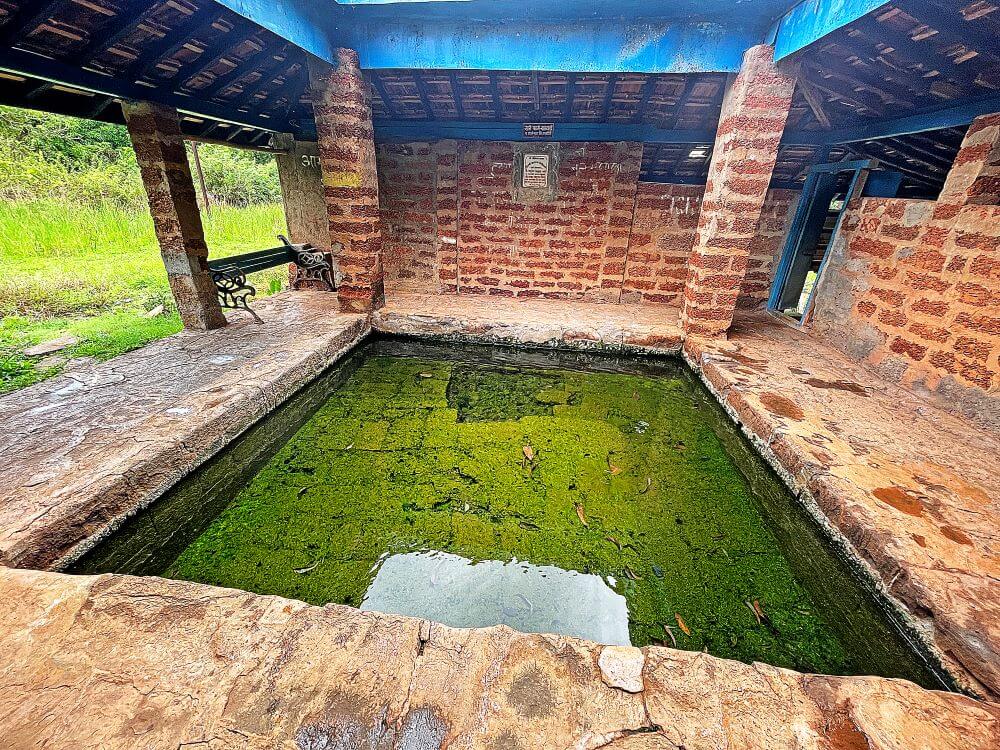
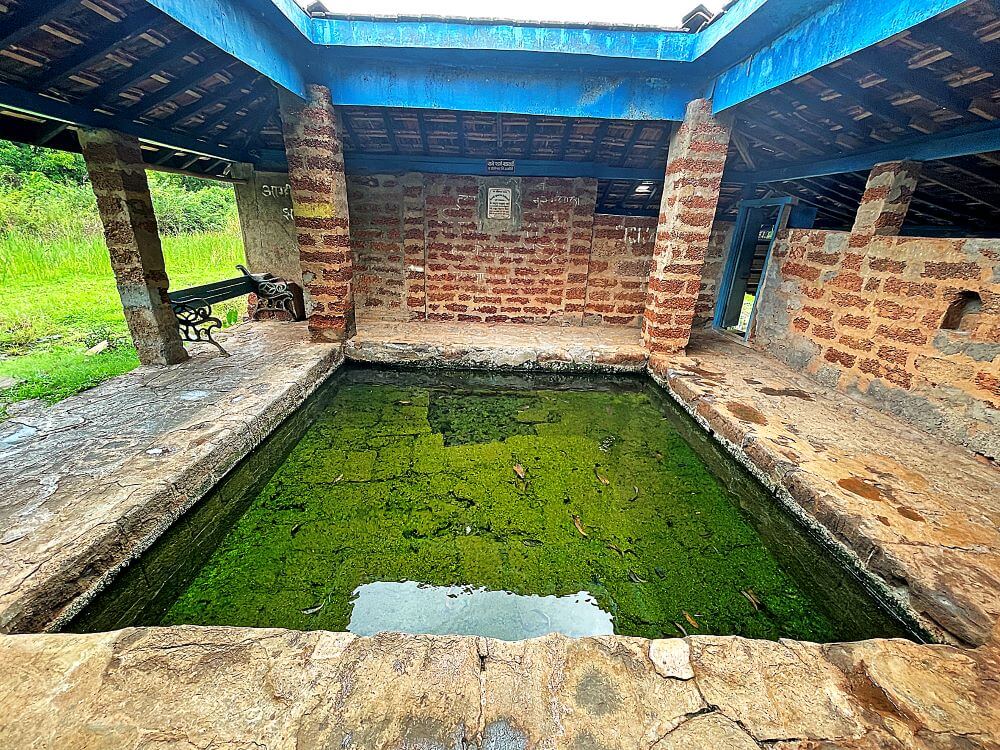
The natural hot water spring located near the temple is the main attraction here. The water from this spring is used for the daily rituals performed in the temple. Steam and bubbles rise from this spring, which contains clear, pure water. The temperature of the water in the spring is approximately 60 degrees Celsius. (The temperature of tap water used for drinking is generally 16 to 18 degrees, while the temperature of seawater is between 22 and 26 degrees.) There is never any change in this temperature or the water level of the spring.
There is a wall made of laterite stone around the kund. Tiles have been installed on top of it. A space equal to the size of the kund has been left open between these tiles to allow the steam from the kund to escape. Water from the main kund flows into a secondary kund located to the side. Devotees can bathe there. There is a separate arrangement for women. Since the water in the kund is very hot, it cannot be poured directly onto the body. Cold water must be mixed into it. It is the belief of the devotees that bathing in this sulfurous water cures skin diseases like scabies and ringworm, and also stimulates a strong appetite. On one bank of the river flowing near this kund, the water is somewhat warm, while on the other bank, it is cold.
This sacred temple stands as a testament to deep spiritual devotion, ancient architectural grandeur, and rich local cultural traditions.
The sanctum sanctorum houses the divine idol consecrated according to ancient Vedic traditions, surrounded by serene courtyards and traditional temple architecture.
Navratri, Maha Shivratri, Annual Temple Jatra & Deepotsav
Compare and book flights, secure top-rated local hotels near the temple, hire reliable guides, and rent cars instantly.
Extend your pilgrimage by visiting other highly sacred temples located nearby.


Add ₹999 more to unlock FREE SHIPPING!
Your sacred cart is currently empty.
Shop Photo FramesFill in your delivery details below to place your order.
Add comment