
Add ₹999 more to unlock FREE SHIPPING!
Your sacred cart is currently empty.
Shop Photo FramesThe ancient Kacheshwar Temple, dedicated to Kacha, the beloved disciple of Guru Shukracharya and son of Brihaspati, is located at Kopargaon Bet, a place sanctified by the presence and penance of Guru Shukracharya. It is believed that when Kacha received the Sanjivani Mantra from Shukracharya, Lord Mahadeva appeared here in a hidden form to bless him. Consequently, devotees believe that vows taken at Shri Kshetra Trimbakeshwar can be fulfilled at the Kacheshwar Temple in Kopargaon.
According to mythological texts, during the wars between the Devas and Asuras, the Asura Guru Shukracharya would aid the Asuras. He would repeatedly revive the fallen Asuras using the Sanjivani Mantra he possessed. Distressed, the Devas requested Lord Mahadeva to find a solution. Mahadeva stated that the power of the Sanjivani Mantra would vanish only if it became ‘Shatkarni’ (heard by six ears). To achieve this, the Devas sent Kacha, the son of Brihaspati, to study under Guru Shukracharya.
Following the Devas’ advice, Kacha began his studies under Guru Shukracharya. He lived with other disciples in an ashram on the northern bank of the Godavari River (the current site of Kacheshwar Temple) and would cross the river to reach Guru Shukracharya’s ashram on the southern bank (the current Guru Shukracharya Temple). Recognizing the danger of crossing the river, Guru Shukracharya used his elbow (kopar) to divert the flow of the Godavari, making the path easier for Kacha. It is said that the town was named ‘Kopargaon’ because Shukracharya diverted the river with his elbow.
Due to his humble, studious, and disciplined nature, Kacha soon became dear to both Shukracharya and his daughter, Devayani. His status as the favorite disciple drew the jealousy of the other Asuras, who killed him multiple times, only for Shukracharya to revive him each time. Finally, the Asuras killed Kacha and mixed his ashes into a drink for Shukracharya. Through his divine insight, Shukracharya realized Kacha was inside him. Fearing that using the Sanjivani Vidya would kill him as Kacha emerged, he taught the mantra to his daughter, Devayani. However, Kacha, listening from within, mastered the vidya and emerged by tearing through Shukracharya’s stomach. Kacha then revived his Guru using the mantra he had learned. However, because the mantra had now been heard by three people (Shukracharya, Devayani, and Kacha), it became ‘Shatkarni,’ and its original potency was lost. The knowledge that even the Devas could not attain was gained by Kacha due to the Asuras’ mistake. Upon his success, the Devas showered flowers upon Kacha from the heavens. It is believed that Lord Mahadeva himself appeared at the site of the current Kacheshwar Temple to bless Kacha.
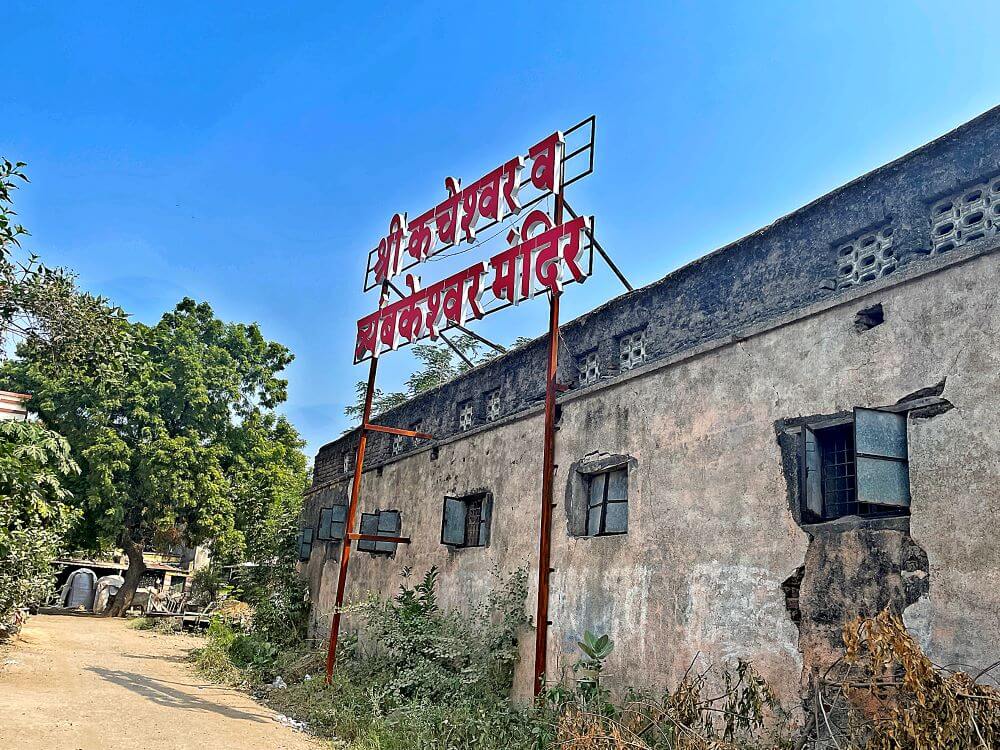
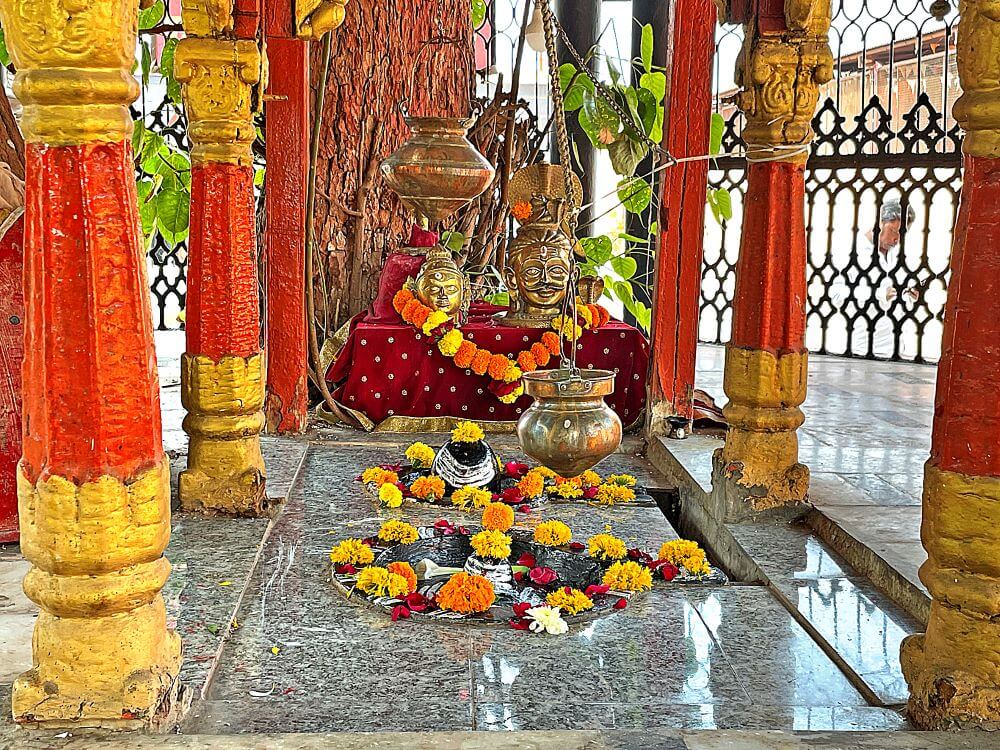
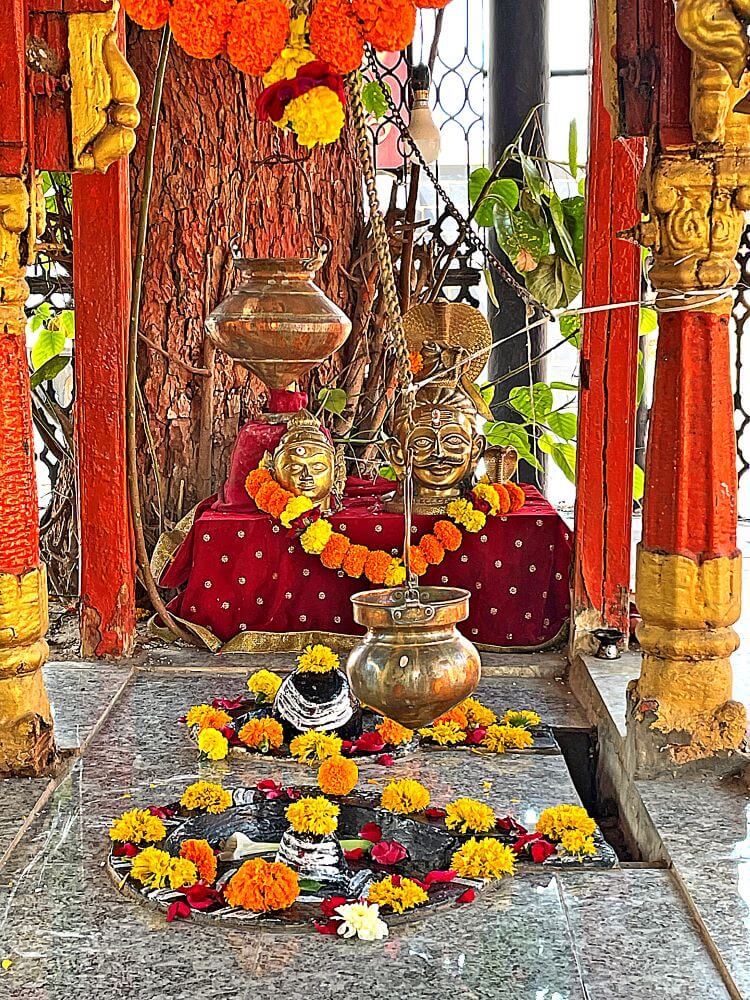
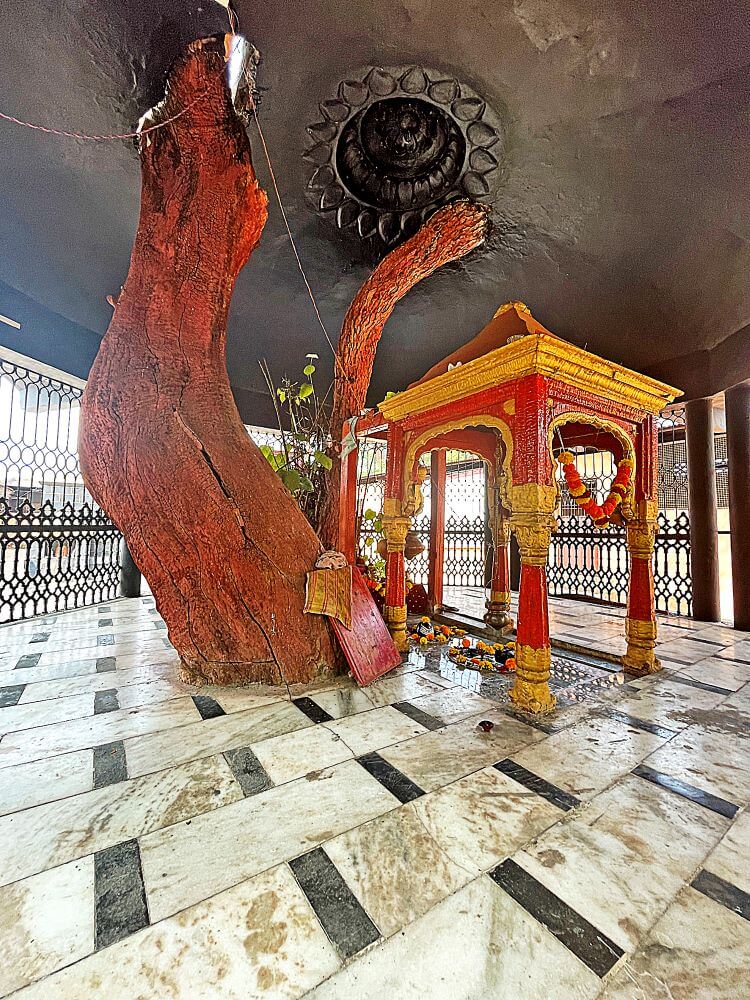
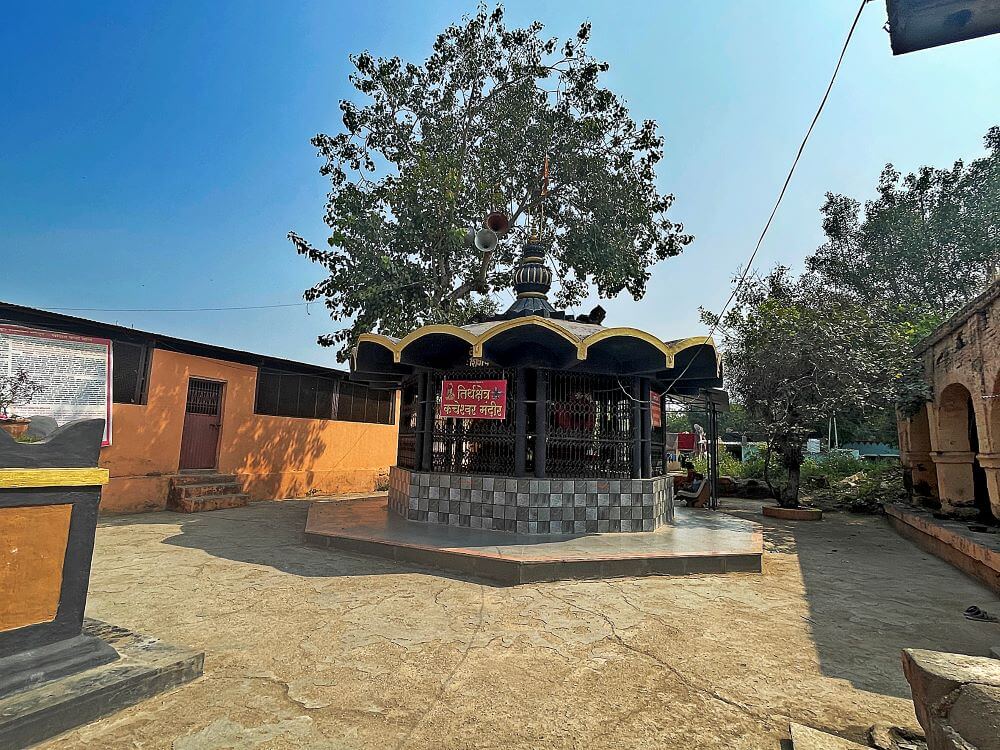
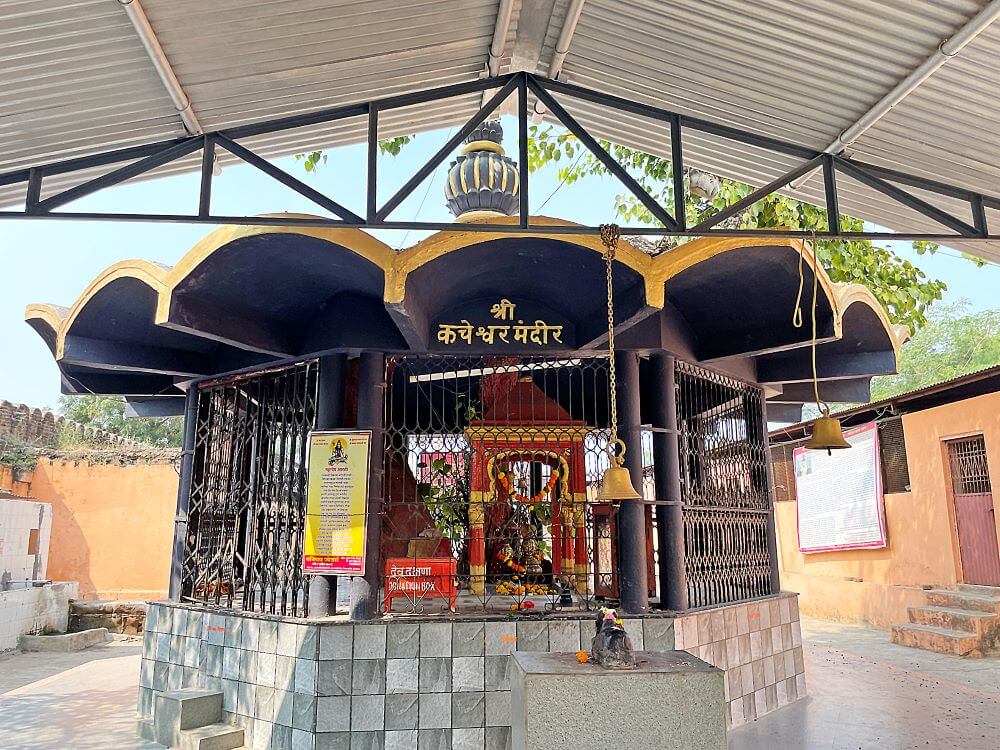
The Kacheshwar Temple, located within the Kokamthan boundaries, is enclosed by a fortification wall. The spacious temple complex houses both the Kacheshwar and Trimbakeshwar temples. In the octagonal Kacheshwar Temple, the Guru-disciple duo of Shukracharya and Kacha are installed in the form of Lingas on a pedestal. The great saint Ramdasi Maharaj of Kokamthan resided here for many years, performing various religious rites and the Maharudrayaga. During the Maharudrayaga, Saint Ramdas Maharaj renovated this ancient temple and constructed its canopy.
Some texts mention that Saint Nivruttinath, his sister Saint Muktai, and Lord Panduranga himself stayed at the Kacheshwar Temple for a month while on their way to attend the Samadhi ceremony of Saint Changdev Maharaj at Shri Kshetra Puntamba.
On Gudi Padwa, a grand ‘Guru-Shishya Meet’ festival is held at Kopargaon Bet. An empty palanquin is brought from the Guru Shukracharya Temple to the Kacheshwar Temple to fetch the disciple, Kacha. Kacha then travels in the palanquin to honorably bring his Guru to his temple. After a meeting between the Guru and disciple, and subsequent rituals of Puja, Rudravartan, and Aarti, Shukracharya blesses his disciple and returns to his own temple in the palanquin amidst great fanfare. Thousands of devotees gather to witness this event. Additionally, Mahashivratri is celebrated here on a grand scale. The site is also used for Kalsarp Shanti, Griha Shanti, Tripindi, Narayan-Nagbali, and weddings performed without the need for an auspicious date.
This sacred temple stands as a testament to deep spiritual devotion, ancient architectural grandeur, and rich local cultural traditions.
The sanctum sanctorum houses the divine idol consecrated according to ancient Vedic traditions, surrounded by serene courtyards and traditional temple architecture.
Navratri, Maha Shivratri, Annual Temple Jatra & Deepotsav
Compare and book flights, secure top-rated local hotels near the temple, hire reliable guides, and rent cars instantly.
Extend your pilgrimage by visiting other highly sacred temples located nearby.


Add ₹999 more to unlock FREE SHIPPING!
Your sacred cart is currently empty.
Shop Photo FramesFill in your delivery details below to place your order.
Add comment