
Add ₹999 more to unlock FREE SHIPPING!
Your sacred cart is currently empty.
Shop Photo FramesSituated on the banks of the Banganga River, the city of Phaltan was historically a very significant princely state in Southern Maharashtra. Saibai, the wife of Chhatrapati Shivaji Maharaj, was the daughter of Mudhoji Nimbalkar (II) of Phaltan. This city houses distinctive temples dating back to the 13th and 17th centuries. Among these, the ancient Jabreshwar Temple and the adjacent Shri Ram Temple, located right next to the royal palace, are considered places of deep faith for devotees and the pride of Phaltan city.
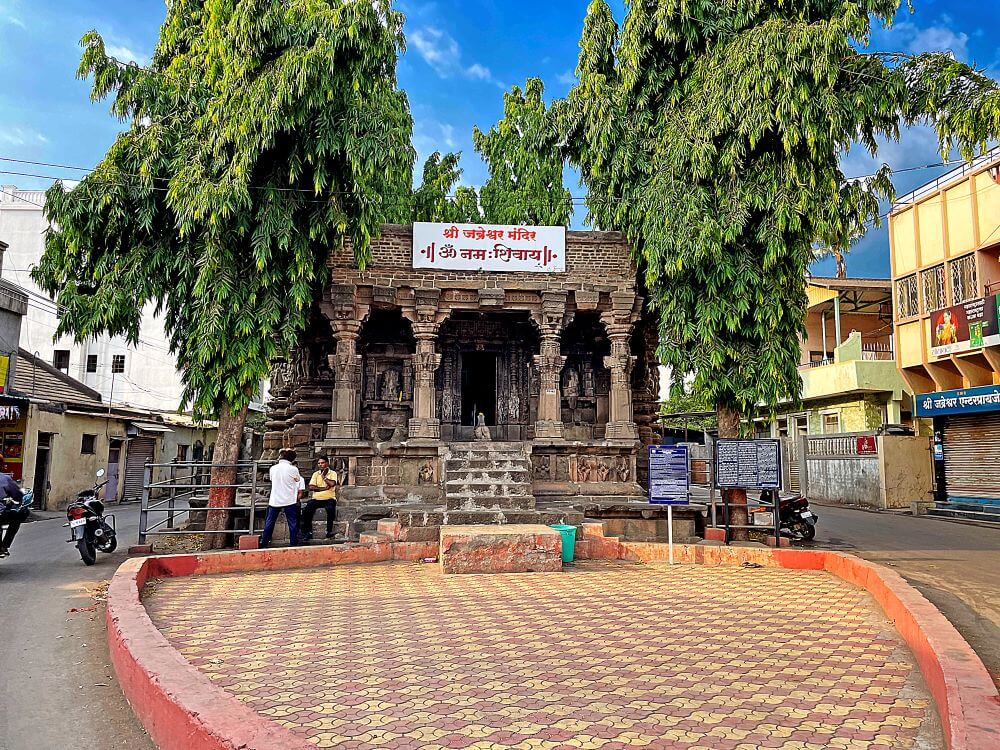
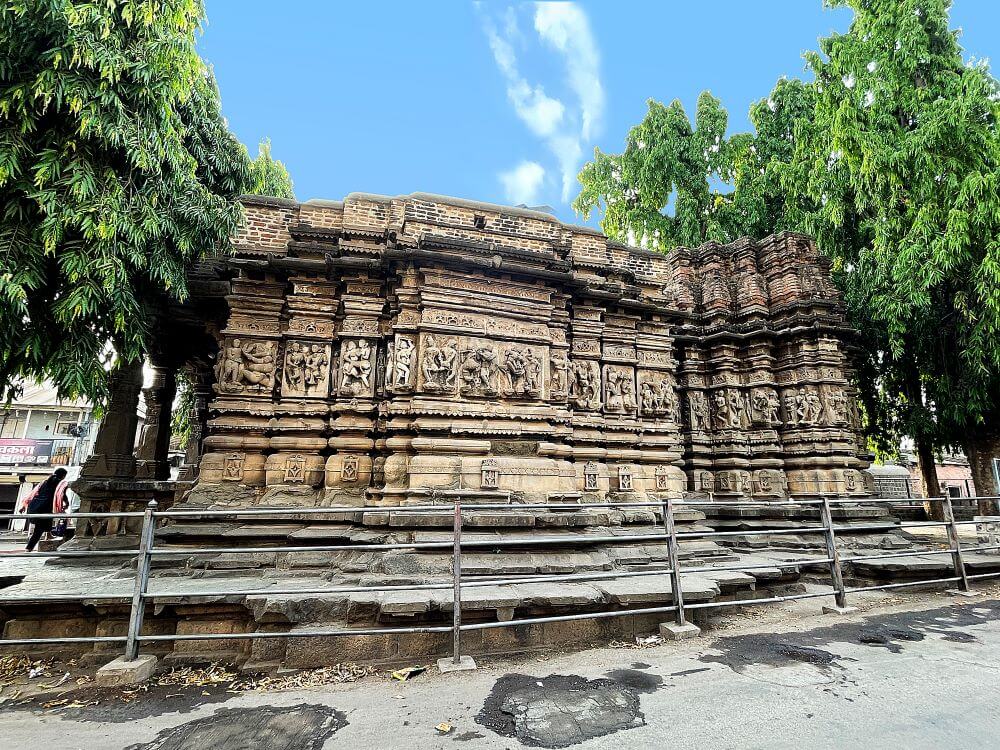
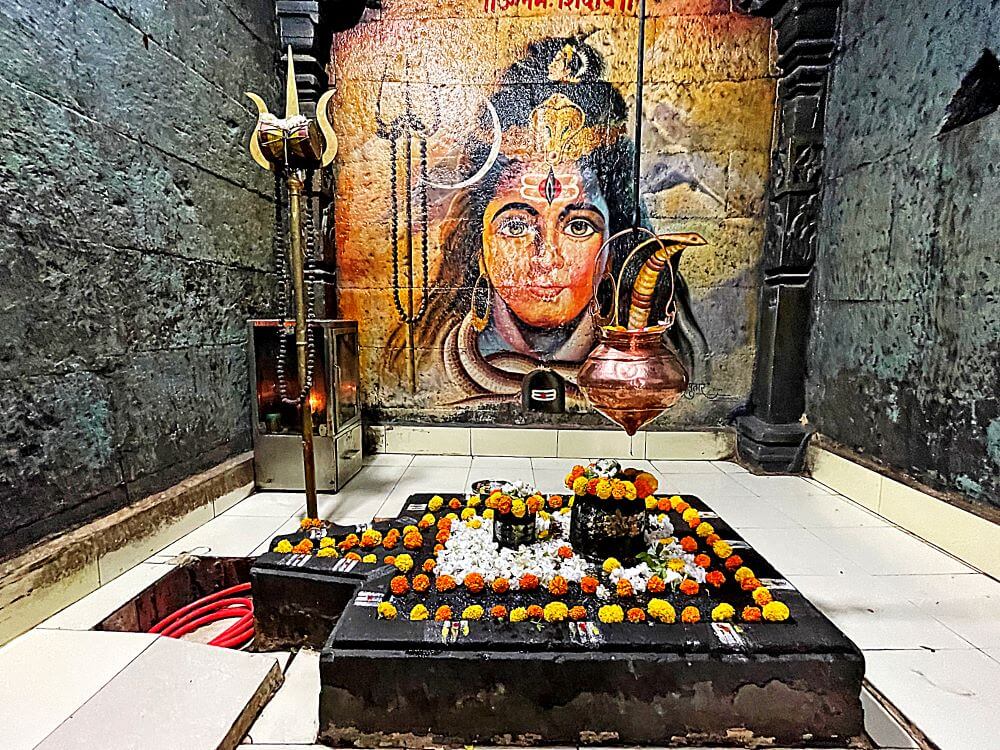
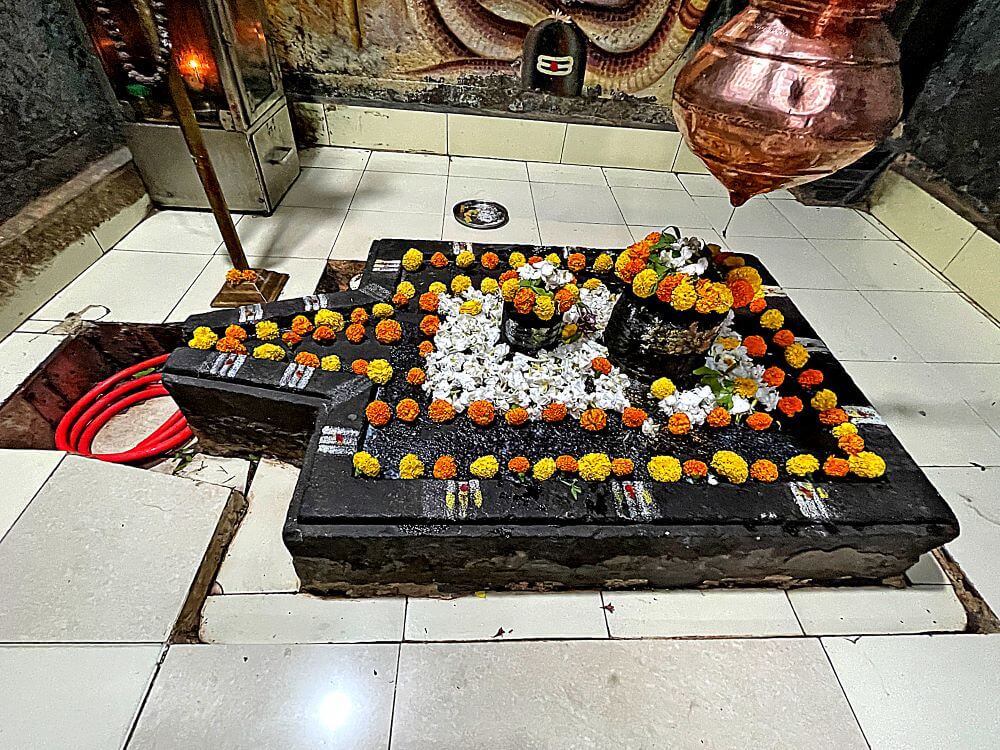
Located in the heart of the city, the Jabreshwar Temple stands directly in front of the royal palace, right in the middle of the road. The temple is built on a star-shaped jagati (platform) that is about three to three-and-a-half feet high. This 13th-century temple is famous for its unique sculptures. Records indicate that Mudhojirao Nimbalkar installed the Shivling in this sanctum sanctorum.
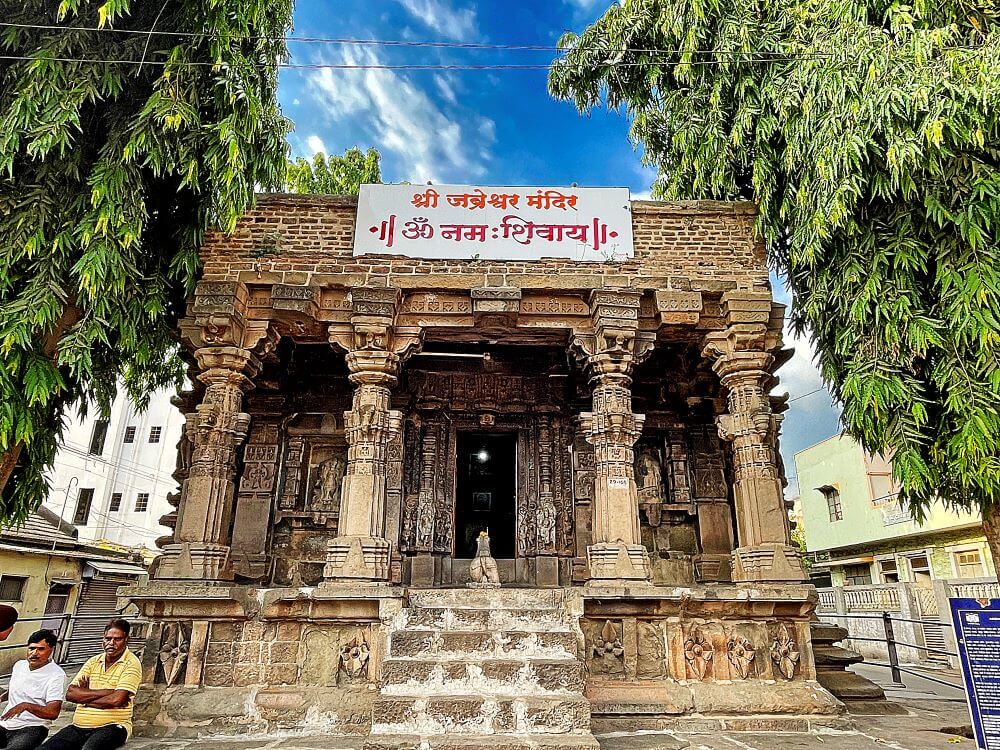
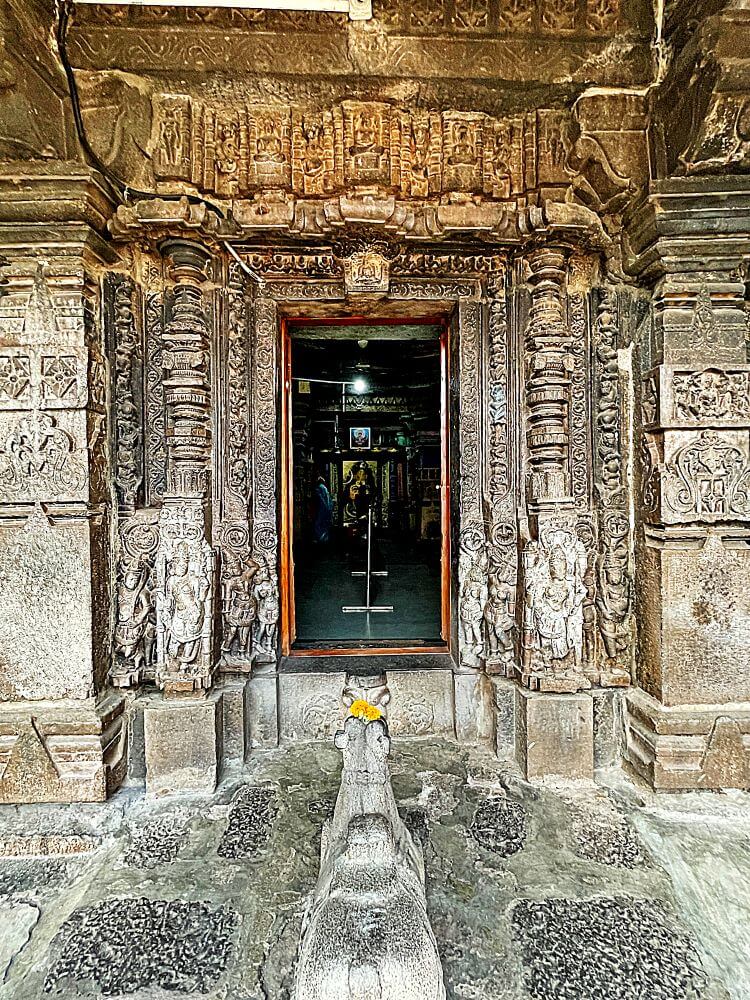
The Jabreshwar Temple faces north and consists of a mukhamandapa (entrance porch), sabhamandapa (main hall), antarala (vestibule), and garbhagriha (sanctum sanctorum). One reaches the mukhamandapa after climbing a flight of stairs. The facade of the mukhamandapa features four stone pillars connected by arches at the top. The sabhamandapa of the temple is octagonal in shape. On the entrance door of the garbhagriha, one can see a five-hooded female serpent with her two offspring in the niche on the left, and black stone idols of Vitthal-Rukmini in the niche on the right. The entrance to the garbhagriha is intricately carved. Above the door frame of the garbhagriha, idols of 24 Tirthankaras are carved. Additionally, some idols of Digambar Jains are carved on the outer walls of the temple, leading to the speculation that this structure may have originally been a Jain temple. The Shivling in the garbhagriha is square-shaped and faces east. There are two shalunkas (bases) on this linga, which are also somewhat unique in shape.
Along with the sculptures of deities on the outer walls of the temple, there are many unique carvings of surasundaris (celestial beauties), a dancer adorning herself while looking in a mirror, a loving couple, a woman stretching, a mother with her child, and more. A Shiva idol is carved on the back of the temple, with Nandi near its feet. Mahashivratri is the main festival celebrated at this temple. Thousands of devotees from the city attend the Maha Aarti held at 12:00 PM on this day, giving the entire area the atmosphere of a fair. A Mahaprasad program is held the following day. Additionally, a Deepotsav (festival of lights) is celebrated here on Tripurari Purnima. At that time, the temple premises are illuminated with attractive electric lighting, and hundreds of lamps are lit. The temple is bathed in the glow of these flickering lamps. Devotees can have darshan of Jabreshwar in this temple from 6:00 AM to 9:00 PM.
Barely 50 meters from the Jabreshwar Temple, adjacent to the royal palace, is the 250-year-old Shri Ram Temple. Sagunabai Nimbalkar of the Phaltan royal family built this temple in 1774, while records show that Mudhoji Naik Nimbalkar constructed a wooden pavilion in front of it in 1875. There are three tall stone lamp towers (deepmalas) in the temple courtyard.
The temple structure consists of a sabhamandapa, antarala, and garbhagriha. The sabhamandapa is of an open type, and an inscription on it in Devanagari script mentions who built the temple. This sabhamandapa has 32 wooden pillars connected by ornate arches. To the west of the wooden entrance leading to the antarala is an idol of Hanuman, and to the north is a marble idol of Garuda. In the garbhagriha, on a three-foot-high pedestal, are standing idols of Shri Ram, Sita, and Lakshman carved from Gandaki stone.
The Rathotsav (chariot festival) of Shri Ram and Mother Sita, celebrated here on Margashirsha Shuddha Pratipada, also known as Dev Diwali, is considered one of the most special and grand festivals in the city. The chariot is decorated with fruits, flowers, leaves, colorful flags, and bundles of sugarcane. The idols of Shri Ram and Sita are placed inside it. After the ritualistic worship at 8:00 AM, the decorated chariot is taken out in a procession through the city. Rangolis are drawn along the path of the procession. Flowers and gulal are showered on the procession at many places. After touring the city throughout the day, the chariot returns to the temple around 8:00 PM. Thousands of devotees participate in this Rath Yatra. Apart from this, Ram Navami is also an important festival here.
This sacred temple stands as a testament to deep spiritual devotion, ancient architectural grandeur, and rich local cultural traditions.
The sanctum sanctorum houses the divine idol consecrated according to ancient Vedic traditions, surrounded by serene courtyards and traditional temple architecture.
Navratri, Maha Shivratri, Annual Temple Jatra & Deepotsav
Compare and book flights, secure top-rated local hotels near the temple, hire reliable guides, and rent cars instantly.
Extend your pilgrimage by visiting other highly sacred temples located nearby.


Add ₹999 more to unlock FREE SHIPPING!
Your sacred cart is currently empty.
Shop Photo FramesFill in your delivery details below to place your order.
Add comment