
Add ₹999 more to unlock FREE SHIPPING!
Your sacred cart is currently empty.
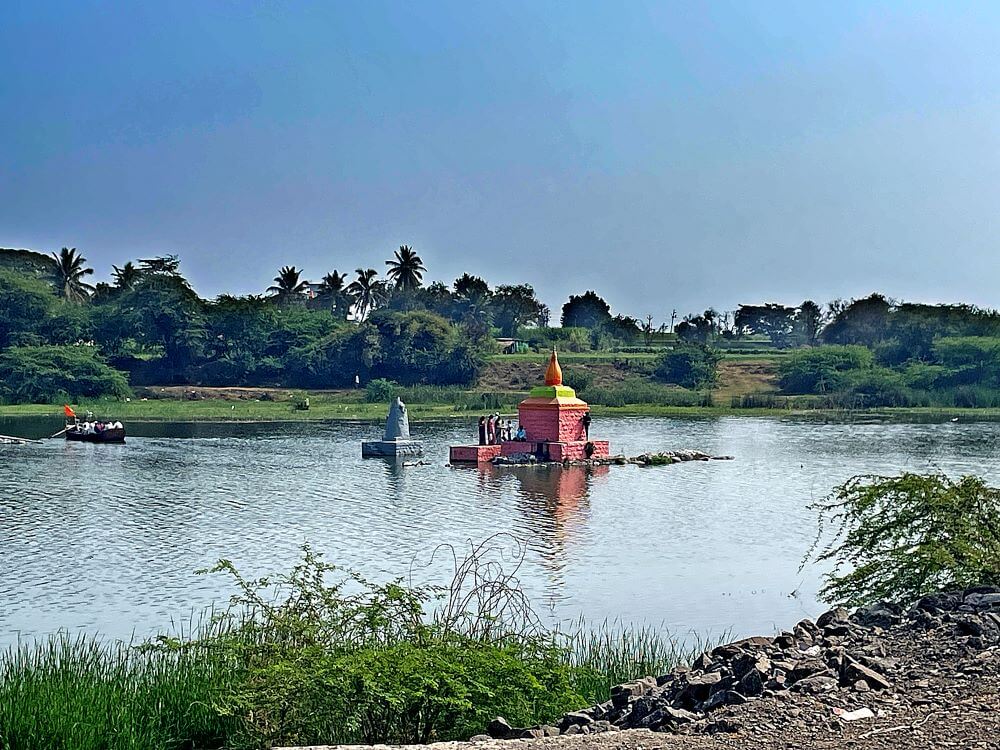
Shop Photo FramesSituated right in the middle of the Nira River, which forms the border between Pune and Satara districts, the temple of Goddess Dhagai Devi is a revered place of faith for thousands of devotees. Renowned as a Jaldevta (water deity), the Goddess has three holy abodes (thana): one is located in the riverbed itself, while the other two are situated in the twin villages named Hol on either bank of the river. One seat is located in Hol village of Baramati Taluka, while the second temple is in Hol village of Phaltan Taluka in Satara District. Devotees hold deep faith in the Goddess as one who answers prayers and fulfills all divine wishes.
The ancient and original temple of Dhagai Devi is situated on a rock in the middle of the river. This sacred abode of the Goddess is located at Hol village on the border of Pune and Satara districts. Both villages situated on either side of the Nira River share the same name, ‘Hol’. In earlier times, travel between these two villages was conducted by boat. Now, with a bridge constructed across the river, both villages are connected by road. Devotees can travel by boat from Hol in Phaltan Taluka to reach the temple for holy darshan. An ancient stone temple stands on a large rock in the middle of the Nira River basin. The idol of Goddess Dhagai Devi is enshrined in this sanctum sanctorum (garbhagriha). During the monsoon season, when the river overflows, this temple gets submerged under water.
It is said regarding these temples that during the monsoon, since the original temple of the Goddess remained underwater, devotees were unable to visit and seek Her divine darshan. Therefore, the Goddess Herself appeared in divine visions to the villagers on both banks, instructing them to consecrate Her shrines in their respective villages. Since then, independent temples of the Goddess exist in both villages, and they are regarded as prominent pilgrimage sites among the temples of Baramati and Phaltan talukas.
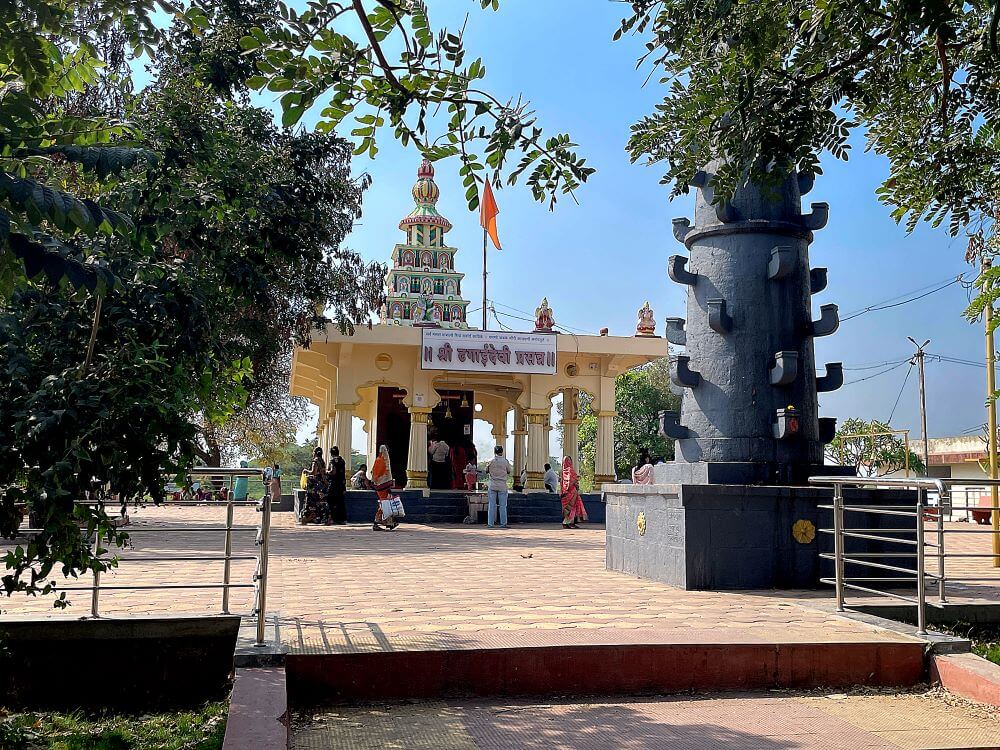
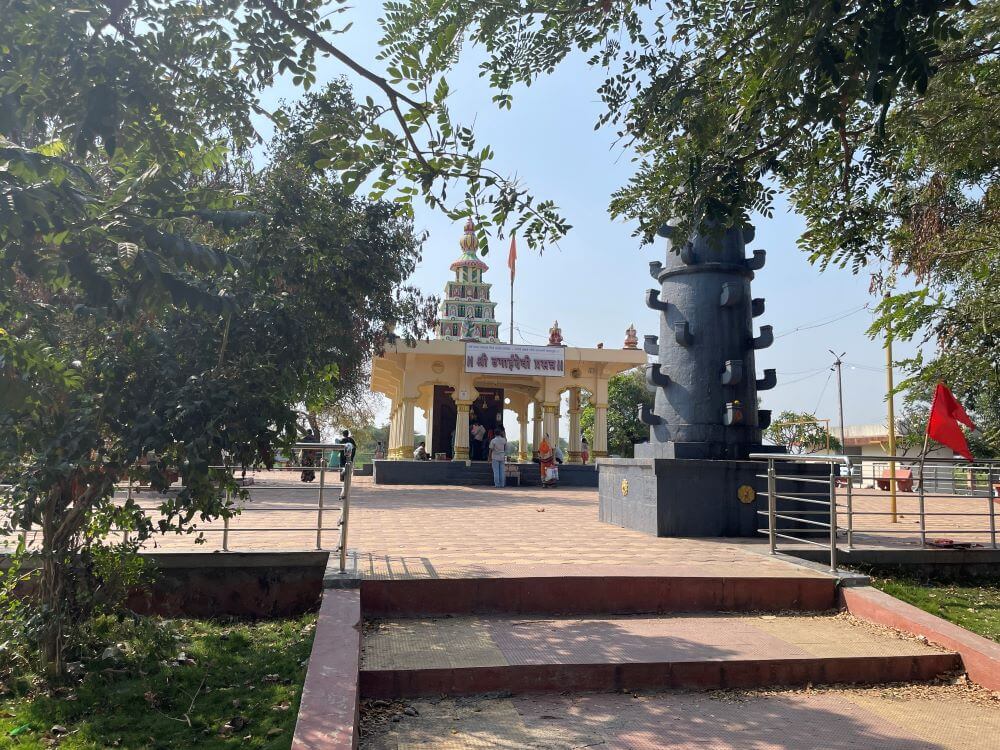
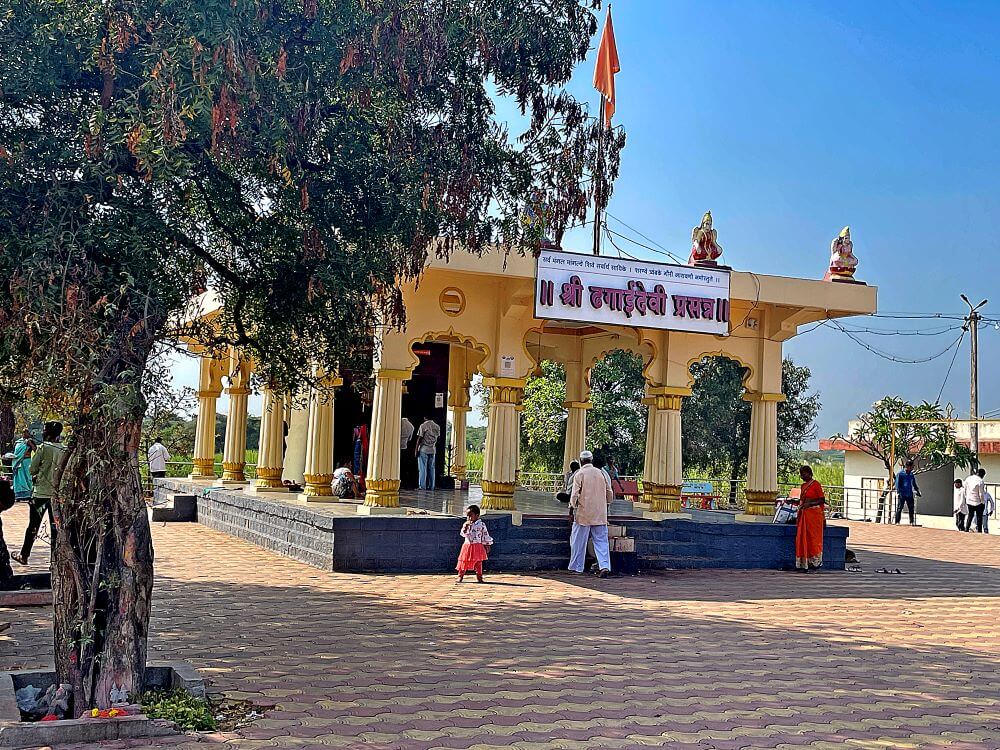
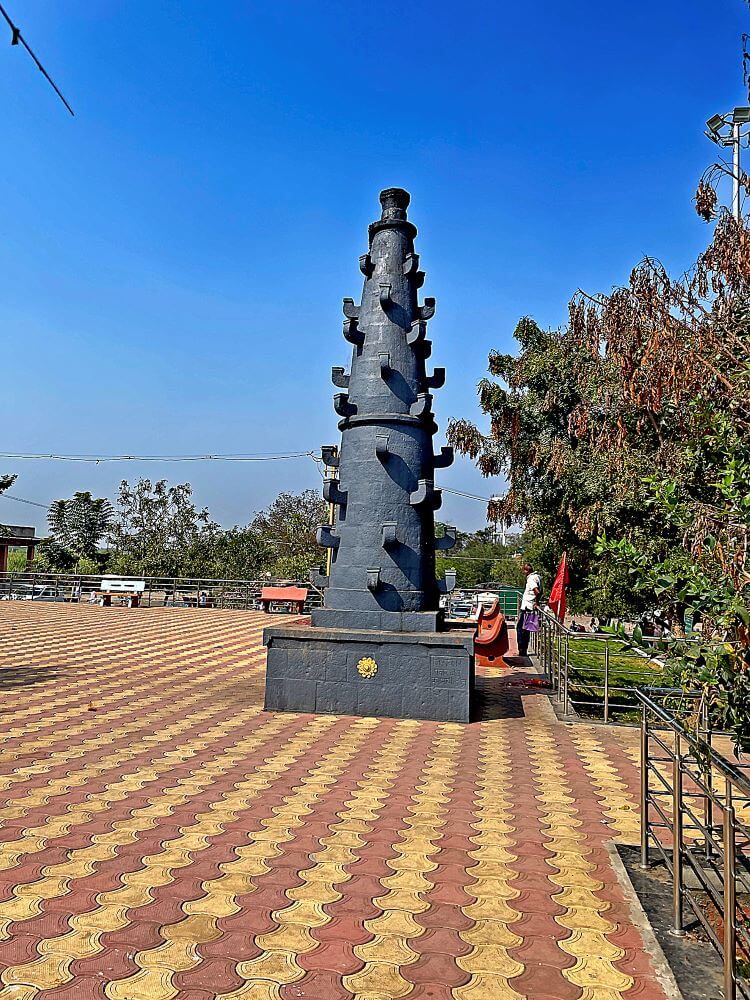
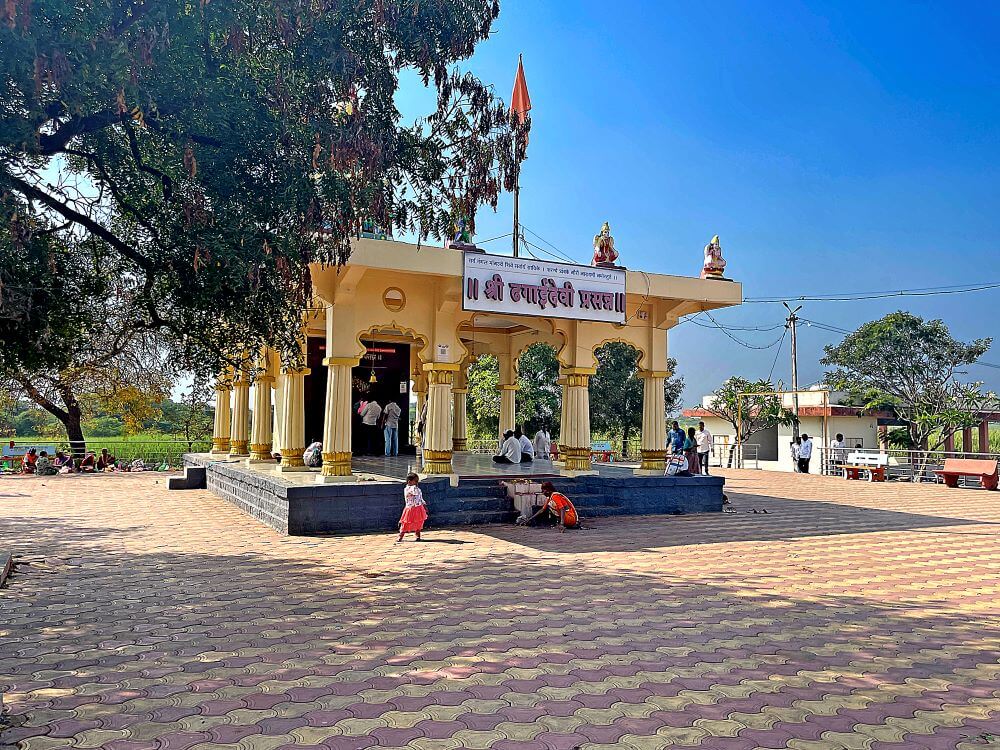
The Dhagai Devi Temple in Baramati Taluka is situated on the banks of the Nira River amidst a tranquil tamarind grove. The temple premises are spacious, and the courtyard is paved. A Deepmal (lamp tower) stands in front of the temple, and the main shrine comprises an assembly hall (Sabhamandap) and the sanctum sanctorum (Garbhagriha). Built on an elevated platform, the open-style Sabhamandap of this temple is also referred to as a Rangmandap. In the center of the Garbhagriha, the vermilion-smeared Tandala-form idol of the Goddess is reverently adorned with sacred garments and ornaments. There is a circumambulation path (Pradakshina marga) around the outer perimeter of the sanctum sanctorum. The temple spire (kalash) is uniquely designed, and the upper section of the Sabhamandap features sculptures of various saints and deities. A temple with a similar architecture is located at Hol in Phaltan Taluka of Satara District. In that temple’s Garbhagriha, the idol of the Goddess is adorned with a brass mask (mukhavata), fine ornaments, and traditional attire. Looking from the Sabhamandap of either temple, one can view the original shrine of Dhagai Devi situated in the Nira River basin. The distance between these two land-based temples by road is about one kilometer.
A grand festival is celebrated here on Durgashtami. Devotees flock here for darshan on Guru Purnima, as well as on Tuesdays, Fridays, and Sundays. Throughout the holy month of Ashadha, a vibrant, fair-like atmosphere prevails around the temple premises. On Tuesdays and Fridays of the Ashadha month, thousands of devotees arrive to seek divine blessings. The temple is also filled with crowds of devotees during Navratri. Blessed with the adjacent river, the verdant tamarind grove, and scenic surroundings, this picturesque location frequently serves as a setting for filming movies and television serials.
The Dhagai Devi Temple in Baramati Taluka has been granted ‘C’ Grade Pilgrimage Status by the State Government. Shrines that attract between 100,000 to 400,000 devotees annually receive this ‘C’ Grade pilgrimage classification from the government. Under this status, government funds are sanctioned periodically to enhance facilities for visiting pilgrims.
This sacred temple stands as a testament to deep spiritual devotion, ancient architectural grandeur, and rich local cultural traditions.
The sanctum sanctorum houses the divine idol consecrated according to ancient Vedic traditions, surrounded by serene courtyards and traditional temple architecture.
Navratri, Maha Shivratri, Annual Temple Jatra & Deepotsav
Compare and book flights, secure top-rated local hotels near the temple, hire reliable guides, and rent cars instantly.
Extend your pilgrimage by visiting other highly sacred temples located nearby.


Add ₹999 more to unlock FREE SHIPPING!
Your sacred cart is currently empty.
Shop Photo FramesFill in your delivery details below to place your order.
Add comment