
Add ₹999 more to unlock FREE SHIPPING!
Your sacred cart is currently empty.
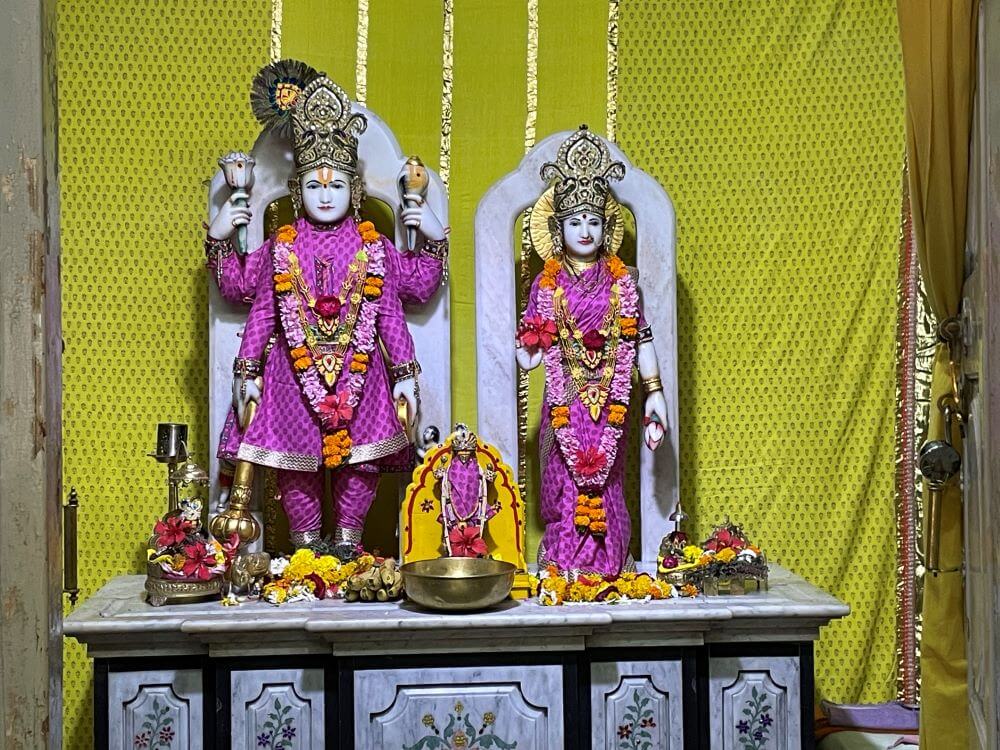
Shop Photo FramesWardha district is famous as the workplace (karmabhumi) of Mahatma Gandhi and Acharya Vinoba Bhave. Along with being an important religious site, the Lakshmi-Narayan Temple in Wardha city has witnessed many historical events. Built in 1905, this temple was opened to Harijans by Jamnalal Bajaj in 1928. It became the first temple in the country to be opened for Dalits and untouchables. A unique feature of this temple is that instead of ornate garments, the idols of the deities here are dressed exclusively in Khadi garments. This tradition, dating back over 1 hundred years, is followed to this day.
Located in the central part of Wardha city, the construction of this temple began in 1905 under the guidance of Seth Bachhraj, and the idols of Lakshmi-Narayan were consecrated in it in 1907. Inspired by the ideals of Mahatma Gandhi and at the initiative of Jamnalal Bajaj, Acharya Vinoba Bhave led a group of Dalits into this temple on July 17, 1928, to secure their entry. Jamnalal Bajaj displayed the courage of social reform envisioned by Gandhiji. This was an important step forward in the Gandhian era of social revolution.
As this was the very first temple in India to grant entry to Dalits, it evoked numerous reactions from across the country and abroad at that time. Following this momentous event, Gandhiji expressed his thoughts in a published statement, saying: It is truly astonishing that when a well-known temple like the Lakshmi-Narayan Temple is being publicly opened to untouchables, the orthodox critics have not raised even a whisper of opposition. It is indeed remarkable that even upon seeing untouchable people stepping across the threshold of a Hindu temple that had hitherto been forbidden to them, the religious zealots have not created a tumult in the name of Sanatana Dharma. This is a clear indicator of the astounding degree of progress achieved by the movement against untouchability. It also demonstrates how firm public opinion can be forged through steadfastness and perseverance for a genuine movement of reform. I congratulate Seth Jamnalal Bajaj and his fellow trustees for this courageous initiative, and I express my hope that it will be emulated all across Hindustan.
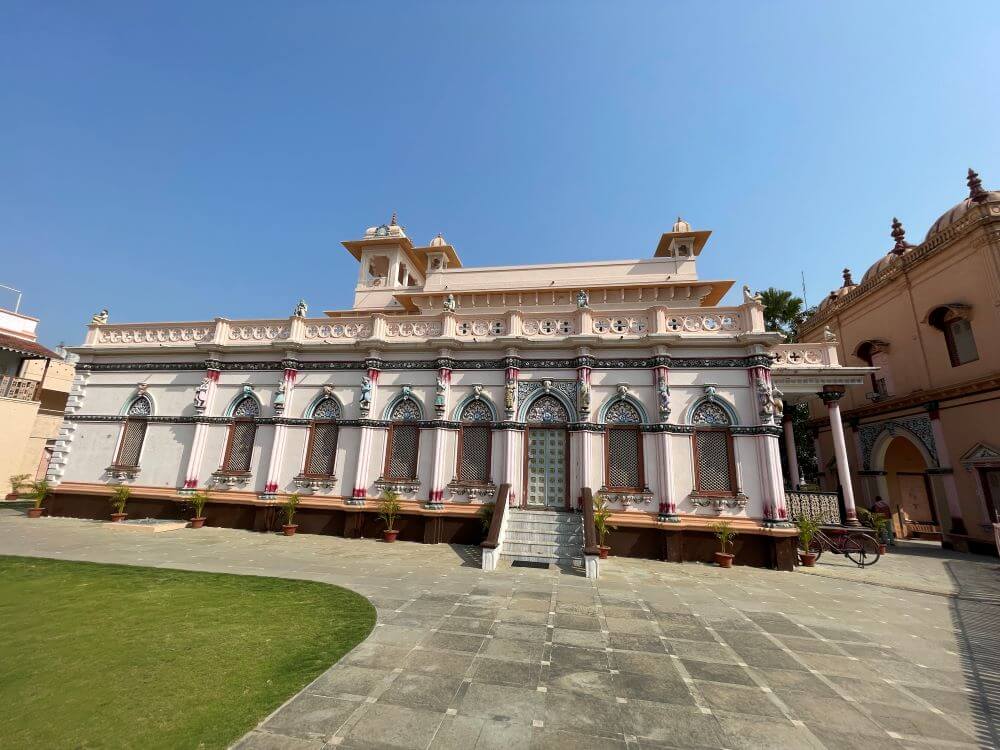
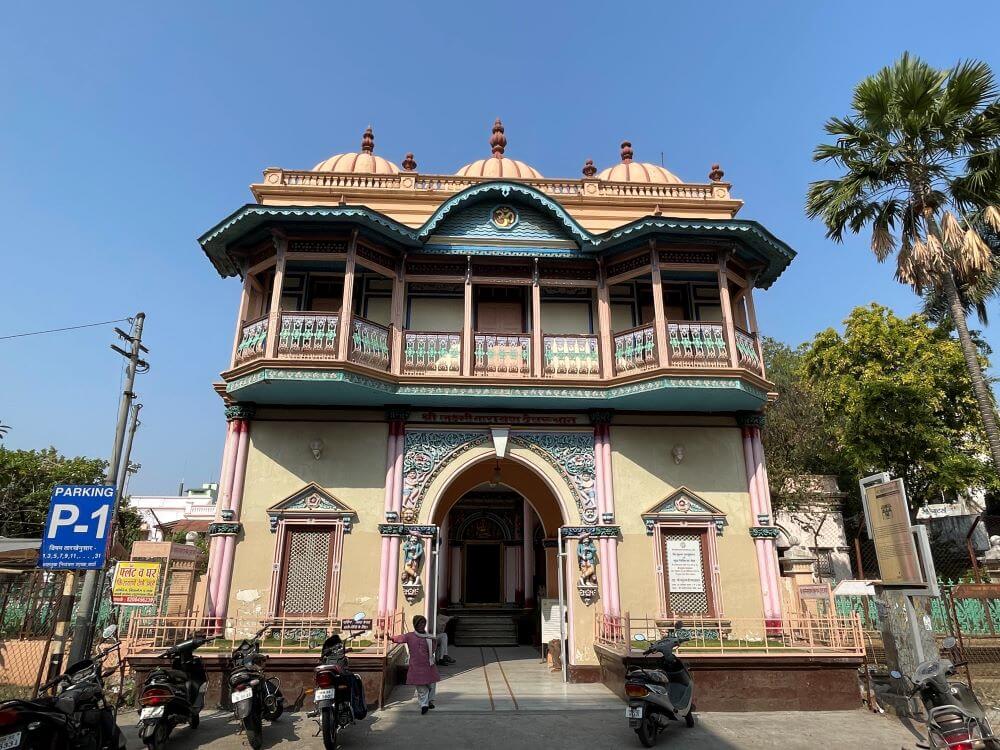
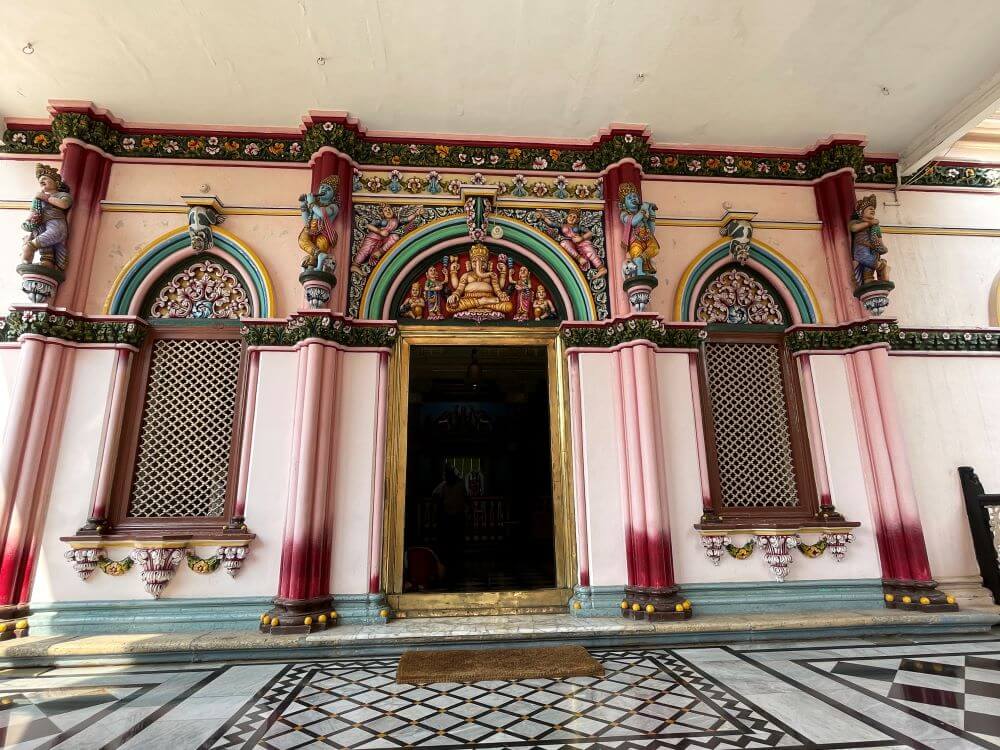
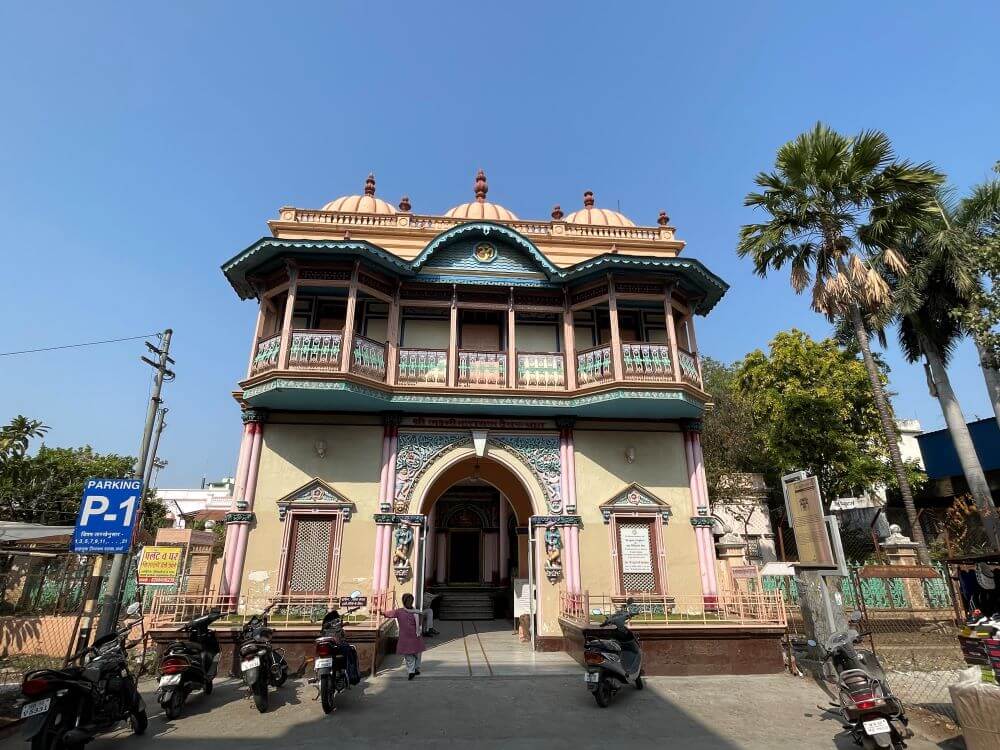
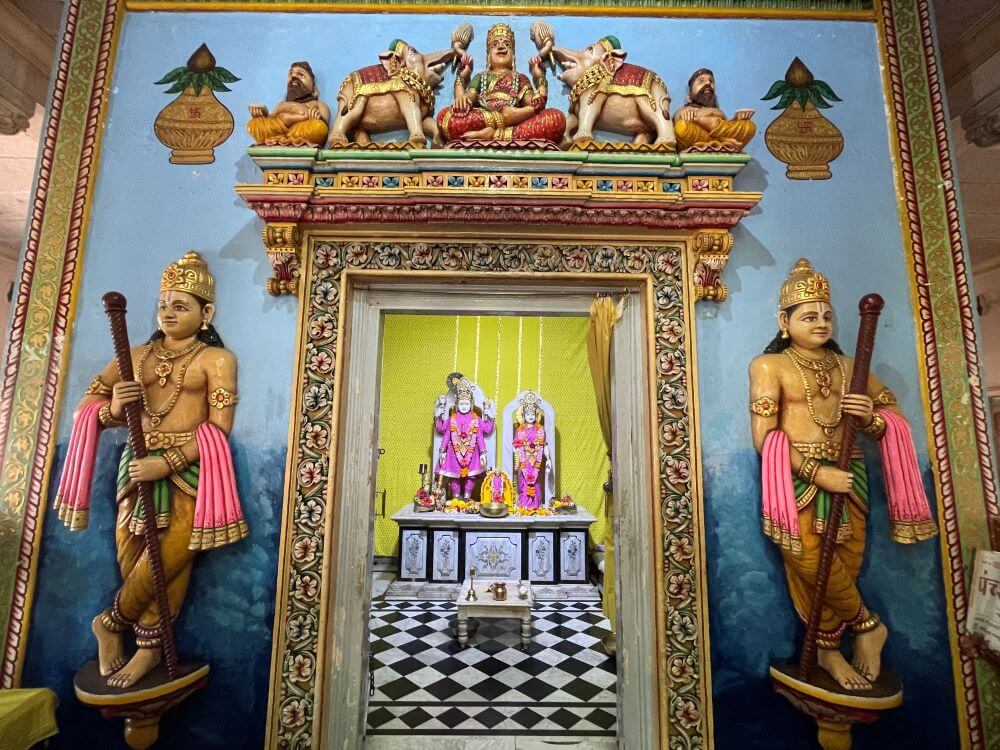
Before departing from Sevagram to Mumbai in 1942 for the Quit India movement, Mahatma Gandhi visited this temple to have the darshan of Lakshmi-Narayan. This magnificent temple is also renowned for its distinctive carvings, exquisite sculptures, and skilled craftsmanship on its pillars. The double-storied temple features artistic craftsmanship on its entrance gate, with sculptures of door guardians (dwarapalas) on both sides. One enters the assembly hall (sabhamandap) of the temple by climbing 6 to 7 steps. The temple’s architectural layout consists of the assembly hall (sabhamandap), the vestibule (antarala), and the sanctum sanctorum (garbhagriha).
Above the doorframe at the entrance of the vestibule, on both sides, are sculptures of Lord Sri Krishna playing the flute, while on the lintel (lalatbimba) is a distinctive sculpture of Sri Ganesha. The pillars in the vestibule are adorned with craftsmanship, featuring depictions of load-bearing figures on the upper side. In the sanctum sanctorum, upon a high pedestal, stand the pristine white marble idols of Lord Vishnu and Goddess Lakshmi. The idol of Lord Vishnu has 4 arms (chaturbhuja), while the idol of Goddess Lakshmi has 2 arms (dwibhuja). Both idols are adorned with beautiful crowns.
After opening this temple for Harijans, the late Jamnalal Bajaj started a charitable dispensary for the poor and needy right next to the temple on July 19, 1928. Even after 96 years, this dispensary continues to operate adjacent to the temple today. Structures in Wardha district such as Bapu Kuti in Sevagram and the ashram of Acharya Vinoba Bhave in Pavnar hold immense historical significance. Alongside them, the Lakshmi-Narayan Temple, established during the time of Jamnalal Bajaj, has also attained great importance. Consequently, numerous tourists from across the country and abroad visit all these locations.
The ‘Lathmar’ Holi celebrated in Vrindavan is well-known across the country, wherein gopikas playfully chase their husbands or lovers to beat them with sticks while the men try to evade them, amidst the showering of colors and flowers. A similar form of Holi is organized annually at the Lakshmi-Narayan Temple as well, with the exception that no colors are used, and only flowers are showered. The trustees of this holy shrine are the famous industrialist Bajaj family. Members of the Bajaj family make it a point to travel specially from Pune to Wardha every year to celebrate this festival of Holi. Another unique feature here is that ever since the consecration of the idols in this temple, the consecrated offering (naivedya prasad) has been prepared exclusively using cow’s milk, ghee, and water from the temple’s own well (kund).
The temple houses a well-equipped library containing a collection of numerous scriptures such as the Vedas, Upanishads, and Bhagavata in Sanskrit, Prakrit, and Hindi languages. For the convenience of visiting devotees, the Seth Bachhraj Dharmashala, owned by the temple, is located near the Wardha railway station. Free Pranayama classes are conducted here daily from morning 6 to 7.30 by the Devasthan Trust. Bhajan is held here daily from night 8 to 9.15. Additionally, Hanuman Chalisa is recited every Saturday.
This sacred temple stands as a testament to deep spiritual devotion, ancient architectural grandeur, and rich local cultural traditions.
The sanctum sanctorum houses the divine idol consecrated according to ancient Vedic traditions, surrounded by serene courtyards and traditional temple architecture.
Navratri, Maha Shivratri, Annual Temple Jatra & Deepotsav
Compare and book flights, secure top-rated local hotels near the temple, hire reliable guides, and rent cars instantly.
Extend your pilgrimage by visiting other highly sacred temples located nearby.


Add ₹999 more to unlock FREE SHIPPING!
Your sacred cart is currently empty.
Shop Photo FramesFill in your delivery details below to place your order.
Add comment