
Add ₹999 more to unlock FREE SHIPPING!
Your sacred cart is currently empty.
Shop Photo FramesThe Miran-nath Temple is considered the presiding deity (Gram-daivat) of Deoli taluka in Wardha district. Although born into a Muslim family, Miran-nath Maharaj, who wrote the Dnyaneshwari and the Abhangs of Namdev in his own hand and propagated the Warkari tradition through Kirtans and discourses in Pandharpur, was revered as a divine figure by the people of Deoli. Miran-nath Maharaj attained Samadhi in Deoli on the day of Ashwin Shukla Ashtami in the year 1878. Later, a grand temple was constructed at this site.
Vidarbha is renowned as a land of saints. Saints such as Rashtrasant Tukdoji Maharaj, Santshri Gadge Maharaj, Sant Nanaji Maharaj, Sant Nagaji Maharaj, and Sant Abaji Maharaj guided the common people out of the traditional shackles of casteism and superstition, showing them the simple and direct path of devotion (Paramartha). They brought the light of knowledge to a society that was lost and fearful due to constant foreign invasions, leading them onto the path of Bhakti. A devotee of Lord Vitthal within this tradition, Saint Miran-nath Maharaj planted the seeds of devotion to Vitthal in the hearts of the people through his Kirtans and discourses. The Miran-nath Temple in Deoli is a place of faith for thousands of devotees, and the 15-day fair held here is considered one of the largest in Vidarbha.
Miran-nath was born into a Pinjari Muslim family. From childhood, he was drawn toward the devotion of Pandurang and the Warkari tradition. At the age of ten, he arrived in the village of Shendole in Amravati district. At that time, Shri Vishwanath Maharaj used to perform Kirtans there. Miran-nath would listen to all his Kirtans without fail. Vishwanath Maharaj explained spirituality in simple terms, which deeply influenced Miran-nath, leading him to request the Guru to grant him Anugraha (initiation). To test his devotion to Vitthal, Vishwanath Maharaj asked Miran-nath to write out the Dnyaneshwari in his own handwriting. Accepting the Guru’s command as supreme, Miran-nath wrote the entire Dnyaneshwari. While doing so, he internalized the entire text and also transcribed all the Abhangs of Saint Namdev.
The initiation received from Vishwanath Maharaj and his deep study of the Dnyaneshwari made him yearn to visit Pandharpur for a Darshan of Lord Vitthal. He once made a pilgrimage (Wari) from Shendole to Pandharpur, but because he was a Muslim, he was denied entry into the Vitthal temple and was driven away. He returned to Shendole, disappointed. The same thing happened a second time; he had to return from Pandharpur without having the Darshan of Vitthal. However, the third time, he resolved not to return from Pandharpur without having the Darshan of Pandurang. He attempted to enter the temple, but the Badvas (temple priests) did not allow him inside.
Legend has it that after being denied entry by the Badvas, Miran-nath Maharaj began a Kirtan in the sands of the Chandrabhaga river, right in front of the Pundalik temple, which lasted for 12 to 14 hours continuously. At that time, Lord Pandurang himself appeared in a vision to a Brahmin and told him to bring Miran-nath, who was performing Kirtan in the sands, into the temple. Following the vision, the Brahmin went there and saw that Miran-nath’s feet were blistered from the continuous Kirtan, yet he continued. When the Brahmin told him that he would take him into the temple for Darshan, Miran-nath stopped his Kirtan and set off with the Brahmin. Upon reaching the temple, the same thing happened again; the Badvas stopped him at the door. Just then, the Brahmin’s gaze fell upon the idol of Pandurang in the sanctum sanctorum, and he saw Miran-nath at the feet of the Lord. After witnessing this, all the Badvas apologized to Miran-nath and bowed before him.
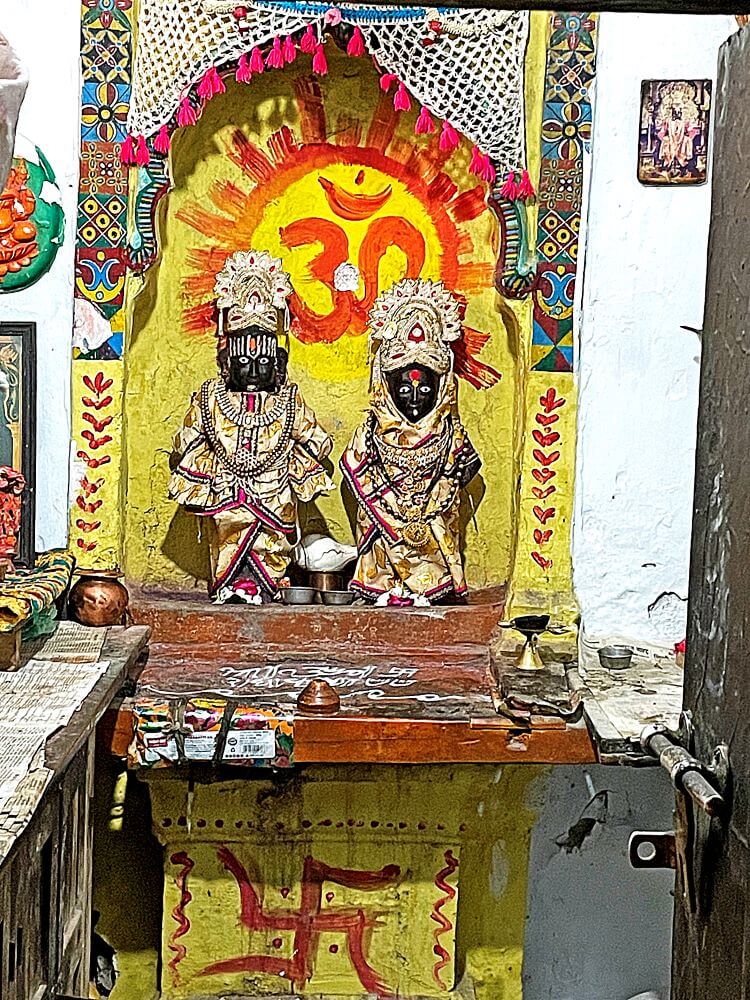
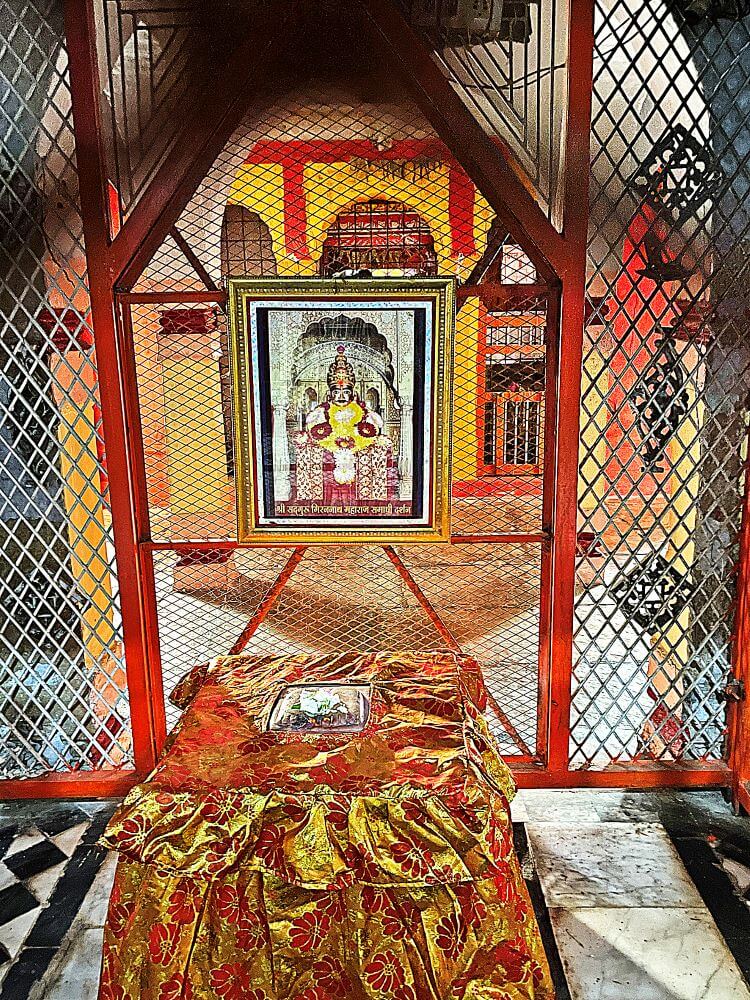
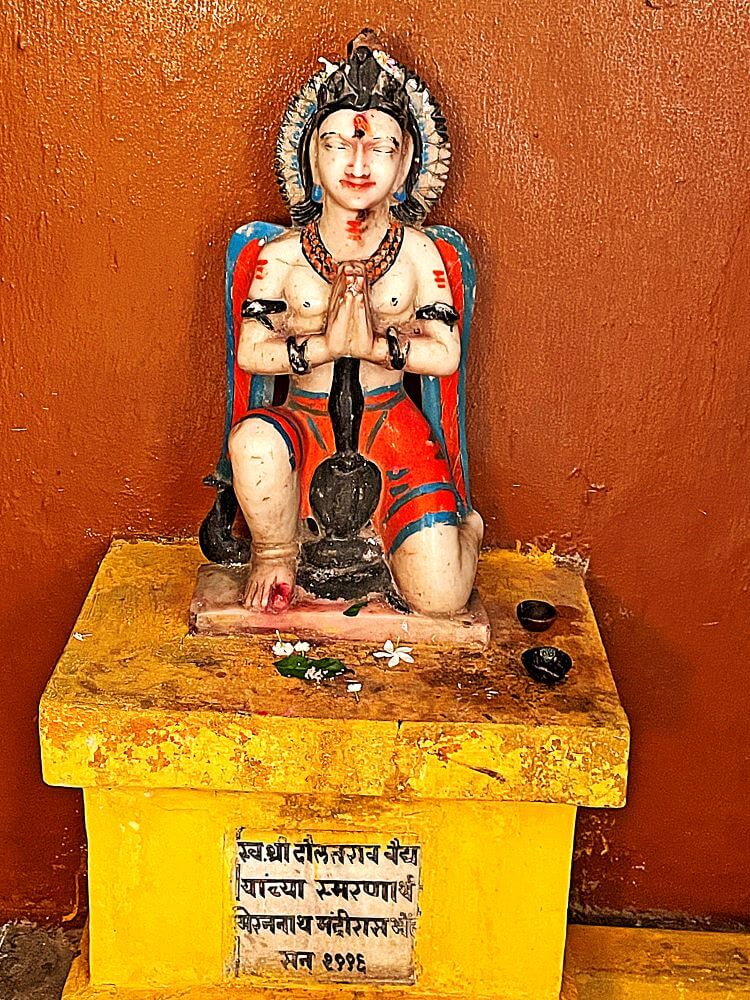
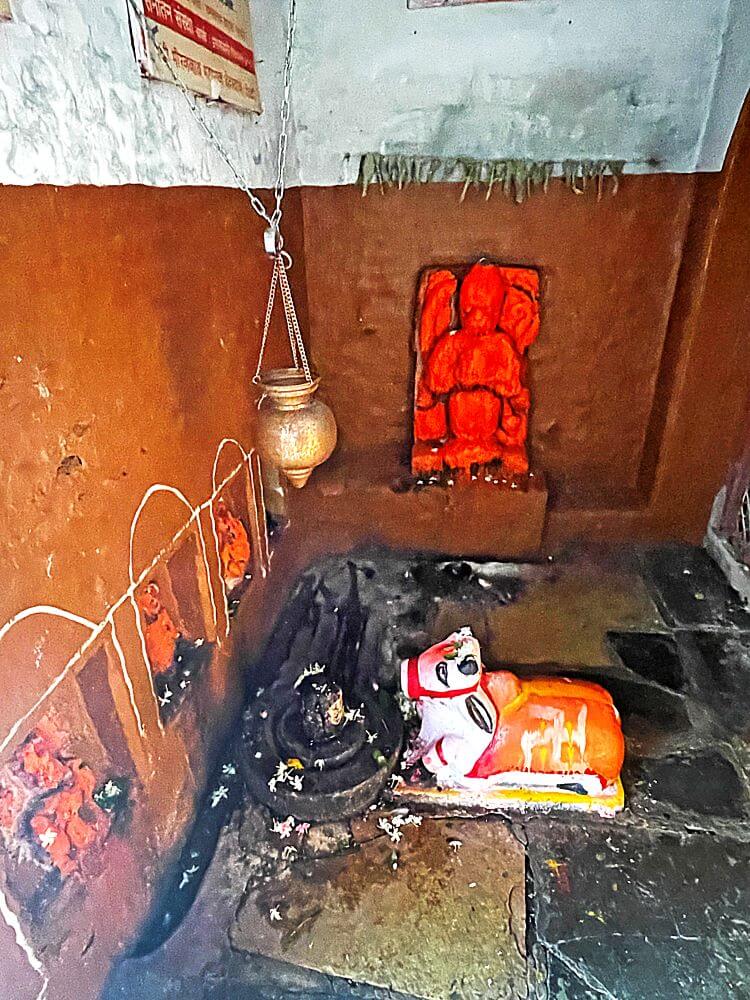
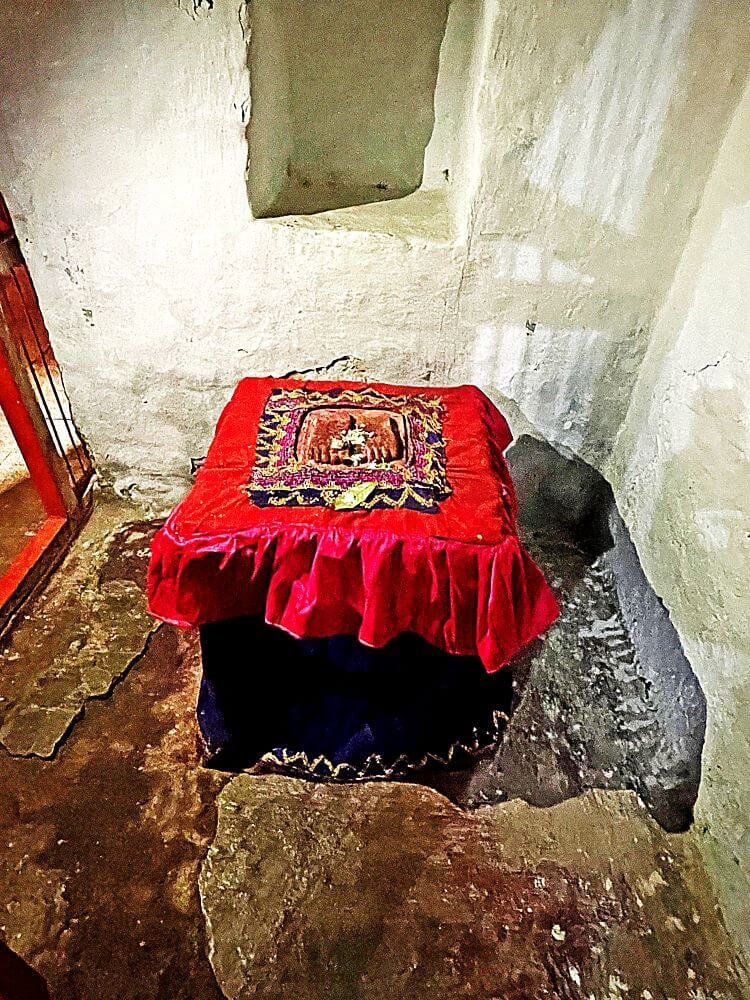
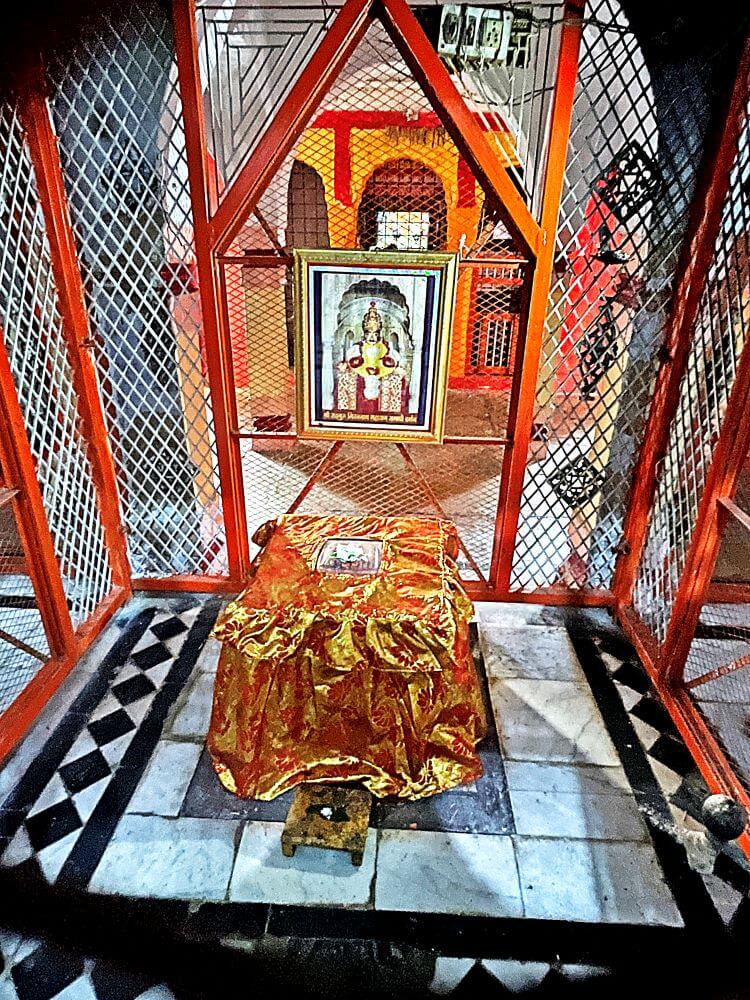
The Samadhi temple of Miran-nath Maharaj is located on the outskirts of Wardha city, along the Wardha-Deoli state highway. Miran-nath attained Samadhi on the day of Ashwin Shukla Ashtami in 1878. A month before his passing, he had personally selected this site in Deoli for his Samadhi. As his exact date of birth is unknown, his birth anniversary is not celebrated; however, his Punyatithi (death anniversary) is celebrated on a grand scale on Ashwin Shukla Ashtami. A 15-day fair is held during this time. During the festival, a chariot procession (Rath-yatra) of Miran-nath is taken through the village. The main entrance (Mahadwar) of the Miran-nath temple is three stories high, with an idol of Ganesha in the center of the third floor, topped by spires (Kalash). The temple construction is ancient and follows the Hemadpanti style. The sanctum sanctorum contains the Samadhi of Miran-nath, and his idol is placed in front of this spot. The temple also houses idols of Vitthal-Rukmini, as well as a Nandi and a Shiva Linga. Additionally, the temple contains the Samadhis of Shivram Maharaj Thakur and Harisut, also known as Ramji Hari Phutane.
This sacred temple stands as a testament to deep spiritual devotion, ancient architectural grandeur, and rich local cultural traditions.
The sanctum sanctorum houses the divine idol consecrated according to ancient Vedic traditions, surrounded by serene courtyards and traditional temple architecture.
Navratri, Maha Shivratri, Annual Temple Jatra & Deepotsav
Compare and book flights, secure top-rated local hotels near the temple, hire reliable guides, and rent cars instantly.
Extend your pilgrimage by visiting other highly sacred temples located nearby.


Add ₹999 more to unlock FREE SHIPPING!
Your sacred cart is currently empty.
Shop Photo FramesFill in your delivery details below to place your order.
Add comment