
Add ₹999 more to unlock FREE SHIPPING!
Your sacred cart is currently empty.
Shop Photo FramesRajura Taluka, which was part of the Hyderabad State in the pre-independence era, became a part of the Chandrapur district in Maharashtra in 1959. According to historical records, Rajura has been an important trading center since ancient times. Consequently, there are many ancient structures here. The grand 12th-century Someshwar Temple is located in Rajura city. The Siddheshwar Temple at Devada, dating back to approximately the same period, and its group of 12 Hemadpanti temples are famous. The Siddheshwar Temple is a place of faith for millions of devotees from Vidarbha and Telangana, and in 2023, the Government of Maharashtra sanctioned a fund of 15 crore rupees for the restoration and renovation of this temple complex.
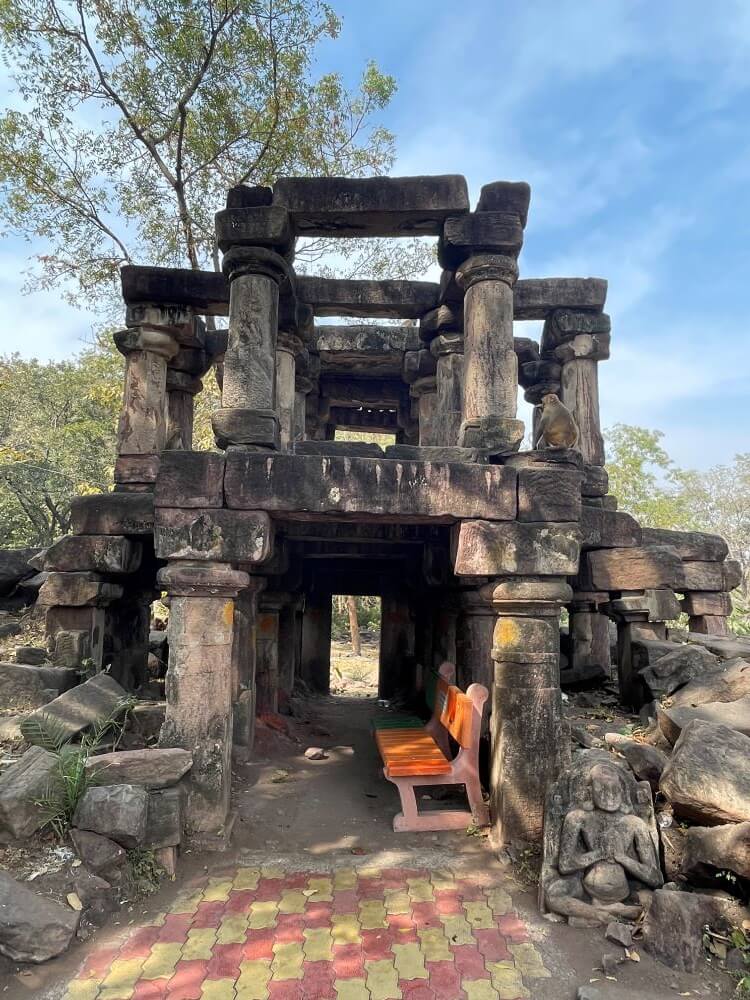
The Siddheshwar Temple is located in the Devada area, the last village of Rajura Taluka in Chandrapur district, situated on the border of Maharashtra and Telangana. It is said that there was once a group of 12 temples here; however, over time, many of them have fallen into ruin, and only the Siddheshwar Temple remains intact. There are many ruined remnants of other temples surrounding this temple. Based on these remains, scholars claim that these temples date back to the 12th or 13th century. Large festivals are held here during Shivratri and the month of Shravan in the nature-rich environment at the foothills of the mountain. At that time, millions of devotees from Marathwada, Vidarbha, and Telangana attend.
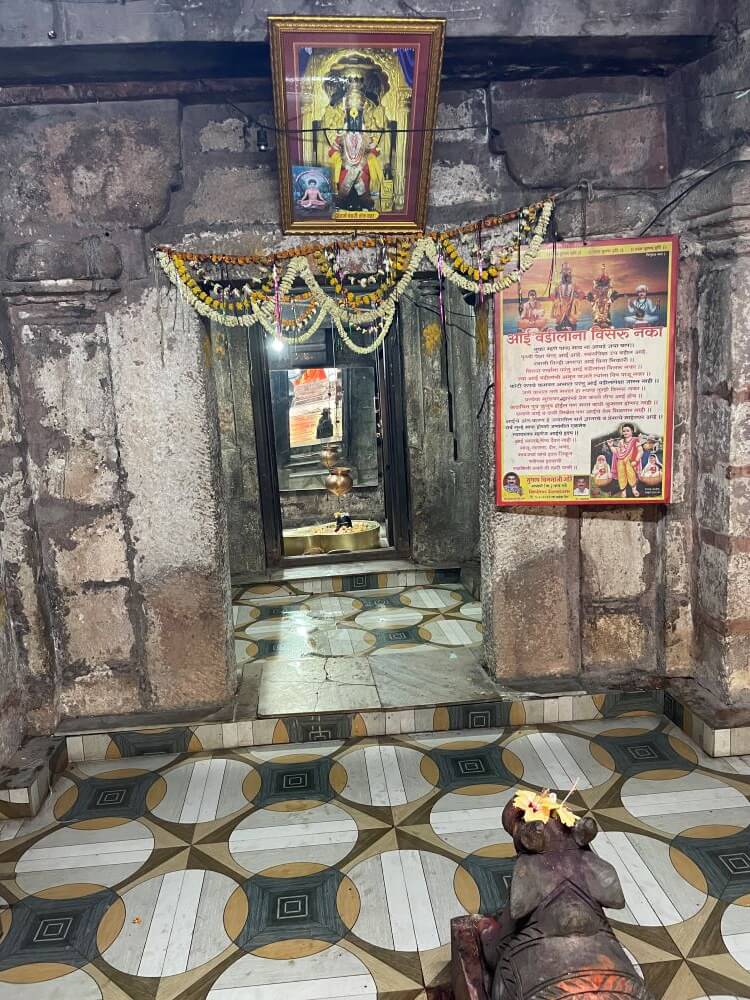
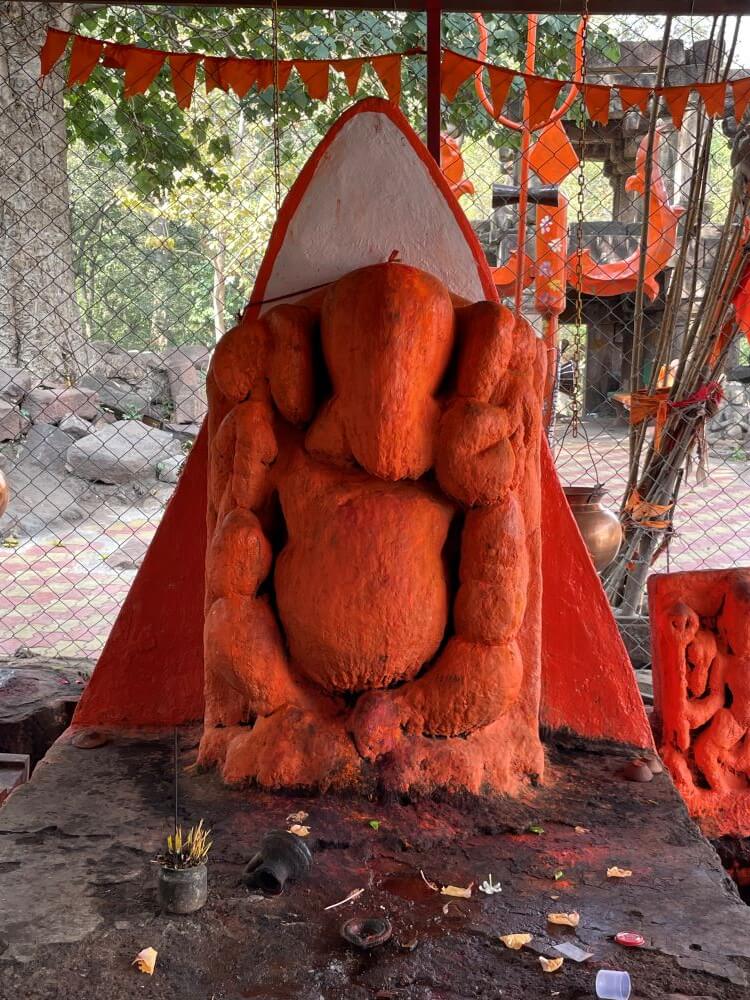
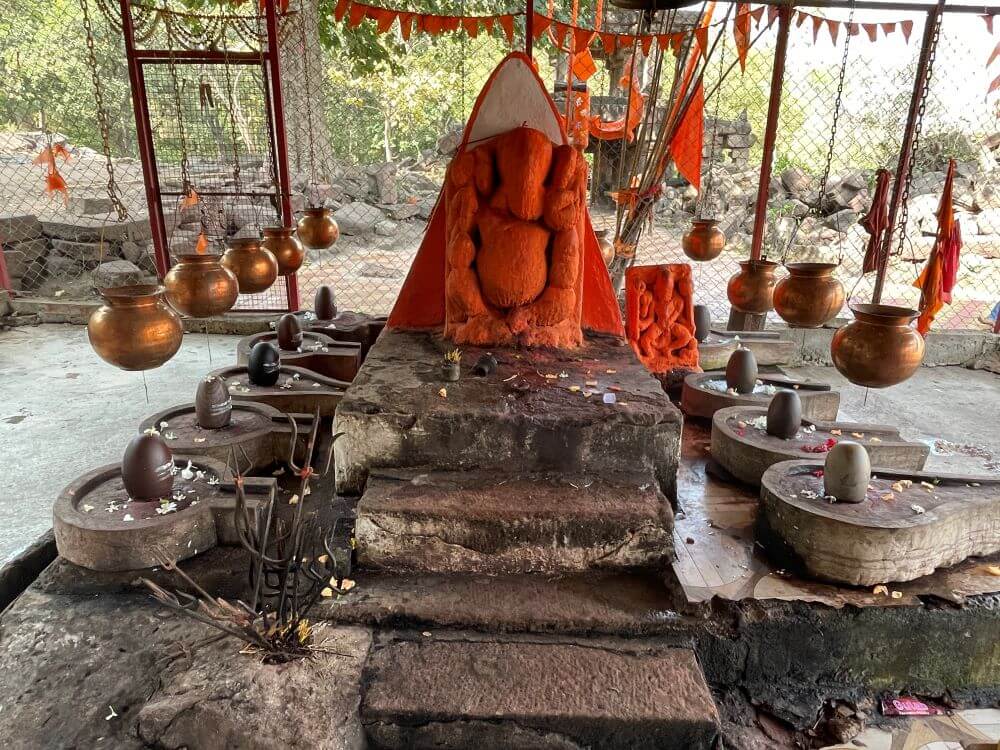
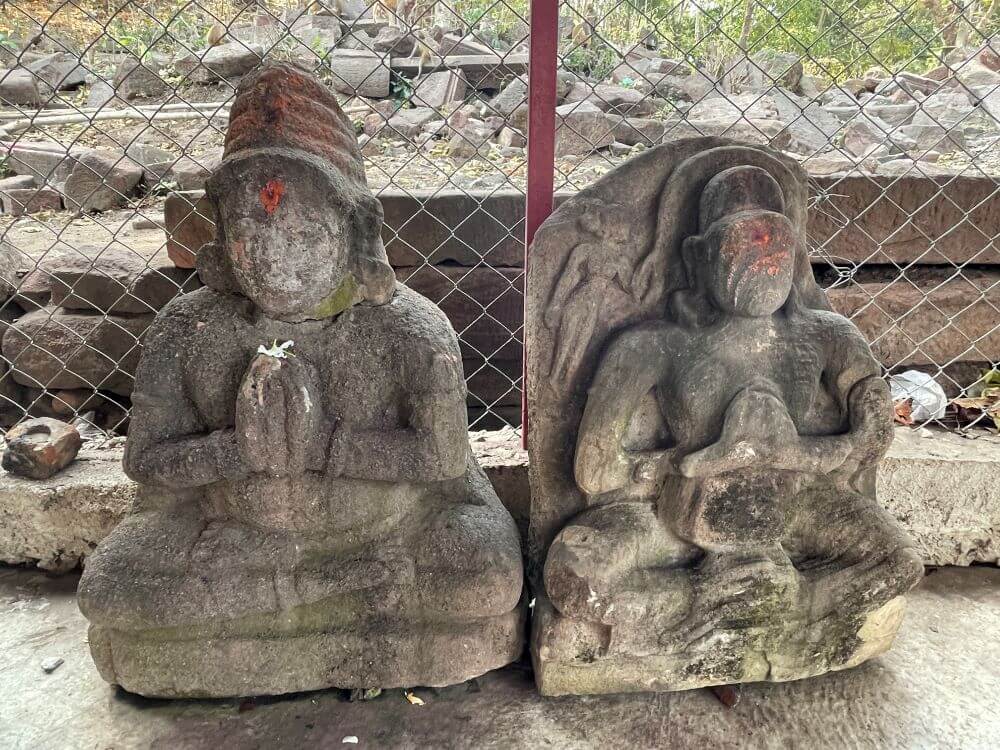
Devada village is situated on the Rajura-Asifabad road, and the Siddheshwar Temple is 2 km away from there. This temple complex is located on the slopes of the Balaghat range. Although all the temples here are of Hemadpanti architecture, not much carving is found on their pillars and walls. Many hero stones (Virgals) and stone idols in a folded-hands posture can be seen in this area. The west-facing Siddheshwar Temple is structured with a Sabha Mandap (assembly hall), Antarala (vestibule), and Garbhagriha (sanctum sanctorum). Another Sabha Mandap was built later in front of this original temple, which is covered by a tin shed. It houses an ancient vermilion-smeared idol of Lord Ganesha, which, based on its structure, is said to belong to the Vakataka period. Beside the Ganesha idol are 12 Shiva Lingas. Above each of these Shiva Lingas is an Abhisheka vessel, from which water is continuously poured over the Lingas. Perhaps these Shiva Lingas from the ruined temples here were collected and placed together.
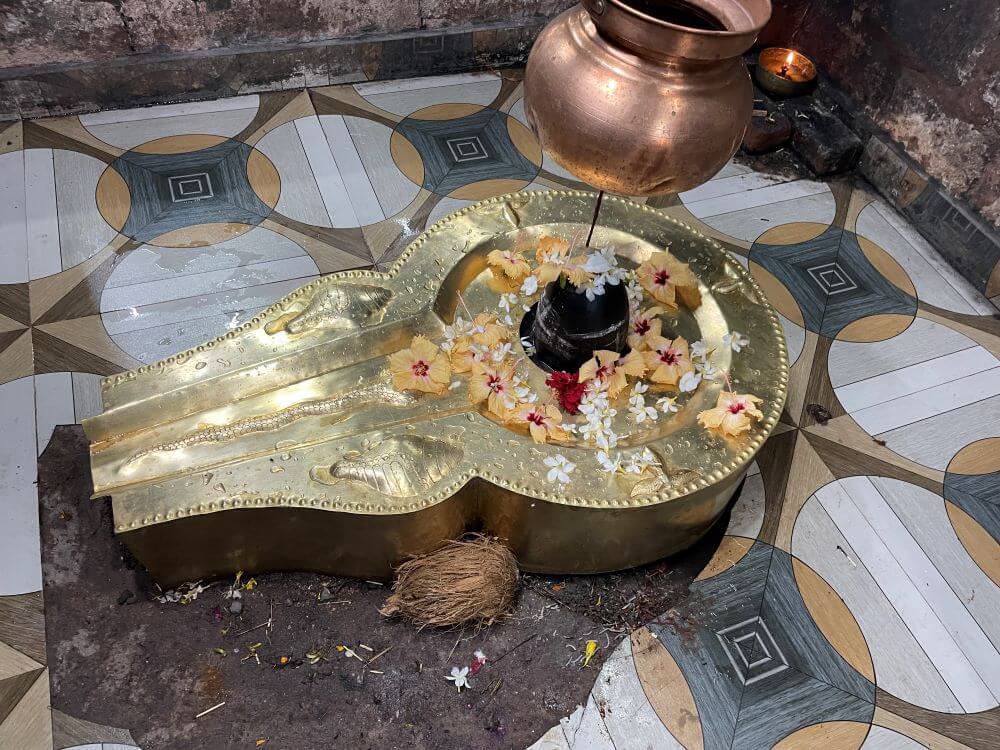
While entering the main temple from this Sabha Mandap, many ancient idols can be seen placed on both sides of the entrance. It is said that those idols also belong to other temples. There is a Nandi in the center of the Sabha Mandap, and some sculptures are engraved on the door frame of the Garbhagriha in the Antarala. Among them is a male figure sitting in Padmasana and another female sculpture. There is a Ganesha idol on the lintel of the Garbhagriha. The Shiva Linga in the Garbhagriha is located in the northeast direction between east and south. This ancient Shiva Linga is covered with a brass sheet. Four temples near and in front of the temple are in a dilapidated state, and 7 temples have been completely demolished. Therefore, large stones of temples and hero stones are seen scattered all over this area.
According to the locals, just 50 to 60 years ago, all 12 of these temples were in good condition. Around 1960, a bridge was built over the Wardha River for the Rajura-Ballarpur road. At that time, the contractor used stones from this temple complex. Because of this, some temples here fell and some were ruined. Since then, although the glory of this area has ended, the faith of the devotees has not diminished even slightly, which is evident from the number of devotees coming here.
Behind the Siddheshwar Temple is a pond that has water throughout all 12 months. Every Saturday and Monday in the month of Margashirsha, thousands of devotees cook food in this area and offer it as Naivedya to Lord Siddheshwar. This tradition has been followed here since ancient times and is still observed today. The Telugu-speaking people living in this region and from Telangana come here in large numbers on Sundays. This area becomes crowded with devotees during Shravan and Shivratri.
In 2022, a survey of the Siddheshwar Temple complex was conducted by the Maharashtra State Archaeology Department, and the corresponding plan and proposal were submitted to the government in 2023. Accordingly, funds were provided by the Government of Maharashtra in 2023 to restore the former glory of this temple complex, which is a place of faith for millions of devotees. In February 2024, the work here was also started after the Bhoomi Pujan by the State Government’s Ministry of Culture. According to the information provided by the state government, this pilgrimage site will be included in the ‘B’ category. Therefore, in the future, this place will be able to develop as an important tourist center along with being a pilgrimage site.
About 1 km away from this temple, on the mountain here, is the Bhivsen deity shrine. It is a place of faith for the Gond community. There is a tradition of offering clay horses to the deity after the fulfillment of a vow. If it does not rain on time or if there are other difficulties, sacrifices are offered to this deity by the Gond devotees.
This sacred temple stands as a testament to deep spiritual devotion, ancient architectural grandeur, and rich local cultural traditions.
The sanctum sanctorum houses the divine idol consecrated according to ancient Vedic traditions, surrounded by serene courtyards and traditional temple architecture.
Navratri, Maha Shivratri, Annual Temple Jatra & Deepotsav
Compare and book flights, secure top-rated local hotels near the temple, hire reliable guides, and rent cars instantly.
Extend your pilgrimage by visiting other highly sacred temples located nearby.


Add ₹999 more to unlock FREE SHIPPING!
Your sacred cart is currently empty.
Shop Photo FramesFill in your delivery details below to place your order.
Add comment