
Add ₹999 more to unlock FREE SHIPPING!
Your sacred cart is currently empty.
Shop Photo FramesSituated in the Purandar Taluka of Pune district, the holy place of Narayanpur is renowned for its ancient Narayaneshwar Mahadev Temple and the modern Ekmukhi Datta Temple. The single-faced (Ekmukhi) form of Lord Dattatreya, symbolizing divine grace and the philosophy of Advaita (Non-duality), is the main attraction of this pilgrimage shrine. Devotees firmly believe that this is a spiritually active and deeply sacred place (Jagrut Devasthan). A grand celebration of Datta Jayanti takes place here on Margashirsha Purnima. Thousands of devotees arrive for darshan during this festival, which lasts for three consecutive days.
The historical background of Narayanpur is ancient. The long heritage of this village is evidenced by the Narayaneshwar Temple located here. Built in the Hemadpanti architectural style, this temple dates back to the Yadava period around the 13th century. Being situated at the foot of Purandar Fort, this region held great political significance as well. In Maratha history, the name of Narayanpur is linked to the Treaty of Purandar. In the year 1665, this historic treaty between Chhatrapati Shivaji Maharaj and the Mughal general Mirza Raja Jai Singh took place in this very region. According to the terms of this treaty, Maharaj had to hand over 23 forts of Swarajya to the Mughals. During the struggle for Swarajya, this region served as a center for many political activities.
The story of Saint Changdev Maharaj is also associated with this place. It is believed that Saint Changdev Maharaj was a great Hathayogi who lived for fourteen hundred years, and Narayanpur is considered his native village. According to sacred traditions, when Changdev Maharaj set out to meet Sant Dnyaneshwar riding on a tiger and holding a serpent as a whip, Dnyaneshwar Mauli and his siblings rode a moving wall to greet him, dissolving his pride. Following this event, Changdev Maharaj accepted Muktabai as his Guru and performed penance at this place.
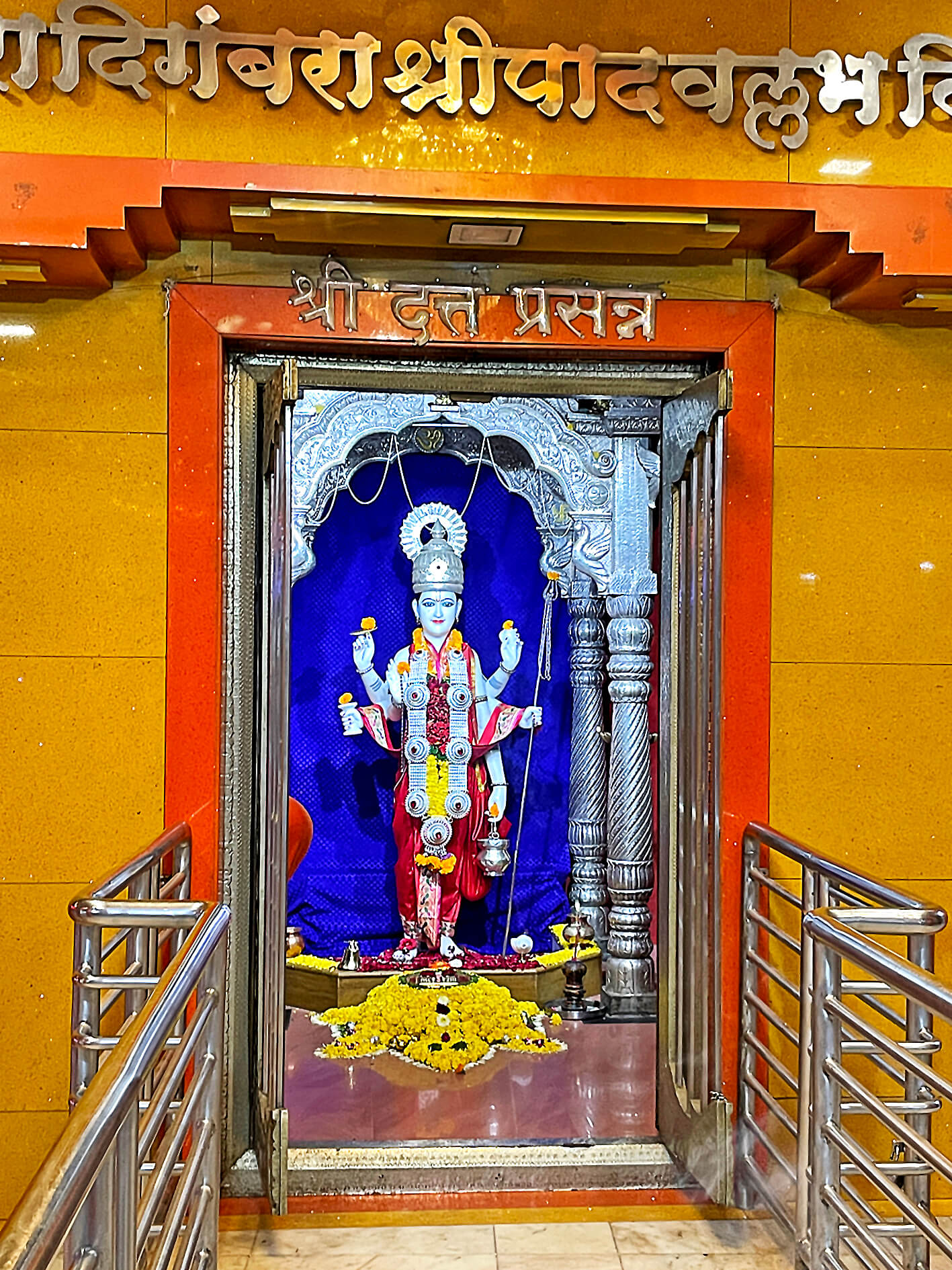
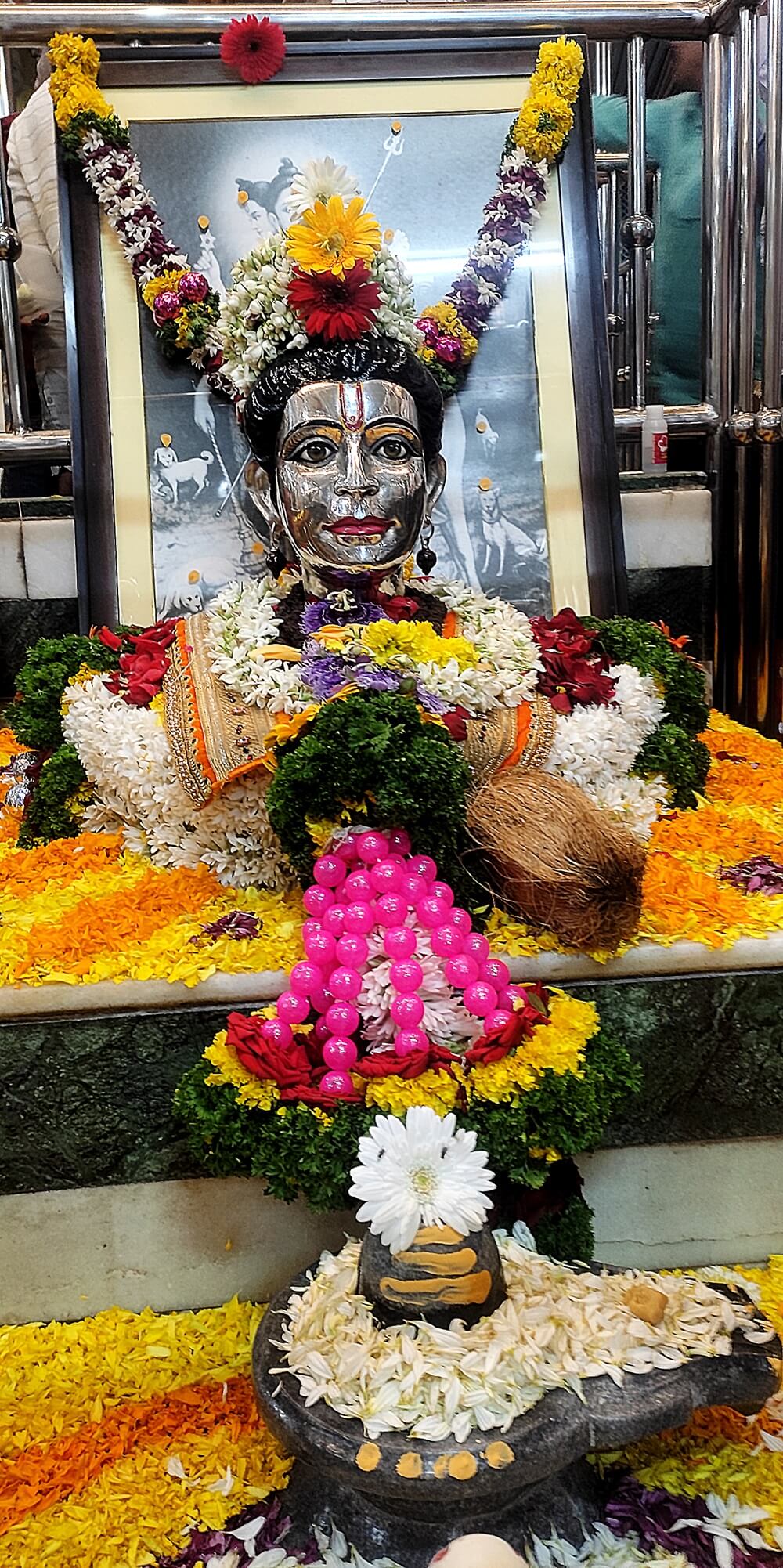
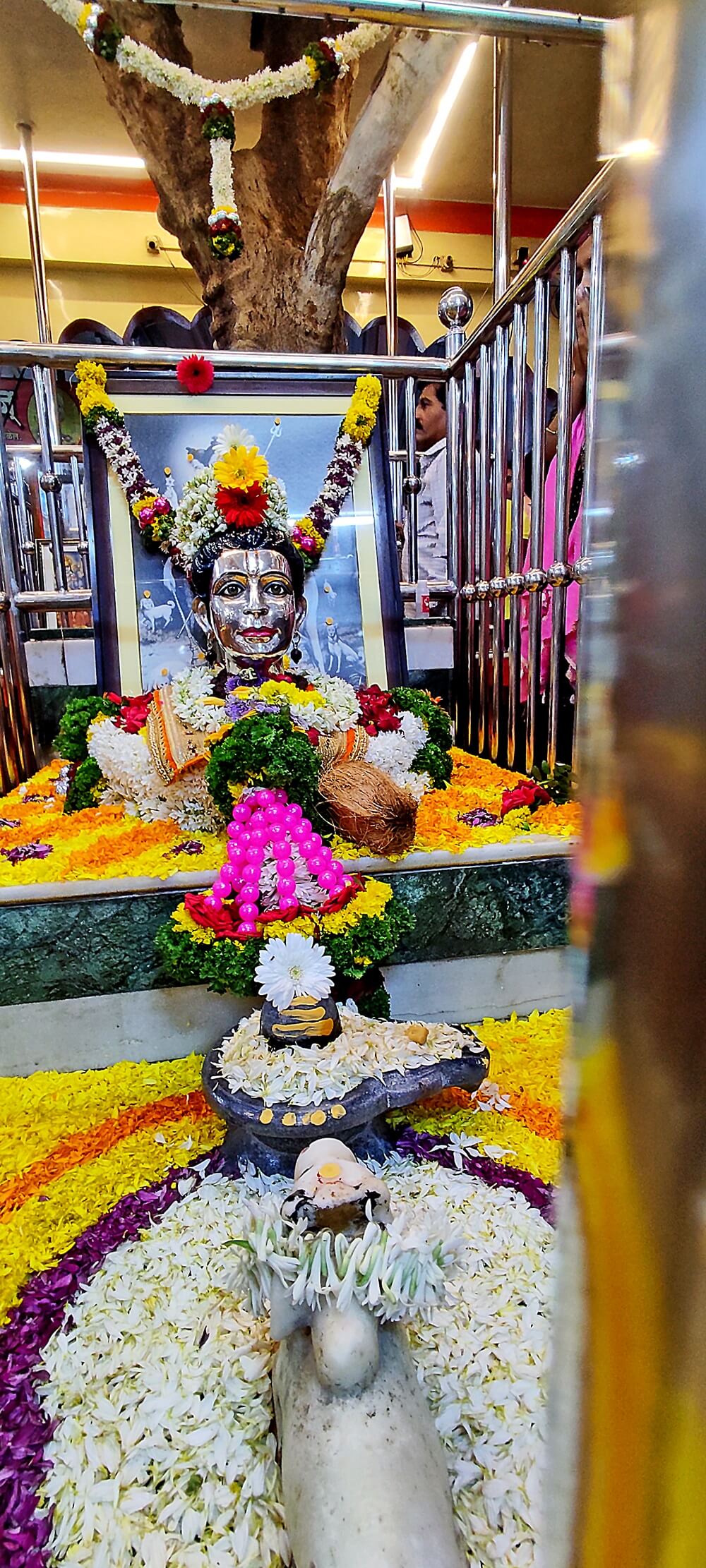
In the tradition of Lord Dattatreya, this shrine is famous for the Ekmukhi (single-faced) Datta form. Generally, idols of Dattatreya feature three faces, but here He presides in the Ekmukhi form. It is believed that the Ekmukhi form symbolizes the philosophy of ‘Advaita’, showing the path from multiplicity to supreme oneness. According to local sacred lore, Sadguru Narayan, also known as Anna Maharaj, performed severe penance at the Narayaneshwar Temple here. Lord Narayaneshwar granted him divine darshan in the form of a celestial voice. However, Anna Maharaj desired to see the Lord’s physically manifested form. He prayed earnestly, and the Lord instructed him to receive Gurukrupa (the grace of a Guru). Following the command of Narayaneshwar, Anna Maharaj began daily circumambulation (Pradakshina) around a small Audumbar (Sacred Fig) tree at the place where the Ekmukhi temple stands today. One day, Anna Maharaj was blessed with the divine vision of Datta Guru here. On that spot, he consecrated the Nirguna Padukas of Lord Vishnu, a Shivling, and Nandi, and erected a three-faced Datta temple. This temple was built around 1964. Later in 1986, the holy consecration (Prana Pratishtha) of a six-armed marble idol of Ekmukhi Datta was performed here. Since then, this pilgrimage site has become a major center of the Datta Sampradaya.
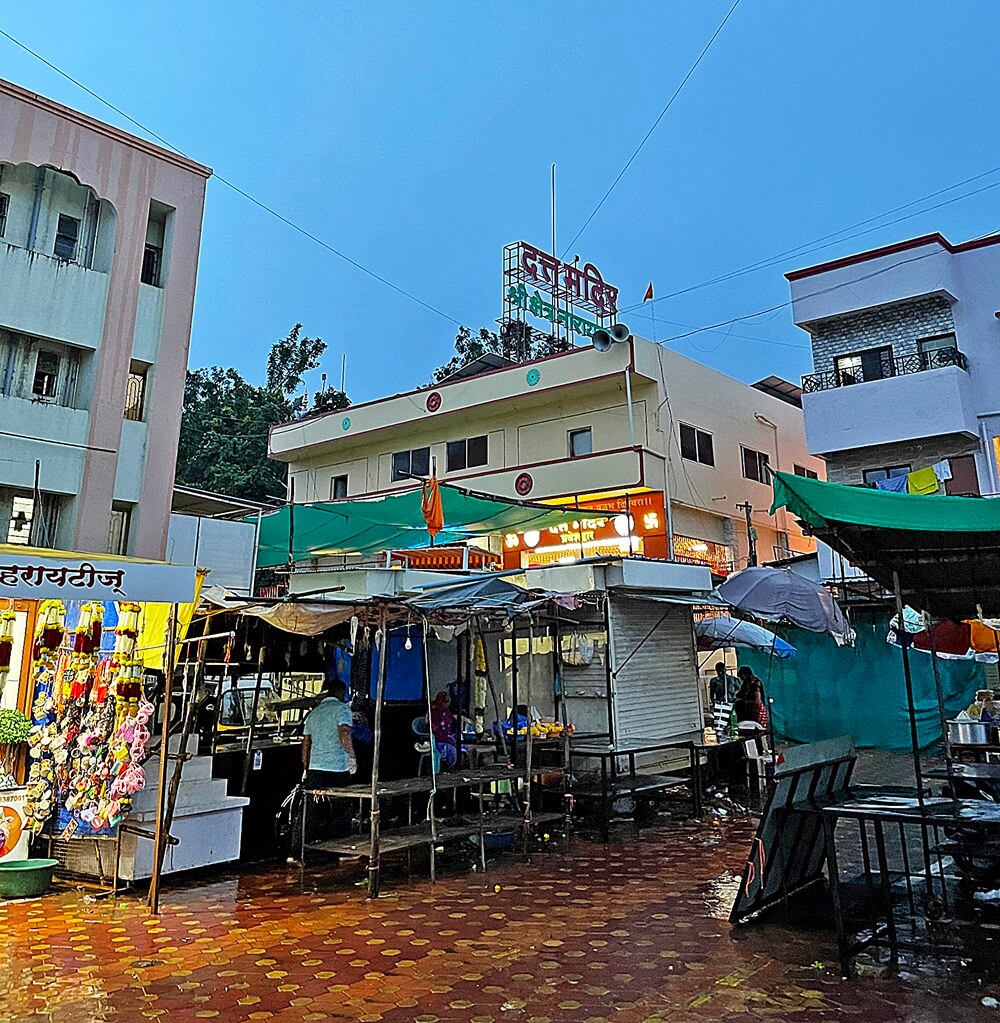
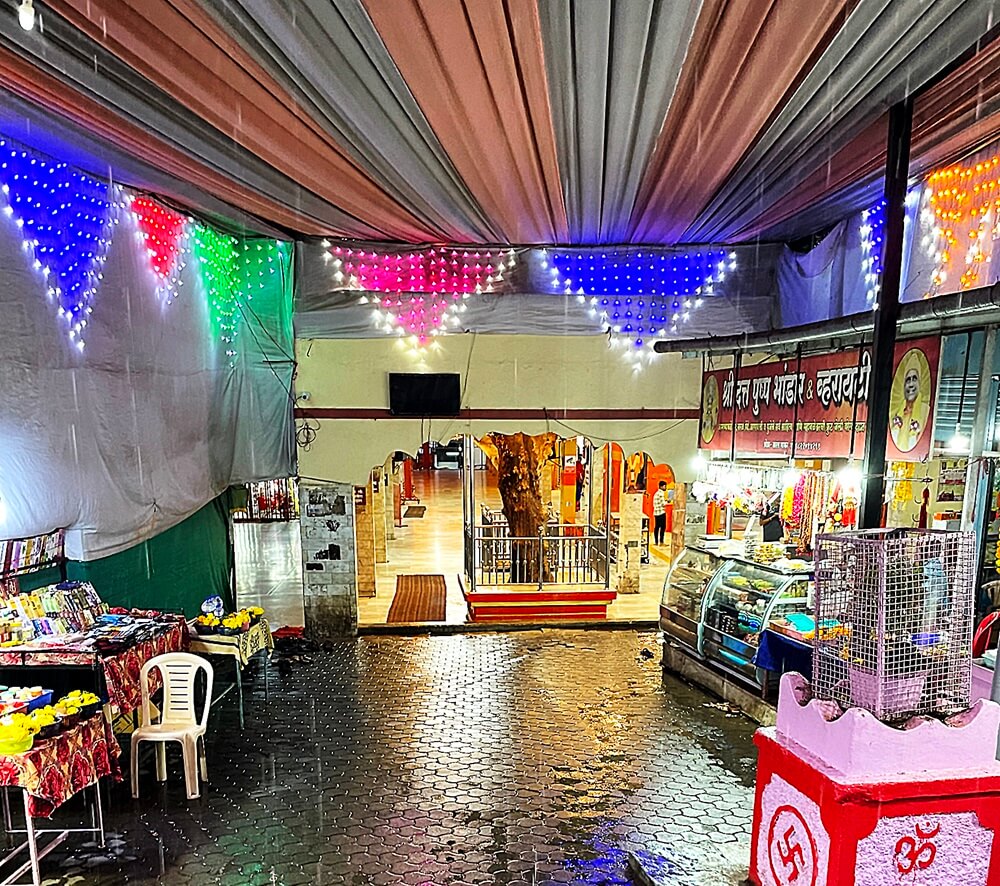
Narayanpur is nestled at the foothills of the Purandar Fort. To reach here from Pune, one can travel via Katraj Ghat or Dive Ghat. Located amid the Sahyadri mountain ranges, the surrounding environment is blessed with lush nature. Within the temple complex, the ancient Narayaneshwar Temple stands on one side, while the modern Datta Temple is located on the other. For the comfort of pilgrims, the Shri Datta Temple Trust provides Bhakta Niwas (pilgrim accommodation) and Mahaprasad services. Entering through the main entrance gate leads into a spacious courtyard lined with numerous shops selling puja offerings. An ancient and grand Audumbar tree stands here, which is revered as deeply sacred in the Datta Sampradaya. Underneath this holy tree, the Padukas of Lord Vishnu are consecrated.
The Ekmukhi Datta Temple is constructed in the traditional ‘Nagara’ architectural style. The structure from the grand entrance gate to the spire (Shikhara) is magnificent. The temple has a large assembly hall (Sabhamandap), whose walls display pictorial depictions of various sacred episodes from the holy text ‘Shri Gurucharitra’. Beyond the Sabhamandap lies the main sanctum sanctorum (Garbhagriha), housing a beautiful six-armed idol of Ekmukhi Datta sculpted from pure white marble. In these hands, the deity holds a Damaru (drum), Conch (Shankha), Discus (Chakra), Rosary (Japamala), Water-pot (Kamandalu), and Mace (Gada). The gently tapering Shikhara is crowned with a golden finial (Suvarna Kalash). The architecture beautifully blends ancient stone carving with modern marble craftsmanship.
Various religious festivals and auspicious occasions are celebrated with great devotion at Narayanpur throughout the year. Datta Jayanti, celebrated on Margashirsha Purnima, is the largest and most prominent festival here. The grand event lasts for three consecutive days, attracting thousands of devotees. During this time, special bhajans, kirtans, and Mahaprasad distributions are organized. Large crowds of devotees gather every Thursday and on full moon days (Purnima). On Thursdays, the day begins at 5:00 AM with Rudrabhisheka and Kakad Aarti. Mahaprasad is served in the afternoon, and at 9:30 PM, Lord Datta’s sacred Palkhi (palanquin) procession takes place in the presence of hundreds of devotees. The final Aarti performed at midnight at 12:30 AM is regarded as a deeply sacred ritual here.
This Datta Temple of Narayanpur is revered as a spiritually active shrine (Jagrut Devasthan). Devotees hold immense faith that visiting here for darshan fulfills one’s heartfelt desires. Many devotees share the divine experience that making a vow (Sankalpa) to visit for 21 consecutive Thursdays brings fulfillment of their wishes even before the 21 Thursdays are completed.
This sacred temple stands as a testament to deep spiritual devotion, ancient architectural grandeur, and rich local cultural traditions.
The sanctum sanctorum houses the divine idol consecrated according to ancient Vedic traditions, surrounded by serene courtyards and traditional temple architecture.
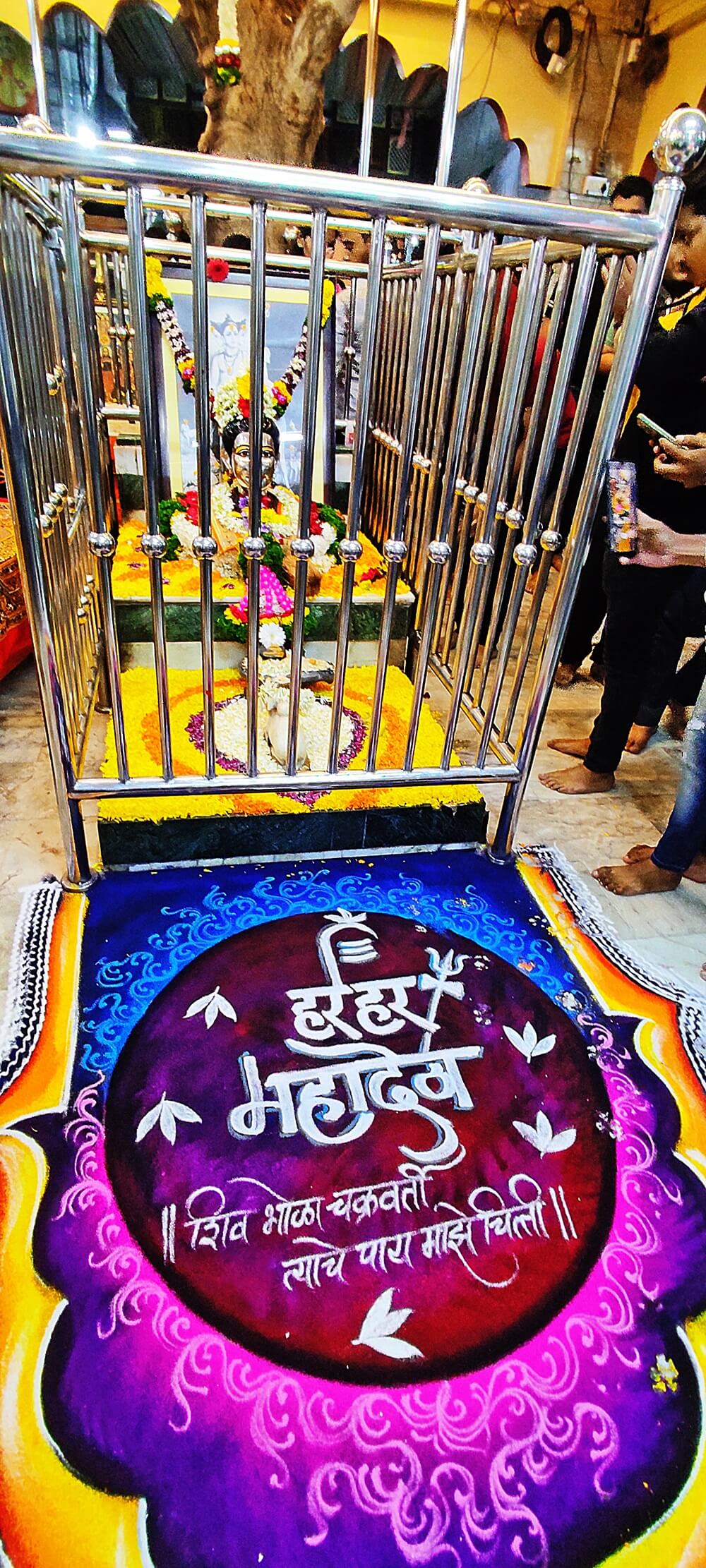
Navratri, Maha Shivratri, Annual Temple Jatra & Deepotsav
Compare and book flights, secure top-rated local hotels near the temple, hire reliable guides, and rent cars instantly.
Extend your pilgrimage by visiting other highly sacred temples located nearby.


Add ₹999 more to unlock FREE SHIPPING!
Your sacred cart is currently empty.
Shop Photo FramesFill in your delivery details below to place your order.
Add comment