
Add ₹999 more to unlock FREE SHIPPING!
Your sacred cart is currently empty.
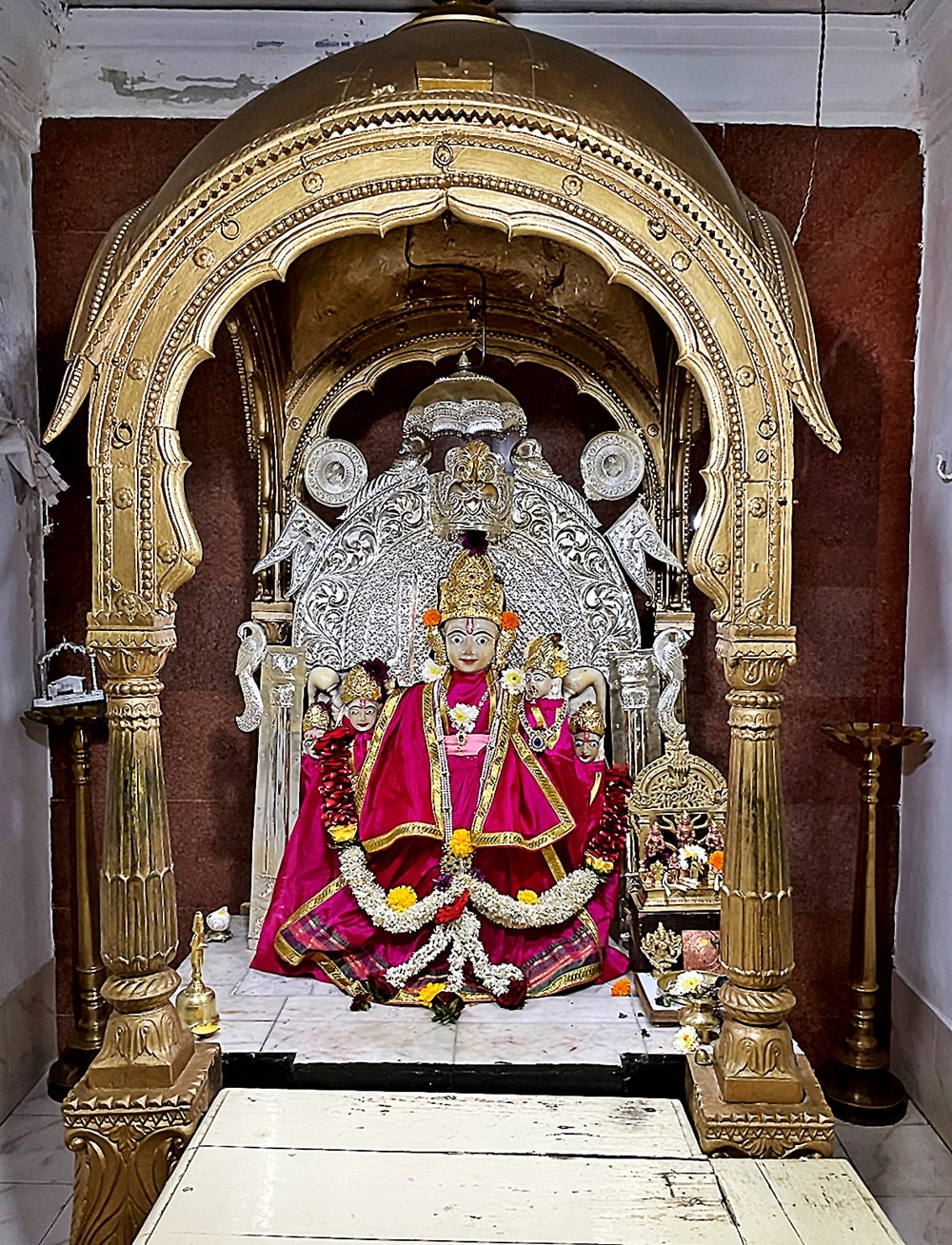
Shop Photo FramesThe Rahalkar Ram Mandir was established in the year १८३८ by Ganesh Baba Rahalkar in Sadashiv Peth, located in the heart of Pune city. This temple is situated in the Shriram Tirtha building on the road leading from Nagnath Par to Shanipar. Built in the architectural style of the Peshwa era, this temple was initially known as a private place of worship. The uniqueness of this temple lies in the fact that the Pattabhishekta Ram Panchayatana idol is carved from a single, monolithic piece of white marble. This idol, carved from a single stone, is considered a rare specimen of nineteenth-century sculpture.
Sadashiv Peth, located in the central part of Pune city, is known for its historical buildings and cultural traditions. Established during the Peshwa period in the name of Sadashivrao Bhau, this Peth still preserves the identity of old Pune today. The legend behind the establishment of the Ram Mandir in this Peth is that Ganesh Baba Rahalkar had taken a liking to an idol of Shriram. At that time, it was mortgaged to a goldsmith. Due to financial difficulties, it was not possible for Ganesh Baba to purchase the idol. Meanwhile, the goldsmith began suffering from a severe abdominal ailment. Despite many treatments, he found no relief. One night, Shriram appeared to the goldsmith in a dream and commanded him to hand over the idol to Ganesh Baba Rahalkar. Following this divine vision, the goldsmith sent the idol in a palanquin to Rahalkar’s house free of charge. As soon as the idol was handed over, the goldsmith’s illness was completely cured. After this incident, Ganesh Baba built the temple on his own land.
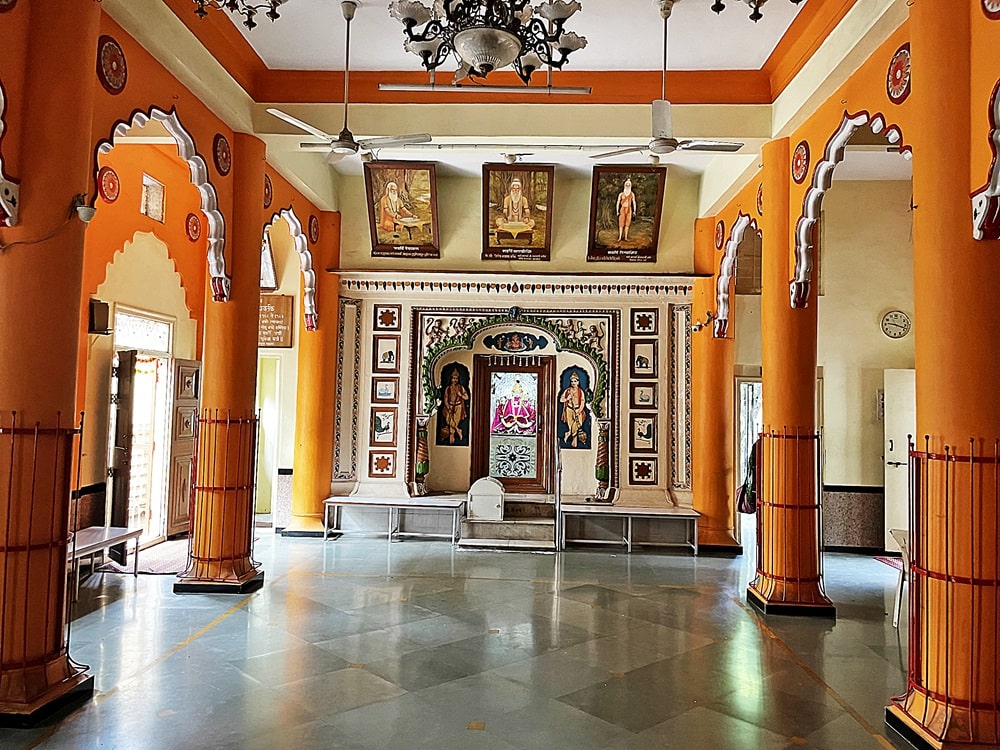
The main entrance of the temple is designed in the style of traditional Marathi mansions (wadas). From this entrance, one enters a small courtyard. The walls of the temple were originally built using stone and mud. Over time, due to the deterioration of these walls, they have now been replaced with solid brick and cement walls. In the mandapa (hall) in front of the temple, there is an idol of Hanuman welcoming devotees with folded hands. It is a tradition here to first seek the blessings of this idol before proceeding to have the darshan of Shriram in the sanctum sanctorum. The circular pillars in the spacious assembly hall of the temple are connected to each other with arched craftsmanship. Aartis and bhajans are organized here every evening. Chandeliers hang from the ceiling of the assembly hall, and old photographs and religious messages are displayed on the walls. Sitting here and chanting the name of Ram is a daily routine for many Puneite devotees.
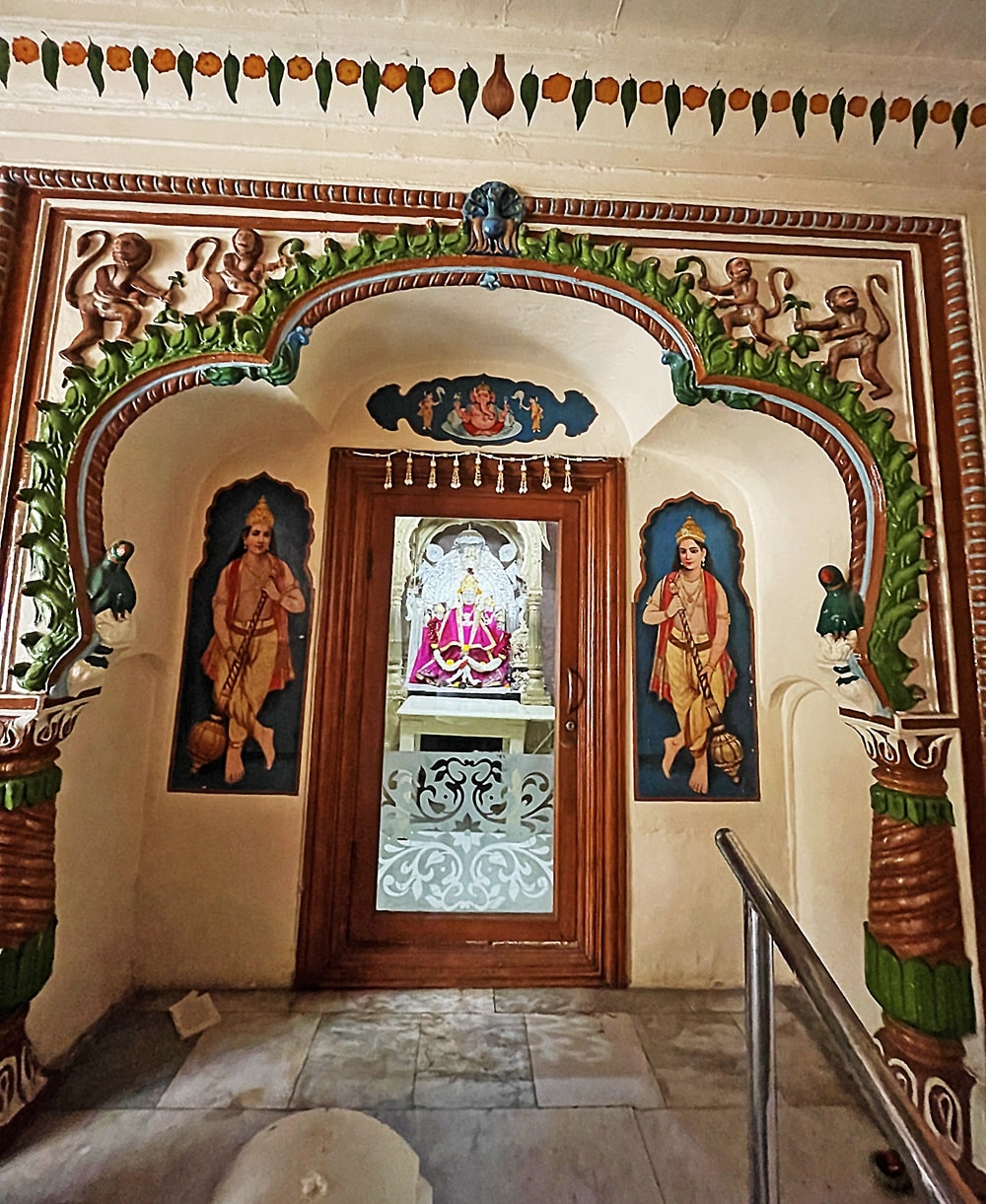
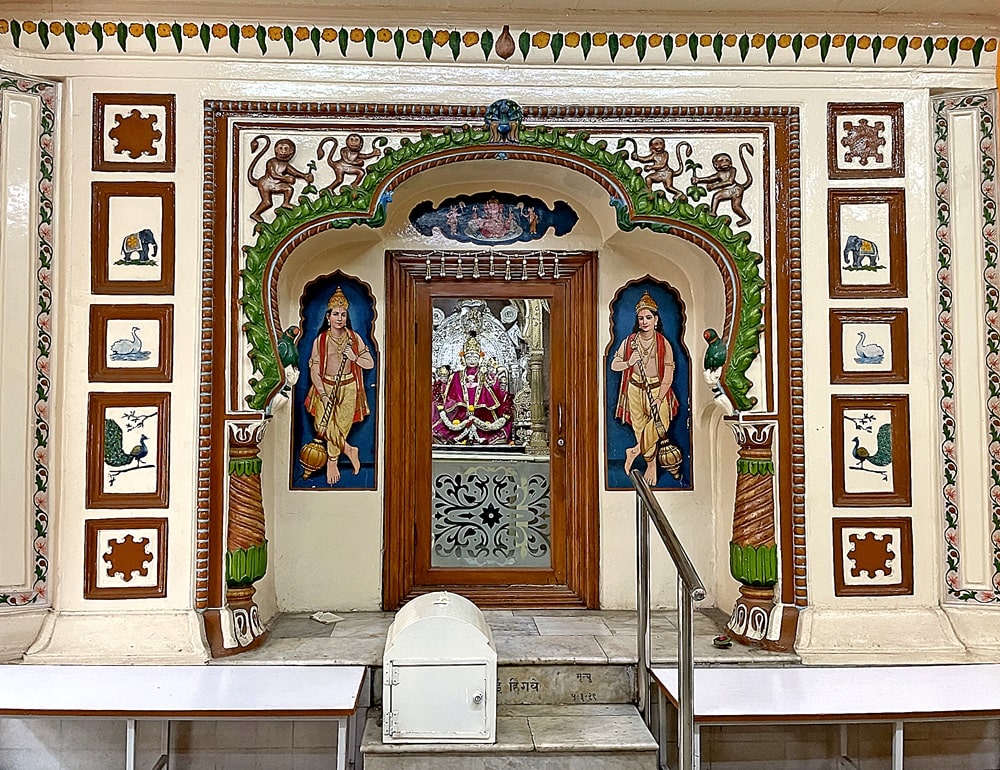
In the area above the arched entrance of the antarala (vestibule), which is slightly elevated from the assembly hall, there are relief sculptures of the Vanara Sena (monkey army) in various postures. On the walls on both sides of the doorway, paintings of various animals like elephants, peacocks, and swans are depicted. Above this, there are large portraits of sages Maharishi Vishwamitra and Valmiki. The main entrance to the sanctum sanctorum beyond this features colorful artwork. The wooden frame of this entrance is covered with transparent glass for protection. There are images of dwarapalas (gatekeepers) on both sides of the entrance.
In the sanctum sanctorum, the ‘Pattabhishekta Ram Panchayatana’ idol rests on a vajrapitha (throne) within a white marble shrine. This Panchayatana idol, carved from a single, monolithic white marble stone, is considered an excellent example of sculpture. It includes intricate carvings of Shriram, Sita, Lakshmana, Bharata, and Shatrughna, along with Hanuman and the rest of the Vanara Sena. The idol depicts the coronation of Shriram as described in the Uttarakanda of the Ramayana. Shriram and Sita are seated on the throne, with the brothers standing by their side. Such a complete Panchayatana idol carved from a single stone is considered rare in Maharashtra. The expressions on the idols and the details of the carving are distinctive. Behind the idol is an ornate prabhavali (halo). The shikhara (spire) of the temple is a blend of Maratha and Nagara styles. The height of the shikhara is moderate. It is adorned with small idols of various deities and intricate carvings. At the top, there is a gold-plated kalasha.
The Rahalkar Ram Mandir is at the forefront in Pune regarding cultural and religious festivals. The Ram Navami festival in the month of Chaitra is celebrated here on a grand scale and in a disciplined manner. This festival, which begins on Gudi Padwa, lasts for nine consecutive days. During this time, kirtans and discourses are held daily. On the day of Ram Navami, the birth celebration of Lord Shriram is observed at twelve o’clock in the afternoon. At this time, a cradle is decorated, and Sunthavada (a traditional ginger-based sweet) is distributed as prasad. Many devotees from Sadashiv Peth and other parts of Pune attend this ceremony. During the festival, the entire temple is decorated with flowers and illuminated with lamps.
A unique and important feature of this temple is the ‘Kaushalya Dohale Jevan’ (baby shower) ritual performed here on Ashtami. On the day before Ram Navami, a pregnant woman is considered a symbol of Mother Kaushalya, and her baby shower is celebrated. For this ritual, special decorations are made in the sanctum sanctorum of the temple, and traditional delicacies are prepared.
This initiative honors motherhood and portrays episodes from the Ramayana. Local women participate in this ritual with great enthusiasm. Hanuman Jayanti, which falls a few days after Ram Navami, is also celebrated with great fervor in this temple.
Special pujas and abhishek are performed in the temple at the time of Hanuman’s birth. Additionally, during the month of Shravan, bhajan sessions by women’s groups and Haldi-Kumkum programs are held. The management of the temple is currently being handled by the seventh generation of the Rahalkar family.
This sacred temple stands as a testament to deep spiritual devotion, ancient architectural grandeur, and rich local cultural traditions.
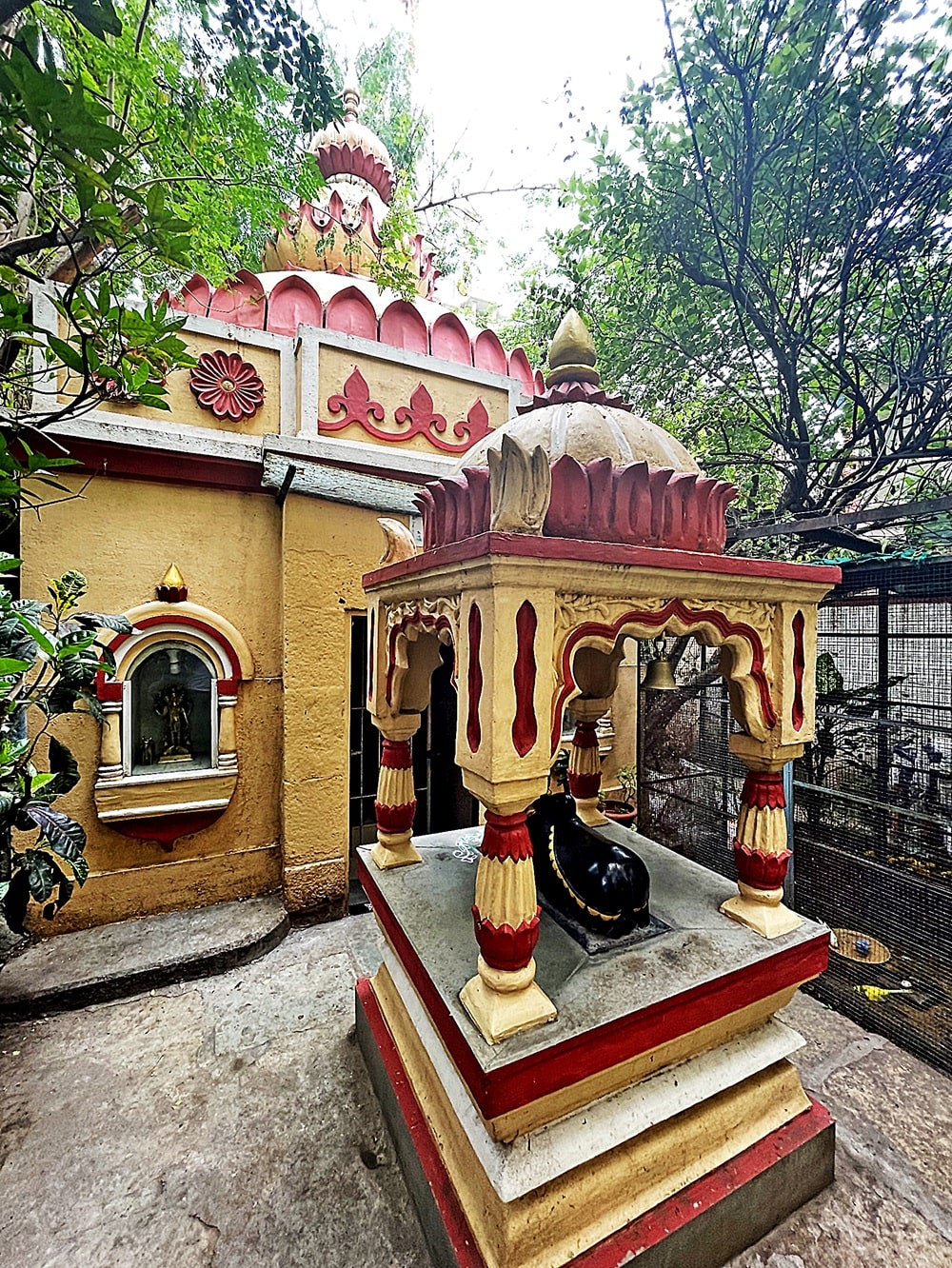
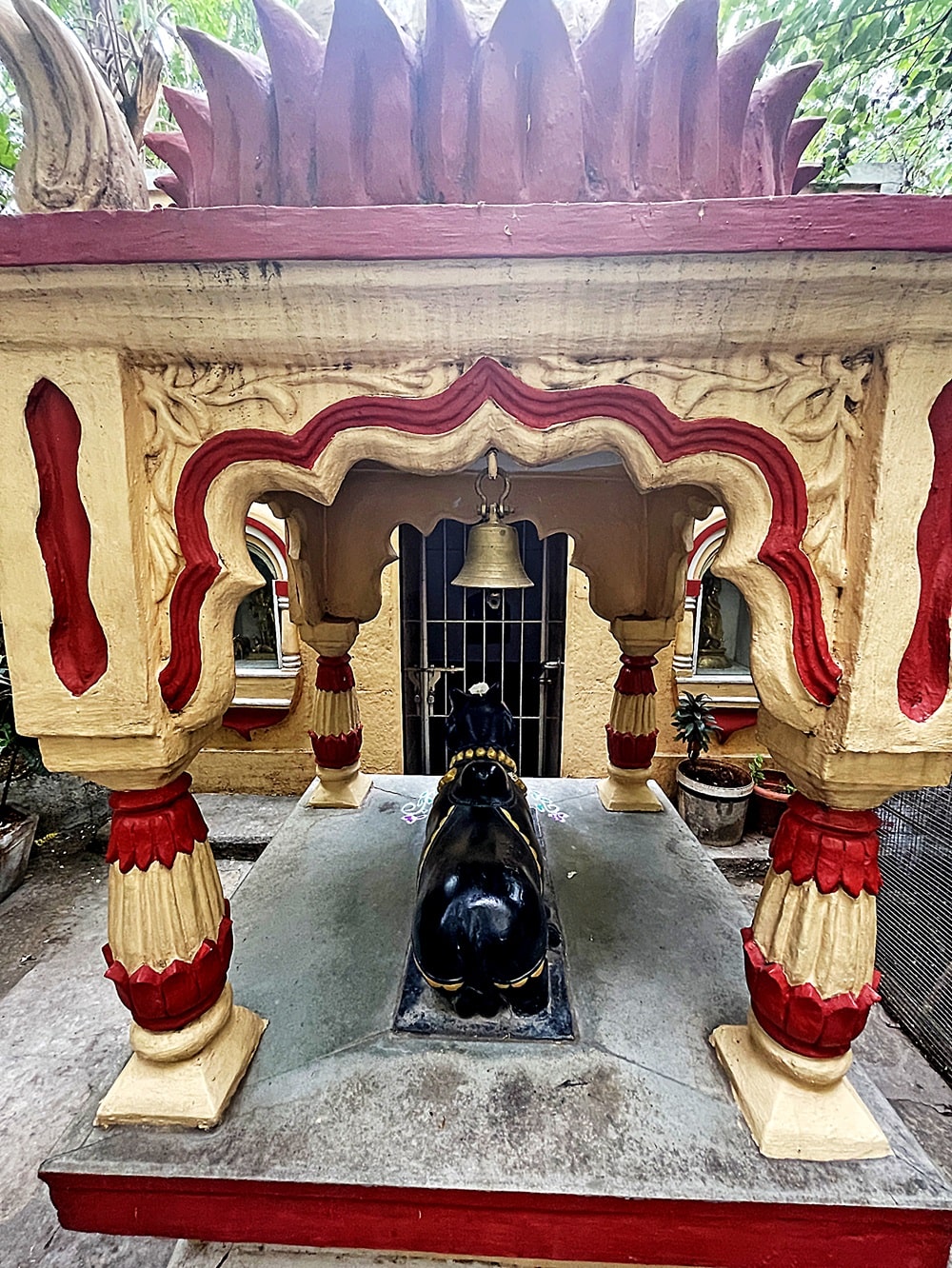
The sanctum sanctorum houses the divine idol consecrated according to ancient Vedic traditions, surrounded by serene courtyards and traditional temple architecture.
Navratri, Maha Shivratri, Annual Temple Jatra & Deepotsav
Compare and book flights, secure top-rated local hotels near the temple, hire reliable guides, and rent cars instantly.
Extend your pilgrimage by visiting other highly sacred temples located nearby.

Add ₹999 more to unlock FREE SHIPPING!
Your sacred cart is currently empty.
Shop Photo FramesFill in your delivery details below to place your order.
Add comment