
Add ₹999 more to unlock FREE SHIPPING!
Your sacred cart is currently empty.
Shop Photo FramesHattibet is a religious and historical site located near Devarjan village in the Udgir taluka of Latur district. This place is considered a confluence of nature, history, and culture. It is home to the heritage of ancient caves dating back to the 6th century. During the 1946 Hyderabad Liberation Struggle, this site served as a base for freedom fighters. Taking shelter in the rugged hills here, the soldiers fought against the Nizam’s army. Once barren, this Balaghat mountain range has undergone a major environmental revolution through public movements and water conservation efforts. As a result, this area has earned an important place on the map of Maharashtra for its environmental and cultural significance.
The Hattibet area spans the borders of four villages: Hanumantwadi, Devarjan, Dharmapuri, and Karvandi. The total area of this region is 41 hectares. The site is located on a hill about 3 kilometers from Devarjan village. A direct route is available from the Udgir-Jalkot road to reach here. Ten caves and a tunnel approximately 500 meters long have been excavated on this hill.
A local legend explains how this place got the name ‘Hattibet’ (Elephant Hill). According to the story, there was once a large lake near this hill, which was inhabited by crocodiles. Once, an elephant, parched with thirst, went there to drink water. At that moment, a crocodile in the lake caught the elephant’s leg. In this moment of crisis, the elephant prayed to Lord Vishnu. Lord Vishnu appeared and rescued the elephant from the clutches of the crocodile. Upon seeing Lord Vishnu, the elephant attained salvation (Moksha). Thereafter, the elephant turned into stone and remained in the form of the hill. In ancient times, the sage Dharmapuri resided on this hill. The village at the foothills is named Dharmapuri after this sage.
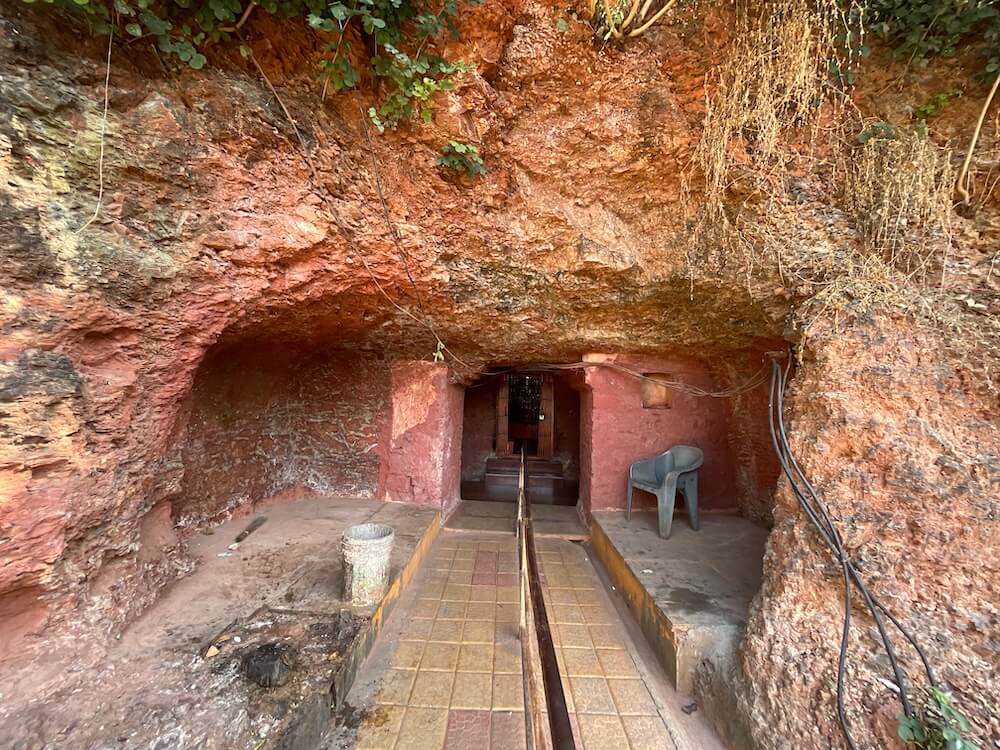
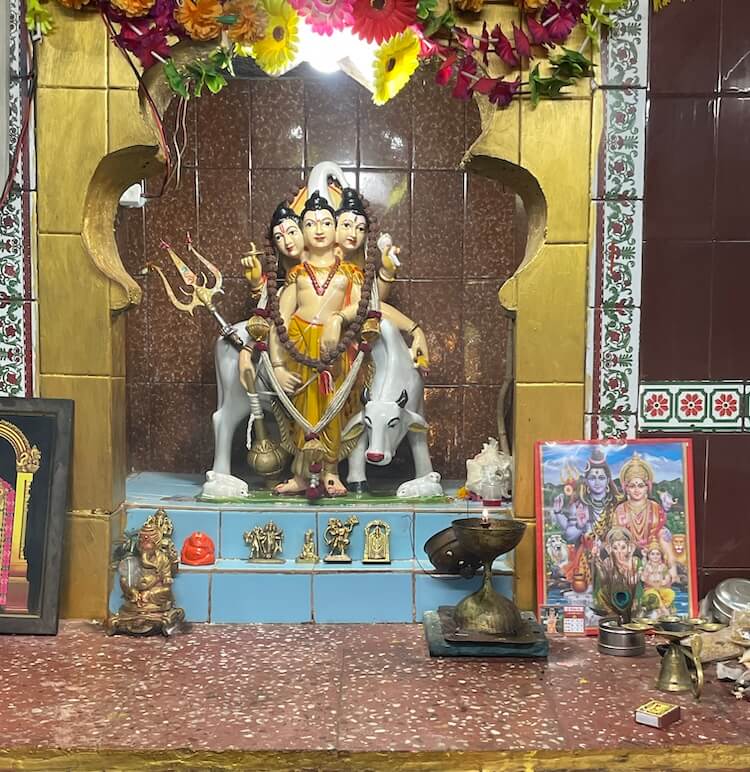
There is a tourism department registration desk at the foothills. It is mandatory for all devotees and tourists visiting here to register their name, address, and contact number. The Shri Dattatreya Temple caves are situated at the base of the hill. In 1986, Rampuri Maharaj, who practiced meditation here, installed the idol of Shri Dattatreya in these caves. The temple is designed with a Sabha Mandap (assembly hall) and a Garbhagriha (sanctum sanctorum). The idol of Shri Dattatreya is placed in a throne (Makhara) on a Vajrapitha within the sanctum.
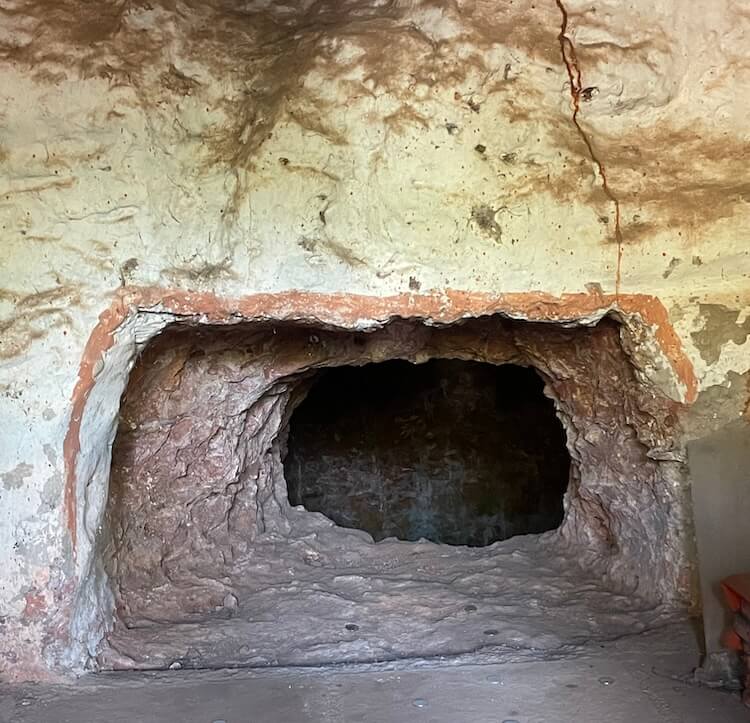
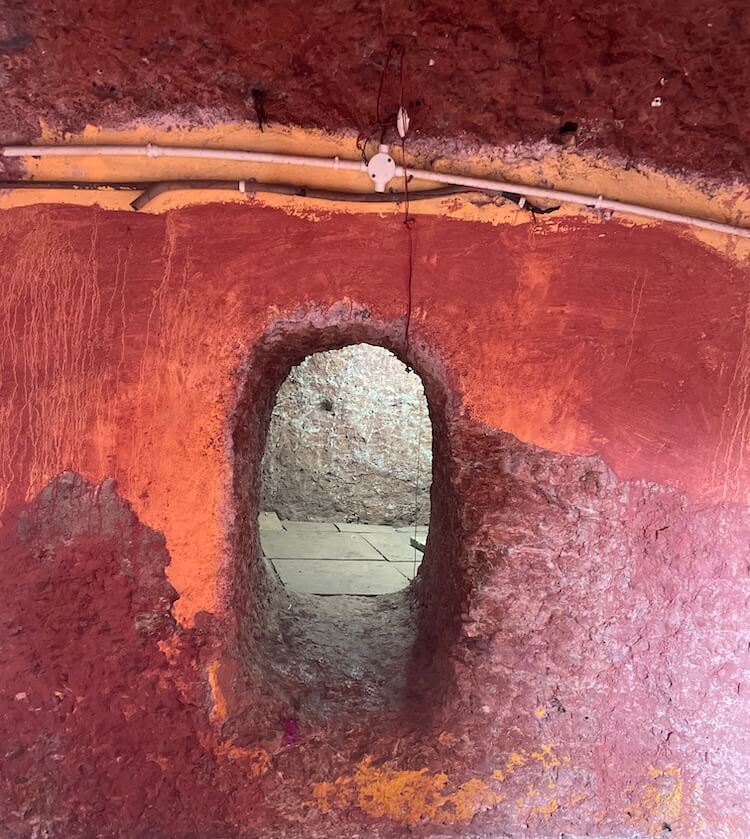
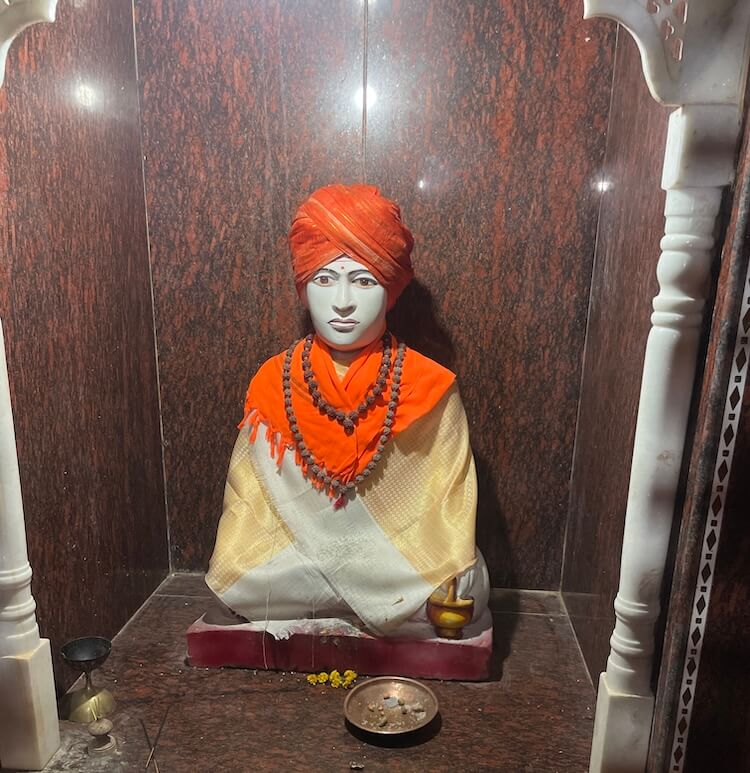
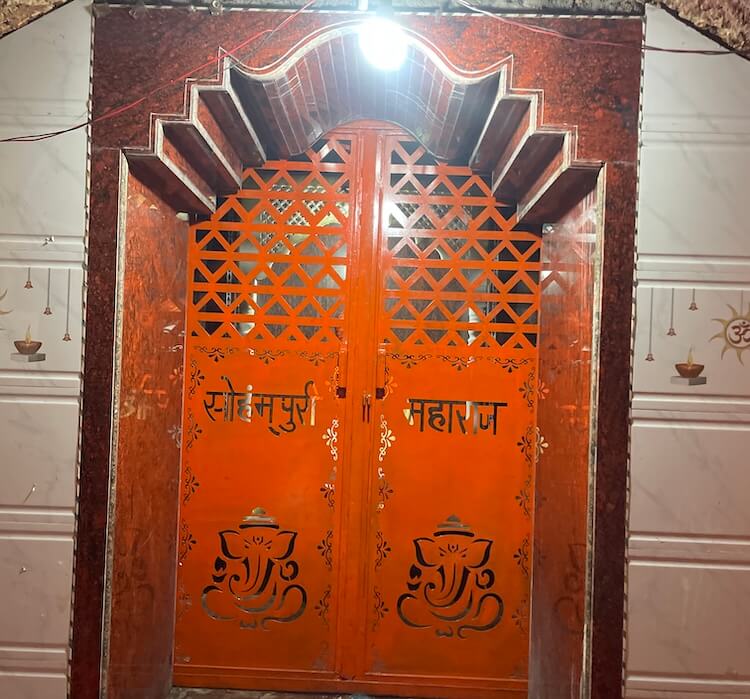
Next to the Shri Dattatreya Temple caves is the Sohampuri Maharaj Tapobhumi, or meditation cave, which falls under the Shringeri Math. This cave has a narrow entrance and passage. Inside the cave, an image of Sohampuri Maharaj and a Shiva Linga are installed. To the left of this cave is the Madhya Leni (Middle Cave), where an idol of Lord Maruti (Hanuman) has been installed. Adjacent to the Madhya Leni is the Patal Leni (Underground Cave). This cave contains a kund (water tank) about 50 feet deep, at the bottom of which a natural water source is found. On the other side of the Madhya Leni is the Mahadev Leni (Shiva Cave). A Shiva Linga is installed at the entrance of this cave, and there is a cavern inside. In ancient times, yogis used to meditate in this cave.
There are many religious sites on the hilltop. A stone stairway is available for the ascent. Along this path, which passes through dense foliage, seating arrangements have been made at various places. Upon reaching the hilltop, on the way to the Samadhi of Sadguru Gangaram Maharaj, one finds a platform (Paar) with five Audumbar trees growing together. It is believed that these Audumbar trees fulfill the wishes of the devotees. Stone Paduka (footprints), a Shiva Linga, and a Ganesha idol are installed on this platform. Devotees make vows to these trees for the blessing of children. Once the vow is fulfilled, small cradles are tied to the branches of the trees.
A short distance away is a children’s park. This park features slides, balancing beams, swings, and replicas of various animals for children’s entertainment. A short distance from the park is the Sanjeevani Samadhi and cave of Sadguru Gangaram Buwa Maharaj. In front of this cave is a courtyard with ramparts. Seating arrangements for devotees are provided around the courtyard. In a small shrine here, there are idols of Hanuman and Jagadamba Devi. The courtyard features a Chafa tree that blooms year-round and a water station (Panpoi). Bhajan and Kirtan programs are organized here every Ekadashi.
Further into the heart of the hill is a long cave. The platform of Sadguru Gangaram Buwa Maharaj’s Samadhi is built here, with his brass idol installed upon it. The cave also contains a Guru-Asan (Guru’s seat). A 10-foot-tall idol of Lord Vishnu in Padmasana (lotus position) is carved into the back wall of the cave. Above Vishnu’s crown is the canopy of a seven-hooded serpent. To the right of the idol, his vehicle, Garuda, is carved. The daily worship of this Samadhi is performed by the descendants of ‘Gangaram Buwa’ for generations. Legend has it that Sadguru received a direct vision of Lord Balaji Vishnu in this very cave. In later times, H.B.P. Gopal Anna Maharaj Apshingekar performed a Belpatra ritual in this same cave. After him, Hanumant Maharaj Apshingekar practiced penance here, surviving only on forest leaves. A short distance from this cave is the Vyaghra-Guha (Tiger Cave).
On the western side of the hill, there is a water spring. This is considered the only source of water here. Local belief holds that Lord Rama created this spring by shooting an arrow. It is said that the marks of the wheels of Lord Rama’s chariot are imprinted on the hill. The pits found in some places on the hill are believed to be the footprints of an elephant.
Major annual festivals celebrated here include Shri Datta Jayanti, Dussehra, and Diwali. A large number of devotees gather here during these festivals. On Datta Jayanti, the birth anniversary of Shri Dattatreya and a Palkhi (palanquin) procession are organized. On the day of Dussehra, devotees offer Apta leaves to the deity and distribute ‘gold’ (Apta leaves) to one another. The ‘Simolanghan’ ritual is also performed during this festival. Religious programs such as Maha-Aarti, Maha-Prasad, Bhajans, Kirtans, and discourses are organized on every monthly Ekadashi, Purnima, and during annual festivals. Devotees can have Darshan of Shri Dattatreya in this temple from 7:00 AM to 6:00 PM.
This sacred temple stands as a testament to deep spiritual devotion, ancient architectural grandeur, and rich local cultural traditions.
The sanctum sanctorum houses the divine idol consecrated according to ancient Vedic traditions, surrounded by serene courtyards and traditional temple architecture.
Navratri, Maha Shivratri, Annual Temple Jatra & Deepotsav
Compare and book flights, secure top-rated local hotels near the temple, hire reliable guides, and rent cars instantly.
Extend your pilgrimage by visiting other highly sacred temples located nearby.


Add ₹999 more to unlock FREE SHIPPING!
Your sacred cart is currently empty.
Shop Photo FramesFill in your delivery details below to place your order.
Add comment