
Add ₹999 more to unlock FREE SHIPPING!
Your sacred cart is currently empty.
Shop Photo FramesSituated in the Chikhli taluka of Buldana district, the village of Ranantri is considered an important Shakti Peeth of the Nath tradition. This sacred land has acquired a special spiritual aura through the presence and long-term penance of Param Pujya Paramhansa Narayan Saraswati Maharaj. The Maharaj, who showed the path to mastering the art of joy in life through meditation while chanting the ‘So’ham’ Mahamantra, attained Sanjeevan Samadhi here at the age of 114. This site, a place of faith for thousands of devotees from across the country and abroad, has been granted ‘B’ category pilgrimage status by the State Government. The grand fair held annually on Kartik Vadya Dwadashi and the Mahaprasad of Chutney-Puri served during that time are famous everywhere.
The life journey of Narayan Saraswati Maharaj is highly inspiring. His original name was Parmanand. However, following the command of his Guru, he adopted the name Narayan Saraswati. His Guru resided at Borgaon Bazar in Chhatrapati Sambhajinagar district. Maharaj was born in the village of Dahithan near Paithan. Mountains of sorrow fell upon him in his childhood. He lost his father’s protection at a young age, and his mother also passed away when he was just 12 years old. After immersing his mother’s ashes in the Godavari river at Nashik, he renounced worldly attachments and left directly for Punjab to perform penance. During his 16-year stay in Punjab, he mastered the Gurmukhi language and culture there. Even today, he has a large following of disciples in the Punjab region. After completing his penance in Punjab, he spent six years traveling across India, performing the Char Dham Yatra, and then returned to Maharashtra.
After returning to Maharashtra, he stayed for long periods in various places. This includes many villages such as Karatwadi, Jafarabad, Varud, Sathegaon Savangi, Kasba Khed, Amasari, Jalgaon Sapkal, Palkhed, and Jambhora. He spent the last 13 years of his life in Ranantri. Wherever he stayed, he groomed disciples. His lineage of disciples includes Ramanand Maharaj, Premanand Maharaj, Swatmanand Maharaj, Prakashanand Maharaj, Gajanan Maharaj Gupte, and many other great personalities. Notably, local devotees recall that Saint Gajanan Maharaj of Shegaon also used to visit Ranantri to meet Narayan Saraswati Maharaj. On 12 November 1910, on the auspicious occasion of Kartik Vadya Dwadashi, he attained Sanjeevan Samadhi at the age of 114.
The history of Ranantri village is equally interesting. In ancient times, this village was known as Rajantri. The village was established by Chavan chieftains who came from Devgiri. The village attained completeness due to the twelve Balutedars who accompanied them. The descendants of the Chavan chieftains later adopted the surname ‘Zalte’, and their historic ‘Zaltewada’ still stands majestically in the village today. Narayan Saraswati Maharaj used to meditate in the premises of this mansion. On this site, sanctified by the presence of Maharaj, his disciple B. K. Subayya built a three-story meditation hall. This meditation hall houses the resting place of Maharaj. His seat, portrait, and Padukas (footwear) are preserved there. In the basement of this structure is the original meditation site of Maharaj. The Brahma Yantra on the wall here adds to the spiritual significance of this place.
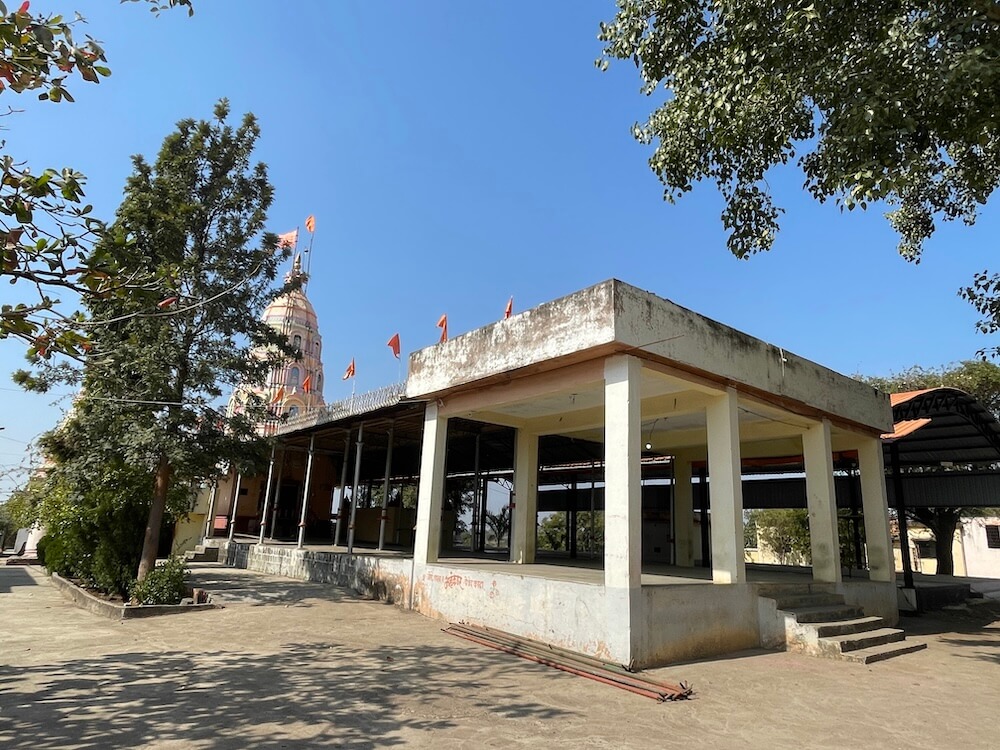
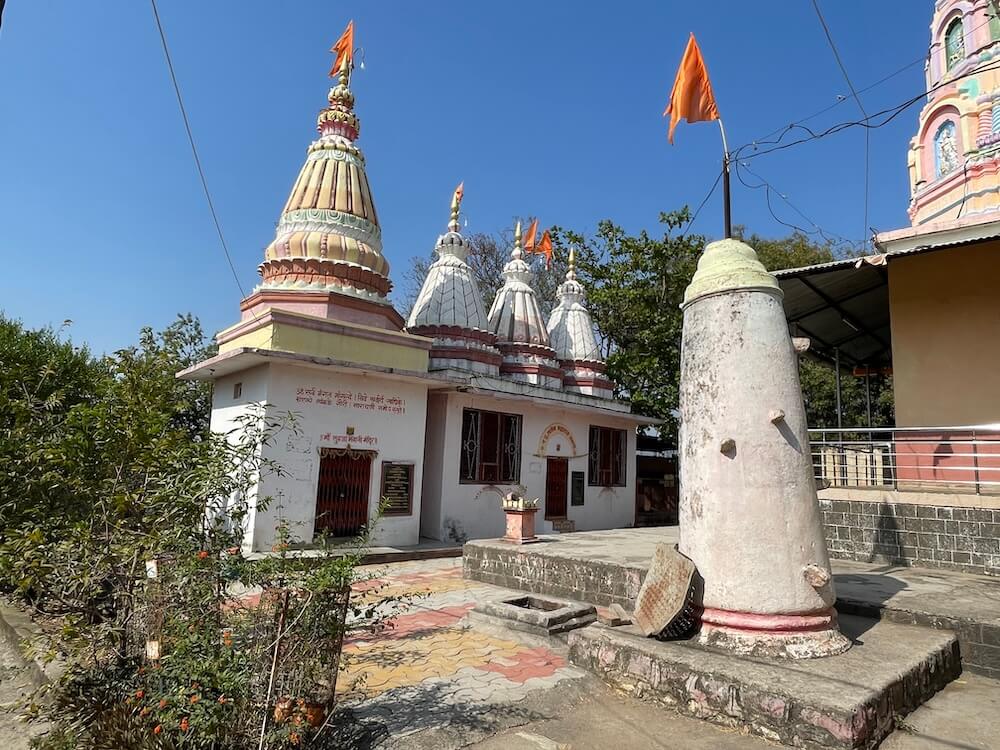
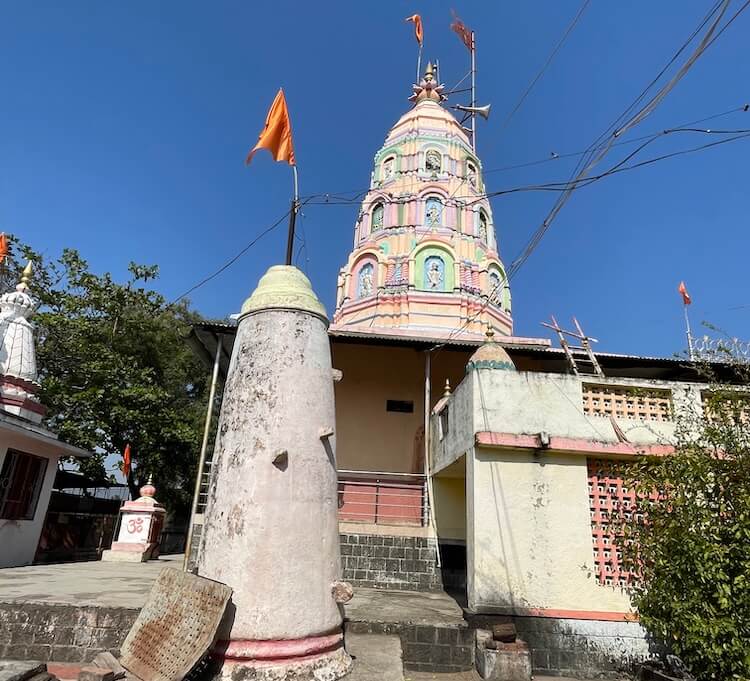
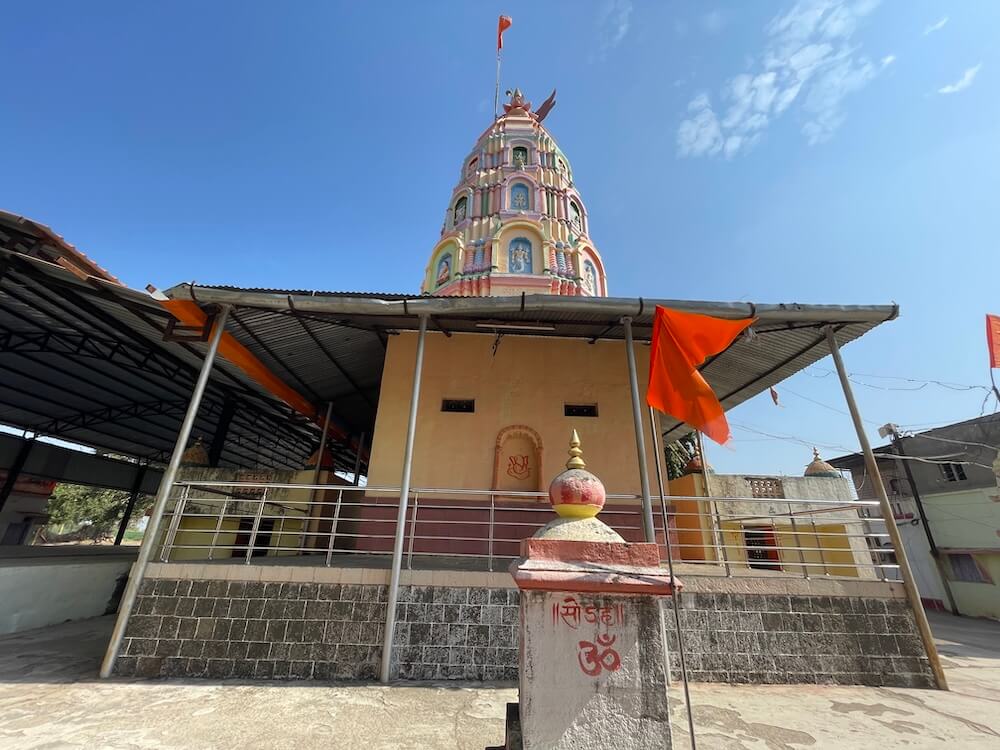
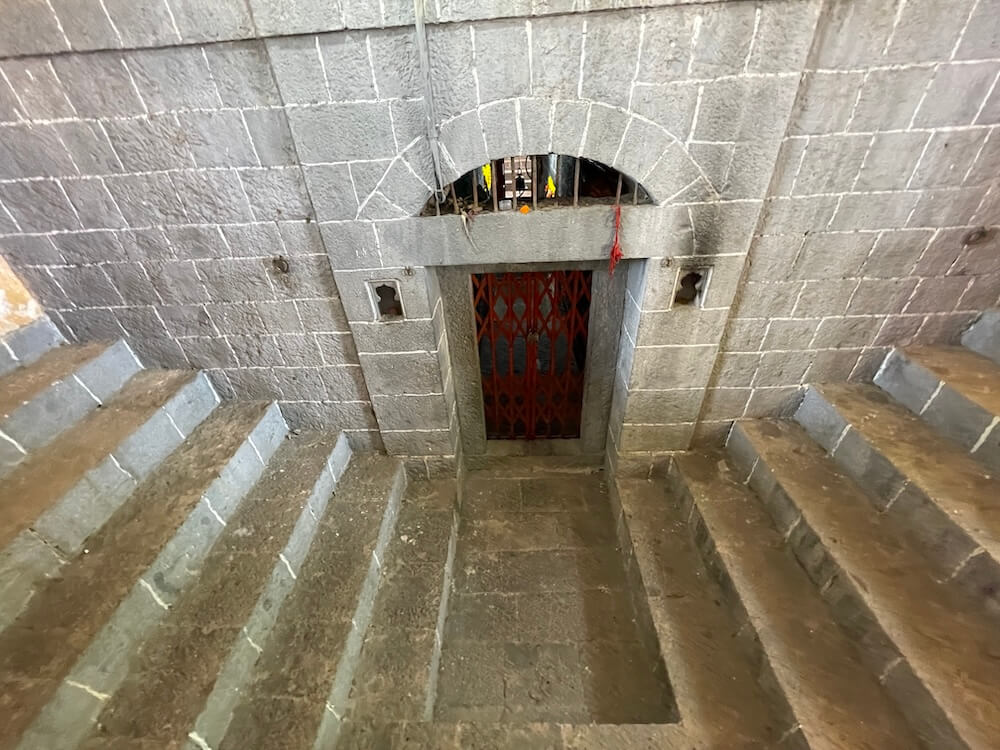
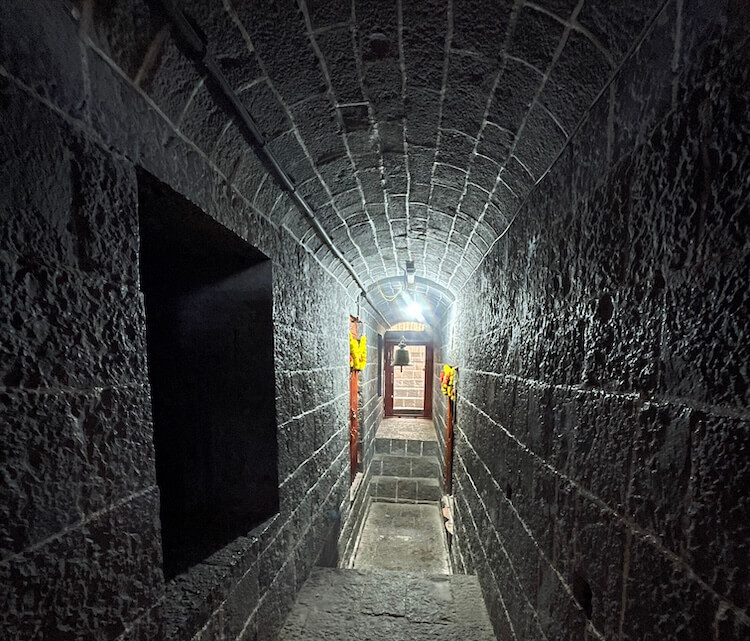
The Samadhi temple complex is spacious. Built of black stone, the temple consists of an open assembly hall (Sabhamandap), a sanctum sanctorum (Garbhagriha), and the Samadhi site below it. One enters the open assembly hall of the temple by climbing six steps from the courtyard. This assembly hall was built in 1912. The iron pillars in this assembly hall attract special attention. These pillars were brought from Kolkata to Shegaon by train and then to Ranantri by bullock carts in those days. After climbing three steps from the assembly hall, one enters the sanctum sanctorum. There are guardian sculptures on both sides of the entrance to the sanctum, and an idol of Ganpati is at the lintel. In this sanctum, there is a white marble idol of Shri Dattatreya on a Vajrapitha. From both sides of this sanctum, there are stairs leading down from the assembly hall to the Samadhi site on the ground floor. Before reaching the Samadhi, one passes through the meditation room of Narayan Saraswati Maharaj. A grand idol of Narayan Saraswati Maharaj made of Ashtadhatu (eight-metal alloy) is installed at the Samadhi site. This idol, weighing about six tons, was created by the famous sculptor Vijay Burhade of Nashik. This idol was brought to Ranantri from Nashik in a grand procession. In this seated idol, one hand is on the knee and the other is on the thigh. The idol wears a crown. There are Padukas in front of the idol. In this same temple complex, there are also the Padukas of Gajanan Maharaj Gupte. The Shikhar (spire) tapering upwards above the sanctum has four square levels. In the niches on it are idols of various deities. At the top, there is a two-tiered Amalaka and Kalash. Behind this temple, there is a stone lamp pillar (Deepstambh) and a small temple of Tulja Bhavani. Nearby are the Samadhis of some of the disciples of Narayan Saraswati Maharaj.
The tradition of festivals here is very old. Many people from Maharashtra as well as countries like France, America, and Japan come to Ranantri for spiritual practice. A grand seven-day festival is celebrated here on Mahashivratri. An unbroken Harinam Saptah is organized during this time. The main ceremony here is on Kartik Vadya Dwadashi.
During this three-day fair, various religious programs including Abhishekam and Kalya Kirtan are held. The tradition of the Mahaprasad of Chutney-Puri, which has been going on for a hundred years, is a major attraction of this pilgrimage. In the olden days, due to the lack of transport facilities, it took a long time for devotees to return home.
To ensure the food did not spoil and lasted longer during the journey, the practice of giving Chutney and Puri was started. This simple tradition is still maintained with the same devotion today.
This sacred temple stands as a testament to deep spiritual devotion, ancient architectural grandeur, and rich local cultural traditions.
The sanctum sanctorum houses the divine idol consecrated according to ancient Vedic traditions, surrounded by serene courtyards and traditional temple architecture.
Navratri, Maha Shivratri, Annual Temple Jatra & Deepotsav
Compare and book flights, secure top-rated local hotels near the temple, hire reliable guides, and rent cars instantly.
Extend your pilgrimage by visiting other highly sacred temples located nearby.


Add ₹999 more to unlock FREE SHIPPING!
Your sacred cart is currently empty.
Shop Photo FramesFill in your delivery details below to place your order.
Add comment