
Add ₹999 more to unlock FREE SHIPPING!
Your sacred cart is currently empty.
Shop Photo FramesAavare village, nestled in Uran Taluka of Raigad District, is renowned for its historical and spiritual heritage. This village boasts an ancient history dating back to the eleventh century, to the era of the Shilahara King Mahakumar Keshidev. A long-standing tradition of Shiva devotion thrives here, with two significant Shiva shrines. One is the ancient Brahmanadev Mandir at the village entrance, and the other is the historic Bholanath Mandir situated in the central part of the village. Both these temples find mention in historical records and Shilahara-era copper plate inscriptions. The religious festivals celebrated here hold unparalleled importance throughout the surrounding region.
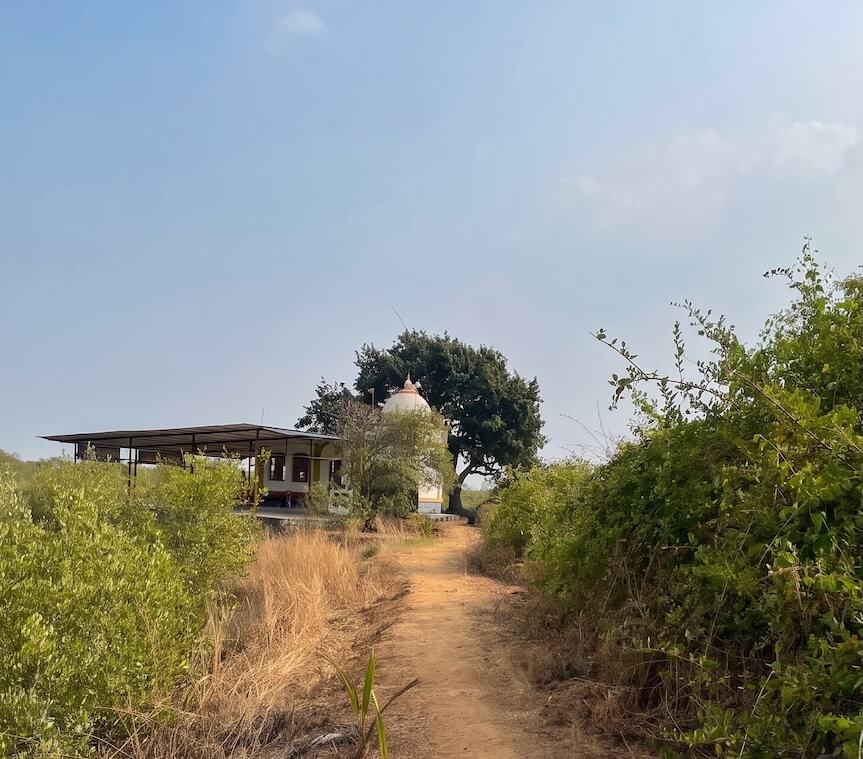
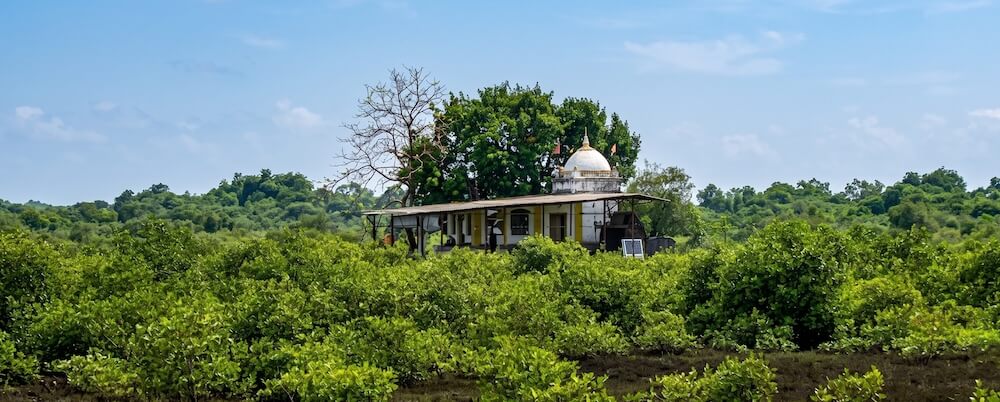
Aavare village is located near Pirakon village on the road leading from Uran to Pen. Historical evidence suggests that in the eleventh century, Shilahara King Mahakumar Keshidev donated these two villages, Aavare and Pirakon, to Brahmins. The temple at the entrance of these two villages thus came to be known as ‘Brahmanadev’. It is considered a vibrant and living deity’s abode in Raigad District. The Brahmanadev Mandir is situated at the entrance of Aavare village, by the creek, and reaching it requires an approximately one-and-a-half-hour walk.This Shiva shrine is nestled amidst dense mangrove and marshy forests. Another route to the temple is available via Aavare-Vashini-Dadar-Kadape. Vehicles can reach Kadape village via this route. From there, a twenty to twenty-five minute walk leads to the temple. On one side of this footpath lie hundreds of acres of paddy fields, and on the other, a forest of mangroves.
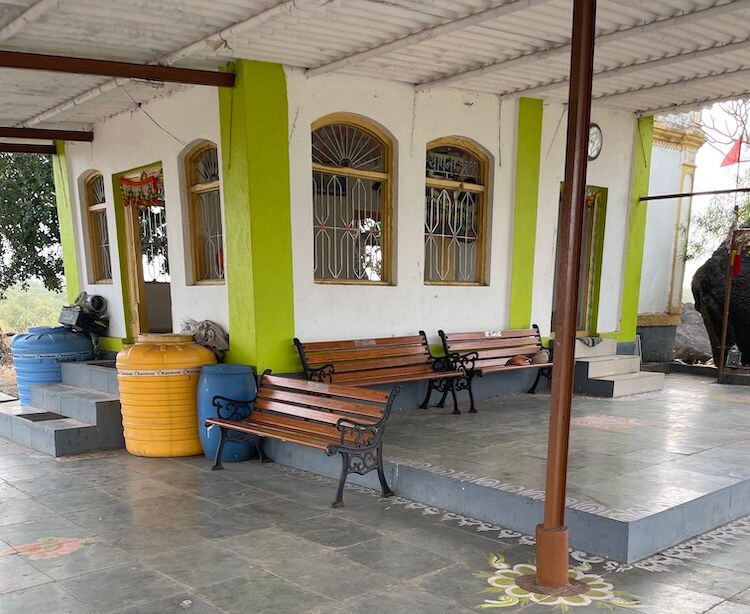
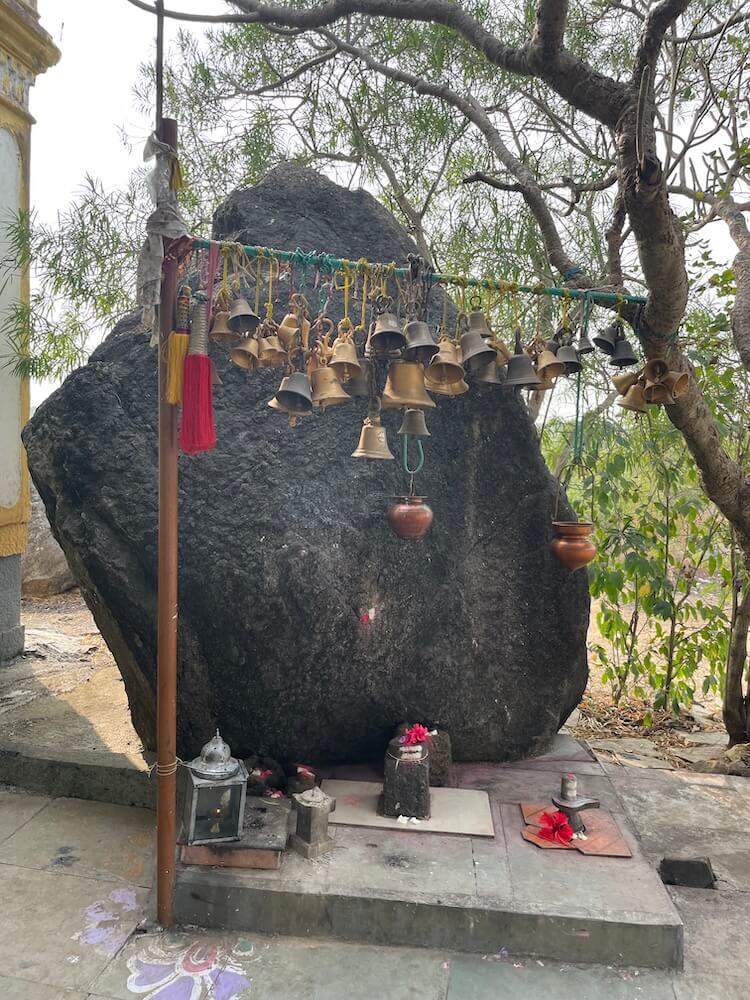
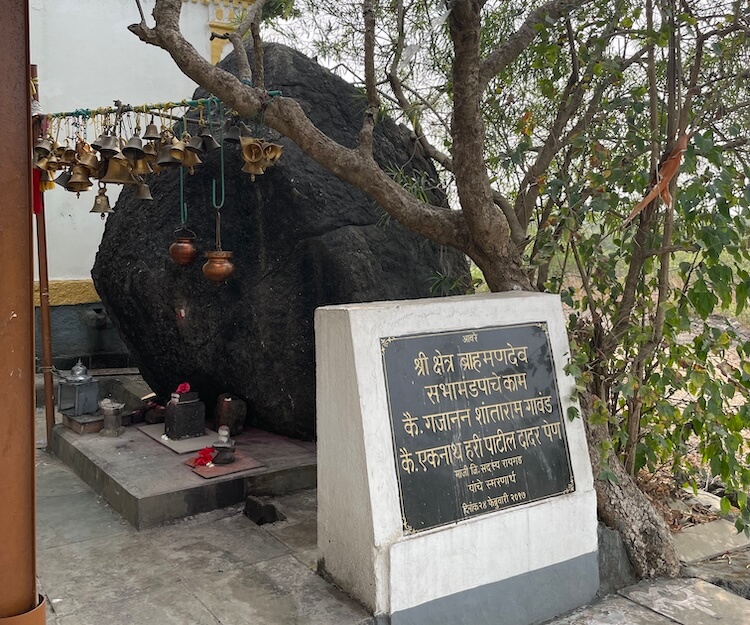
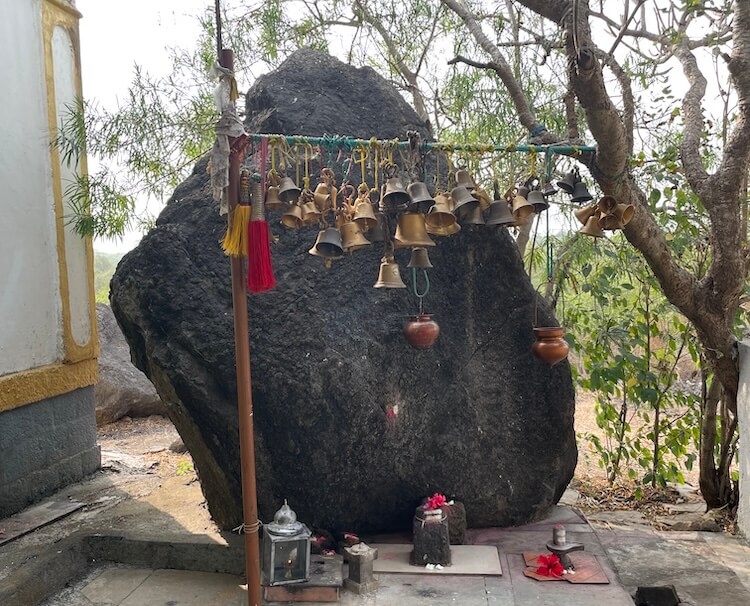
The Brahmanadev Mandir is modest in size. The original deity here is enshrined outdoors, without any shelter. Villagers believe that a large stone slab itself embodies Brahmanadev. It is also the villagers’ understanding that this slab slightly increases in size each year. An attempt was made to build a roof over this slab, but it was unsuccessful, so the villagers constructed a Shiva temple nearby. A sabhamandap (assembly hall) has been built in front of this temple for devotees to sit. Records indicate that this temple was renovated in nineteen hundred and eleven. The fame of Brahmanadev has spread across Raigad, Mumbai, Thane, and Palghar districts. A grand three-day fair is held here during Mahashivratri, and a large number of devotees also gather during the month of Shravan. During this period, every devotee who comes for darshan is offered mahaprasad. Many couples make vows here for progeny, and after their wishes are fulfilled, they return during Mahashivratri to offer their vows. For the fulfillment of vows, children are weighed against sugar, fruits, flowers, jaggery, and sweets (tulabhar), and these offerings are presented to the deity. Many devotees offer brass bells at the bell tower here. There is a Maruti temple on a small hillock in front of the temple, and devotees also seek darshan of this Maruti. During the monsoon, the path here becomes difficult due to mud, but at other times, the temple remains open for devotees throughout the day.
The Bholanath Shiva Mandir, located in the central part of Aavare village, is also renowned in the surrounding region. The ancientness of this site is evident from the Shilahara-era inscriptions found here. It is said that this temple is also mentioned in the copper plate inscription of Shilahara King Mahakumar Keshidev found in Thane. Aavare village is situated where five rivers – Amba, Bhogavati, Patalganga, Balganga, and Nigade – meet the Arabian Sea. The Bholanath Mandir has given Aavare village the identity of a village of Shiva devotees. The temple stands opposite a large lake on the main road. Upon entering through the arched gateway, a magnificent tiled-roof temple comes into view. There is a spacious mandap in front of the temple, and a pure white Nandi is positioned near the entrance. This two-storied temple’s construction extensively uses wood. Many brass bells are tied to the pillars in front of the sanctum sanctorum. A Shivlinga is installed in the garbhagriha (sanctum sanctorum) here. A five-headed cobra spreads its hood over this linga. Idols of Hanuman and Shri Datta are placed beside the linga.
This temple was renovated in nineteen hundred and seventeen. It is said that at that time, an attempt was made to center the Shivlinga. However, after fifteen to sixteen feet of excavation, streams of gulal (red powder) began to flow from the side of the linga, forcing the work to stop.
The teak wood used for the temple’s construction was carried by the creek waters near the village, and those very timbers can still be seen in the temple today. The Mahashivratri festival is celebrated on a grand scale every year at the Bholanath Mandir. Thousands of devotees come for darshan at this time. The palanquin here is considered the oldest palanquin in Uran Taluka.
For the past twenty-five years, a grand aarti has been performed here every Monday. Hundreds of Shiva devotees come here for darshan during the month of Shravan. Devotees can have darshan from early morning until late at night.
This sacred temple stands as a testament to deep spiritual devotion, ancient architectural grandeur, and rich local cultural traditions.
The sanctum sanctorum houses the divine idol consecrated according to ancient Vedic traditions, surrounded by serene courtyards and traditional temple architecture.
Navratri, Maha Shivratri, Annual Temple Jatra & Deepotsav
Compare and book flights, secure top-rated local hotels near the temple, hire reliable guides, and rent cars instantly.
Extend your pilgrimage by visiting other highly sacred temples located nearby.


Add ₹999 more to unlock FREE SHIPPING!
Your sacred cart is currently empty.
Shop Photo FramesFill in your delivery details below to place your order.
Add comment